REVIEW · SAO MIGUEL ISLAND
Azores: Volcanic Wine and Tapas Tasting Party
Book on GetYourGuide →Operated by Islanders - Immersive experiences · Bookable on GetYourGuide
Volcanic wine tastes like another planet. I love the chance to sip rare bottles grown on volcanic terroir, and I like how the evening turns into an easy conversation over Azorean wine and tapas. One possible catch: it is a fixed 4-hour tasting party, so if you prefer total freedom to linger, this may feel a bit scheduled.
Most of the action happens in a family garden or a cozy dining room, which keeps the vibe relaxed even with a small group of 10 and a live guide in Portuguese and English. If you want your evening to mix culture, food, and wine in one place, this is a very efficient way to do it in the Azores.
In This Review
- Key things I’d circle before you go
- Volcanic wine in a family garden, not a warehouse
- Is $75 for Azores volcanic wine and tapas good value?
- The tasting theme: molten earth, ash, and sharp flavors
- Which grape varieties you’ll hear about (and actually taste)
- What the food side tastes like: typical Azorean tapas
- The flow of the evening: welcome, then sip-and-learn
- Small group size: why it improves the tasting
- What you’ll learn about culture, traditions, and history
- Who this volcanic wine and tapas party fits best
- Practical tips to get the most from the tasting
- Should you book this volcanic wine and tapas party?
- FAQ
- Where is this experience located?
- How much does it cost?
- How long is the experience?
- What is included in the price?
- What languages are the guides available in?
- How large is the group?
- Is it suitable for wheelchair users?
- What should I bring?
Key things I’d circle before you go
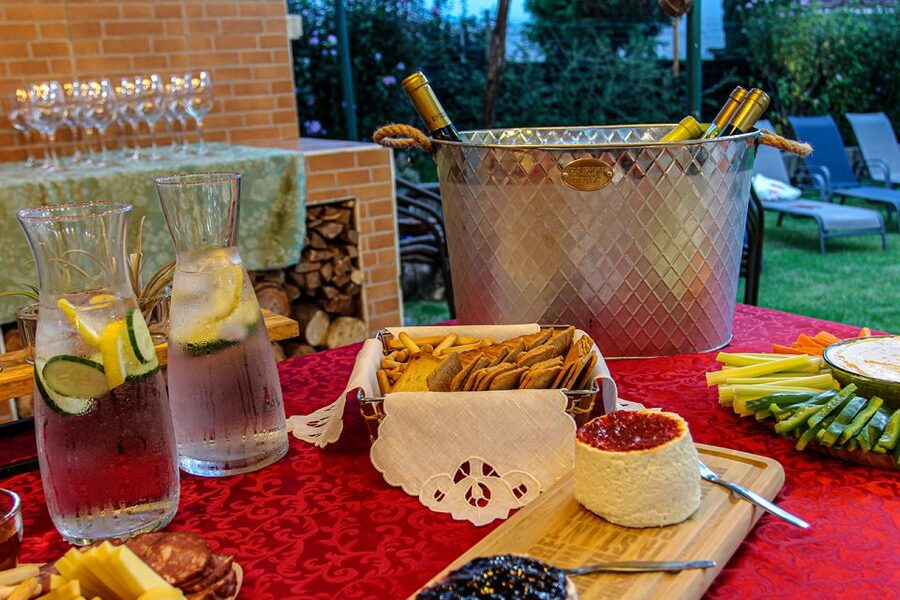
- Volcanic terroir wines: flavors built from volcanic earth and ash, not just marketing.
- Rare Azores grape varieties: you’ll sample from 33 authorized varieties, including island standouts.
- High-acid tasting in real life: you practice spotting salinity, stony hints, and sharp lift.
- Family-hosted atmosphere: the experience is built around one Azorean household and its traditions.
- Garden plus cozy dining room: you can settle outside or stay in for the next pour.
Volcanic wine in a family garden, not a warehouse
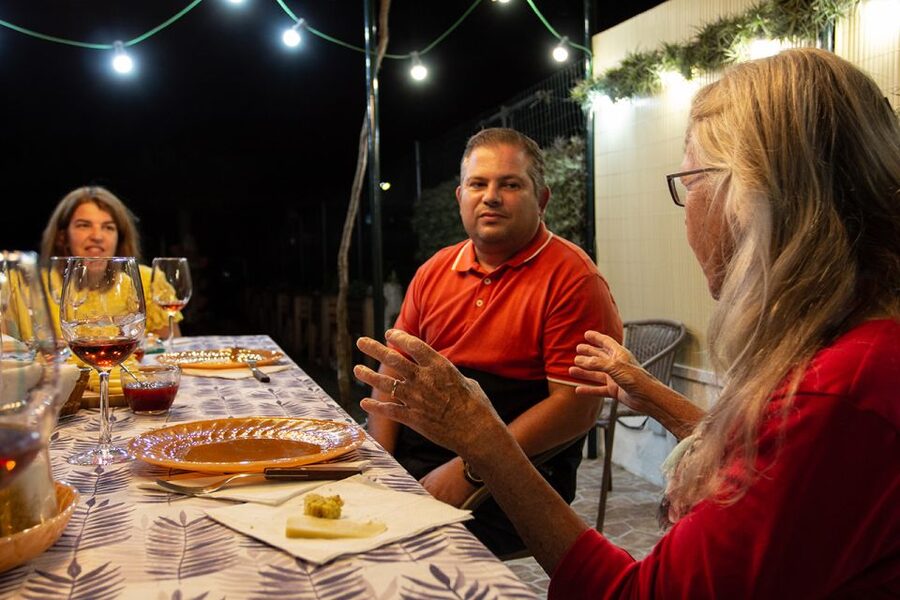
This is an Azores volcanic wine tasting that feels like you got invited to someone’s home, not like you’re herded through a production line. The setup is simple: you’ll gather with a small group, then the family guides the party in their garden and cozy dining room while wine and food keep arriving.
I like that the pace is social. You’re not just tasting in silence—you’re learning while you eat. And in a place like the Azores, that matters, because the islands’ flavors make more sense when you hear the story behind the grapes and the soil.
You can also read our reviews of more tours and experiences in Sao Miguel Island.

Is $75 for Azores volcanic wine and tapas good value?
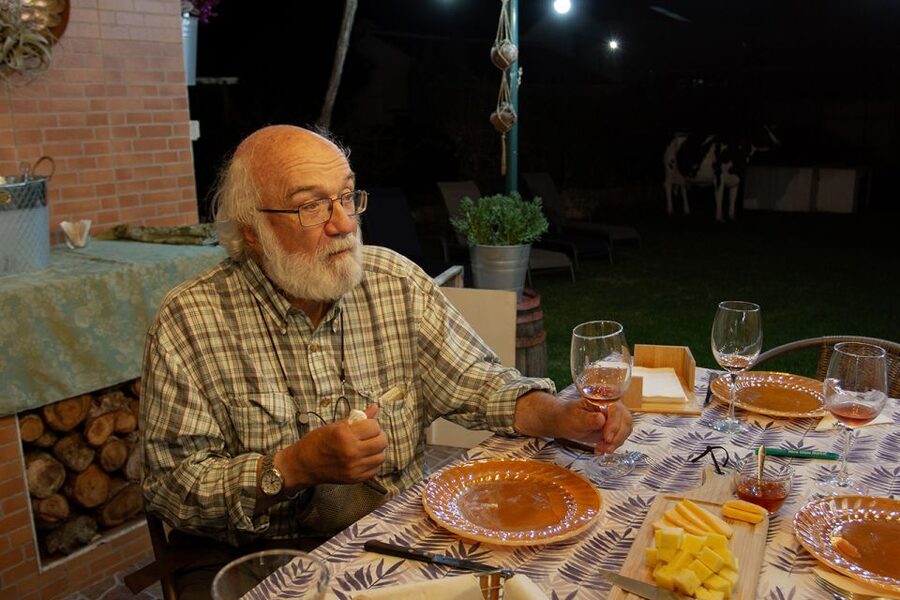
At $75 per person for 4 hours with food and wine included, I think the value is strong if you actually want to taste multiple wines and eat local bites. If you only wanted a single glass, or you’re traveling with your own snack stash, the price could feel high.
But the whole point here is the tasting party format: you get guided pours plus typical food tastings in one sitting. That’s a better deal than trying to piece together wine tastings and dinner plans separately, especially when you’re on a tight trip timeline.
Also, the content isn’t generic. You’re tasting wines linked to volcanic terroir and island grape varieties, and you’re practicing what high acidity tastes like when it’s paired with real food—not just wine trivia in the background.
The tasting theme: molten earth, ash, and sharp flavors
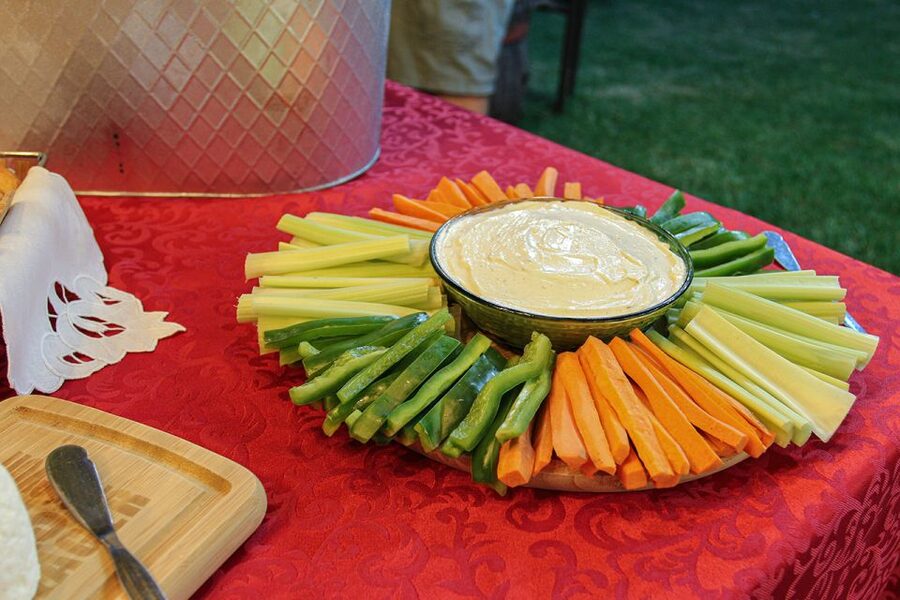
The headline is volcanic terroir. These wines are produced from grapes grown in volcanic conditions, and the experience leans into the sensory results: high acidity, salinity, and stony, mineral hints that linger on your palate.
One detail I found especially useful is that the volcanic flavor profile is described as something only a small number of regions in the world can produce. That gives context for why these wines taste different from many mainland styles you might know. The goal isn’t to make you memorize jargon—it’s to help you notice how the wine behaves on your tongue.
Expect the tasting to focus on those markers:
- High acidity you can feel as a clean, lively lift.
- Salinity that reads like a savory edge, not saltiness from seasoning.
- Stony or mineral hints that come through as structure and grip.
If you’ve ever had wine that tastes clean and energetic and wondered why, this is the sort of tasting that trains you to put language to it.
Which grape varieties you’ll hear about (and actually taste)
The Azores have 33 grape varieties authorized for island wine. Only three are described as autochthonous—meaning they’re native to the Azores—so this tasting highlights what those grapes bring to the island profile.
The three autochthonous varieties named are:
- Verdelho
- Arinto dos Açores
- Terrantez do Pico
Even if you’re new to Portuguese wine, the tasting format helps you connect grape names to real flavors. I like this approach because it turns the varieties into something you can taste and remember, rather than something you forget the second you leave the table.
And because the wines are produced on volcanic terroir, the grape story isn’t floating off by itself. It’s grape + soil + island climate, all showing up together.
What the food side tastes like: typical Azorean tapas
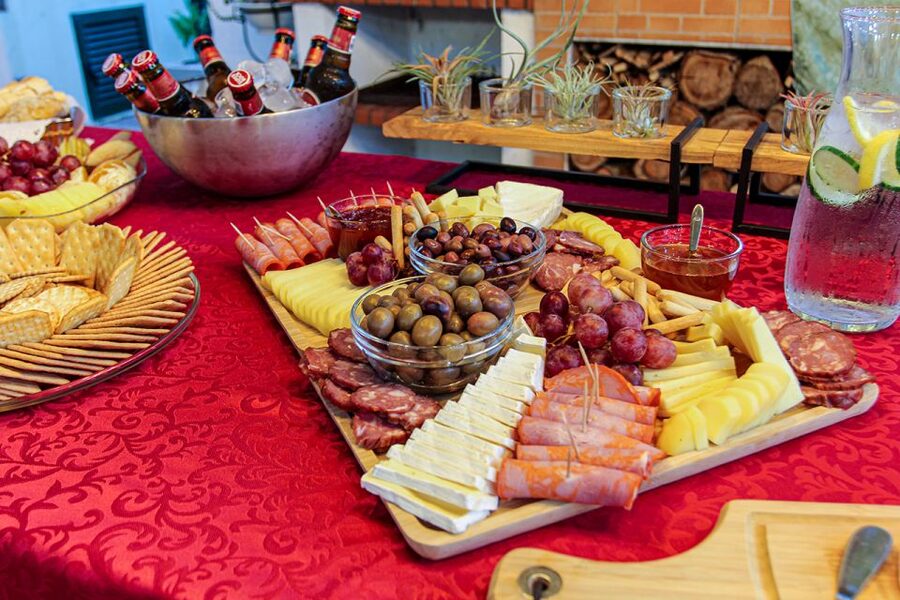
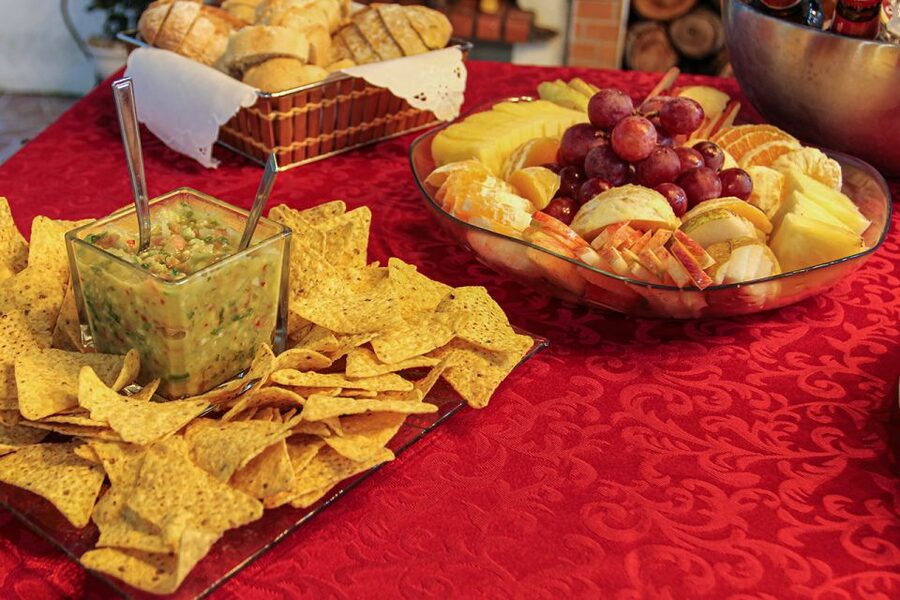
You’ll be eating typical food tastings, served along with the wine. The information provided doesn’t list a menu, so I can’t promise exact dishes. Still, the “tapas-style” setup is clear: you’ll snack your way through the evening rather than sit down to a single formal course.
This matters because high-acid wines often feel even more interesting when paired with salty or savory bites. You’ll get a chance to experience how food changes the wine’s texture and how the wine changes how the food tastes.
In one recent experience, the host’s wife prepared delicious local food snacks with special wines, and that family cooking piece seems to be part of the heart of the night. It’s not just wine education—it’s an eating party built around local hospitality.
The flow of the evening: welcome, then sip-and-learn
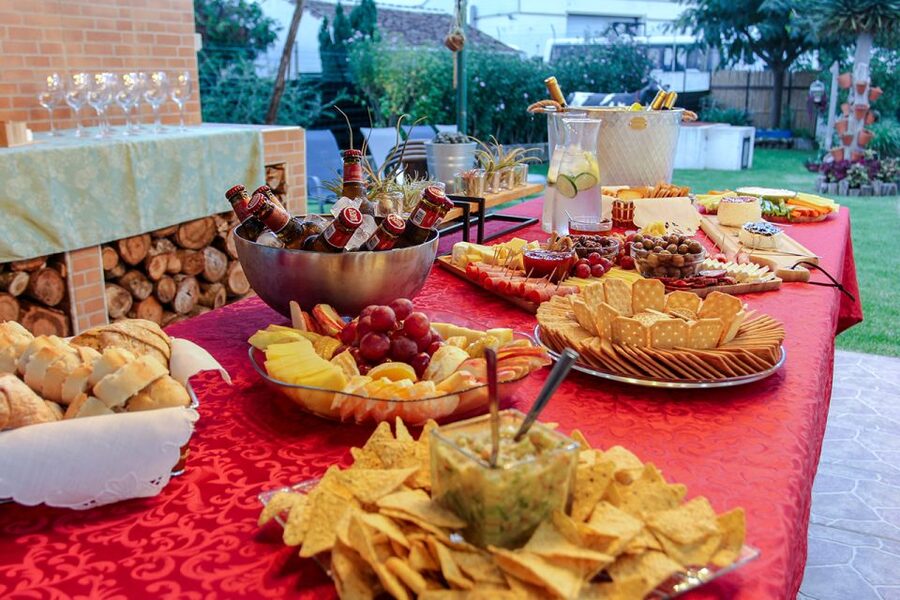
Your 4-hour party is structured enough to keep things moving, but relaxed enough that you’re not stuck at a lecture desk. You’ll be welcomed by the family, then guided through wine and food tasting while you sit in the garden or the dining room.
Here’s what the flow feels like in practical terms:
- You start with a welcome and context for the wines.
- Then you taste multiple pours with guidance in Portuguese and English.
- Food tastings arrive alongside the wine, so you’re not tasting blind.
- The group stays small enough for real conversation.
One extra point from a past host experience: Viktor picked guests up at the hotel and shared information about the east coast of Terceira before going to the family home. That short orientation doesn’t replace the tasting, but it can add a lot—especially if it helps you connect the island’s geography to what you’re tasting in the glass.
Small group size: why it improves the tasting
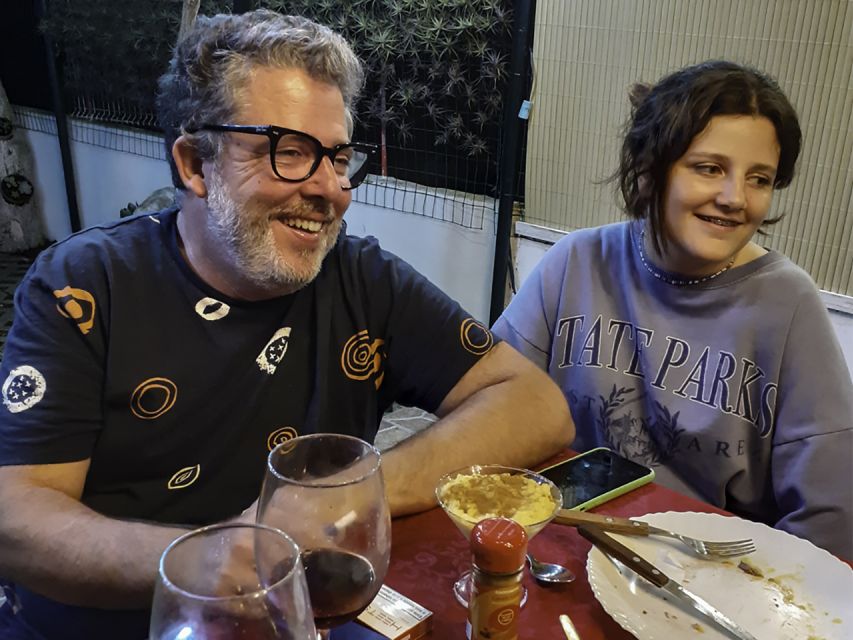
This is limited to 10 participants, which is a sweet spot for a wine-and-food evening. You get a guided experience without feeling like you’re part of a crowd at a big event.
In a smaller group, questions are easier. If you want clarification on what you’re tasting—why one pour tastes sharper or why another feels more mineral—you’re more likely to actually get an answer. And because the conversation is part of the evening’s goal, smaller groups support the social atmosphere.
What you’ll learn about culture, traditions, and history
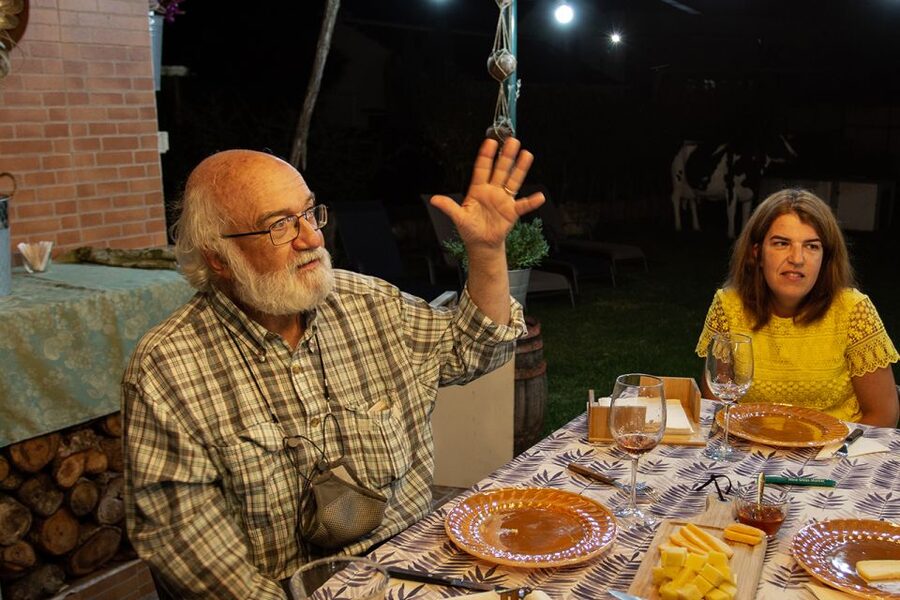
The tour promise isn’t just wine mechanics. You’re learning about Azorean culture, traditions, gastronomy, and history. That mix is valuable because wine on the Azores is tied to place: how people farm, what grapes survive best, and how volcanic conditions shape the final glass.
I also like that the learning is delivered in a relaxed party setting. You’re not asked to show up as a wine expert. You just need curiosity and an appetite. If you’re the type who loves hearing why something tastes the way it does, this is the kind of evening that leaves you thinking after you go back to your lodging.
Who this volcanic wine and tapas party fits best
I’d recommend this experience if you:
- Want a guided Azores volcanic wine tasting with food included
- Like learning through tasting, not through long speeches
- Prefer small-group travel
- Enjoy Portuguese culture and local hospitality
It may be less ideal if you:
- Want a fully self-paced itinerary
- Hate tasting formats where you’re expected to sample multiple wines
- Need full wheelchair accessibility (it’s not suitable for wheelchair users, based on the provided info)
If you’re on Terceira or traveling across the Azores and you want one evening that delivers both wine education and local flavor, this is a strong choice.
Practical tips to get the most from the tasting
Here’s how to make the most of a volcanic wine party without overthinking it:
- Come ready to taste. Don’t arrive starving, but also don’t assume you’ll be stuffed by the time the night ends.
- Take mental notes on what you notice: acidity first, then salinity and mineral/stony character.
- Ask questions when something doesn’t match your expectations. That’s when the guide’s explanations tend to click.
And yes, pace matters. A 4-hour evening goes fast once the conversation starts, so settle in and enjoy the fact that you’re tasting in good company.
Should you book this volcanic wine and tapas party?
If you want one memorable, high-value evening in the Azores that mixes rare volcanic wines, guided tasting techniques (especially around high acidity and mineral notes), and typical food tastings in a family setting, I’d book it. The $75 price makes more sense when you consider the included wine and food, plus the small group size and the home-style environment.
Skip it only if you strongly dislike structured tasting time, or if mobility/access needs make home-based seating a problem. Otherwise, this is exactly the kind of local experience that turns the Azores from a postcard into something you can taste.
FAQ
Where is this experience located?
It takes place in the Azores, Portugal.
How much does it cost?
The price is $75 per person.
How long is the experience?
The duration is 4 hours. Starting times can vary, so you’ll want to check availability.
What is included in the price?
Food and wine are included.
What languages are the guides available in?
The live tour guide speaks Portuguese and English.
How large is the group?
It’s a small group limited to 10 participants.
Is it suitable for wheelchair users?
No. It is not suitable for wheelchair users.
What should I bring?
You should bring your passport or ID card.