REVIEW · BUDAPEST
Budapest: Hungarian Wine Tasting with 7 Wines and Tapas
Book on GetYourGuide →Operated by Wine The Gap Kft. · Bookable on GetYourGuide
Hungarian wine has a secret weapon: its grapes. This tasting is a smart, friendly way to learn why Hungary’s bottles matter, with 7 pours and farm-based tapas at a central bar. I especially liked the lineup of cserszegi fűszeres whites and the furmint reds, explained clearly by hosts like Miki. The only possible drawback: it’s only 2 hours, so you’ll want to pace your sips if you hate rushing.
You get a real sense of place, not just a flight of wine. I like that you learn the history of Hungarian wine and its wine regions, then taste wines tied to those places, from both well-known and lesser-known producers. You also get tasting notes plus a map of the regions, which makes it easier to remember what you liked after you’re back out on Budapest streets. One consideration: the experience isn’t suitable for children under 18 or pregnant women.
In This Review
- Key points to know before you go
- A quick route to Hungarian wine that doesn’t feel like a classroom
- Price and value: why $62 can actually make sense
- Where the tasting happens: meeting at Wine the Gap
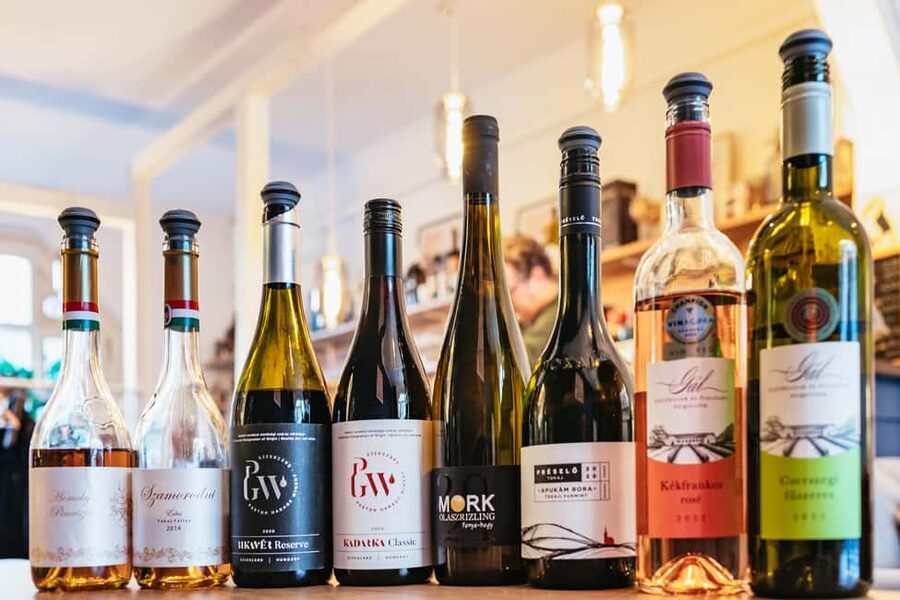
- The main event: 7 Hungarian wines in a guided flight
- The whites: cserszegi fűszeres and the “try it even if you can’t pronounce it” rule
- The reds: furmint, kadarka, and Bull’s Blood
- Tapas in Hungary style: farm products that actually pair
- The guide factor: stories that connect the bottles to Hungary
- Hungarian wine regions, in plain language
- How to get the most from a 2-hour tasting (without turning it into a race)
- Stop-by-stop flow: what happens during your time inside
- Who this tasting suits best in Budapest
- A few things to consider before you book
- Should you book this Budapest Hungarian wine tasting?
- FAQ
- How long is the Budapest wine tasting experience?
- How many wines will I taste?
- Where do I meet for the tasting?
- What food is included with the wine?
- Are tasting notes and a map provided?
- Is the tour guide speaking English?
- Is the experience wheelchair accessible, and is it suitable for children or pregnant women?
- Is free cancellation available, and can I reserve now and pay later?
Key points to know before you go
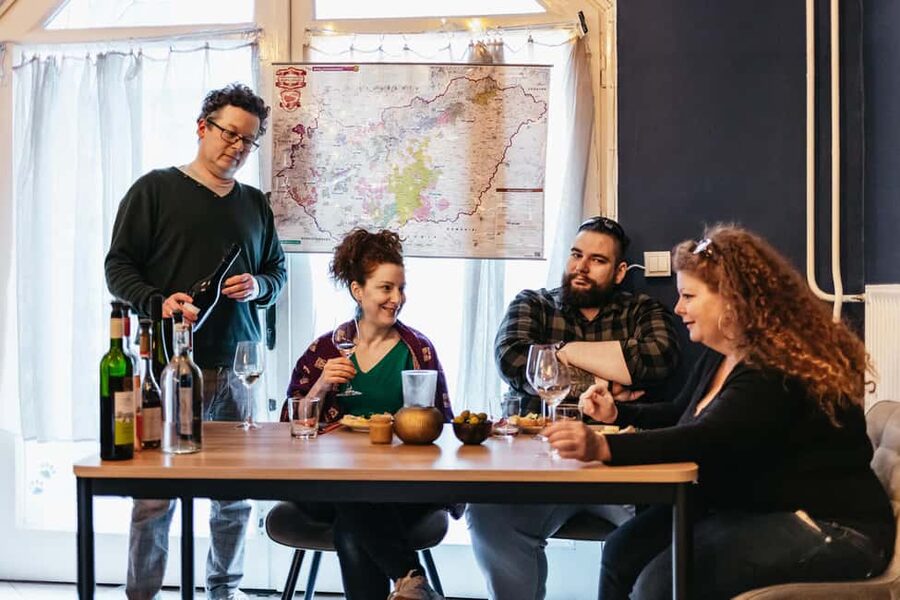
- 7 wines in 2 hours with guided pacing, so you try more than the usual one-or-two glasses
- Hungarian grape focus, including cserszegi fűszeres whites and furmint reds
- Tapas from outside Budapest, paired with olives, ham, sausages, tomatoes, and cheeses
- Tasting notes and a Hungary wine-region map to keep your favorites straight
- English-led guide with stories about how Hungary’s wine regions connect to what’s in your glass
- A cozy bar start at Wine the Gap, with the tasting returning to the same meeting point
A quick route to Hungarian wine that doesn’t feel like a classroom
Budapest is great for big “wow” sights, but you also want one evening that feels like it belongs to Hungary, not just to a city. This wine tasting hits that sweet spot: it’s structured enough to teach you something useful, but casual enough that it feels like a night out with a good host.
What makes it work is the combination. You taste 7 Hungarian wines rather than a few random pours, and you pair them with small plates that taste like the country’s daily food. Then your guide connects the dots between grape varieties, wine regions, and how Hungarian wine has evolved. If you’ve ever stood in a wine shop holding a bottle and thinking, I have no idea what I’m choosing, this kind of framework is exactly what you need.
Price and value: why $62 can actually make sense
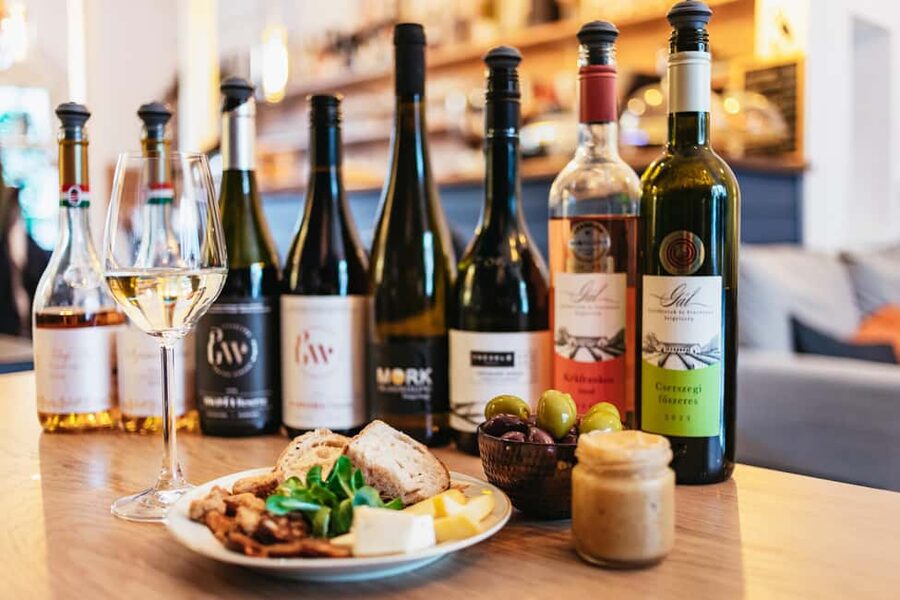
At $62 per person for about 2 hours, you’re paying for a guided tasting plus food. The practical value is that you’re not only buying wine; you’re buying explanation, tasting notes, and a map of Hungarian wine regions to take home.
If you were to order a similar number of tastings on your own, you’d still be doing lots of guesswork. Here, the guide helps you learn what you’re tasting and why it matters. You also get bottled water, which matters more than people think, especially when you’re bouncing between whites and reds in quick succession.
Where the tasting happens: meeting at Wine the Gap
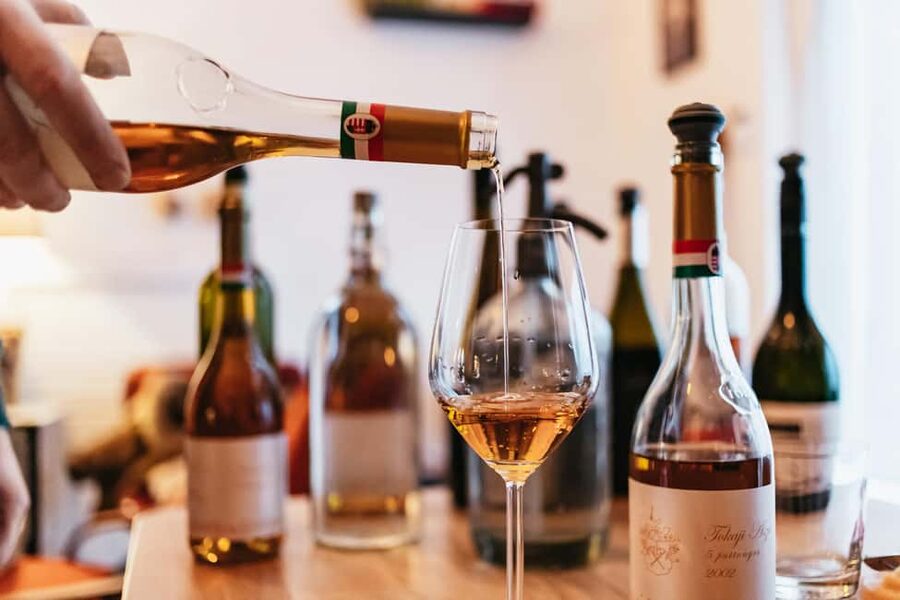
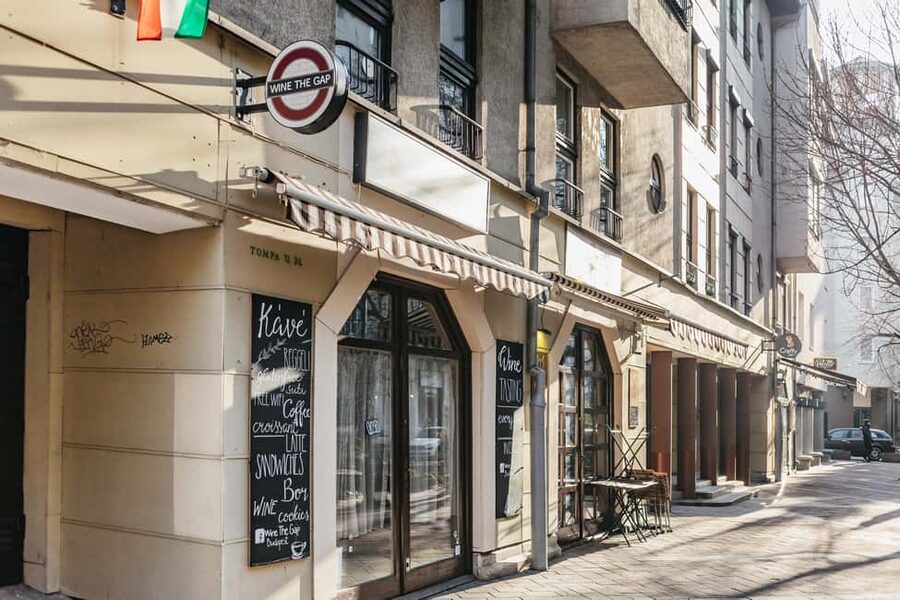
The experience starts at a wine bar called Wine the Gap. That’s good news for two reasons. First, it’s easy to build into your evening plans, since there’s no hotel pickup or complicated logistics. Second, a wine bar setup usually means you get a comfortable pace: you can sip, smell, compare, and ask questions without feeling like you’re stuck in a bus tour rhythm.
After the guided tasting, it ends back at the same meeting point. That keeps your night simple. You’re not trying to figure out transport right after the wine.
The main event: 7 Hungarian wines in a guided flight
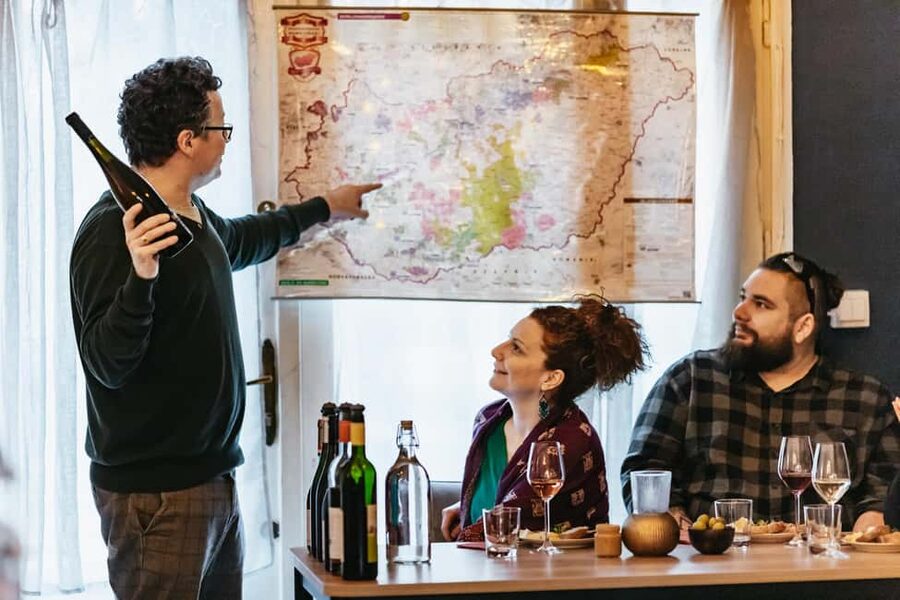
Your guide walks you through a set of 7 tastings. Each pour comes with context, so you’re not just reacting to flavors. You’re learning how Hungary’s grape varieties behave, how producers express them, and how that changes from bottle to bottle.
The whites: cserszegi fűszeres and the “try it even if you can’t pronounce it” rule
You’ll taste multiple white wines made from the Hungarian grape cserszegi fűszeres. Even if the name feels like a mouthful, the goal is simple: you get a window into one of Hungary’s signature aromatic styles.
Here’s what I think makes these tastings valuable for you. Aromatic whites can be tricky when you’re choosing wine casually. By tasting a few from the same grape family, you learn what stays consistent and what changes based on producer choices. That’s how you start making better picks later, at home or abroad.
The reds: furmint, kadarka, and Bull’s Blood
On the red side, you’ll explore wines tied to Hungary’s best-known grape, furmint, plus red varieties such as kadarka and Bull’s Blood.
The helpful part isn’t the label alone. It’s that you taste different red styles while your guide explains what you’re seeing in the glass: structure, aroma patterns, and the way reds can feel lighter or more intense depending on the variety. If you’ve mostly had international reds while traveling, this is a fast way to recalibrate your palate to Hungarian expressions.
Tapas in Hungary style: farm products that actually pair
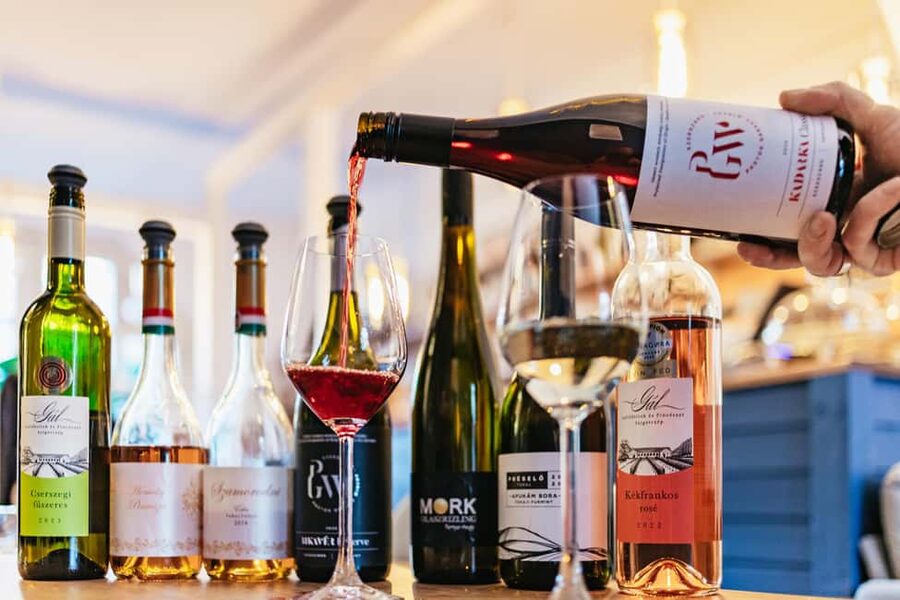
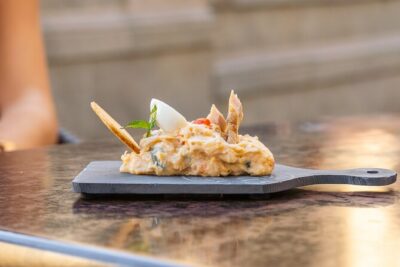
A guided tasting can be purely about wine, but this one includes food throughout. You’ll get small plates like olives, ham, sausages, tomatoes, and various cheeses—sourced from farms outside Budapest.
Why this pairing matters: Hungarian wines often have distinct aromatic profiles and acidity (especially in whites). Salty foods like olives and cured meats give you something to “anchor” your tasting against. Cheese helps bridge flavors as you move from one wine to the next.
Think of the food as a palate tool. It keeps you from treating each sip like it’s happening in isolation. Instead, you’re comparing how the same food and similar flavors interact with different wines.
The guide factor: stories that connect the bottles to Hungary
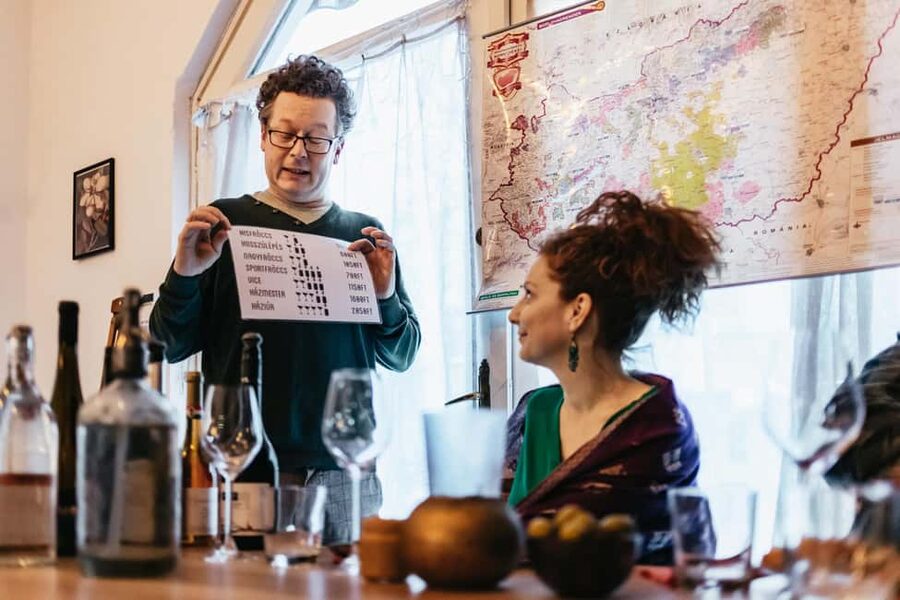
From what I see, the biggest reason this tasting rates so high is the people. Hosts such as Miki (and sometimes Luca in other sessions) bring enthusiasm and clear explanations. The best part is not just facts. It’s the vibe: your host keeps it friendly and interactive, so you feel comfortable asking questions.
In practical terms, that means you’re more likely to remember what you learned. A few simple takeaways can do more for your future wine choices than reading a book later.
Hungarian wine regions, in plain language
One of the included extras is a map of the wine-tasting regions of Hungary, plus tasting notes. You learn about Hungarian wine history and the country’s wine regions while you taste.
This is a smart way to learn because you don’t have to memorize everything at once. You can connect the tasting notes to the map and then sort it out later. It also helps you avoid the common travel trap: trying to remember wine facts on the spot while you’re tired, hungry, and distracted by Budapest nightlife.
If you want a quick mental model, use this approach:
- Identify the grape you liked (like cserszegi fűszeres or furmint)
- Note what the wine felt like (aromatic, crisp, structured, etc.)
- Link it to the region map your host provides
Even if you don’t become a sommelier, that pattern makes your souvenirs more meaningful.
How to get the most from a 2-hour tasting (without turning it into a race)
Because the tasting is compact, you’ll have the most fun if you treat it like a guided comparison session, not a sprint. Here are a few practical moves that work with this format:
- Pace your sips: take small tastes first, then go back for comparisons.
- Pay attention to changes between white pours and red pours. That contrast is part of the learning.
- Use the tasting notes while it’s fresh. Even a few words like fruit level, acidity, or “pairing worked well with cheese” are enough.
- Ask one question per segment. You’ll get more out of a focused answer than a group-wide Q&A.
And if you’re a confident wine drinker who hates basic explanations, you can still benefit here. The flight format forces you to taste within a Hungarian framework instead of reaching for your usual favorites.
Stop-by-stop flow: what happens during your time inside
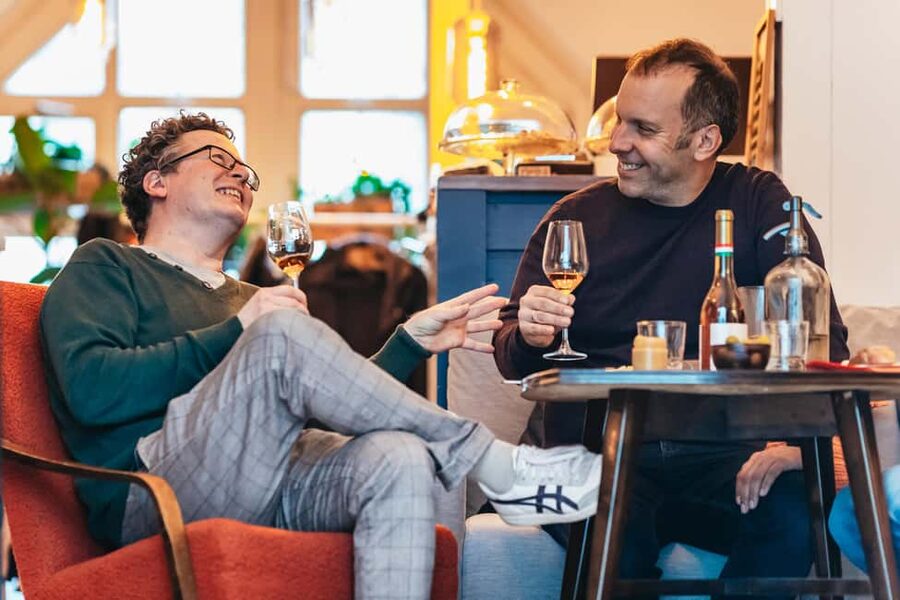
You meet at the start location at Wine the Gap. Then the guided tasting takes place at the wine bar itself for the full duration.
Here’s what you’ll feel during the experience:
- Early on: quick orientation to Hungarian wine and what you’re tasting
- Middle: your flight through the whites (including cserszegi fűszeres) and into the reds (including furmint, kadarka, and Bull’s Blood)
- Ongoing: tapas and water in between, keeping everything balanced
- End: you leave with tasting notes and a map so the evening doesn’t disappear as soon as you walk outside
No bus. No detour. Just a compact evening that fits nicely between dinner and a late walk.
Who this tasting suits best in Budapest
This is a strong fit if you:
- Want an authentic Hungary-focused evening without leaving the city
- Like wine but don’t want to spend hours on research before you order
- Enjoy food pairings, especially cheese and cured meats
- Prefer guided tastings led in English
It’s also a good choice if you’re doing winery day trips later. If you taste first, you’ll understand what to look for when you see vineyards outside Budapest.
A few things to consider before you book
A 2-hour tasting means you’ll never get “everything” about Hungarian wine. You’ll get a curated experience instead. If you want a slow, deep, multi-session education, you may still crave more time after this.
Also, the format isn’t for everyone. It’s not suitable for children under 18 or for pregnant women. If you’re traveling with anyone in those categories, plan a different activity.
Should you book this Budapest Hungarian wine tasting?
I’d book it if you want a high-value, guided tasting that helps you understand Hungarian wine in a way that sticks. The combination of 7 guided tastings, farm-based tapas, and take-home tasting notes plus a region map is what makes this more than just an evening with wine.
Skip it only if you’re looking for a long, vineyard-style day trip or you strongly prefer unguided self-guided wine drinking. This one is all about learning the story behind what’s in your glass, in a friendly, manageable time window.
If your Budapest itinerary has room for one wine-focused evening, make it this one.
FAQ
How long is the Budapest wine tasting experience?
The experience runs for 2 hours.
How many wines will I taste?
You’ll taste 7 Hungarian wines during the guided tasting.
Where do I meet for the tasting?
You meet at the Wine the Gap wine bar in Budapest.
What food is included with the wine?
Food products (tapas) are included, such as olives, ham, sausages, tomatoes, and various types of cheeses. Water is also included.
Are tasting notes and a map provided?
Yes. You receive tasting notes and a map of the wine-tasting regions of Hungary.
Is the tour guide speaking English?
Yes, the live tour guide is listed as English.
Is the experience wheelchair accessible, and is it suitable for children or pregnant women?
It is wheelchair accessible. It is not suitable for children under 18 years, and it is not suitable for pregnant women.
Is free cancellation available, and can I reserve now and pay later?
Free cancellation is available up to 24 hours in advance for a full refund. You can also reserve now and pay later.