REVIEW · MALAGA
Malaga Tapas Cooking Class
Book on Viator →Operated by Spain Food Sherpas · Bookable on Viator
Tapas lessons in Malaga taste like a plan. This 3.5-hour cooking class pairs a produce hunt at Atarazanas Market with hands-on lessons in Malaga-style tapas, olive oil, and local wines. It’s a smart way to learn what makes this part of Spain taste the way it does, not just how to cook one dish.
I especially love how the class starts with ingredients you can actually picture buying later. The olive oil tasting and the Aloreña olives set you up for the flavors you’ll keep tasting in Malaga, from savory seafood to rich sauces.
The only real catch is timing: the market visit is only included in the daytime class (Monday to Saturday), since Atarazanas is closed in the evenings and on Sundays. If you book an evening or Sunday slot, expect a shorter class and no market stop.
In This Review
- Key things I’d circle before you book
- Atarazanas Market: where your tapas lessons get real
- Olive oil tasting and Aloreña olives: your flavor cheat code
- SOHO kitchen time: hands-on lessons that stay organized
- What you’ll cook: Malaga classics, not just random tapas
- Tortilla de patatas: the skill that travels home best
- Pil pil prawns: learn the sauce logic
- Pedro Ximénez sauce: sweetness with depth
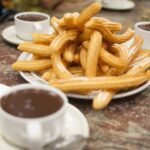
- Churros: the fun finale that still teaches something
- The wine or beer pairing, plus your pre-meal snack
- Market-to-kitchen timing: what “daytime” vs “evening” really means
- The real value: what you leave with
- Who this is best for (and when it’s not)
- Getting to the meeting point in Málaga Centro
- Price and value: what you’re really paying for
- Final verdict: should you book this Malaga tapas cooking class?
- FAQ
- How long is the Malaga tapas cooking class?
- Do I visit Atarazanas Market?
- What’s the class language?
- What’s the group size?
- What food and drinks are included?
- Will I get recipes to take home?
- Can the class handle dietary requirements?
- Where do we meet for the class?
- Is hotel pickup included?
- What’s the cancellation policy and what happens in bad weather?
Key things I’d circle before you book
- Atarazanas Market first so you start cooking with real local produce in mind
- Olive oil tasting plus Aloreña olives, so your tapas taste more Malaga than generic Spain
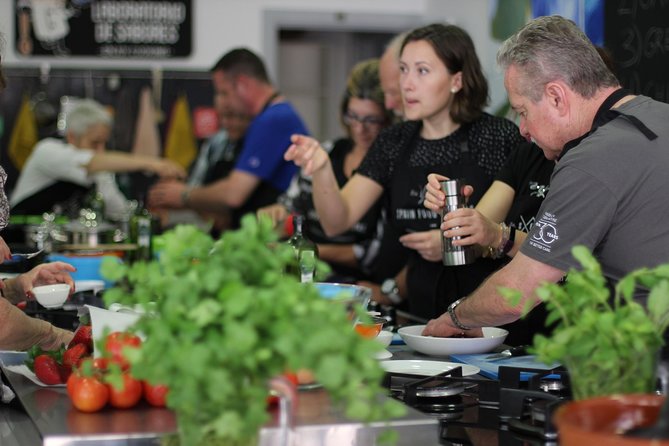
- Hands-on kitchen time in a modern SOHO (Art District) setup with the tools to cook confidently
- A full tapas meal with wine or beer pairing, plus seasonal fruits
- Take-home recipes and a special gift so you can repeat the dishes after your trip
- Small group size (max 16) which matters when you’re actually cooking with guidance
Atarazanas Market: where your tapas lessons get real
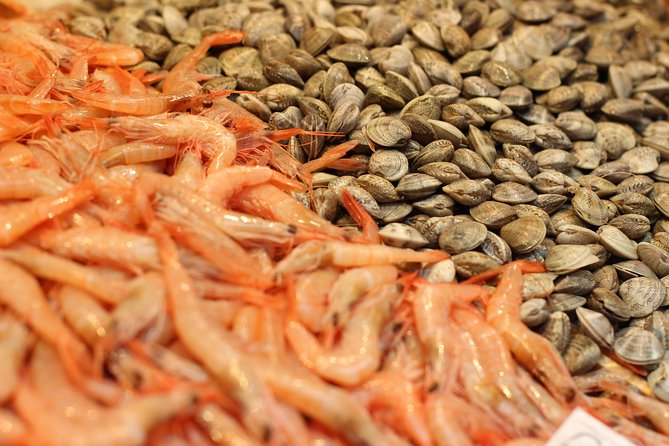
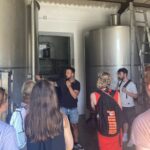
The biggest reason I like this class is that it teaches you tapas with context. You don’t just show up to chop and fry. You start at Mercado Central de Atarazanas and learn what’s in season, what locals reach for, and how ingredients shape the menu.
The market stop is included only on the daytime class from Monday to Saturday. That matters because Atarazanas Market is closed in the evenings and Sundays, and it also shuts on a list of holidays (including 1/1, 6/1, 28/2, several days around Holy Week, 1/5, 15/8, 19/8, 8/9, 12/10, 1/11, 6/12, 8/12, and 25/12). If your dates land on one of those, your market time may not happen even if you booked the daytime option.
Why this helps you as a traveler: once you’ve tasted and seen the ingredients locally, you’ll understand why Malaga tapas lean the way they do—seafood-friendly, olive-oil-driven, and big on simple flavors done well. Even if you don’t become a home cook overnight, you’ll leave with better instincts for choosing tapas later.
You can also read our reviews of more tours and experiences in Malaga.
Olive oil tasting and Aloreña olives: your flavor cheat code
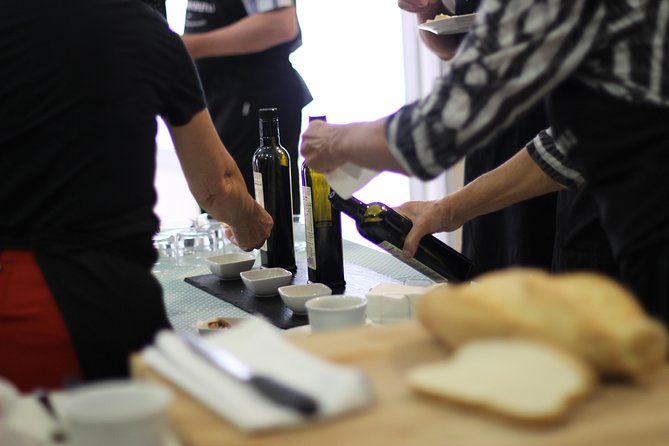
Right after the market, the class begins with an extra virgin olive oil tasting and a snack featuring Aloreña olives (or roasted almonds, depending on the class/menu needs). This is more than a cute start. It’s your practical introduction to the flavor backbone of Andalusian cooking.
You’ll taste different local olive oils, including award-winning varieties. The goal is to help you notice what changes when the oil changes—bitterness, peppery bite, fruitiness, softness. Then you’ll connect those notes to the tapas you cook and eat.
And yes, the olives matter. Aloreña olives are a big deal in this region, and this tasting gives you a quick way to understand what locals mean when they say good olive oil is essential. If you’ve ever thought tapas all tasted similar, this part is how you learn why they don’t.
SOHO kitchen time: hands-on lessons that stay organized
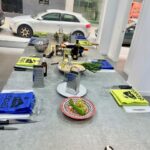
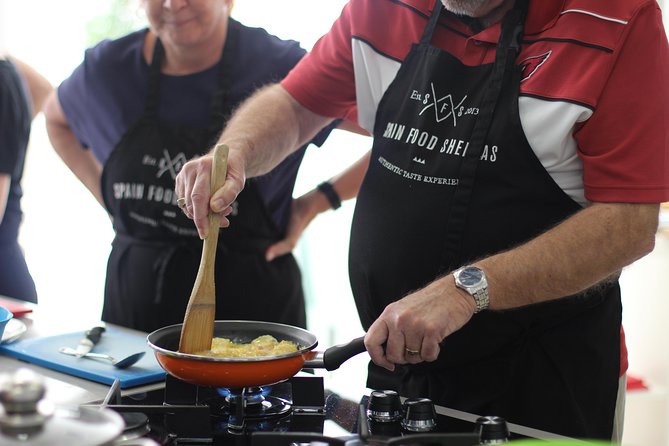
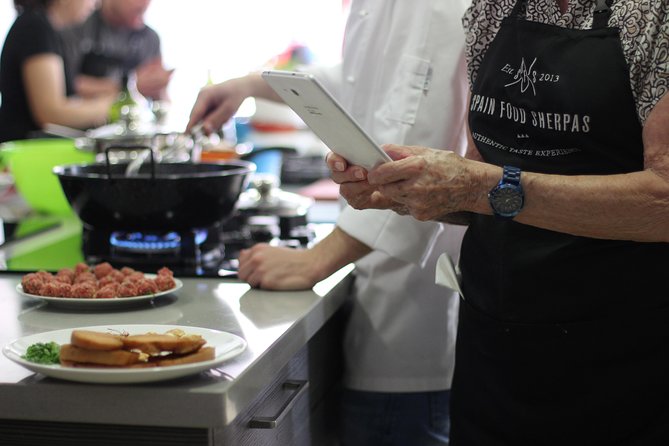
After the market stroll (about a 5-minute walk away), you move to the modern kitchen in Málaga’s Art District area, often called SOHO. It’s set up for real cooking: big, clean, and designed for groups to work without constantly waiting.
This is where I’m glad they keep the group to a maximum of 16 people. You get enough hands-on time to actually practice. And the class stays structured enough that you’re not lost when you switch from one tapa to the next.
In the teaching team, you’ll find experienced instructors—names that come up include Alba, Felipe, Anaïs, Elise, Simone, and Belen. Across the different classes, the common thread is clear, step-by-step guidance, so you’re not guessing what “till it looks right” means.
What you’ll cook: Malaga classics, not just random tapas
This class is built around Malaga-focused tapas, plus Spanish and Andalusian classics. The highlights mention learning dishes across the flavor range, from cod tostón to ensalada malagüena and a Spanish-style tortilla made with eggs.
Your exact set can vary, but the included menu example gives you a solid preview of the variety:
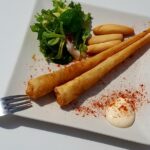
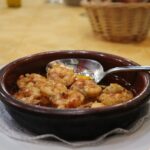
- Starters: Sangría; Fideos Tostados (crispy noodles); Pil Pil Prawns
- Main: Tortilla de patatas (classic Spanish omelette)
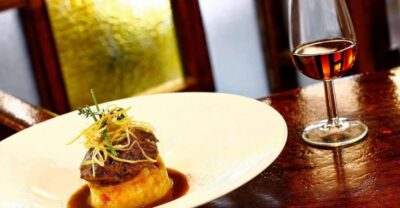
- Main: Solomillo al Pedro Ximénez (sirloin with Pedro Ximénez sauce)
- Dessert: Churros
Even if your class version tweaks the lineup, you can expect the same structure: you’ll learn multiple tapas, not one showpiece dish. That’s what makes it worth doing as a class instead of just eating tapas on your own.
Tortilla de patatas: the skill that travels home best
Tortilla de patatas is the perfect “confidence dish.” You get to work with eggs and potatoes, and you can learn what texture you’re aiming for—set but still tender. Once you’ve done it once with guidance, you’ll understand why locals argue about tortilla like it’s a sport.



Pil pil prawns: learn the sauce logic
Pil pil-style cooking is about controlling heat and building flavor from the pan. It’s also a great tapas lesson because you’ll see how small technique choices change the end result. If you like seafood tapas (and Malaga loves seafood), this is the kind of dish that makes you want to recreate it.
Pedro Ximénez sauce: sweetness with depth
Solomillo al Pedro Ximénez brings a different side of Spanish flavor: sweet, dark, and glossy. The practical value here is learning how that sauce behaves with meat and how to serve it so it doesn’t taste like dessert.
Churros: the fun finale that still teaches something
Churros at the end aren’t only a treat. They’re a reminder that tapas culture isn’t just salty plates. You’re finishing the meal with a classic Andalusian dessert, tied to the same meal rhythm.
The wine or beer pairing, plus your pre-meal snack
This isn’t a “watch and taste a little” class. You eat. The meal includes wine or beer paired with the menu, plus a pre-meal snack and seasonal fruits.
The sangría starter shows up in the menu example, and the program also pairs your meal with a regional wine made from local grapes. That’s a good setup if you want your tapas lesson to connect with drinking culture, not fight it. You’ll taste the food first, then understand how the pairing shifts the experience.
A practical note: if you’re pairing alcohol, go slow with sampling so you can actually enjoy the cooking and not just power through. The upside is you’ll leave with a full “tapas meal memory,” not just a list of recipes.
Market-to-kitchen timing: what “daytime” vs “evening” really means
You’ll see different class lengths depending on when you go. The daytime program is listed at about 3 hours 30 minutes and includes the Atarazanas Market visit. The evening and Sunday class lasts 3 hours.
So, if you want the full experience—walk through the market, then cook and eat—choose the daytime Monday to Saturday slot when the market is open. If you’re short on time, prefer evenings, or your schedule makes Monday–Saturday impossible, the shorter evening/Sunday version may still be a great pick. Just know you’ll miss the market stop.
Weather matters too. The experience requires good weather. Since the schedule includes an outdoor market component (at least in terms of the walking and market atmosphere), plan for that and keep your fingers crossed.
The real value: what you leave with
Most people book cooking classes for one of two reasons: fun and food. This one also has a third, quietly useful goal: repeatability.
You leave with a list of recipes and a special gift, which is a big deal because tapas are technique-based. Without recipes, you can remember flavors and forget the order of steps. With recipes, you can recreate the dishes after you return home—within reason, of course, because ingredients are always a little different.
The class also teaches you how to approach “tapear” as a habit. You learn the regional angle, and you understand the building blocks: olive oil, seafood or eggs, sauces, and the rhythm of eating multiple small plates.
Who this is best for (and when it’s not)
This is a strong fit if you:
- Want a structured way to learn Malaga tapas in a small group (max 16)
- Like the idea of pairing shopping at a major market with cooking in a modern kitchen
- Want a practical meal you can recreate, not just a one-time dinner
- Are traveling as a couple, small group, or even with kids who enjoy hands-on tasks
It might be less ideal if you:
- Want guaranteed Atarazanas Market time but your dates land on Sundays, evenings, or a holiday closure window
- Prefer ultra-solo cooking with no group setting (the class is interactive by design, and you’ll share prep space and attention)
- Have dietary needs but haven’t arranged them at booking—this class asks you to advise dietary requirements ahead of time
Getting to the meeting point in Málaga Centro
You meet at Kulinarea, Avenida de Manuel Agustín Heredia, 24, Distrito Centro, 29001 Málaga, Spain. The activity ends back at the meeting point, so you’re not stuck figuring out the return after your meal.
It’s near public transportation, which is handy if you’re touring other parts of Málaga the same day. The kitchen is also close to the market, so the walking between stops is manageable.
Price and value: what you’re really paying for
The price is listed at $84.66 per person for about 3 hours 30 minutes (daytime version). On paper, that’s not cheap. In practice, the value comes from what’s included.
You get:
- Olive oil tasting and a snack (Aloreña olives or roasted almonds)
- Market time in the daytime class (Monday–Saturday)
- 4 different tapas, plus dessert in the menu example
- Wine or beer pairing with the menu
- Seasonal fruits
- Recipes and a special gift
The lesson is also hands-on, in a modern kitchen with proper tools. That combination—ingredients plus instruction plus a full meal with drinks—adds up to better value than paying separately for tapas dinner and a cooking workshop.
If you’re the type who loves markets and wants a guided experience that doesn’t feel touristy, this is the part that sells it.
Final verdict: should you book this Malaga tapas cooking class?
I’d book it if you want a genuine Malaga-food day: market first, then cooking, then sitting down to eat what you made with wine or beer. The mix of Atarazanas Market, olive oil tasting, and hands-on tapa skills is a great way to leave Malaga with more than photos.
Skip or reconsider only if your schedule points to an evening or Sunday slot and you really care about the market visit, or if you’re traveling on dates that hit market holiday closures. Otherwise, this is a fun, structured way to learn tapas properly and eat extremely well.
FAQ
How long is the Malaga tapas cooking class?
The daytime class is about 3 hours 30 minutes. The evening and Sunday class lasts 3 hours.
Do I visit Atarazanas Market?
Yes, the market visit is included in the daytime class from Monday to Saturday. Atarazanas Market is closed in the evenings and Sundays, and it also closes on certain holidays.
What’s the class language?
The class is offered in English.
What’s the group size?
The class has a maximum of 16 travelers.
What food and drinks are included?
You’ll get an olive oil tasting, Aloreña olives or a roasted almonds snack, 4 different traditional tapas, wine or beer paired with the menu, and a selection of seasonal fruits.
Will I get recipes to take home?
Yes. You’ll receive all recipes, and the experience includes a special gift.
Can the class handle dietary requirements?
You should advise any specific dietary requirements at the time of booking.
Where do we meet for the class?
The meeting point is Kulinarea, Avenida de Manuel Agustín Heredia, 24, Distrito Centro, 29001 Málaga, Spain.
Is hotel pickup included?
No. Hotel pickup and drop-off are not included.
What’s the cancellation policy and what happens in bad weather?
You can cancel for free up to 24 hours in advance for a full refund. If the experience is canceled due to poor weather, you’ll be offered a different date or a full refund.