REVIEW · MALAGA
Tapas Cooking Workshop & Market Visit
Book on GetYourGuide →Operated by Spain Food Sherpas · Bookable on GetYourGuide
Cooking tapas in Malaga is not about memorizing recipes. It’s about learning the flow of tapear—shopping for the right ingredients, cooking with a team, then eating what you made. This one starts with a walk through Atarazanas Food Market and ends in a modern kitchen workshop where traditional tapas actually get made, not just explained.
I especially like how the experience blends market know-how with hands-on cooking, so you see ingredients in context before you touch a pan. And I like that you’ll cook several classics as a group, with guidance in English and take-home recipes. One thing to consider: the class can be more or less hands-on depending on how the team assigns tasks, so if you expect to do every step yourself, you may want to speak up during prep.
In This Review
- Key points at a glance
- Atarazanas Market walk: where your tapas starts
- Kulinera and the Soho District kitchen setup
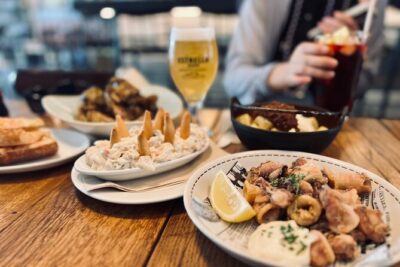
- The tapas menu: 4 classics plus churros
- What you learn while cooking each tapas
- Olive oil tasting, wine or beer pairing, and the food flow
- Price and value: is $94 a fair deal?
- Practical tips so you enjoy the full 4 hours
- Who should book this Malaga tapas workshop?
- Should you book this tapas cooking workshop in Malaga?
- FAQ
- Where is the meeting point?
- How long is the tapas cooking workshop?
- What dishes are included?
- Does the menu ever change?
- Is there an English guide?
- Are drinks included?
Key points at a glance
- Atarazanas Food Market ingredient scouting before you cook
- 4 traditional tapas plus churros, all part of the meal
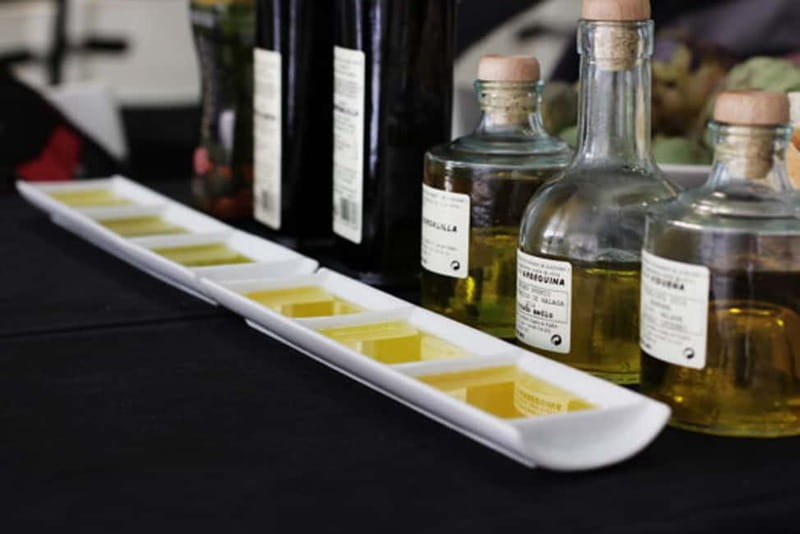
- Olive oil tasting and regional drink pairing with your menu
- Recipe pack included so you can recreate it later
- Apron gift included, so the experience sticks
- Menu may vary for seasonal availability and dietary restrictions
Atarazanas Market walk: where your tapas starts
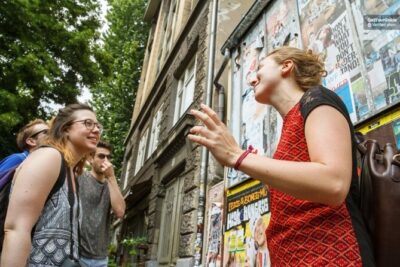
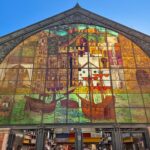
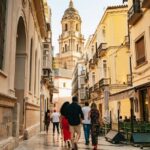
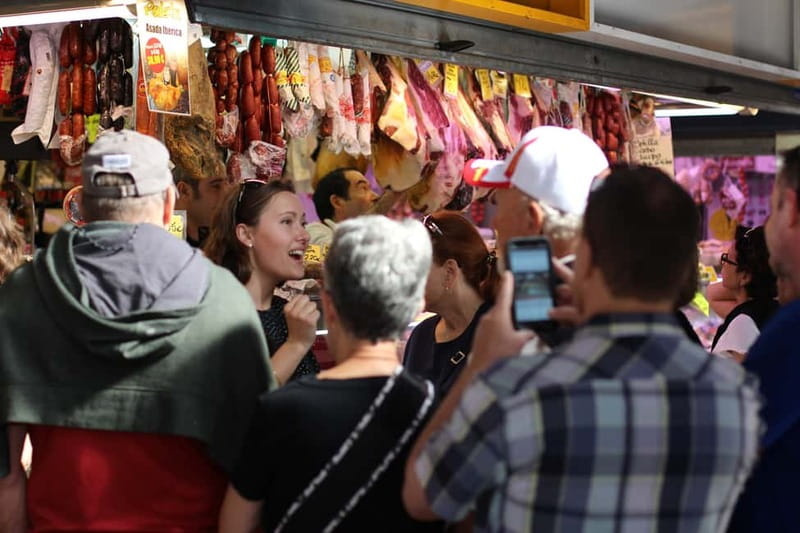
The tour kicks off in Malaga with a short, guided walk to the Atarazanas Food Market, usually on weekday and Saturday mornings. This part matters, because tapas are built on simple, strong ingredients. When you see the food first—fresh produce, seafood counters, and pantry staples—you start cooking with more intent. You’re not just copying steps. You’re learning why certain ingredients show up again and again in Spanish home-style eating.
You’ll also stock up on ingredients as part of the market stage. That gives the cooking portion a nice momentum: you can connect what you bought to what you’ll cook next. It also tends to make the whole group feel more engaged. People relax faster when they’ve already handled the shopping part.
Sunday and evening sessions work differently. The market is closed then, so you skip the market visit and head straight to the kitchen. The idea stays the same—ingredients and technique—but the tour prioritizes time for cooking.
You can also read our reviews of more tours and experiences in Malaga.
Kulinera and the Soho District kitchen setup
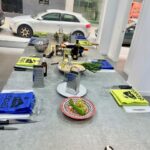
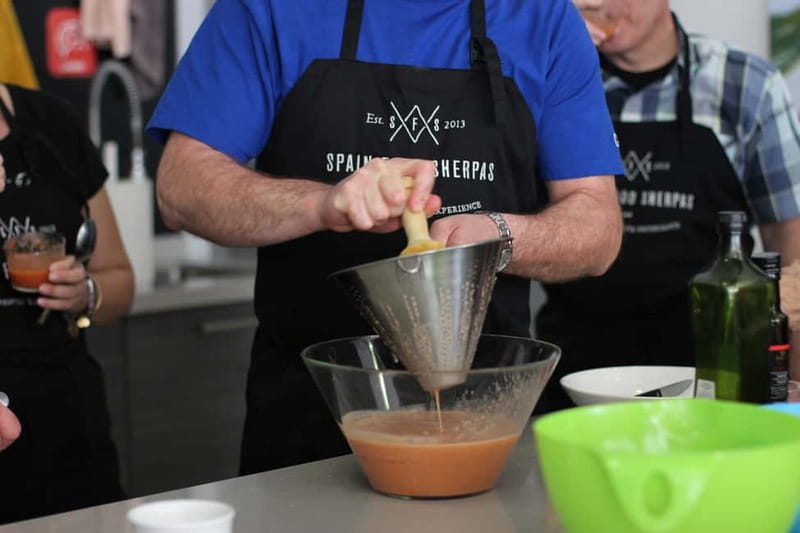
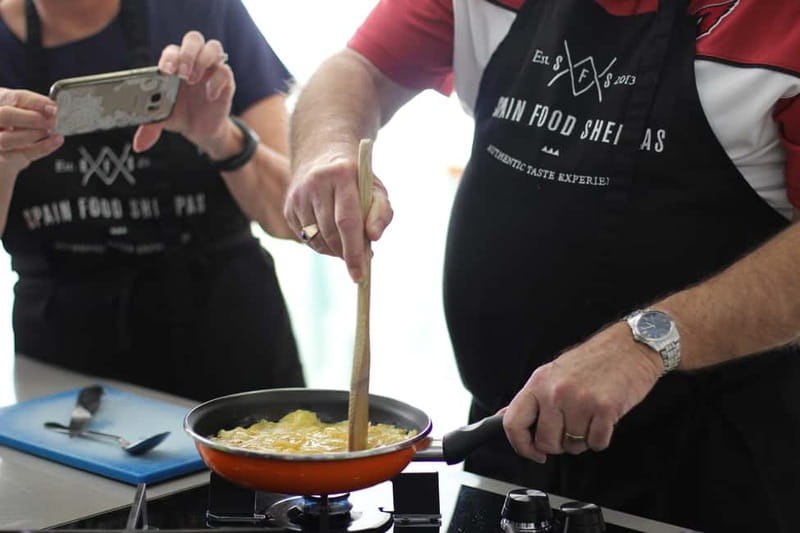
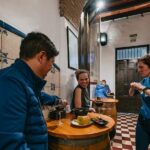
After the market stage (or directly for evening and Sundays), you’ll move to a contemporary kitchen in the Soho District area, in a convenient location near the market. The setting is modern and practical. Expect a workshop vibe, not a formal restaurant setup.
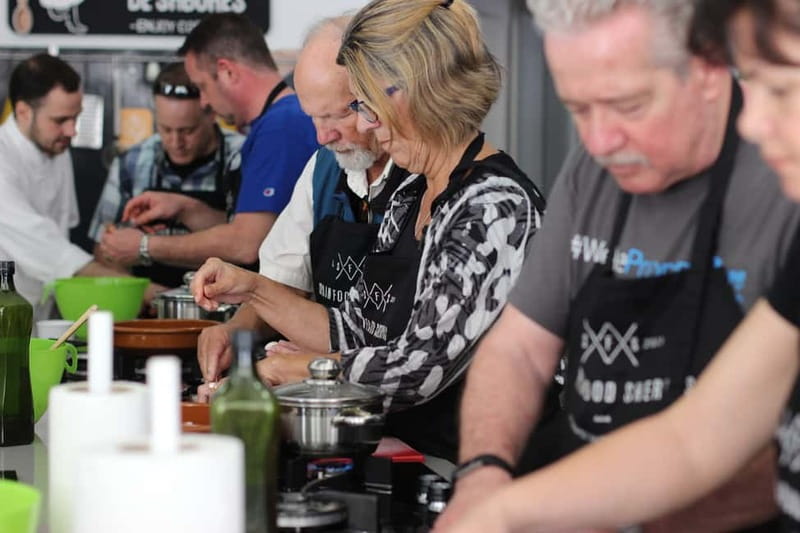
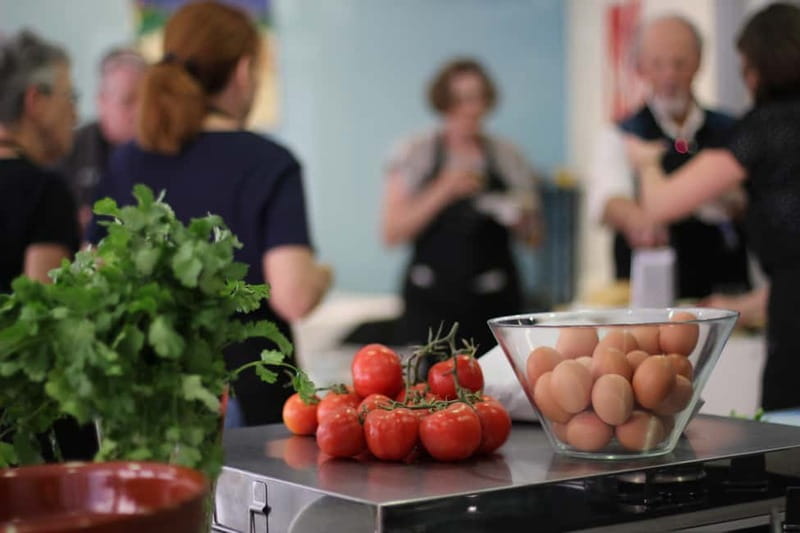
You’ll cook with a professional team that’s described as didactic, enthusiastic, and participatory. In plain terms, they teach you while you work. The goal is not to just watch food happen. It’s to learn how traditional tapas come together in a way that you can repeat at home.
Two practical notes make a difference here:
- You can’t bring luggage or large bags, so pack light.
- The experience runs about 4 hours, so you’ll want to arrive on time and ready to cook.
If you like structure, this format is a good fit. You’ll have clear stages—market/ingredients, then cooking, then eating—and the team keeps everyone moving.
The tapas menu: 4 classics plus churros
The menu is a sample, and it may change based on seasonal availability or dietary restrictions. That flexibility is a genuine benefit. It means you’re more likely to cook with what’s actually good right now in the region, and it increases your odds of finding options that fit your needs.
Here’s what you can expect to cook as part of the included meal:
- Sangría
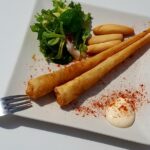
- Fideos tostados (crispy noodles)
- Tortilla de patatas (traditional Spanish omelette)
- Solomillo al Pedro Ximénez (sirloin with Pedro Ximénez sauce)
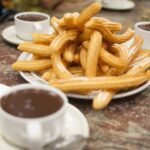
- Churros
What I like about this lineup is the balance. You’re not stuck in one category. You get:
- a drink that sets the tapas tone (sangría),
- something crisp and snacky (fideos tostados),
- a cornerstone tapa-style dish (tortilla de patatas),
- a heartier plate with a distinctive sweet-salty wine sauce (Pedro Ximénez),
- and a classic sweet finish (churros).
Even if you’re not a hardcore cook, this menu teaches variety. You learn how tapas can range from quick bites to more composed dishes, all eaten in a relaxed, shareable way.
What you learn while cooking each tapas
This is the part that turns a food activity into a skill-building experience. You’re not just tasting. You’re learning traditional recipes and how they fit into the tapas culture of sharing and savoring slowly.
For the market stage, the learning is about ingredients. You explore seasonal items and pick what you’ll use. That’s important because tapas aren’t fancy because someone tried hard. They’re good because key ingredients are handled well and treated with respect.
In the kitchen, the learning shifts to technique and teamwork. The team teaches in a didactic, participatory way, which typically means you get both instructions and guided practice. You’ll also receive the recipes, so you can recreate the dishes later instead of hoping you remember everything.
A quick, honest consideration: the experience can feel more hands-on or less hands-on depending on how tasks are assigned. One review noted that the guided tour was interesting, but the cooking portion felt light, with only small prep done while more work was handled by others. My advice: if you want maximum participation, ask early what you should be doing next and volunteer for active tasks during prep.
Olive oil tasting, wine or beer pairing, and the food flow
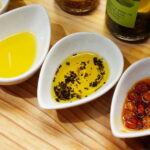
This workshop doesn’t treat drinks like an afterthought. You’ll start with an olive oil tasting, which is a smart move. Olive oil is one of those flavors that shows up everywhere in Andalusian cooking, yet it’s often misunderstood as just something to drizzle. Tasting it in a guided way helps you notice differences and improves your palate for the rest of the meal.
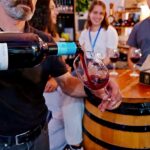
You’ll also enjoy wine or beer paired with your menu. The team selects the pairing, so you don’t have to guess what works with sangría, noodles, tortilla, or the Pedro Ximénez sauce. You get a smoother overall experience, where the drinks make sense with the dishes instead of turning into a separate event.
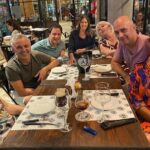
At the end, you eat what you cooked. And because tapas are meant to be shared and savored, the meal naturally feels social and relaxed. That’s a big part of why tapas workshops are worth doing compared to standalone cooking demos.

Price and value: is $94 a fair deal?
At $94 per person for 4 hours, the value is strongest when you look at what’s included, not just the cooking class label.
You get:
- the Atarazanas market visit (or the direct kitchen stage, depending on session time),
- an olive oil tasting,
- sangría plus wine or beer paired with the meal,
- 4 different traditional tapas and churros,
- all the recipes to take home,
- and a special gift: take your apron home.
That bundle is the real selling point. You’re basically getting a guided market experience, hands-on instruction, a full meal, and drinks—all in one package. If you were to recreate this yourself, the cost would quickly spread out across ingredients, a grocery run, and any kind of guided teaching. Here, the price collects it all into one evening or morning slot.
If you’re watching your budget, the only reason to hesitate is if you personally hate group cooking or you’re expecting a highly individual, step-by-step class where you do every task. If you’re okay sharing responsibilities and learning by doing alongside others, the value tends to feel right.
Practical tips so you enjoy the full 4 hours
A tapas workshop goes smoothly when you show up ready. Here are the practical things that help you get the best experience from this format:
- Arrive a few minutes early. The meeting point is the kitchen Kulinera at Av Manuel Agustín Heredia 24. There’s underground parking in front called Parking de La Marina.
- Travel light. Large bags and luggage aren’t allowed.
- If you want hands-on work, ask for it. The cooking portion can vary in how much each person does, so check early and take initiative.
- Pay attention during the olive oil tasting. It’s not just a snack break. It sets your palate for the meal.
- Don’t skip questions. The team is described as friendly and organized, which usually means you can ask about swaps, technique, or how the dishes fit tapas culture.
Also note that sessions run weekday and Saturday mornings for the market, while Sundays and evenings use the kitchen-only approach. If your schedule is flexible, choose the time that matches the format you most want.
Who should book this Malaga tapas workshop?
This is a strong choice if:
- you want the full tapas experience: market + cooking + eating,
- you enjoy traditional Spanish food and want to understand how tapas culture works,
- you like learning from a team rather than just tasting at a restaurant,
- you care about taking recipes home, not just taking photos.
It may be less ideal if you’re looking for a private chef experience or a class where everyone does every single cooking step themselves. If your ideal workshop is totally hands-on and solitary, you might be disappointed. But if you’re happy to cook with others and learn through guided participation, it’s likely to click.
Should you book this tapas cooking workshop in Malaga?
Yes—with the right expectations.
Book it if you want a well-structured 4-hour experience that includes real instruction, a market visit when available, multiple tapas, and drinks paired with what you cook. The repeated praise points to two areas that matter most: a strong market guide and an organized, friendly kitchen experience that turns into a meal you can actually re-create thanks to the recipes.
Skip it only if you know you need a guaranteed high level of individual hands-on cooking. In that case, choose the session that best fits your comfort level, and be ready to volunteer for active prep tasks early.
FAQ
Where is the meeting point?
You’ll meet at the kitchen Kulinera, at Av Manuel Agustín Heredia 24. There is underground parking called Parking de La Marina in front.
How long is the tapas cooking workshop?
The experience lasts about 4 hours.
What dishes are included?
You can expect sangría, fideos tostados (crispy noodles), tortilla de patatas (traditional Spanish omelette), solomillo al Pedro Ximénez (sirloin with Pedro Ximénez sauce), plus churros.
Does the menu ever change?
Yes. The menu is a sample and may vary for seasonal availability or dietary restrictions.
Is there an English guide?
Yes. The live tour guide is in English.
Are drinks included?
Yes. You’ll have sangría, and wine or beer is paired with the menu.