REVIEW · VALENCIA
Any Day is Sunday: Paella Cooking Class with Tapas and Sangria
Book on Viator →Operated by eatwith · Bookable on Viator
Paella starts with a good story. This Valencia class feels like a Sunday at a real kitchen table, with hands-on cooking and small-group attention. I especially liked how Chef José explains the why behind the steps and how the meal keeps flowing with sangría and tapas before the main event. The only thing to consider is that this is a cozy home setup, so it is not the kind of big, ticketed factory-style experience if you want lots of crowd energy.
You’ll work (if you choose) or at least stay close enough to learn as the paella comes together. While the rice cooks, the story turns to the history of rice in Valencia, which makes the final pan feel more meaningful than just food. When it ends, you’re full, confident, and walking away with recipes plus local tips you can actually use.
In This Review
- Key Highlights Worth Booking
- A Sunday-Style Paella Lesson in Chef José’s Home Kitchen
- What You Eat: Sangría, Tapas, Paella, and Local Dessert
- The Paella Part: Techniques, Timing, and the Rice Story
- Hands-On or Watching: How the Class Works for Your Style
- Drinks Beyond Sangría: Wine, Vermouth, and After-Meal Sips
- Dessert in Valencian Language: Orxata Mousse and Farton
- Group Size and Pacing: Why It Feels So Personal
- Where to Meet in Valencia (and How Not to Overthink It)
- Value: Why This Class Can Be a Smart Use of Time
- Who Should Book This Paella Class
- If You Have Food Restrictions, Plan Ahead
- Should You Book Any Day Is Sunday in Valencia?
- FAQ
- What’s included in the meal?
- How long is the experience in Valencia?
- Is the class offered in English?
- How many people are in the group?
- Do I have to cook, or can I watch?
- Where do we meet and when does it start?
- Can I get a refund if I cancel?
Key Highlights Worth Booking
- Chef José’s teaching style: clear steps, patient pacing, and plenty of technique talk
- True Valencian Sunday vibe: sangría, tapas, and paella served family-style, with stories as you cook
- Paella choices: Valencian paella plus options like seafood or vegetarian
- Dessert that tastes local: orxata mousse with a farton-style sweet bread
- You leave prepared: recipe materials and practical local recommendations
A Sunday-Style Paella Lesson in Chef José’s Home Kitchen
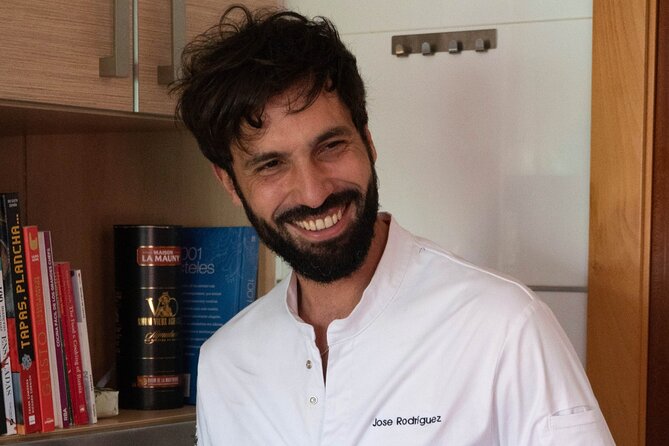
This experience is built around a simple idea: in Valencia, Sundays aren’t just a day on the calendar. They’re for being together, eating well, and sharing the kind of comfort food that makes the whole week feel shorter. Chef José leans into that theme all afternoon, so you’re not just learning how to cook paella—you’re learning what it means to the place.
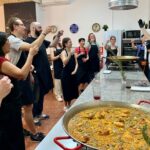
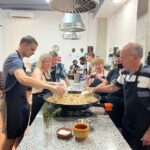
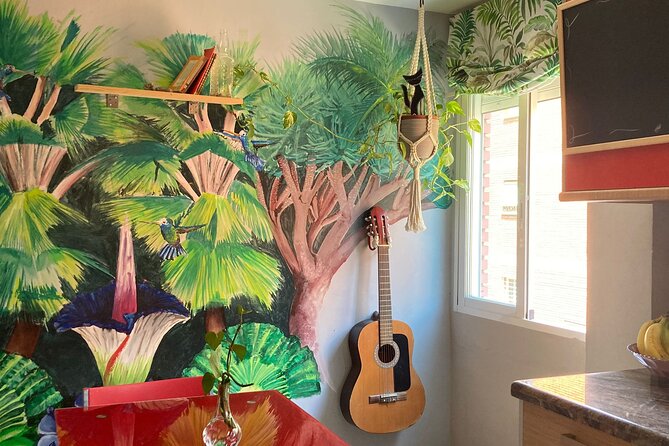
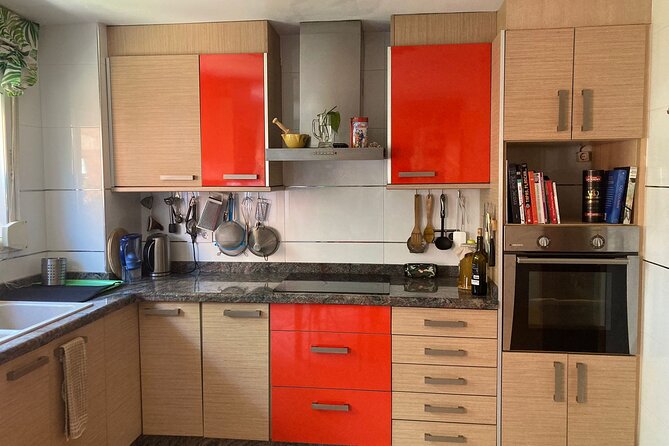
I liked that it stays personal. With a maximum of 4 travelers, you get real interaction instead of watching someone else do everything. And the setting matters: you’re not in a lecture hall. You’re in a home kitchen setup where you can ask questions and follow along step by step.
The pace also feels un-rushed. The class is about 3 hours, and it’s long enough for you to get involved, understand the flow of cooking, and sit down to actually enjoy what you make. If you’re hoping for a quick snack-and-run tour, this won’t be that.
You can also read our reviews of more tours and experiences in Valencia.


What You Eat: Sangría, Tapas, Paella, and Local Dessert
The menu reads like a Sunday gathering, starting with a drink and building into the full meal.
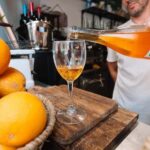
Sangría kicks things off, made with wine and seasonal fruit, including oranges and lemons. It’s a classic introduction, but it also sets the tone: relax, snack, and settle into the kitchen routine before the paella starts.
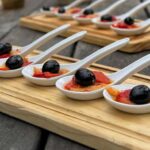
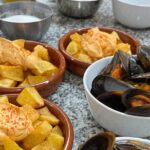
Then come the two tapas choices. You’ll typically pick from options such as:
- Octopus with potato and sweet paprika
- Crispy toasts with iberian ham and grated tomato
- Corn toast with smoked sardine, cream cheese, and aromatic herbs
One nice detail: you’re not stuck with a generic tapas plate. The variety helps you see how Valencian food can shift from seafood to pork to vegetables and bread textures.
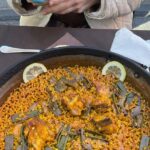
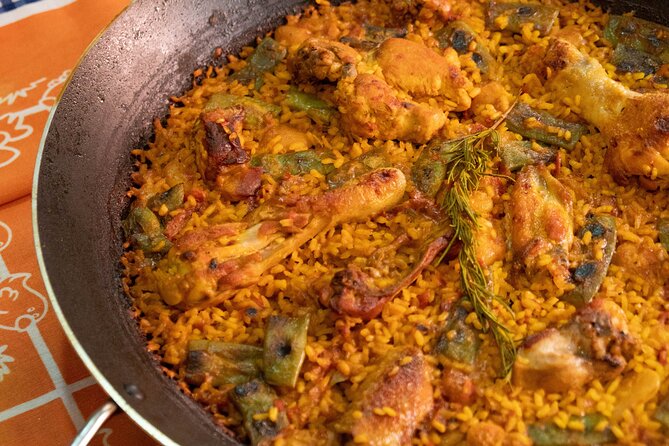
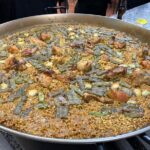
The main event is Paella Valenciana, with options if you’d rather do something else, like seafood paella or vegetarian paella. Chef José’s focus is on making it the right way for Valencian tradition, and you’ll learn the sequence of steps so it’s not just a recipe—you understand what to do during each phase.
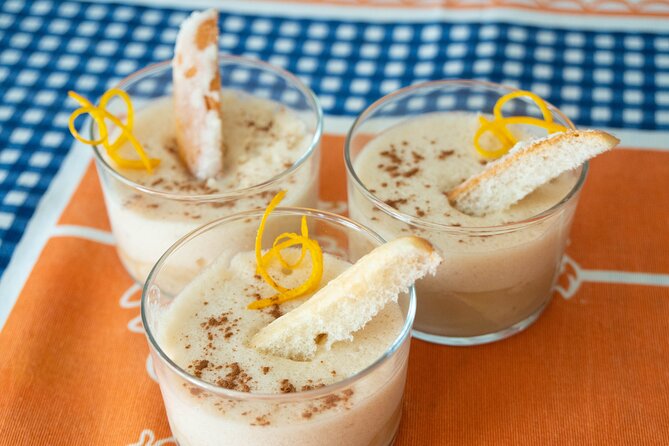
Finally, dessert is orxata mousse paired with a farton (a sweet, brioche-like bread). If you know orxata already, you’ll recognize the flavor family. If you don’t, expect a refreshing finish that feels more local than standard chocolate-and-ice-cream fare.
The Paella Part: Techniques, Timing, and the Rice Story
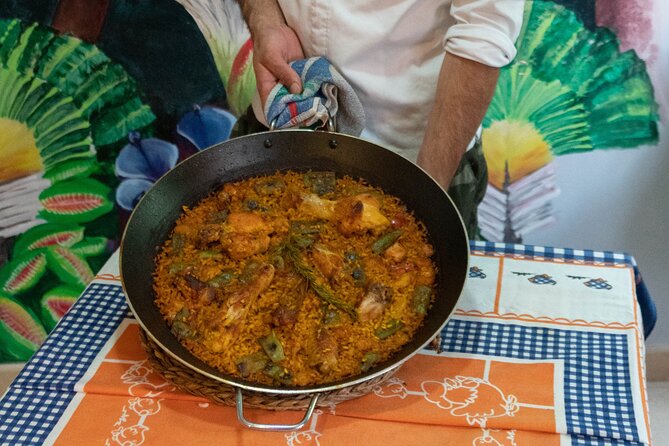
Paella can look simple from the outside. But it’s one of those dishes where a few small choices make the difference between good and memorable. Chef José teaches this like a craft, not a cheat sheet.
As your paella cooks, he shares the history of rice in Valencia. That detail sounds academic until you’re standing right there while the pan does its thing. Suddenly the lesson becomes practical: you’re paying attention to why rice matters to this region and how it shapes the food identity of Valencia.
From the reviews, one of the strongest themes is how clearly José breaks down the steps and how patient he is while people work. Some people in the class even got to cook their first paella with help, including a parent-and-teen dynamic where the instructor stayed encouraging. That tells me this experience is built for learning, not for performance.
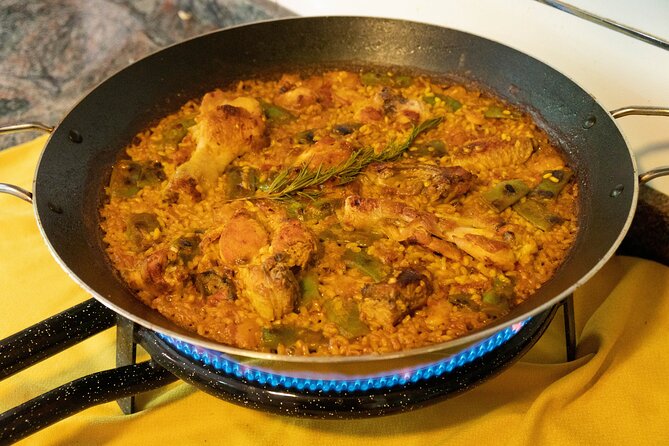
You should also expect a bit of variety in how the class is executed. One session described paella with rabbit and chicken, while the menu option is framed as Paella Valenciana and also includes alternatives like seafood or vegetarian. So you’ll be following a Valencian approach either way, but the exact components can vary depending on what version you choose.
Hands-On or Watching: How the Class Works for Your Style
This is a class where you can get involved. Many people come specifically because they want to chop, stir, and do the cooking. With Chef José, the hands-on option feels natural because the group is so small.
That said, not everyone wants to stand at the stove the entire time. One review mentioned that the group was offered a choice, with some people choosing to watch instead of cook. If you’re traveling with someone who prefers watching or you’d rather handle only part of the process, the format can fit better than larger classes where everyone gets rushed into the same role.
Language is another factor. The experience is offered in English, and multiple reviews highlighted that José’s English is strong. If you speak a little Spanish, you’ll likely hear more local food talk too, since he shares stories about Valencia and its culinary culture.
Drinks Beyond Sangría: Wine, Vermouth, and After-Meal Sips
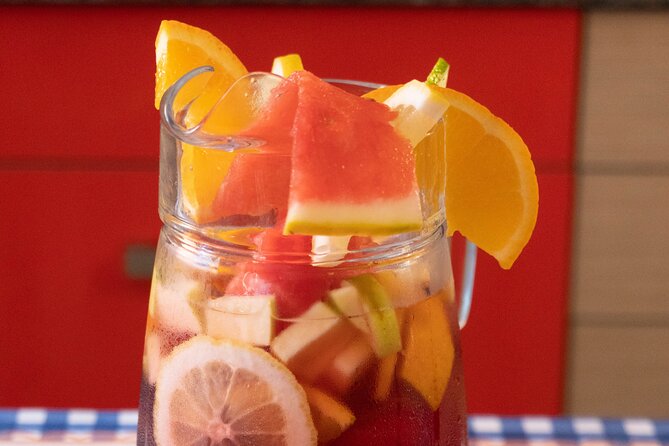
The basics are clear: sangría and alcoholic beverages are included. In practice, the class can also expand into other drink moments that make it feel like a full-length meal rather than a short cooking demo.
Some reviews mentioned starting with vermouth before the sangría. Others included wine options like red or white with the meal, and an end-of-class touch with moscatel and traditional coffee. None of that is listed in the simplified menu, so treat it as a bonus that may appear depending on the flow of the day.
Even if you stick to the menu items, you’re still covered: you get the sangría start, the tapas alongside it, then paella, then the orxata mousse finish. Drinks are part of the schedule, not an add-on.
Dessert in Valencian Language: Orxata Mousse and Farton
Orxata in Valencia isn’t just a drink you order. It’s a flavor identity. It shows up in sweets, and here you get it in dessert form: orxata mousse served with farton.
What I like about this ending is that it’s different from most cooking classes. You’re not finishing with something generic. You’re finishing with a Valencian ingredient in a format that feels like a real meal closure. The farton pairing also matters because it gives you a sweet, soft bread element that complements the mousse.
If you want to taste Valencia beyond the big headline dish, this is a satisfying way to do it without extra planning.
Group Size and Pacing: Why It Feels So Personal
A big reason this class earns top marks is the way it handles attention. With a maximum of 4 people, Chef José can explain steps, correct technique, and answer questions without speaking to a wall of strangers.
You also get time. Many people mention the experience is not rushed. You’ll have enough time to cook, eat, and ask follow-ups while the paella is cooking and the kitchen atmosphere stays relaxed.
This matters for your learning too. In a larger group, you might barely get a chance to touch the food. Here, you’re part of the process—or at least close enough to learn it step by step.
Where to Meet in Valencia (and How Not to Overthink It)
Meeting point is Carrer de Guillem de Castro, 46003 València, Valencia, Spain, and the start time is 11:00 am. The class ends back at the meeting point.
One practical note: the full address is provided on your confirmation voucher under a before you go section. That means you shouldn’t arrive expecting to know the exact door without the voucher details. Once you have it, you can follow it without stress.
Because the meeting point is near public transportation, you can likely connect from central Valencia without needing a car. Still, plan a little buffer time so you’re not rushed right at start.
Value: Why This Class Can Be a Smart Use of Time
This isn’t just a single-dish tasting. You’re getting a full food arc: sangría, two tapas, paella (with options), dessert, and alcoholic beverages included. Add in the recipe materials to take home and local tips and recommendations, and the lesson becomes useful for the trip and beyond.
I also think the small-group format is part of the value. You’re paying for instruction, not just food. If you’ve ever done a cooking class where you feel like an observer even though you paid, you’ll appreciate how this one supports participation. Even the people who chose to watch still got enough interaction to learn.
If you like cooking, this is one of the best ways to leave with skills instead of only photos. If you don’t cook much, it’s still a great deal because you get a clear sense of how Valencian flavors fit together.
Who Should Book This Paella Class
This suits you if:
- You want hands-on cooking in a small group, not a big multi-language crowd
- You care about Valencian food culture, not only paella as a trophy dish
- You like learning from a chef with stories about ingredients and regional context
- You want recipes and practical recommendations for later
It might be less ideal if you dislike home-kitchen settings or you want a highly formal, restaurant-style experience. Also, you’ll want to plan for a 3-hour block, since the schedule is built like a proper Sunday meal.
If You Have Food Restrictions, Plan Ahead
You need to communicate any food restrictions at booking—especially allergies or special diets. The course depends on the meal you’ll cook and eat, so give details early so the chef can adjust. If you’re unsure what counts as a restriction, it’s better to ask before you arrive than to hope something can be improvised.
Should You Book Any Day Is Sunday in Valencia?
If you want a paella lesson that feels like a real Sunday meal in Valencia, I’d book this. The combination of small-group attention, Chef José’s clear instruction, and a menu that moves from sangría and tapas to paella and orxata mousse makes it feel complete.
Book it now if you fit the learning style: you want to cook, ask questions, and eat what you make. Skip it if you only want a quick taste or you prefer large-group experiences with a busier atmosphere.
FAQ
What’s included in the meal?
You’ll get sangría, two tapas (from the listed options), paella (Paella Valenciana, with choices for seafood or vegetarian), and orxata mousse with farton. Alcoholic beverages are included, and you’ll receive recipes to take home along with local tips and recommendations.
How long is the experience in Valencia?
It runs about 3 hours.
Is the class offered in English?
Yes, it’s offered in English.
How many people are in the group?
The experience has a maximum of 4 travelers.
Do I have to cook, or can I watch?
The experience is set up for hands-on participation, and some people in the class choose to participate more than others. If you prefer to watch, it’s worth discussing your preference ahead of time.
Where do we meet and when does it start?
You meet at Carrer de Guillem de Castro, 46003 València, Spain, and it starts at 11:00 am. The full address for the activity is shared on your confirmation voucher, and you’ll return to the meeting point at the end.
Can I get a refund if I cancel?
Yes. You can cancel for free up to 24 hours before the experience starts for a full refund. If you cancel less than 24 hours before start time, the amount paid is not refunded.