REVIEW · BARCELONA
Barcelona Food Tour: Tapas, Paella, Sangria & 8+ Local Tastings
Book on Viator →Operated by Secret Food Tours · Bookable on Viator
A food tour that walks you through Barcelona’s taste map. This one combines tapas, paella, and sangria with neighborhood context, plus a guide who helps with menu translation and the day-of secret dish reveal. If you end up with a guide like Jordi, you’ll also get a friendly local voice and practical food stops you can actually find again later.
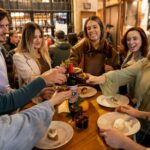
I love that it’s built for real food people, with multiple bites (pastry, cheeses, ham, tapas variety) and a proper sit-down highlight in the mix. I also like the small-group setup (up to 12) and the way the experience ties food to places, not just plates.
One thing to consider: it’s a fair amount of walking, and the coastal finale in La Barceloneta can feel like a lot at the end of the meal run. Wear comfortable shoes, and if you have strong preferences (or avoid certain foods), message your dietary needs in advance.
In This Review
- Key takeaways before you book
- Plaça de Ramon Berenguer el Gran: the warm start
- Gothic Quarter and Catedral cloister: geese, Saint Eulàlia, and a quiet pause
- El Born: where narrow streets turn into tapas territory
- Mercat de Santa Caterina: shop like locals, then taste like locals
- Tapas run: pastry, cheeses, cured meats, and the flavor plan
- Paella and sangria: the main event without the fuss
- The secret dish reveal: why you’ll remember this one
- La Barceloneta finish by the sea: long, satisfying, and food-first
- Price and value: what $117.30 buys you in real time
- Walking pace and comfort: how to plan your day
- Who this Barcelona tapas, paella, and sangria tour fits best
- Should you book this tour?
- FAQ
- How long is the Barcelona food tour?
- What kind of walking should I expect?
- Is the tour offered in English?
- What food and drinks are included?
- Do I need hotel pickup and drop-off?
- Where does the tour start and end?
- Can I cancel for a full refund?
- What if I have dietary requirements?
Key takeaways before you book
- Small-group size (up to 12): you get easier pacing and more time for questions.
- English-friendly menu help: the guide translates what matters so you can order without stress.
- Day-of secret dish: you won’t know the final special bite until you’re there.
- Neighborhood sweep: Gothic Quarter to El Born to the sea at La Barceloneta.
- Market stop included: Mercat de Santa Caterina adds context, smells, and “what locals buy” energy.
- Food-and-drink focus: tapas, paella, and sangria are core, not side quests.
Plaça de Ramon Berenguer el Gran: the warm start
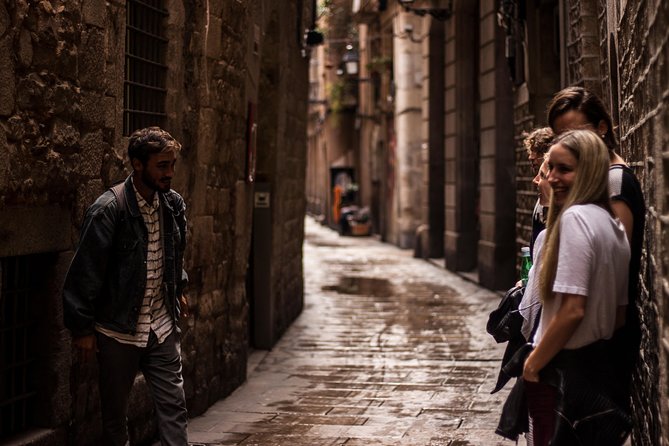
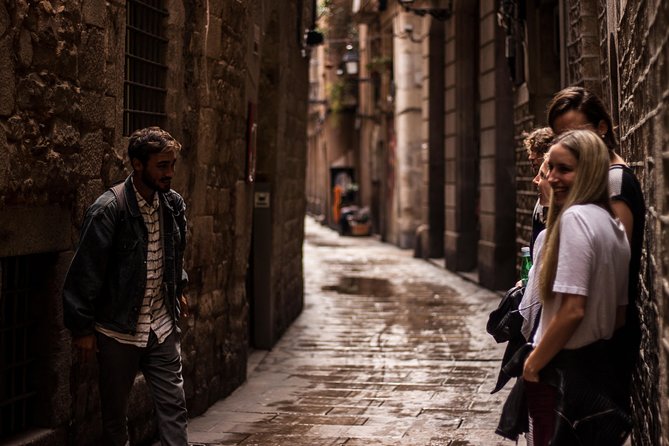
The tour kicks off at Plaça de Ramon Berenguer el Gran in Ciutat Vella. It’s a solid first step because you’re already in the part of Barcelona where old streets feel like they’ve been here forever. More practically, starting in the center keeps the whole plan from feeling like a long commute.
From the start, your guide frames the day as a walk you can use on your own afterward. That matters. A good food tour shouldn’t just be eating in the dark—it should help you understand what to look for when you’re deciding where to eat next.
What you’ll notice fast: the tour is structured around quick introductions, short walking links, and frequent bites, so you’re never just standing around waiting for the next stop.
You can also read our reviews of more tours and experiences in Barcelona.


Gothic Quarter and Catedral cloister: geese, Saint Eulàlia, and a quiet pause
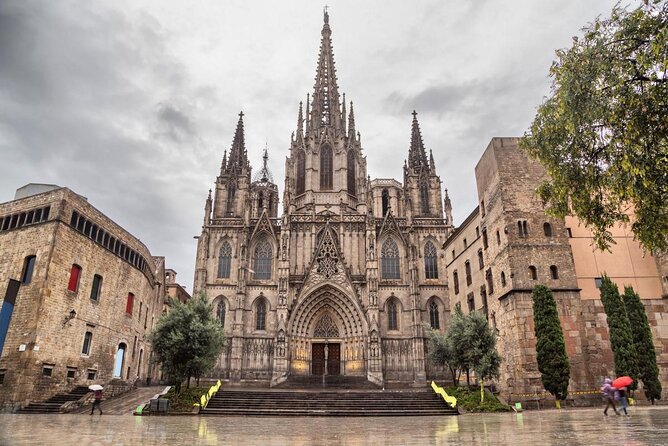
Next you’re at the Catedral de la Santa Creu i Santa Eulàlia, right in the Gothic Quarter. The cathedral is famous for its ornate facade and long build time—six centuries to complete. But the star moment here is more human and less postcard-perfect: a secluded cloister where thirteen white geese live as a living tribute connected to Saint Eulàlia, the city’s co-patron.
This stop is only about 15 minutes and the cathedral itself isn’t included, so think of it as a short cultural reset that makes the food stops feel grounded. You’re in the oldest-feeling streets, then you move on with a better sense of why the neighborhoods look and feel the way they do.
Practical tip: if you’re sensitive to walking (or just want to conserve energy for later eating), this is one of those “short and worth it” moments—take the quick look and save your energy for El Born and the market.
El Born: where narrow streets turn into tapas territory
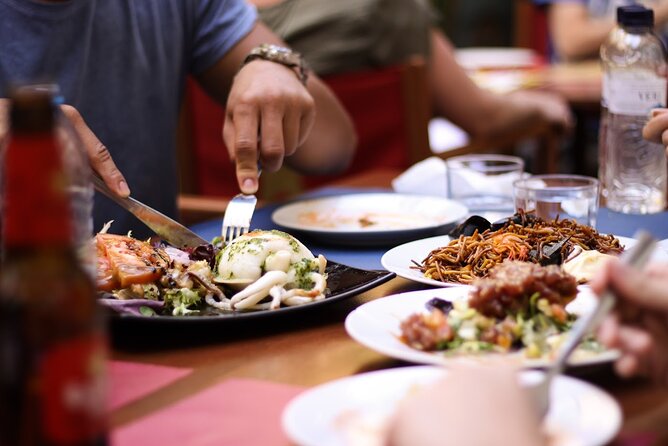
After the cathedral area, you head into El Born, one of Barcelona’s most fun neighborhoods to explore on foot. The streets are narrow and winding, and the center is anchored by Santa Maria del Mar, a strong example of Catalan Gothic style. That architectural anchor matters because it gives you a sense of place while you’re moving from one food stop to the next.
In El Born, your food tour experience works on two levels:
- By day, it’s cultural and shop-focused.
- By night, it leans into tapas bars and cocktail-lounge energy.
This is exactly where I’d want a food tour to steer you. You get the feeling of a real neighborhood—not just a single “tourist restaurant” stop.
What you can expect from the guide here: menu translation help and quick explanations for what you’re tasting and why it fits the neighborhood’s food habits. If you enjoy learning just enough to feel confident ordering later, this part does that well.
Mercat de Santa Caterina: shop like locals, then taste like locals
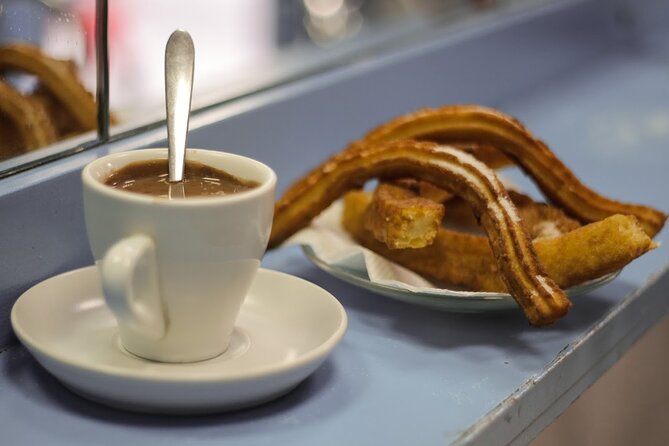
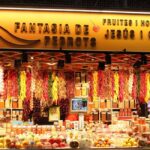
Then comes Mercat de Santa Caterina, a modern food market with standout architecture and lots of stall energy. This is a big value moment because markets teach you something restaurants don’t: what people buy regularly and how ingredients look when they’re fresh.
The stalls cover fresh produce, meats, and fish, plus Catalan and Mediterranean ingredients. Even if you’re not buying anything, you’ll still get the “eyes-on sourcing” benefit. That’s useful on your own trip because Barcelona is a city where where you eat matters.
Why this stop is more than sightseeing: it ties your later tastings to real ingredient choices. When you’ve seen the ingredients in the market context, tapas and cheese selections later on make more sense.
Small caution: markets can be busy and a bit chaotic. The tour pacing is meant to keep it easy, but if you don’t like crowds, keep your expectations flexible and let the guide lead.
Tapas run: pastry, cheeses, cured meats, and the flavor plan
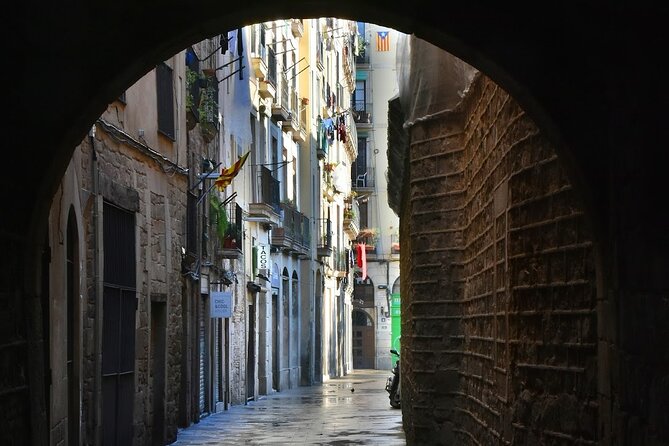
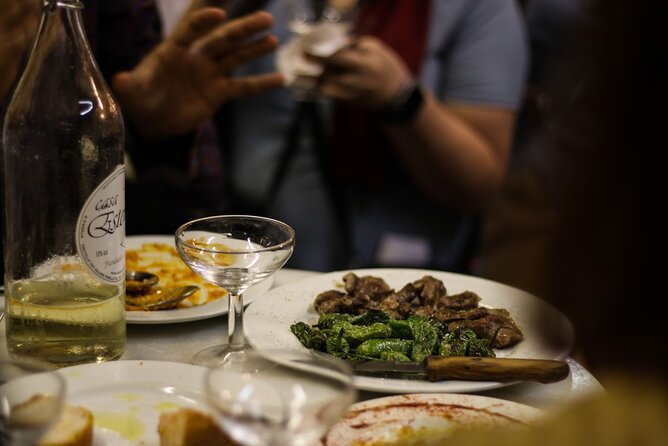
Food finally takes the lead, and this is where the tour earns its reputation. Included tastings are built around classic Catalan and Spanish favorites:
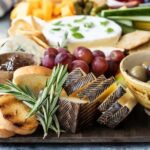
- Catalonian pastry
- Spanish cheeses
- Finest ham and cured sausages
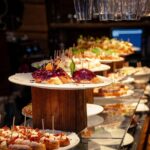
- A delicious variety of tapas
And it’s not just “a little of everything.” The intention is to give you a spread of textures and flavors—creamy, salty, cured, and snackable—so you can start recognizing what you like. That’s especially helpful if you’re new to Spanish tapas culture.
A key detail: no language barriers. Your guide translates menu items, so you’re not stuck guessing what something is. You can focus on taste, not decoding.
If you’re a cheese or cured-meat fan, this is one of the better ways to start. You get multiple bites that show what locals treat as everyday delicious, not special-occasion food.


Paella and sangria: the main event without the fuss
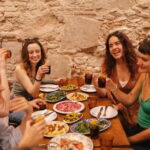
Paella and sangria are included as major highlights. This is the kind of meal experience most people want—but it’s also where a normal restaurant plan can go sideways. You might end up in a place that’s pretty but not great, or you might spend time figuring out ordering while everyone else is already eating.
On this tour, that uncertainty is reduced because the food plan is already matched to the places you’re walking through. You get a focused chance to try a proper paella portion and pair it with sangria.
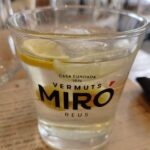
One extra thing to keep in mind: sangria is part of the offering, and there’s evidence the tour can handle special needs around it (like accommodating an underage guest in terms of sangria). If your group includes kids or anyone avoiding alcohol, contact the tour in advance so the guide can plan accordingly.
The secret dish reveal: why you’ll remember this one
One of the most fun parts is that you don’t know the full final twist ahead of time. The tour includes a secret dish, and the highlights specifically call out that you find out on the day of the tour.
That kind of surprise does two things:
- It keeps the day from feeling like a checklist.
- It gives your taste buds a reason to stay alert at the end—when food tours sometimes lose steam.
I like it because it turns the last part of the meal run into a moment instead of just another stop. If you’re the type who wants a clear plan, this might feel unusual. But if you want one memorable surprise to offset the predictability of eating itinerary-style, it’s a winner.
La Barceloneta finish by the sea: long, satisfying, and food-first
The last big portion is La Barceloneta, the coastal neighborhood known for maritime charm and sandy beach energy. It started as a fishermen’s quarter, and the streets still feel like a working-class cousin to the city’s more polished areas.
This stop is a longer one—about 1 hour 30 minutes—and that’s important. By the time you reach the coast, you’re likely already full from earlier tastings, so this part works best if you pace yourself and treat it as the final landing: eat, drink, and slow down with the sea atmosphere.
Also, La Barceloneta is renowned for seafood restaurants, which means the food direction at this stage can be more sea-forward than elsewhere in the tour. If you love seafood, you’ll likely feel right at home. If you don’t, you’ll want to flag preferences early so the guide can steer you toward what fits your taste.
End point: the tour ends at the end of Almiral Cervera street, about 400 meters from Barceloneta metro stop (Line 4). If you’re planning the rest of your evening, it’s a convenient coast-side finish rather than a return to the far center.
Price and value: what $117.30 buys you in real time
At $117.30 per person for about 3 hours, you’re paying for more than “food.” You’re paying for:
- guided navigation through multiple neighborhoods,
- menu translation so you can actually choose with confidence,
- a market stop (which adds ingredient context),
- a spread of included tastings plus paella and sangria,
- and a small-group experience capped at 12.
If you were to do this on your own, you’d spend time figuring out where to go, which spots are worth it, and how to order without wasting money. This tour compresses that decision-making.
The value works best if you’re hungry (and enjoy tasting many smaller items). If you only want one big meal and don’t care about the rest, a tour like this can feel like more effort than you need. But for food-first travelers who also like neighborhood context, it’s a strong deal for Barcelona.
Walking pace and comfort: how to plan your day
This is a walking tour with a fair amount of movement, so comfortable shoes are not optional. The route links three key areas—Gothic Quarter, El Born, and La Barceloneta—and the distances add up even if each segment is short.
Also, since it’s about 3 hours total and ends near the sea, I’d plan to schedule it earlier in your food day. You’ll be fed and ready to explore afterward, rather than trying to squeeze it between two heavy reservations.
If you have dietary requirements, contact the team ahead of time so they can cater as well as possible. The tour explicitly asks you to reach out for dietary needs, which is a good sign. Don’t wait until the day-of.
Who this Barcelona tapas, paella, and sangria tour fits best
This tour is especially suited for:
- foodies who want Catalan classics without menu stress,
- first-timers who want a fast neighborhood intro (Gothic Quarter → El Born → beach),
- groups who like meeting a small set of fellow travelers (max 12),
- and anyone who benefits from a local guide who can translate and explain what you’re eating.
It’s less ideal if:
- you hate walking,
- you want a very quiet, sit-down-only experience,
- or you’re very picky and don’t want surprise elements like the secret dish.
Should you book this tour?
I’d book it if you want the practical version of a Barcelona food experience: tastings that make sense together, an English-friendly guide, and a route that shows you where locals actually spend time and money. The small-group size and the strong food focus are the big reasons it works.
Skip it if you only want one meal and don’t care about markets, neighborhoods, or a spread of tapas-style bites. Also, if seafood isn’t your thing, tell the guide early so the coastal ending doesn’t feel mismatched.
If your goal is to leave Barcelona with both full stomach energy and a better sense of where to eat next, this tour is a smart start.
FAQ
How long is the Barcelona food tour?
It runs for about 3 hours.
What kind of walking should I expect?
There is a fair amount of walking, so comfortable shoes are recommended.
Is the tour offered in English?
Yes. The tour is offered in English, and the guide helps translate menu items.
What food and drinks are included?
You can expect Catalonian pastry, Spanish cheeses, ham and cured sausages, a variety of tapas, paella, and sangria, plus a secret dish. Depending on the day, additional items can include things like churros, anchovies, olives, crisps, pintxos, calçots, and wine.
Do I need hotel pickup and drop-off?
No. There is no hotel pickup or drop-off.
Where does the tour start and end?
It starts at Plaça de Ramon Berenguer el Gran in Ciutat Vella, and ends at Pg Marítim-Almirall Cervera, near the end of Almiral Cervera street (about 400 meters from Barceloneta metro stop, Line 4).
Can I cancel for a full refund?
Yes. You can cancel up to 24 hours before the experience for a full refund.
What if I have dietary requirements?
You should contact the tour in advance about any dietary requirements so they can cater for you as well as possible.