REVIEW · BARCELONA
Barcelona Tapas Cooking & Cocktail Class with Veronique & Mattias
Book on Viator →Operated by Traveling Spoon · Bookable on Viator
Your best Barcelona meal might be made by you. This is a private, hands-on tapas cooking and cocktail class in Veronique’s home, with lessons led by Veronique plus Mattias and Stefano. You’ll learn practical recipes like tuna tartare and lemon aioli, then mix classic Spanish drinks such as Tinto de Verano and an Albahaca Smash you can recreate long after you leave. One thing to plan for: there’s no hotel pickup, so you’ll need to get yourself to the meeting point in Ciutat Vella.
Expect to eat what you make, and you’ll likely come away with more than recipes—you’ll leave with a feel for how locals shop and talk food. The only real drawback is that the menu can shift by season, so don’t count on every exact item being the same on your day.
In This Review
- Key reasons this class is worth your time
- Tapas in Veronique’s home kitchen: the small decisions that make it taste right
- Mattias and Tinto de Verano: sweet vermouth, spice, and lemon that wastes nothing
- Stefano’s Albahaca Smash: basil, gin, and a lemon-forward finish
- The meal you cook: modern Spanish plates plus flan for dessert
- The Santa Caterina Market option: 30 minutes to learn how to shop
- Private and small-group energy: why it feels personal
- Price and timing: what you’re paying for (and what to watch)
- Dietary needs and allergies: what to tell the hosts early
- Who should book this Barcelona tapas and cocktail class
- Should you book it or skip it?
- FAQ
- How long is the Barcelona Tapas Cooking & Cocktail Class?
- Is this experience private?
- Where do we meet for the class?
- What language is the class offered in?
- Is there an option to visit Santa Caterina Market?
- What tapas and drinks will we make?
- Can the hosts accommodate dietary restrictions?
- What is the cancellation policy?
Key reasons this class is worth your time
- A real home kitchen with true hands-on cooking, not a distant demo
- Three hosts who each teach something specific: tapas, Tinto de Verano, and the Albahaca Smash
- Cocktails are part of the lesson, not just a sip at the end
- You eat a modern Spanish meal together right after cooking
- Optional Santa Caterina Market add-on (about 30 minutes, guided)
- Dietary needs can be supported if you tell the hosts in advance
Tapas in Veronique’s home kitchen: the small decisions that make it taste right
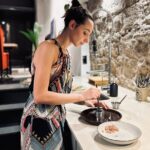
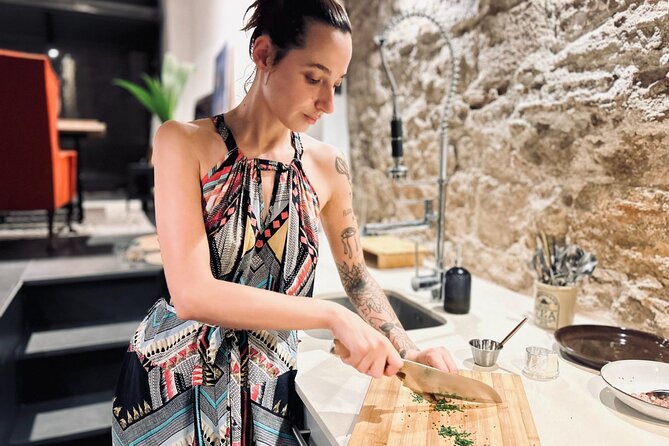
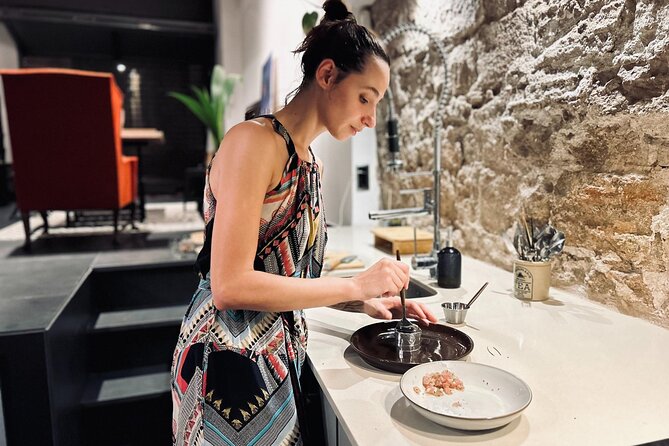
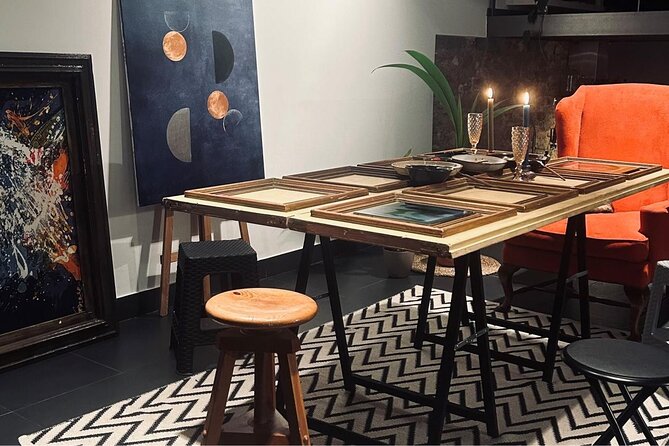
This class starts in Carrer d’En Cortines in Ciutat Vella, at Veronique’s home kitchen. You’ll be cooking with your group, working at the counter and getting direct guidance while you prep and assemble tapas. That matters because good tapas is all about small moves: texture, balance, and getting the sauce right.
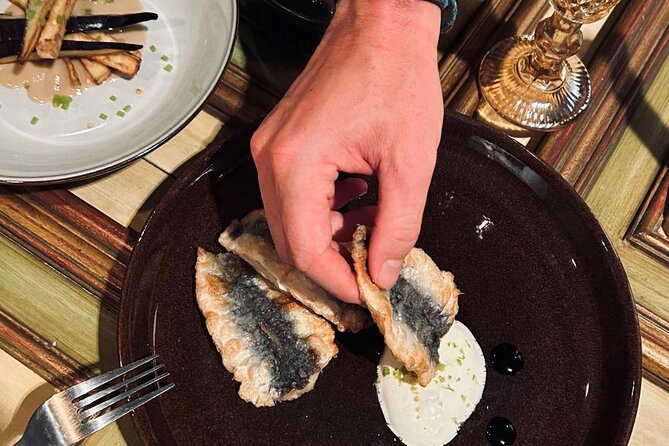
The kinds of dishes you learn are designed to teach real technique, not just “follow this step and hope.” On the sample menu, expect tapas like tuna tartare with romesco sauce, tempura sardines with lime sauce and balsamic reduction, and tomatoes and watermelon carpaccio with feta, herbs, and that sweet-salty snap Barcelona is good at. You may also make things like crispy eggplant with sweet chili and tahini sauce and asparagus salad with pickled radishes, which are the sort of combinations that make a simple dinner feel like a celebration.
And yes, this is the big value: you don’t just snack. You learn how the components come together—crisp vs. creamy, acidic vs. rich—so you can shop for similar ingredients later and cook with confidence at home. If you’ve ever tried copying a tapas recipe after a trip and ended up with something bland or mismatched, this format is built to prevent that.
A practical note: the menu may vary by season, so your exact lineup could change. The core idea stays the same: hands-on tapas that reflect what’s coming from the market.
You can also read our reviews of more tours and experiences in Barcelona.



Mattias and Tinto de Verano: sweet vermouth, spice, and lemon that wastes nothing
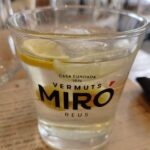
After tapas prep, you head into the cocktail part with Mattias, focusing on a Spain classic: Tinto de Verano. You’ll learn a version built around sweet vermouth, seasonal spices, and zero-waste lemon cordial. That last part is the kind of detail that sounds small until you realize it changes how the drink tastes.
Why it’s worth your attention: Tinto de Verano can be made in many ways, but the best versions have a clear flavor line—sweet, tart, and spiced—without tasting like shortcuts. By learning how a lemon cordial is built (rather than just squeezing juice and calling it a day), you’ll understand what to aim for when you remake it.
You’ll also be able to connect the drink to the food you’re making. Spiced notes and lemon brightness are exactly what keep rich tapas from feeling heavy. So even if you don’t call it “food and drink pairing,” that’s what’s happening on the table.
Stefano’s Albahaca Smash: basil, gin, and a lemon-forward finish
Next up is Stefano teaching the Albahaca Smash, a refreshing gin and basil cocktail with bright lemon notes. If you’re the type who normally orders cocktails with a strong herb profile, this will click fast. Basil can go two directions—flat and green, or fragrant and layered—and the “smash” style is about getting the herb to show up clearly.
From a practical standpoint, this lesson is useful because it teaches you how to balance a drink that relies on fresh flavors. You’ll learn how lemon and basil work together, and how the final drink should feel: crisp, cooling, and not overly sweet.
Then, after everything is cooked and mixed, you’ll get to enjoy those cocktails with the meal you helped create. In other words, you’re not just performing a recipe. You’re tasting how the flavors work once they’re on the plate.
The meal you cook: modern Spanish plates plus flan for dessert
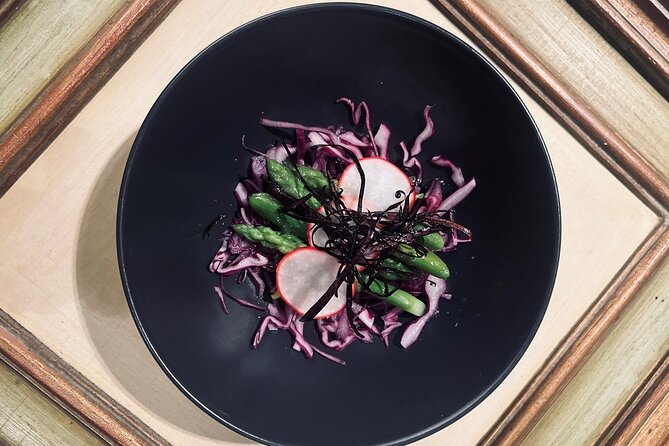
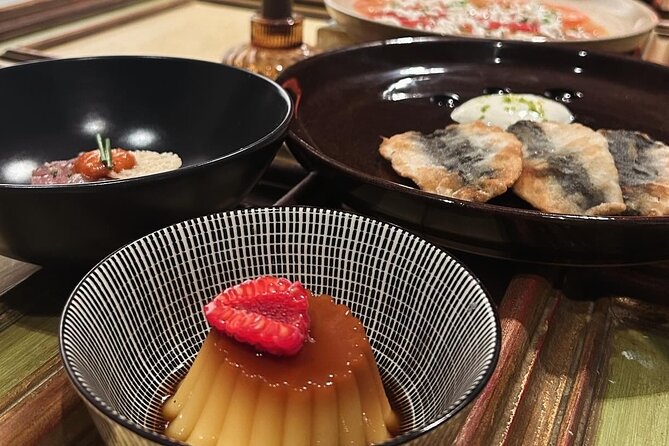
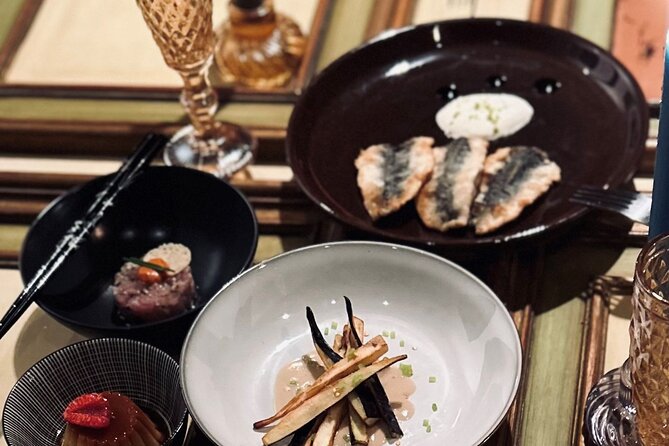
Once the cooking and cocktail making wraps, you sit down for a homecooked meal you prepared together. The sample menu includes a nice range of textures and colors, which is exactly what makes a Spanish tapas-style meal feel satisfying even when you’re eating “a little of everything.”
You might start with a mix like:
- Tuna tartare with romesco sauce
- Tempura sardines with lime sauce and balsamic reduction
- Tomato and watermelon carpaccio with feta crumble and herbs
- Crispy eggplant with sweet chili and tahini
- Asparagus salad with pickled radishes
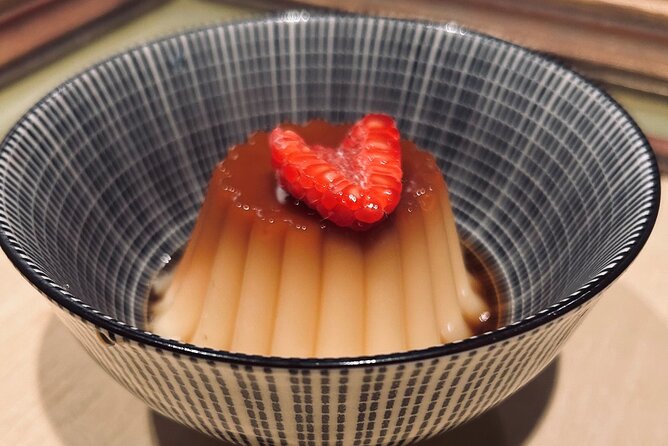
Then dessert is creme caramel flan with seasonal fruits. And the best part for value: you’re also getting two cocktails as part of the experience.
I like this format because it keeps the class moving. You get enough structure to learn without feeling like you spent three hours trapped in the prep phase. You also get to taste what you made while it’s still at its best.
The Santa Caterina Market option: 30 minutes to learn how to shop
If you add the optional market time, you’ll get a guided, 30-minute visit to Santa Caterina Market, about five minutes away. You’re not getting a long wandering tour. You’re getting a short ingredient-focused walk, and that’s often smarter for most schedules.
Veronique uses this time to introduce local ingredients, so the lesson in the kitchen doesn’t feel random. Market exposure also helps you understand why certain pairings work in Catalonia and why the drinks and toppings feel “correct” together. You’ll see seafood, produce, and regional specialties—enough to build context for what you’re eating later.
This add-on is especially worth it if you enjoy learning how locals think, not just how they cook. Some people come home with recipes. Others come home with shopping instincts. This helps with the second one.




Private and small-group energy: why it feels personal
The experience is private, meaning it’s only your group participating. That matters for two reasons.
First, it’s easier to ask questions while you’re actually chopping, mixing, or assembling. Second, it’s easier for the hosts to adjust when you’re not sure about technique. In a class where everyone is standing around, you often don’t get that kind of attention.
The coaching style seems to lean toward clear steps and real hands-on time. One highlight from past experiences with hosts including Veronique and Stefano is how well laid out the class feels when you’re actually doing the work. You can also expect a lot of friendly conversation—enough to get practical Barcelona food advice along the way, not just lesson talk.
Price and timing: what you’re paying for (and what to watch)
The price is $139 per person for about 3 hours. That sounds like a lot until you compare it to the cost of a normal paid cooking activity plus a separate cocktail experience plus the value of a home setting.
Here’s what you’re actually getting for the money:
- A guided, hands-on tapas cooking class
- Cocktail instruction for two drinks
- A homecooked meal featuring flan
- Support for seasonal tapas items
- Optional Santa Caterina Market time
Also, you get a mobile ticket, and the tour runs in English. You’ll likely want to book ahead—this one is commonly booked about 60 days in advance—so plan your timing if Barcelona is your priority.
One logistical reality: there’s no hotel pick-up and the class ends back at the meeting point. So it’s best if your accommodations are manageable on foot or near public transit in Ciutat Vella.
Dietary needs and allergies: what to tell the hosts early
If you have dietary restrictions, this is one of the more workable options because the hosts say they can accommodate:
- lactose free
- gluten free
- vegetarian
- vegan
But you’ll need to advise at booking if anyone in your party has allergies or dietary restrictions or cooking preferences. That advance notice is important for a class with multiple dishes and sauces.
If you’re gluten-free or lactose-free, it’s worth planning your expectations: the class can often adapt ingredients, but it depends on what’s happening with seasonal menu items. Still, the fact that accommodations are specifically mentioned is a big plus.
Who should book this Barcelona tapas and cocktail class
This class is a strong match if you want:
- Real recipes you can repeat at home
- A cooking session that includes cocktails (so you’re not stuck doing one thing)
- A meal that feels like Barcelona cuisine, not generic “Spanish-themed” food
- A format with enough structure that you don’t feel lost
It’s also a good pick if you like meeting people and learning how locals shop—especially if you add Santa Caterina Market for the ingredient context.
Should you book it or skip it?
Book it if you want a hands-on Spanish cooking experience tied directly to eating and drinking, all in a real local home with instruction from Veronique, Mattias, and Stefano. The value is strongest when you care about technique—how sauces are built, how cocktails get their balance, and why the ingredients work together.
Skip or consider another option if you absolutely need a hotel pick-up, or if you prefer a more sightseeing-heavy itinerary. This one is about the kitchen and the glass, not about long walks and major landmarks.
If your schedule allows, this is one of the smarter “food day” choices in Barcelona: you leave with a meal you helped create and the skills to do it again later.
FAQ
How long is the Barcelona Tapas Cooking & Cocktail Class?
It lasts about 3 hours.
Is this experience private?
Yes. It’s a private activity, and only your group participates.
Where do we meet for the class?
You meet at Carrer d’En Cortines, Ciutat Vella, 08003 Barcelona, Spain. The experience ends back at the meeting point.
What language is the class offered in?
It’s offered in English.
Is there an option to visit Santa Caterina Market?
Yes. You can add a guided Santa Caterina Market tour for about 30 minutes (approximately five minutes away).
What tapas and drinks will we make?
You’ll learn tapas such as tuna tartare, lemon aioli, and tomato–watermelon carpaccio with feta and herbs. You’ll also make cocktails including Tinto de Verano and an Albahaca Smash.
Can the hosts accommodate dietary restrictions?
They can accommodate lactose free, gluten free, vegetarian, and vegan diets if you inform them in advance. Share any allergies, dietary restrictions, or preferences at booking.
What is the cancellation policy?
You can cancel for a full refund up to 24 hours before the experience starts. If you cancel less than 24 hours before, the amount you paid won’t be refunded.