Market smells beat museum days.
This Barcelona food tour is built for people who want more than a photo stop. You start at Mercat de Santa Caterina, walk into Born, then head down to the old fishermen’s quarter in Barceloneta for vermouth, tapas, and a proper seafood paella sit-down.
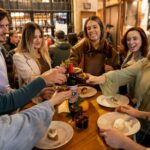
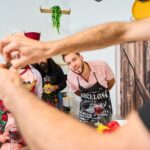
I like two things most. First, you get a real neighborhood market experience with tastings that feel part of everyday life, not a show. Second, the stops are run by familiar-sounding locals, and guides like Alex, Arianna, and Hector turn food ordering and history into something you can actually use later. The small-group format (limited to 9) keeps things chatty and practical.
One drawback to plan for: it is a walking tour at a moderate pace and it is not suitable for wheelchairs, strollers, or mobility impairments. Also, if you are strict about food needs (like celiac-level gluten intolerance) or you do not eat alcohol, you should ask in advance because the tour is adaptable but may not be able to swap every item.
In This Review
- Key reasons this Barcelona food tour works so well
- How Santa Caterina Market sets the tone for the whole tour
- Born’s specialty stops: cheese, jamón, sweets, and a side surprise
- Bodega La Peninsular and the bomba tapa in Barceloneta
- Can Ramonet and the seafood paella feast
- What 11+ samples and 3 drinks really mean for value
- Walking pace, group size, and the real logistics that matter
- Food needs: what is adaptable and what to double-check
- Who this tour is best for in Barcelona
- Should you book the Barcelona Hidden Markets, Tapas & Paella Food Tour?
- FAQ
- What is the duration of this Barcelona food tour?
- Where do I meet the guide?
- How many people are in the group?
- Is the tour walking-based?
- What food and drinks are included?
- What is the main meal on the tour?
- Is hotel pickup included?
- What language is the tour guide?
- Can the tour accommodate dietary restrictions?
- What should I bring?
Key reasons this Barcelona food tour works so well
- Santa Caterina Market instead of the usual crowds, with multiple cheese and jamón tastings
- Born’s old-school specialty shops, including a sweets stop and a specialty tasting at Brunells
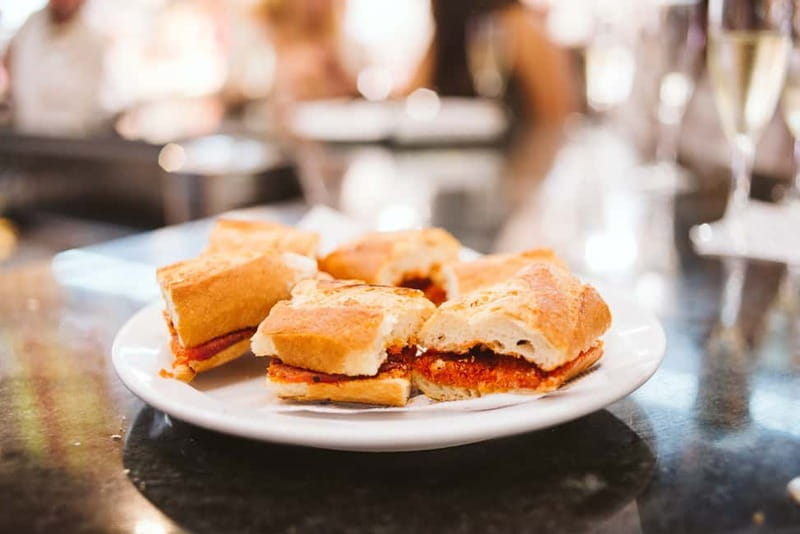
- Vermouth culture in Barceloneta, plus the tapa called bomba
- A real seafood paella meal with local wine at a neighborhood restaurant
- Small group pacing, which makes the stories and ordering tips land faster
How Santa Caterina Market sets the tone for the whole tour
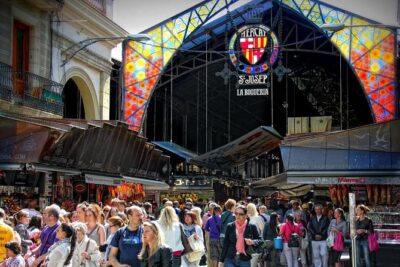
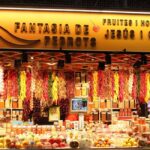
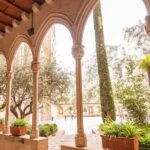
The meeting point is right at the main entrance of Mercado de Santa Caterina. Arrive about 15 minutes early so you can settle in before the tastings start. This is where the tour earns its keep: the market feels like a working neighborhood hub, the kind you see locals visiting day after day.
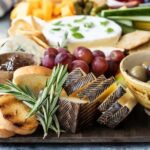
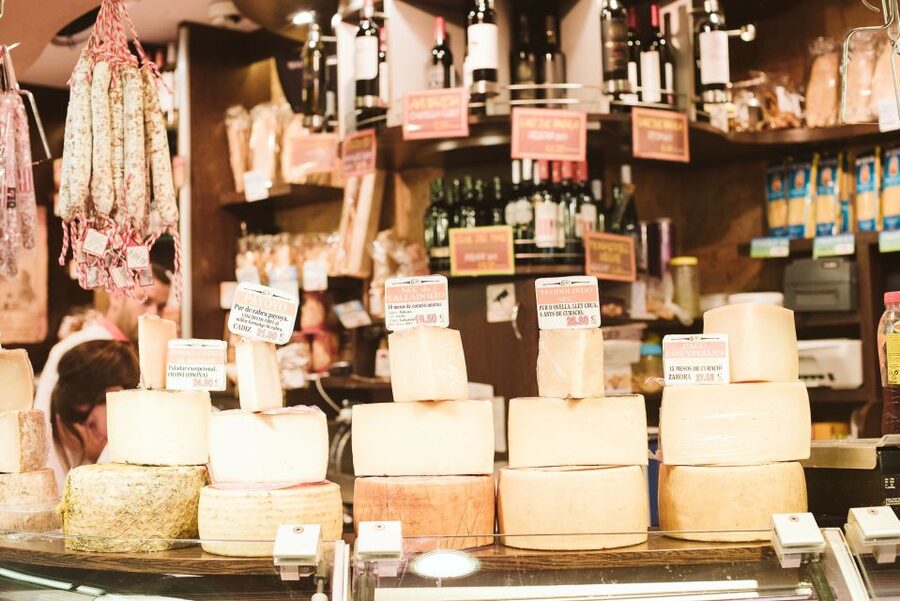
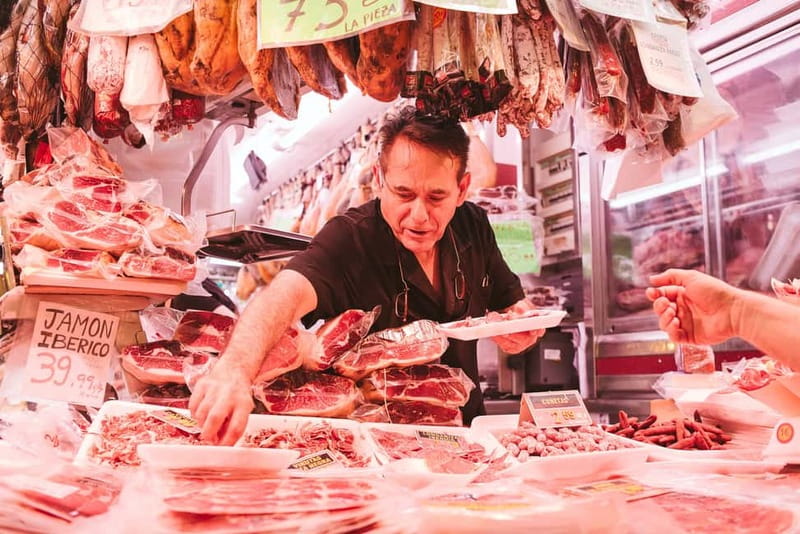
You begin with a focused tasting run: Spanish cheeses and jamón ibérico show up early, and you taste enough variety that your palate starts paying attention fast. I like the way the tour doesn’t just say what to eat. It teaches you what to look for and how to think about the flavors you are about to order later.
And yes, it matters that this is Santa Caterina, not a checklist market. You get the same basic idea—fresh, local, and loud with food—but with less of the tour-group pressure.
You can also read our reviews of more tours and experiences in Barcelona.

Born’s specialty stops: cheese, jamón, sweets, and a side surprise
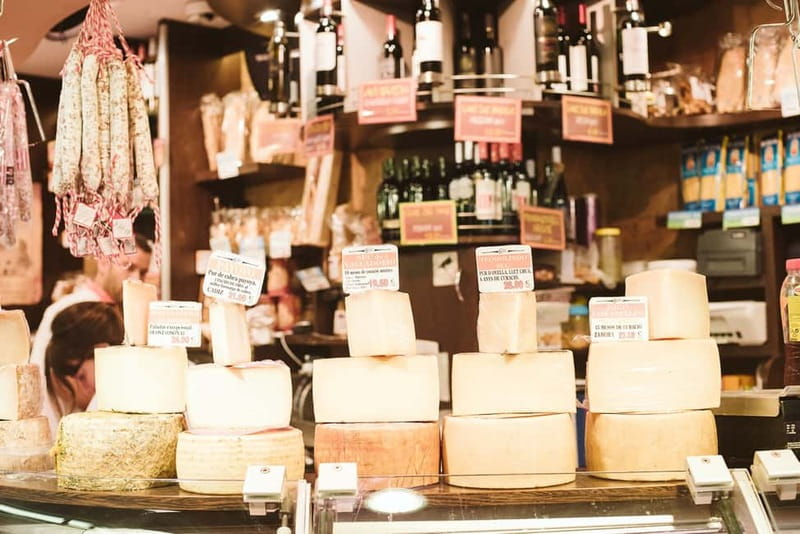
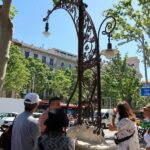
After Santa Caterina, you move into Born, where medieval streets and tight blocks make it easy to feel like you are walking through older Barcelona. The pace stays manageable, and the guide keeps the flow moving with short stories that connect food to daily life.
Here are the stops that do the most for your understanding of Barcelona eating:
Brunells (specialty tasting). This is one of those classic older places where the product is the star. You get a short tasting that also comes with a behind-the-scenes feel, including a hidden surprise out back. It is not a long performance, just enough to make you understand why people keep coming back.
Torrons i dolços La Campana (tasting sweets). This is your sugar reset, and it is not random. Catalan sweets have a real identity, and this stop gives you a taste of the local approach to confectionery—part tradition, part everyday treat.
Between these tastings, you also learn how locals think about pairing and choosing. You are not memorizing a script. You are getting a feel for how much salt, fat, and sweetness show up across a typical Barcelona spread.
Bodega La Peninsular and the bomba tapa in Barceloneta
Then you shift gears to Barceloneta, the old fishermen’s quarter with a seaside personality. The atmosphere changes even when you are still walking. You trade narrow market aisles for streets with more open air and a slightly louder rhythm.
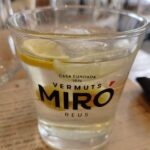
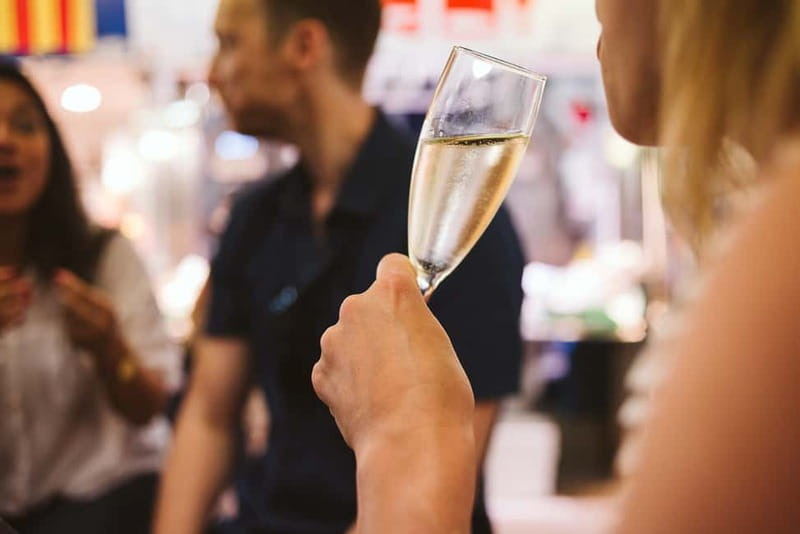
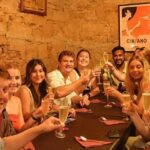
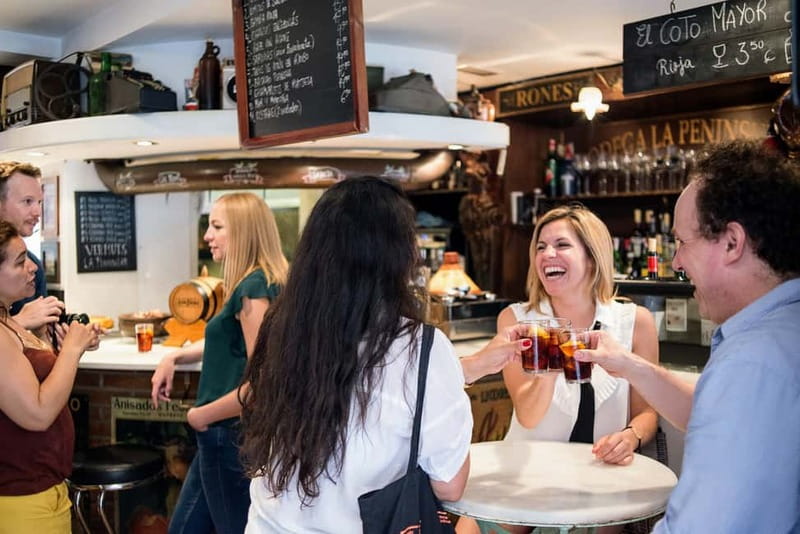
At Bodega La Peninsular, you sip vermouth in a classic bodega setting. Vermouth in Barcelona is not just a drink; it is a social cue. It signals you are settling in for snack time, not rushing a meal.
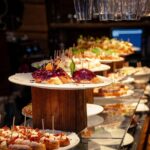
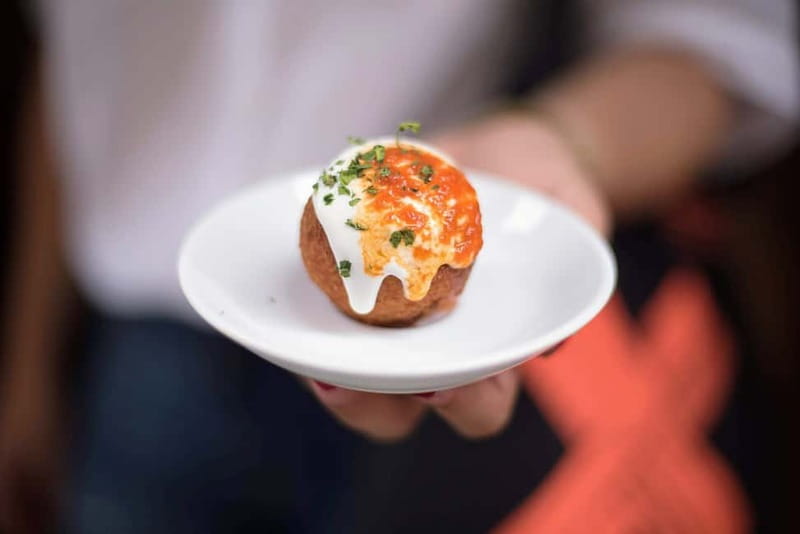
Next comes the tapa called bomba. This is one of those Barcelona items that you hear about because it has a specific reputation—small bite, big flavor energy. One review note I took seriously: sometimes this tasting can feel a bit rushed if the restaurant is preparing to open to the public. If you are the type who likes to sit and savor, go in knowing the tour keeps moving as part of the structure.
The good news is that even with a shorter window, you leave with something most people only hear about. You do not just taste a version of it—you taste it as part of the local flow.
Can Ramonet and the seafood paella feast
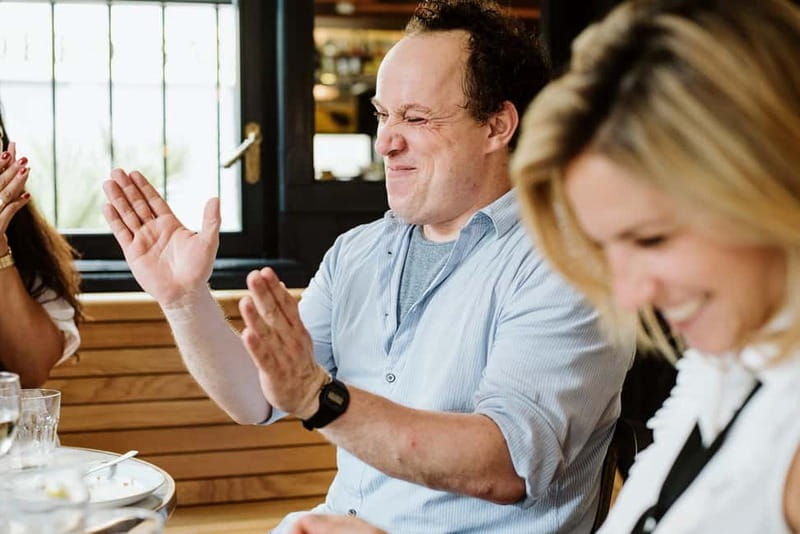
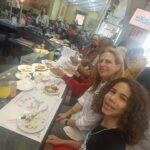
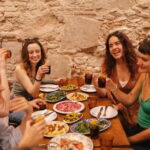
The final meal is the headline: Restaurante Can Ramonet | Paella y Marisco en la Barceloneta. You sit down for a traditional seafood paella feast paired with local wine. This is where the tour makes its promise real: you go beyond tapas snacks and get the meal Barcelona is famous for.
What I like about this setup is the sequencing. You taste your way through cheeses, cured meats, and sweets first, so when the paella arrives, you can actually notice the differences in texture and flavor. Seafood paella also has a clear identity—briny notes, saffron warmth, and a layered taste that works because the ingredients are doing real work.
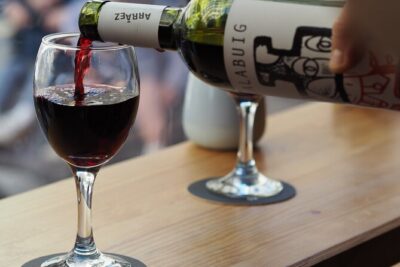
And because it is paired with wine, you get a practical sense of what people choose when they want the meal to feel complete.
One more practical note: the paella stop takes about 40 minutes in the plan, so you get enough time to eat without being trapped at the table longer than you need.
What 11+ samples and 3 drinks really mean for value
At $101 per person for a 3.5-hour tour, you are paying for three things: guided pacing, multiple food stops, and a sit-down seafood paella meal with wine. This is not just a walking tasting circuit.
You get 11+ samples plus 3 different local drinks, which is more than you would casually order on your own in a few hours. The key value is that you are not guessing what to order, where to go, or how much. The guide takes the guesswork out of Barcelona eating, especially in neighborhoods where the food choices can be overwhelming if you only rely on signage.
I also like that the tour covers both breakfast and lunch. That matters in Barcelona, where you can easily burn cash on snacks that never add up to a real meal.
If you plan one paid food experience during your stay, this is the kind that covers a lot of ground without feeling like a factory tour.


Walking pace, group size, and the real logistics that matter
The tour is in English with a live guide, and it is designed for small groups limited to 9 participants. One review did report a group size of 10 and still felt like the right scale, so it does not sound like you will be shoulder-to-shoulder in a crowd.
You should plan on moderate walking and being on your feet for the full route. Wear comfortable shoes and bring water, especially since market and street stops can stack up quickly.
The start is Mercat Santa Caterina (in front of the main entrance), and the tour ends back at the meeting point area. Still, expect the route to move through Born into Barceloneta rather than circling the same block.
Food needs: what is adaptable and what to double-check
This tour is adaptable for vegetarians, pescatarians, gluten free (not celiac), non-alcoholic options, and pregnant women. That flexibility is helpful, but it comes with a real-world caveat: you may not have a replacement food option at every stop.
So here is how I’d handle it:
- If you are vegetarian or pescatarian, you should mention it at booking so the guide can plan substitutes where possible.
- If you are gluten free, note the wording carefully: it is gluten free but not for celiac-level needs. If you are very sensitive, you should ask direct questions before you go.
- If you need no alcohol, you can request non-alcoholic options, but you should still expect that some stops are built around local drinks like vermouth.
The tour is not recommended for vegans, so if that is your diet, you will likely want a different kind of food tour.
Who this tour is best for in Barcelona
This tour fits best if you want:
- A local market start that feels like real daily life
- A mix of tapas, wine, and a real lunch
- A guide who can help you order and understand what you are tasting
- A route through Born and Barceloneta that is easy to navigate on foot
It is also a strong choice for mixed groups—adults, teens, and people who like food but do not want to spend their whole day in museums or on long transit.
Should you book the Barcelona Hidden Markets, Tapas & Paella Food Tour?
I think this is an easy yes if you want one organized experience that covers the core flavors of Barcelona in one afternoon: market bites, cured meats and sweets, vermouth-and-tapa culture, and a seafood paella meal that ends the tour on a full stomach.
Skip it or reconsider if you cannot do moderate walking, use mobility aids, or need fully celiac-safe gluten handling. Also think twice about it if you are vegan, since the tour is not designed around that.
If your goal is to feel Barcelona in the places locals actually eat and shop, and you want a guide who makes the choices simple, this tour is a good value for the time you spend—and it leaves you with more than just photos.
FAQ
What is the duration of this Barcelona food tour?
The tour lasts about 3.5 hours.
Where do I meet the guide?
You meet at the main entrance of Mercat Santa Caterina, Av. de Francesc Cambó, 16, 08003 Barcelona. The guide will be holding a red bag or a Devour Tours sign.
How many people are in the group?
The tour is a small group limited to 9 participants.
Is the tour walking-based?
Yes, it is a walking tour with a moderate pace. You should be comfortable walking for the full route.
What food and drinks are included?
You get 11+ delicious samples (enough for breakfast and lunch), plus 3 different local drinks.
What is the main meal on the tour?
You end with a traditional seafood paella feast with local wine at a neighborhood restaurant.
Is hotel pickup included?
No, hotel pickup and drop-off are not included.
What language is the tour guide?
The live tour guide speaks English.
Can the tour accommodate dietary restrictions?
The tour is adaptable for vegetarians, pescatarians, gluten free (not celiac), non-alcoholic options, and pregnant women. Not every stop may have a replacement option, and vegans are not recommended.
What should I bring?
Bring your passport or ID card, comfortable shoes, and water.