REVIEW · BARCELONA
Barcelona: La Boqueria & Santa Caterina Market Private Tour
Book on GetYourGuide →Operated by World Experience · Bookable on GetYourGuide
Markets and tapas, guided end to end. This tour pairs a professional chef with two top food markets, starting at La Boqueria, so you’re not just walking—you’re tasting with a plan. One thing to consider: food or beverages are not automatically included unless the tour specifies them, so you’ll want to know what’s in your menu before you order extra.
I like how the route stitches together the places that shape Catalan eating habits: market stands for fresh ingredients, then Old Town streets for context, then two historic restaurants for a proper tapas run. You’ll also get a focused look at the Gothic Quarter and the trendier old-stone area of El Born, instead of bouncing from one landmark to the next.
A name that pops up in strong feedback is Faco, and the theme is consistent: good explanations and a smooth flow that keeps you moving without feeling rushed. If you want a food tour that teaches while you snack, this is a strong match.
In This Review
- Key highlights you’ll feel during the tour
- La Boqueria and Santa Caterina: why this pairing works
- Starting at Palau de la Música: the easy way to get oriented
- Plaça Reial tapas warm-up: a small stop with a big payoff
- Inside La Boqueria: what you’ll spot and how to taste smarter
- Gothic Quarter walking: turning alleyways into meaning
- El Born and Santa Caterina Market: where the neighborhood feeling shows up
- Two historic restaurants: the tapas menu you’ll actually remember
- Chef-led guidance: the real reason you’re paying extra
- Price and value for a $283-per-person private chef tour
- Pacing and comfort: how to enjoy the day without feeling rushed
- Who this tour fits best (and who should skip it)
- Should you book this Barcelona tapas and markets tour?
- FAQ
- How long is the Barcelona La Boqueria & Santa Caterina Market private tour?
- Where do I meet the guide?
- Is this tour private or small-group?
- Which markets are included?
- What food will I eat on the tour?
- Is food or beverages included in the price?
- Are there restaurants included, or is it only markets?
- What languages are the guides available in?
- Is hotel pickup or transfer included?
- Is the tour suitable for wheelchair users?
Key highlights you’ll feel during the tour
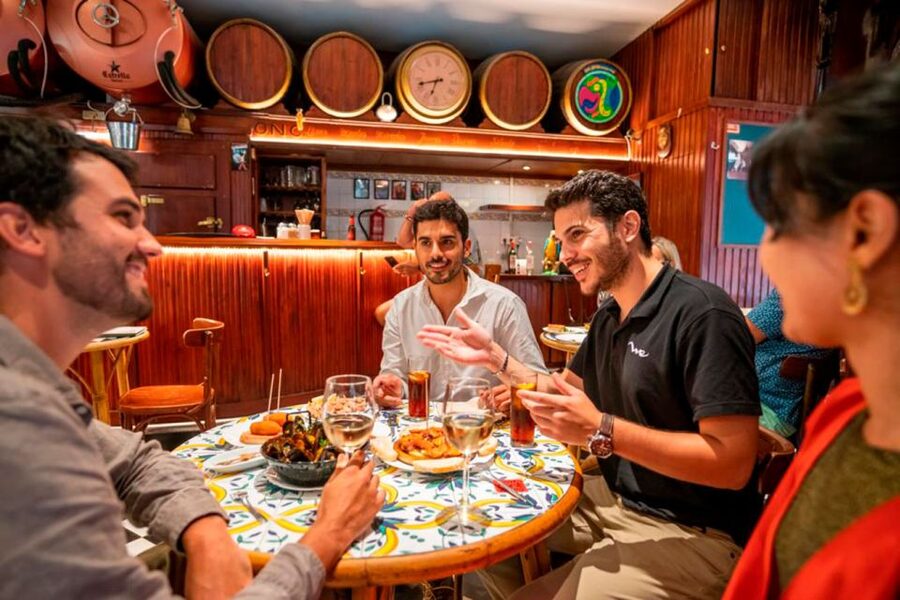
- Chef-led tapas tasting: you’ll taste traditional Catalan flavors with guidance, not guesswork
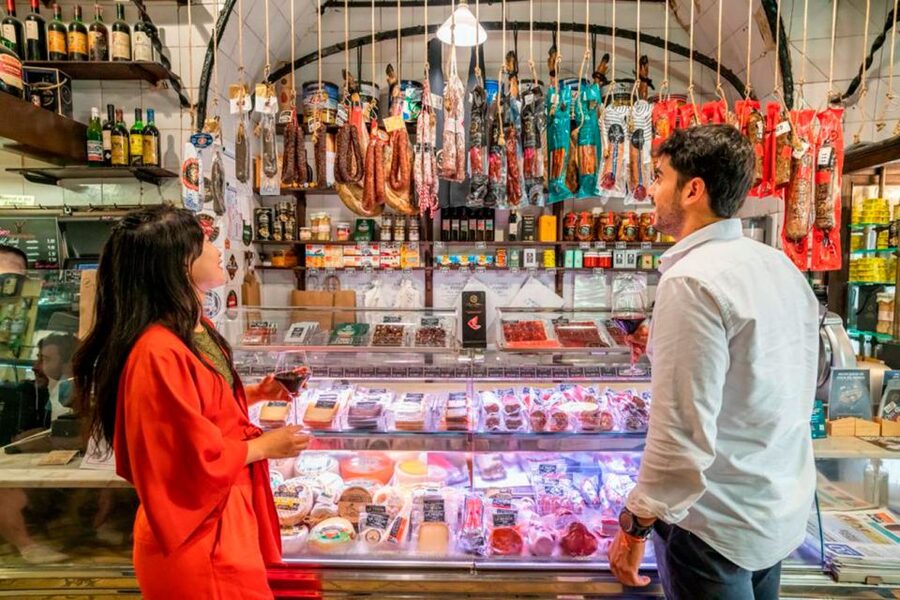
- La Boqueria with intention: see fresh seafood, cold cuts, fruit, and regional sweets before you eat
- Gothic Quarter walking loop: narrow streets, arches, squares, plus Plaza Sant Jaume
- Born area market stop: Santa Caterina Market in the heart of El Born
- Two historic restaurant tastings: a menu of tapas paired with local wine, plus pan con tomate
La Boqueria and Santa Caterina: why this pairing works
Barcelona has markets. This tour chooses two that feel like different sides of the same story.
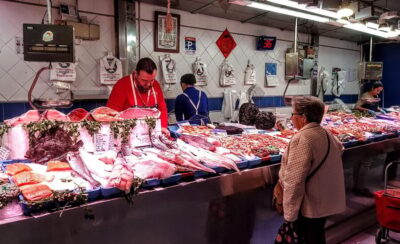
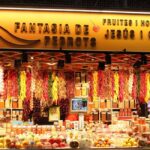
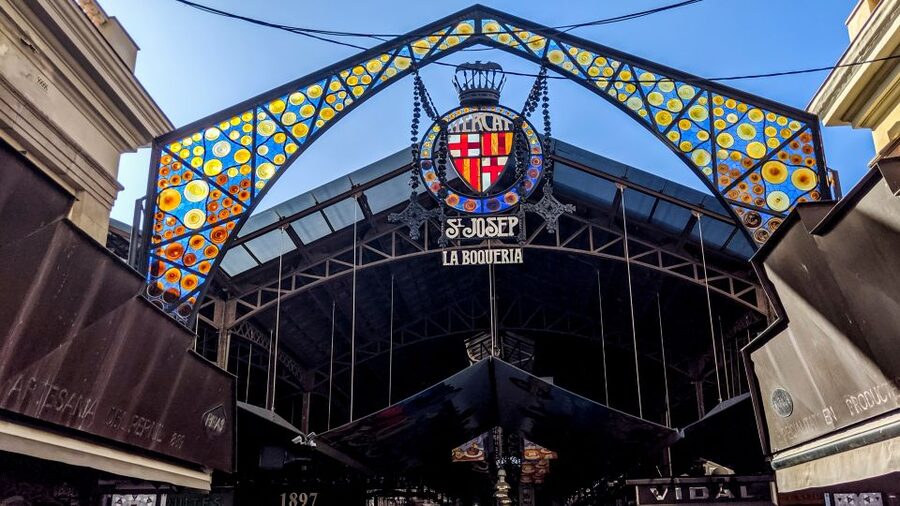
La Boqueria is the emblem in the city’s imagination. It’s famous, yes, but that fame also means you’ll see a wide spread of what’s for sale day to day—seafood, cold cuts, fruits, and typical sweets. If you’re the type who wants to understand what people actually buy, it’s a great first stop because the choices help you learn the rhythm of Catalan eating.
Then you shift to Santa Caterina in El Born, and the mood changes. Instead of being only a big visual headline, it becomes more about local variety and seasonal ingredients. You’ll still find fish and produce, but the vibe is tied to that neighborhood texture—where people walk through, snack, and treat the market like part of daily life.
The value is in seeing both: big-city icon market energy at La Boqueria, then a more neighborhood feel at Santa Caterina. You end up with a clearer idea of what Barcelona cooks with, not just what it sells.
You can also read our reviews of more tours and experiences in Barcelona.

Starting at Palau de la Música: the easy way to get oriented
You begin near Palau de la Música and meet at Carrer de Sant Pere Més Alt 1. That location matters more than it sounds.
First, it puts you right in the center of the older parts of town where the streets twist and surprise you. Second, it sets the tone for the day: you’re about to walk food routes through places that look gorgeous even before you start eating.
From there, the tour builds in a simple logic:
- markets for ingredients and tasting
- Old Town streets for context
- restaurants for a fuller tapas menu and wine pairing
If you’ve ever tried to do markets and tapas solo, you know the problem: you can’t tell what matters until you taste it. Having a chef at the wheel saves you time and helps you avoid random snacking that doesn’t connect.
Plaça Reial tapas warm-up: a small stop with a big payoff
One of the included tasting points is Placa Reial, which works like a palate starter. You get about an hour that includes a food tasting and tapas, and it’s a good moment to get your stomach and your expectations in sync.
Why this matters: market tours can be sensory overload. You see so much—colors, smells, product displays—that you can lose track of what you’re actually trying to learn. A tasting stop early helps you understand the tour style: you’re not collecting bites like souvenirs. You’re building a flavor map.
This segment is also a nice pacing tool. After an early walk, you’re not immediately swallowed by La Boqueria’s crowd and counter chaos. You get a calmer introduction to how the day will go.
Inside La Boqueria: what you’ll spot and how to taste smarter
La Boqueria is the market stop people talk about. This time, you don’t just look. You tour and taste with a plan, in a guided block of about 45 minutes.
Here’s what you can expect to see, and how to use it:
- Seafood: it’s not just about the fish on ice. Notice how fresh options and seasonal availability shape what gets cooked
- Cold cuts: this is a window into Catalan charcuterie culture
- Fruit and regional sweets: a reminder that market eating is both savory and sweet, and often both in the same day
A big reason this stop feels worth it is that the chef guidance turns visual cues into decisions. Instead of thinking, What should I eat?, you’ll understand why certain items show up, why pairings matter, and what to look for in the stalls you pass.
Drawback to note: you’ll be doing a market visit while surrounded by a lot of visual competition. Even with guidance, your job is to stay focused on the tasting order. If you drift and start grabbing every free sample you see, you’ll finish the market overwhelmed and less able to enjoy the later restaurant menu.
Gothic Quarter walking: turning alleyways into meaning
After La Boqueria, the tour shifts into the Gothic Quarter, where the streets do that fun thing Barcelona does: they make you slow down without trying.
Expect about 1 hour of guided walking and sightseeing in this area, plus additional time that brings you back for another short walk. The details you’re looking for are the physical ones:
- narrow streets
- arches
- squares with layers of stories
The point isn’t to turn this into a lecture. It’s to connect the food stops to the city itself. Markets and restaurants make more sense when you know where people traditionally walked, gathered, and ate.
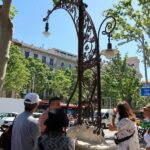
You’ll also reach Plaza Sant Jaume, where you’ll see historic civic buildings, including City Hall and the Government of Catalonia. It’s a key Old Town anchor. Even if you’re not a museum person, it helps you orient your mental map: this isn’t random wandering. It’s a route that crosses the city’s older power and everyday life.

El Born and Santa Caterina Market: where the neighborhood feeling shows up
You’ll continue to El Born, which the tour frames as one of the trendiest old-town neighborhoods. That word trendiest can sound touristy, but here it mainly means the area is lively and walkable, with local energy.
Santa Caterina Market sits in this neighborhood, and the tour includes a second market experience—about 45 minutes tied to food tasting and tapas in this phase of the day.
What to look for at Santa Caterina, based on what’s included:
- fresh fish
- seasonal fruits and vegetables
Why this stop is valuable after La Boqueria: it gives you comparison. La Boqueria tells you what people love about Barcelona’s signature market identity. Santa Caterina helps you understand the practical side—what changes with the season, and how the neighborhood supports everyday cooking.
One more practical note: if you’re sensitive to crowds, you’ll still be in a market environment, but El Born tends to feel easier to navigate than the most headline-grabbing market areas. That makes Santa Caterina a more comfortable follow-up for many people.
Two historic restaurants: the tapas menu you’ll actually remember
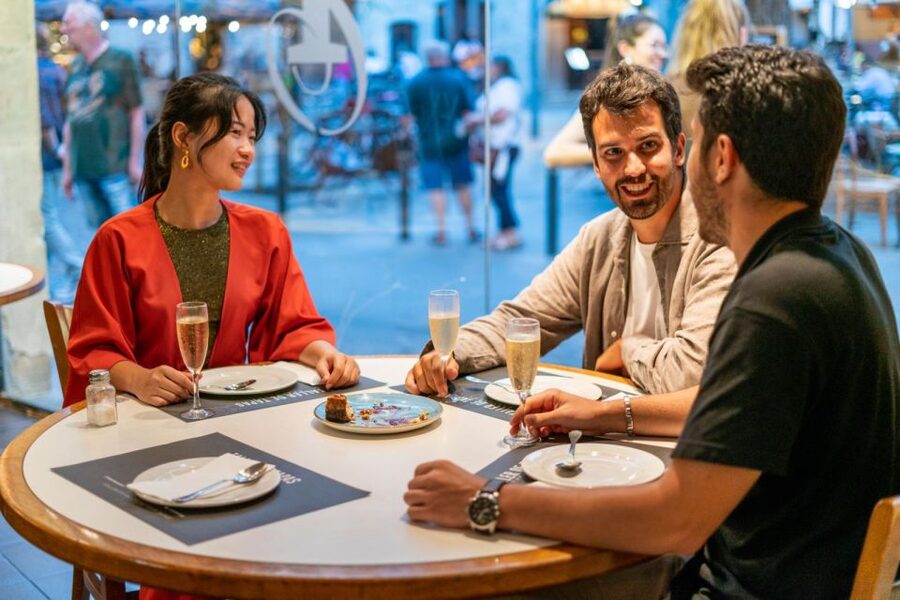
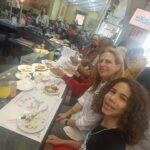
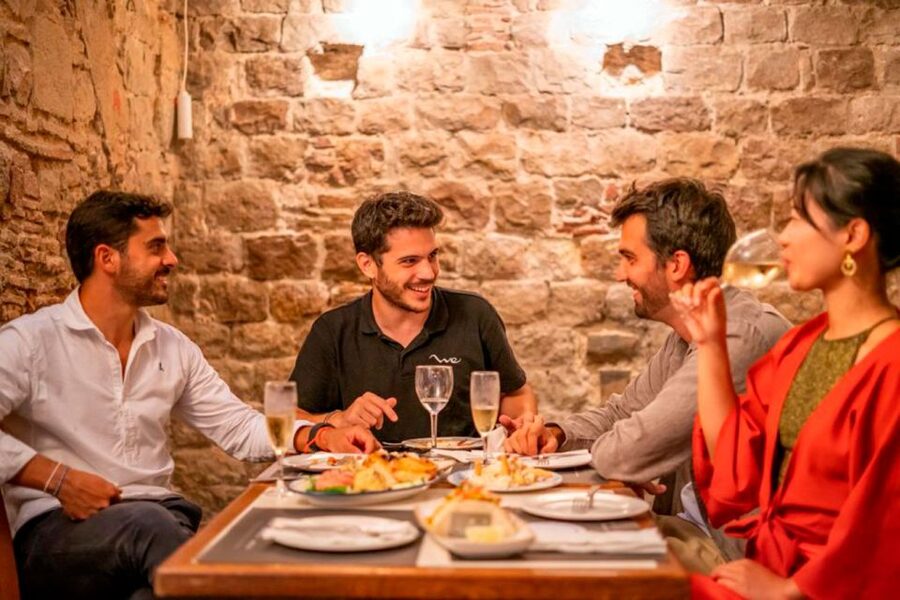
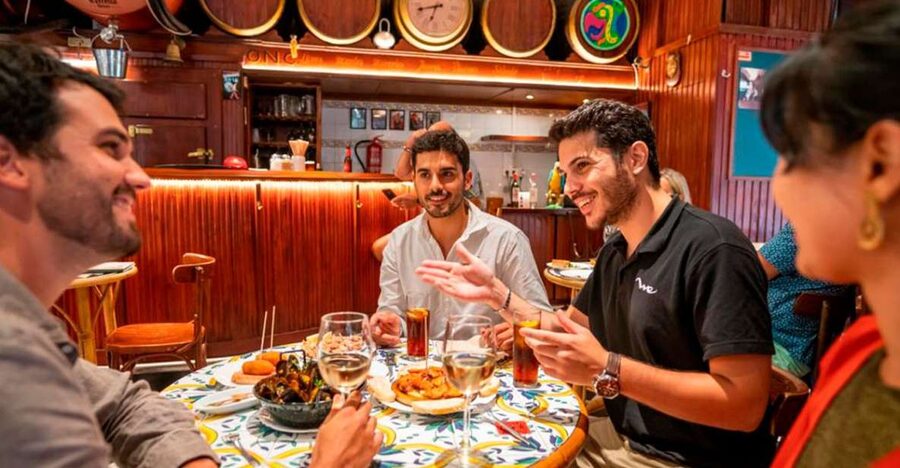
Markets are for ingredients and quick tasting moments. The real payoff of this experience happens at two authentic restaurants in the historic center, where you’ll enjoy a curated tapas tasting.
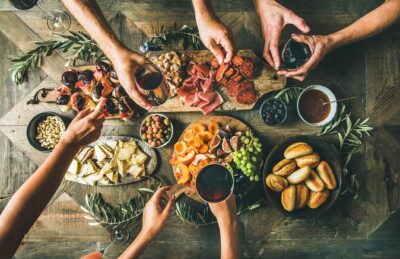
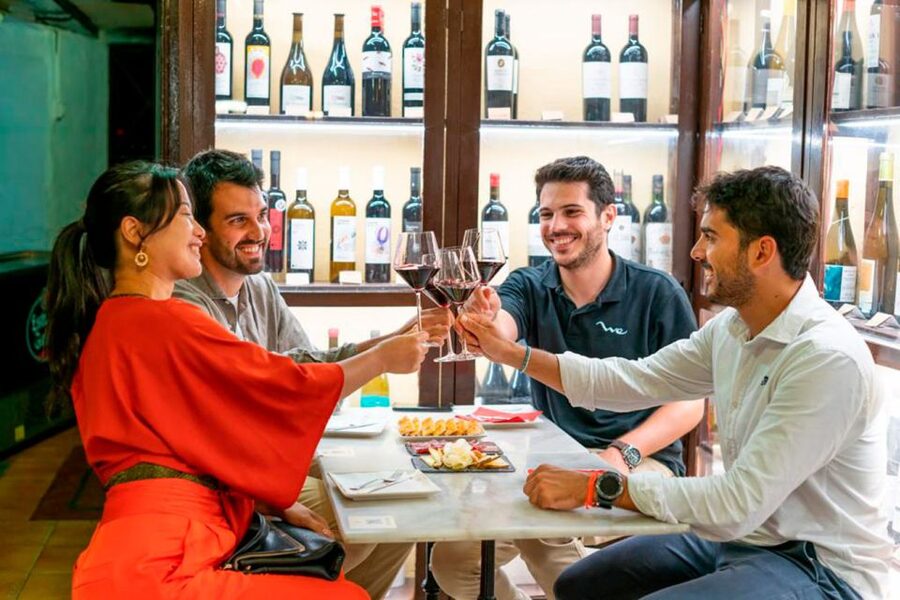
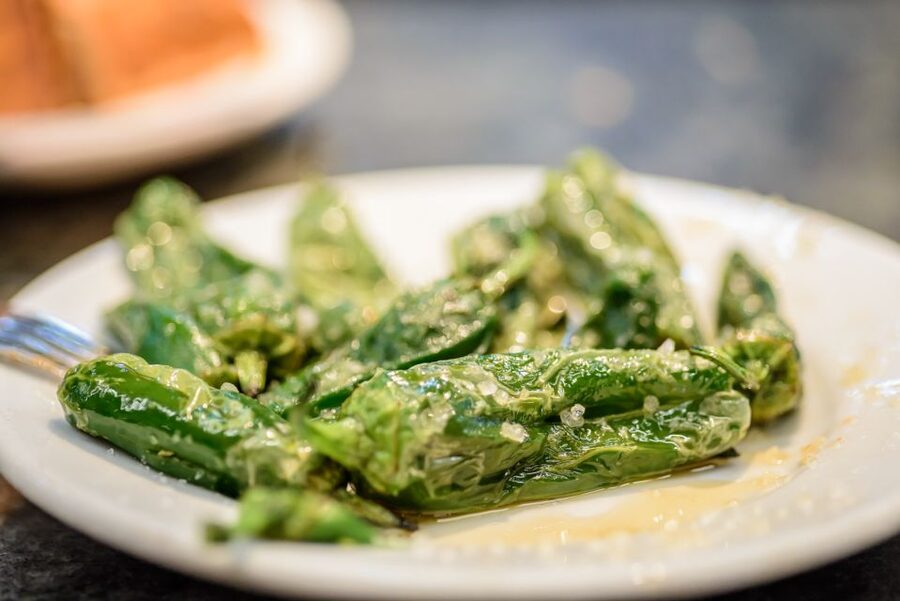
You’ll get a full menu focused on Catalan cuisine, made from fresh products and local delicacies, and it’s paired with local wines. And yes, you should expect the classic pan con tomate—a Barcelona food baseline that tastes even better when you understand how tomatoes, bread, and olive oil fit into everyday Catalan meals.
What makes this restaurant time feel like more than just dinner:
- it’s structured (so you taste a spread rather than ordering random items)
- the chef guidance helps you read the menu and understand what you’re eating
- the tastings come after you’ve already seen ingredients up close at both markets
If you’ve ever tried to do this on your own, you know how often restaurant tapas turns into ordering anxiety. This solves that by making tastings the plan, not a gamble.
Minor drawback: because the schedule is tight at 4 hours, the restaurant portions are designed for sampling, not lingering. If you want a slow, multi-course dinner with lots of extra ordering, this may feel like a snack-heavy overview rather than a full sit-down feast.
Chef-led guidance: the real reason you’re paying extra
A professional chef isn’t just there to talk. In a tour like this, the chef does three practical jobs:
1) Makes the tastings make sense.
Instead of tasting and hoping, you get explanations that connect ingredients to Catalan flavors.
2) Helps you avoid wasted time.
Markets can feel like a maze. A guided flow means you spend your energy tasting things that fit the tour’s story.
3) Keeps your choices balanced.
Tapas days can tilt too far toward one style—only seafood, only meat, only sweet. Chef-led pacing helps you cover the range: seafood, cold cuts, produce, and the sweet finish that comes with regional sweets.
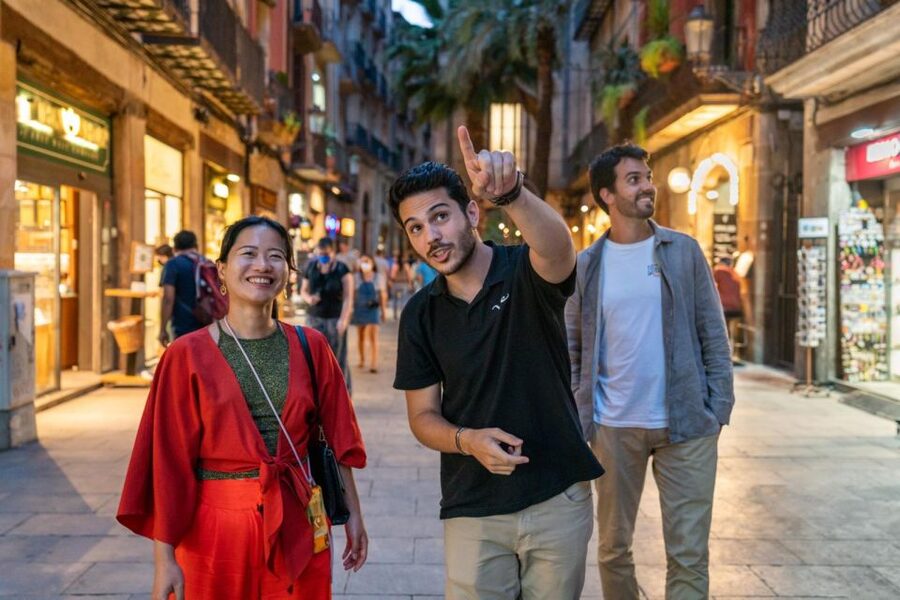
From feedback, one guide name that stood out was Faco, specifically for mixing food knowledge with city storytelling. That matters because Barcelona is more fun when you understand what you’re seeing while you eat.
Price and value for a $283-per-person private chef tour
At $283 per person for 4 hours, this isn’t the cheapest way to eat in Barcelona. But it can be good value depending on how you travel.
Here’s the math that matters:
- You’re paying for a professional chef guide
- You’re paying for market access and tastings
- You’re getting two restaurant experiences with a tapas menu and wine pairing, plus pan con tomate
- You’re also getting a guided walk through major Old Town areas like the Gothic Quarter
If you were to do this DIY, you’d likely pay for:
- multiple tastings you order yourself
- possibly a guided walk separately
- restaurant meals and drinks you choose without a structure
This tour bundles those pieces into one timed package. For groups who like food and history and want less decision stress, that bundled structure can feel worth it.
The main value risk is this: if you’re someone who hates guided tours or you prefer full meals over tastings, you might feel the cost is high for what’s essentially a sampling format. But if you love the idea of markets plus tapas plus guided walking, it’s a focused plan rather than a loose itinerary.
Pacing and comfort: how to enjoy the day without feeling rushed
This tour is short—4 hours—and it moves through several zones:
- market time at La Boqueria
- a tasting stop at Plaça Reial
- Old Town walking in the Gothic Quarter
- Santa Caterina in El Born
- two restaurant tastings
That schedule is exactly why it works. You get a complete experience without losing an entire day.
But your best move is to show up ready:
- wear comfortable walking shoes
- expect you’ll be standing and walking more than sitting
- keep your phone charged, because you’ll want photos, but you’ll also want to listen
Also, you should note this tour is not suitable for wheelchair users, so if mobility is a factor, you’ll need a different format.
Who this tour fits best (and who should skip it)
This one fits you well if:
- you want a chef-led tapas and market day, not a DIY wandering day
- you like Old Town walking and want context for Gothic Quarter streets
- you’re excited by a structured tasting plan, including wine pairing and pan con tomate
It might not fit you if:
- you don’t want to spend most of the time standing in markets
- you prefer long restaurant meals with lots of ordering freedom
- you’re working within a strict budget where you only want exactly included items
Should you book this Barcelona tapas and markets tour?
I’d book it if you want a tight, food-focused route that pairs the city’s two standout market experiences with a real tapas menu at historic restaurants. The chef-guided structure is the key benefit: it turns La Boqueria and Santa Caterina from tourist stops into meaningful ingredient stories, then lets you finish with a properly planned tapas tasting and wine pairing (plus pan con tomate).
I would think twice if you hate guided pacing or you’re expecting a huge amount of food and drink beyond tastings. With a 4-hour clock, it’s smart sampling—not an all-day feast.
If you want a Barcelona day that tastes like Barcelona and teaches you what you’re eating as you go, this is a very solid pick.
FAQ
How long is the Barcelona La Boqueria & Santa Caterina Market private tour?
It lasts 4 hours.
Where do I meet the guide?
You meet at Carrer de Sant Pere Més Alt 1.
Is this tour private or small-group?
It is a small-group tour, designed to feel more personalized.
Which markets are included?
You visit Mercado de la Boquería and Mercado de Santa Caterina.
What food will I eat on the tour?
You’ll enjoy tapas and a traditional Catalan menu, including pan con tomate, plus wine pairing as part of the tasting experience.
Is food or beverages included in the price?
Food or beverages are not included unless specified. The tour includes tastings and a tapas menu as part of the experience.
Are there restaurants included, or is it only markets?
There are two authentic restaurants in the historic center for tastings.
What languages are the guides available in?
The live guide is available in English and Spanish.
Is hotel pickup or transfer included?
No, hotel pickup or transfer is not included.
Is the tour suitable for wheelchair users?
No, it is not suitable for wheelchair users.