REVIEW · BARCELONA
Barcelona Side Streets Tapas & Wine Tour
Book on Viator →Operated by Eating Europe Food Tours Rome · Bookable on Viator
Barcelona tastes different when you follow side streets. This 3.5-hour tapas and wine tour strings together Catalan food and short history lessons as you move through the Gothic Quarter, El Born, and down to Barceloneta. The big win is that each stop comes with context—why this dish exists, and why locals eat it this way.
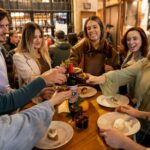
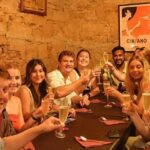
I especially like the small-group setup (up to 12), which makes it easy to ask your guide questions instead of shouting over a crowd. I also like the wine-and-ordering details, from white wine poured from a traditional porrón to Basque-style vermut and Cava pairings that feel tied to the places you’re in.
One consideration: it’s a lot of walking for a 3.5-hour experience, and some people feel the food is more “tasting” than “big dinner.” If you’re a big eater, plan to top off later with a proper meal.
In This Review
- Key highlights worth paying attention to
- Starting at Plaça de la Mercè, then moving fast (on foot)
- Perikete in the Gothic Quarter: aubergine, tomato bread, and porrón wine
- Euskal Etxea Taberna in El Born: how pintxos ordering feels like a game
- Can Ramonet in Barceloneta: fideuà in an old house with Cava
- Forn de pa Balboa: the sweet landing zone
- The walk between churches and coast: Gothic alleys, seafront views, and La Carassa
- Price, portions, and whether $114.93 makes sense for you
- Dietary needs and who this tour suits best
- Should you book this Barcelona side-streets tapas and wine tour?
- FAQ
- FAQ
- How long is the Barcelona Side Streets Tapas & Wine Tour?
- Where does the tour start and end?
- What is the maximum group size?
- What language is the tour offered in?
- What food and drinks are included?
- Can vegetarians or gluten-free diners join?
- Is hotel pickup included?
- Can I cancel for a full refund?
Key highlights worth paying attention to
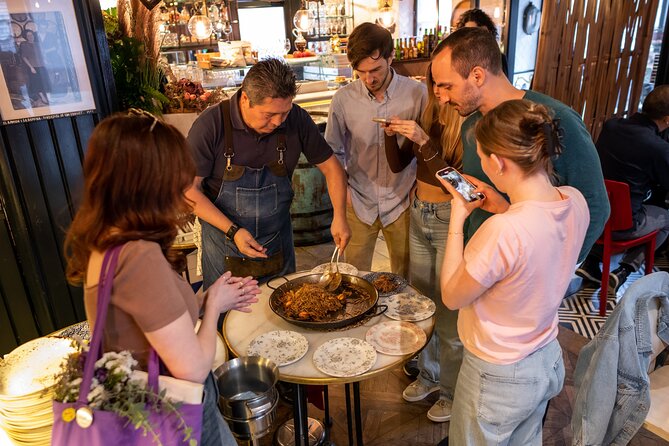
- Small group (max 12): more back-and-forth with the guide, less waiting around.
- Dish stories, not just menu items: you get cultural relevance with each bite.
- Classic pairing styles: traditional porrón wine, vermut, and Cava all show up.
- Neighborhood hopping with a purpose: Gothic Quarter to El Born to Barceloneta, all linked by food.
- Sweet finish included: a regional pastry from Forn de pa Balboa.
- Guide personalities are a recurring theme: Sky and Lindsey get praised for making history feel usable.
Starting at Plaça de la Mercè, then moving fast (on foot)
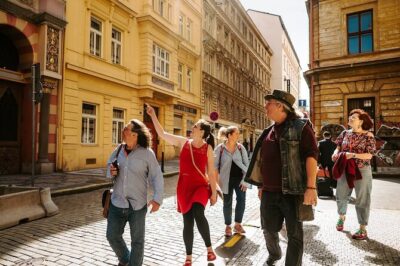
The tour begins at Plaça de la Mercè in Ciutat Vella. From there, you’re guided through a route that basically shows you how Barcelona’s food culture shifts neighborhood to neighborhood—without doing it in the usual straight-line sightseeing way. The pace is friendly but active; you’ll cover medieval alleys and coastal streets, so you’ll want comfy shoes.
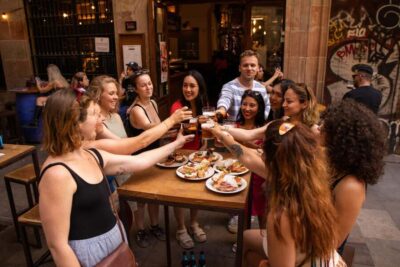
Because it ends around Plaça de la Barceloneta, the layout works well if you’re staying in the center and want an easy way to end near the seaside. You also get a built-in social rhythm: it’s a group meal format, so you’ll naturally compare what you ordered and how it tasted.
The tour is offered in English with a local guide, and it uses a mobile ticket. There’s no hotel pickup, so you’ll be meeting at the neighborhood square and then walking from there.
You can also read our reviews of more tours and experiences in Barcelona.


Perikete in the Gothic Quarter: aubergine, tomato bread, and porrón wine
Your first tasting stop is Perikete, set near an area with Barcelona’s old layers—right next to a wall that dates back to around 2,000 years. The food here is classic Catalan comfort: you may get Aubergine Tortilla with pa amb tomaquet (tomato bread) or crispy fried aubergine with mushrooms.
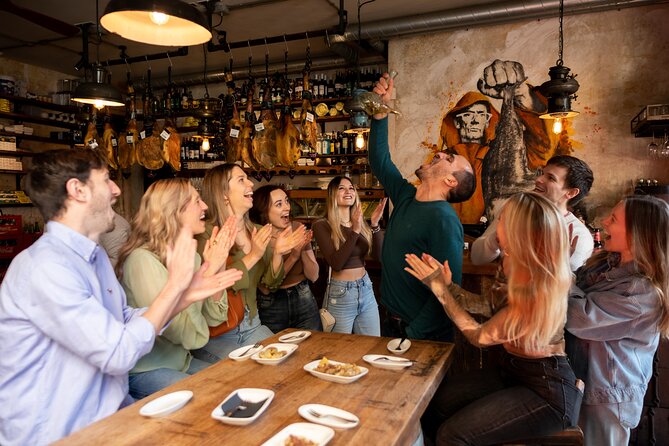
What makes this stop matter is the pairing style. You’re not just drinking wine; you’re drinking it with local ritual. The white wine is served from a traditional porrón, which changes the whole vibe of the tasting. It’s a simple detail, but it’s the kind of thing that makes a “sampler” feel like an actual cultural moment rather than a quick snack stop.
A small-group format helps here: you can ask how people typically eat these things locally, and you’ll get better answers than you’d get from a guidebook list. Time-wise, this is a short stop, so come ready to taste and then keep moving.
Euskal Etxea Taberna in El Born: how pintxos ordering feels like a game
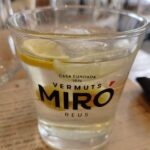
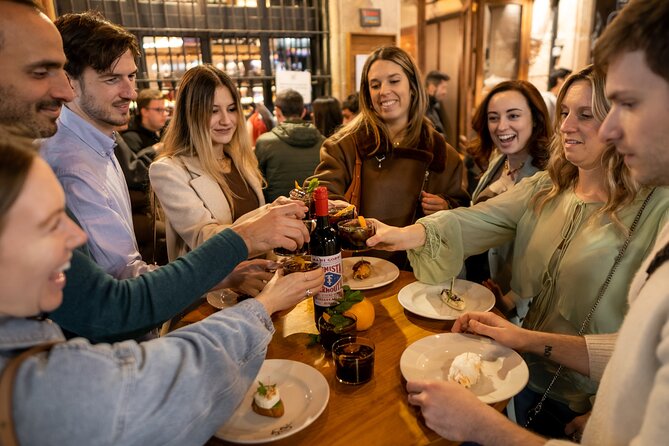
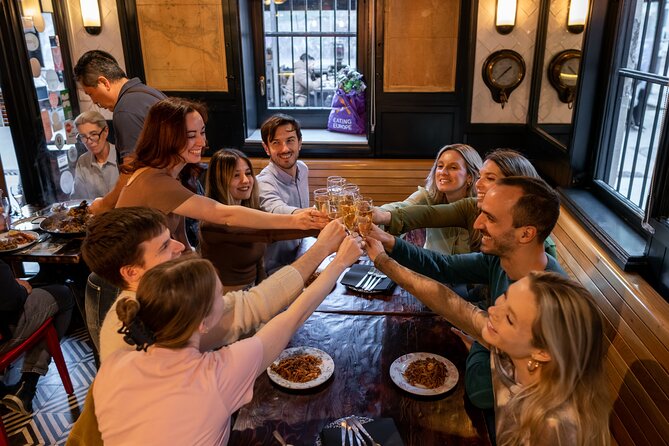
Next up is Euskal Etxea Taberna in El Born. This is where the tour shifts from Catalan plates to the Basque-style world of pintxos. You get a choice—one pintxo of your pick—and it’s paired with a Basque-style vermut cocktail.
The order-and-pick part is fun because it turns you into a participant, not a spectator. You’re deciding on the spot, then tasting while your guide connects the dish style to the region’s food culture. If you’ve ever liked markets and tapas hopping, this is the stop that scratches that itch the hardest.
One practical note: El Born alleys can be tight, and you’ll be moving in a small group. If you tend to get overwhelmed in busy streets, take your time with the pintxo selection and use the brief sitting moments to reset.
Can Ramonet in Barceloneta: fideuà in an old house with Cava
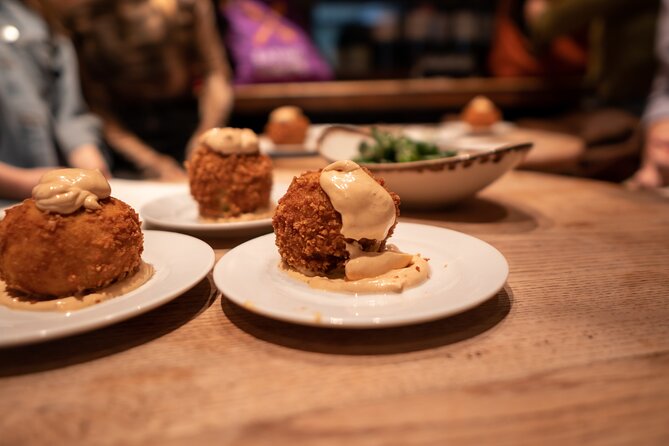
For the third savory moment, you head to Restaurant Can Ramonet in Barceloneta. This one’s a standout setting: it’s in an old house dating back to the 1700s, and it’s tied closely to the Barceloneta food ecosystem, including fresh sourcing linked to the market area.
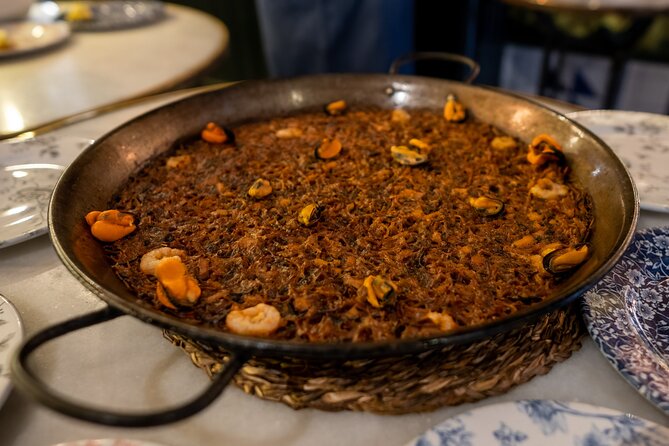
Instead of a typical paella plate, you’ll taste fideuà, which is often described as a noodle-paella style dish. Here it comes with alioli, and it’s paired with a glass of Cava.
Why this stop works: fideuà is one of those dishes that feels familiar if you know paella, but different enough to make the tour feel like more than a repeat of the same theme. Also, eating in a long-running, multi-generation restaurant helps the meal feel grounded in place rather than staged for tourists.
This is another short stop—about 20 minutes—so it’s best enjoyed with the mindset of: taste, ask, and then let the walk carry you forward.
Forn de pa Balboa: the sweet landing zone
Every good tapas evening needs a finish, and this tour includes it via Forn de pa Balboa. It’s known for supplying Catalan pastries to venues across the city, and you’ll taste a traditional regional pastry for the sweet end of the experience.
This matters more than it sounds. If you’ve spent the previous hours eating savory dishes and drinking, a pastry stop prevents that “I’m done” feeling before you’ve actually built a complete meal arc. Plus, pastry is one of the easiest ways to take a taste of Catalonia with you, even if your main meals will be different on other nights.
If you have a sensitive stomach or you tend to eat slowly, go easy here—sweet pastries are great, but you might want to pace it instead of rushing to “finish the tour.”


The walk between churches and coast: Gothic alleys, seafront views, and La Carassa
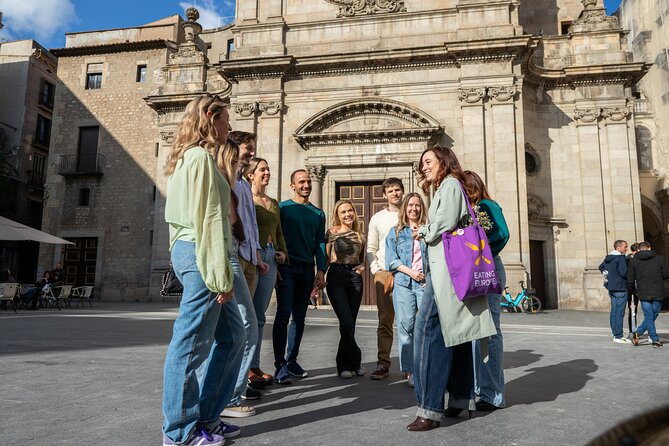
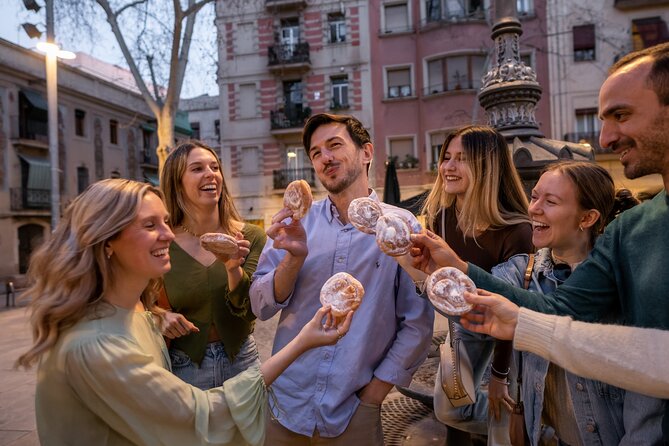
After the food stops, the experience becomes more of a guided stroll through Barcelona’s character zones. You’ll move through the medieval alleys of El Born, passing Passeig del Born and the famous Santa Maria del Mar area, described as a medieval Gothic church built over 60 years by locals of El Born.
You’ll also see Basilica de la Mercè landmarks along the way and learn how different eras and local effort shape what you see today. One description calls out a second basilica connected to the city’s patron, with two distinct construction eras and a medieval Madonna. Even if you don’t remember every architectural term, you’ll understand the why behind what looks “old” at first glance.
As the walk continues, the tour shifts toward the sea with Barceloneta charm. You’ll pass Marina Port Vell, enjoy the seaside walkway atmosphere, and hear about La Carassa, a hidden-style carving. The route also includes the original location of the Barceloneta market, still serving local restaurants, which is a key reason Barceloneta food culture stays alive and fresh.
If you like photo stops, this is where you’ll want your phone charged. If you don’t, just take in the feel: you’re seeing how the city’s religious architecture and coastal life sit side by side, and the guide ties it back to what people eat where—and when.
Price, portions, and whether $114.93 makes sense for you
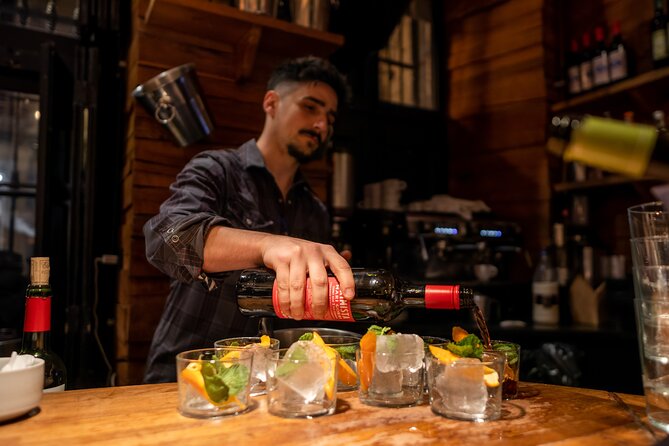
This tour costs $114.93 per person and runs about 3 hours 30 minutes. With that price, you’re paying for a few things at once: a timed route across multiple neighborhoods, multiple food tastings (including specific dishes), several drink pairings (white wine, vermut, Cava), and a guide who connects food to place and local culture.
Here’s the balanced truth: some people feel it’s pricey for the amount and quality they received, saying the food felt available elsewhere and not special enough for the cost. Others say the opposite—calling out that there was more food than expected and that the guide’s pace and extra stops made it feel like better value.
So how do you decide? I’d treat this as a tapas sampling plus guided culture, not a full dinner. You’ll likely still want a real meal afterward if you’re very hungry. If you enjoy tasting multiple styles—Catalan plates, pintxos decision-making, and a paella-adjacent dish—then the price can feel reasonable because you’re getting variety plus context, not just one big meal.
If your top priority is maximum quantity, this may frustrate you. If your top priority is learning how Barcelona’s food culture links to neighborhoods and traditions, you’re in the right lane.
Dietary needs and who this tour suits best
The tour notes that vegetarian and gluten-free diets can be accommodated, but vegan diets can’t be handled. If you’re vegan, you’ll need a different option.
It also fits well if you:
- want a short, structured introduction to Barcelona’s food neighborhoods
- like asking questions in a small group
- enjoy walking and mixing food with cultural stops
It’s also good for first-time visitors who want a fast way to get bearings: you start in the Gothic Quarter area and end near Barceloneta, with plenty of landmarks along the route.
Should you book this Barcelona side-streets tapas and wine tour?
I’d book it if you want a guided food route that goes beyond ordering and actually explains why certain dishes show up in specific neighborhoods. The combination of small-group time, multiple tastings, and a walking route through El Born into Barceloneta is the kind of experience that helps you understand a city faster than a list of attractions ever will.
I would skip—or at least rethink—if you’re extremely sensitive to walking time or you only enjoy tours where portions feel like a full meal. Also, if you’re vegan, this option won’t fit based on the stated dietary limits.
If you do book, wear comfortable shoes, go in ready to taste, and plan for an extra meal later. That way, you get the fun part—the back streets, the wine rituals, and the story behind each bite—without feeling shortchanged.
FAQ
FAQ
How long is the Barcelona Side Streets Tapas & Wine Tour?
It runs about 3 hours 30 minutes.
Where does the tour start and end?
It starts at Plaça de la Mercè (Ciutat Vella) and ends at Plaça de la Barceloneta (Ciutat Vella).
What is the maximum group size?
The tour has a maximum of 12 travelers.
What language is the tour offered in?
The tour is offered in English.
What food and drinks are included?
You’ll taste iconic tapas and dishes such as aubergine-based items, pa amb tomàquet, and fideuà with alioli. Drinks included can include Basque vermut, Cava, and white wine served from a traditional porrón.
Can vegetarians or gluten-free diners join?
Yes for vegetarian and gluten-free diets. Vegan diets aren’t accommodated.
Is hotel pickup included?
No, hotel pickup/drop off isn’t included.
Can I cancel for a full refund?
Yes, you can cancel for free up to 24 hours in advance for a full refund.
If you tell me your travel dates and whether you’re vegetarian or gluten-free, I can help you decide if the timing and food style match what you’re hoping for.