REVIEW · EVORA
Casa Relvas, Évora – Visit to the Winery with Tasting of Portuguese Grape Varieties and Tapas
Book on GetYourGuide →Operated by Casa Relvas Lda. · Bookable on GetYourGuide
Casa Relvas turns grape science into something you can actually taste. You get a production-floor walkthrough and then a hands-on tasting of five Portuguese grape varieties with tapas and olive oil. I love the way the visit explains real choices—stainless steel tanks vs oak—and then backs it up in the glass. I also like that the tasting isn’t just sipping; it’s paired with food and olive oils so you can connect flavors fast. The main drawback: at 90 minutes, it moves at a good clip, so if you want a long, slow discussion about one favorite wine, you may feel slightly rushed.
This is the kind of winery tour that feels rooted in everyday work. The experience is built around a family desire to stay connected to the land, and the tour is designed to show you that working rhythm—from grape arrival to fermentation to aging. Just keep in mind that the live guide can speak Spanish, English, or Portuguese, and some parts may appear in the original language.
In This Review
- Key things to know before you go
- Casa Relvas in the Évora area: a winery visit that feels like work
- The production walkthrough: grape reception, pressing, and fermentation
- Grape reception and handling
- Destemming and pressing
- Fermentation control: stainless steel tanks vs oak barrels
- The aging cellar lesson: how barrel choices affect what you taste
- The tasting of 5 Portuguese wines, tapas, and olive oils
- How the tasting is set up
- What to pay attention to
- Price and time: what $76 buys you in 90 minutes
- Languages and how to get the most from the guide
- Who this tour suits best in Évora District
- Should you book Casa Relvas with tasting and tapas?
- FAQ
- How long is the Casa Relvas winery visit with tasting and tapas?
- What is included in the tasting at Casa Relvas?
- Is there a guide during the visit?
- What do you see during the winery portion?
- Do you get to visit the aging cellar?
- What is the price for this experience?
- What’s the cancellation policy?
Key things to know before you go
- A family-run sense of place: the tour is framed as everyday winery life, not a staged performance.
- You’ll see the steps: grape reception, destemming, pressing, and alcoholic fermentation are part of the walk-through.
- Stainless steel vs oak, explained clearly: temperature control, tank vs barrel logic, and what each tends to do to wine.
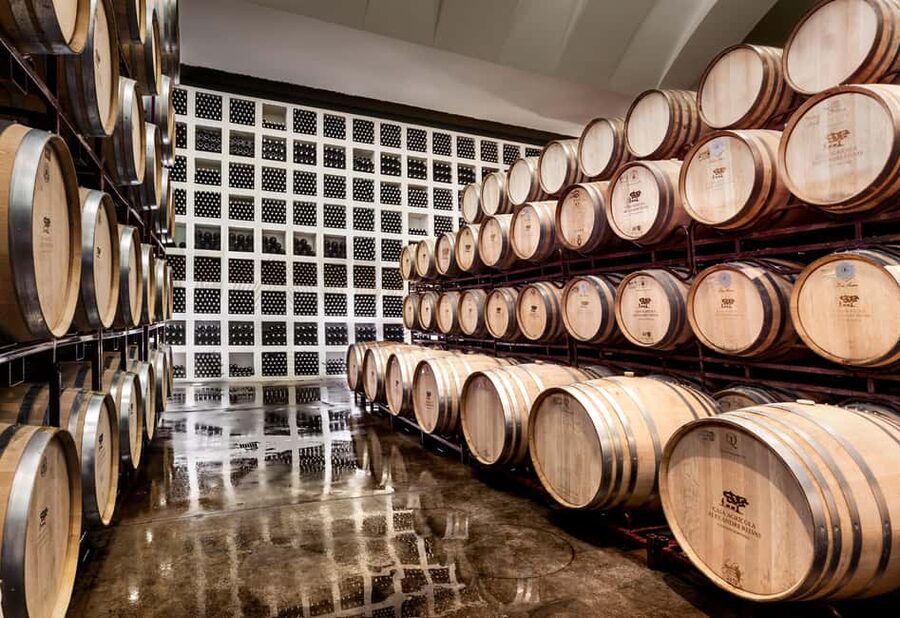
- Aging-cellar barrel criteria: you learn how oak origin, toasting, and barrel capacity affect sensory results.
- Tasting with structure: five single-varietal wines followed by tapas and Casa Relvas olive oils.
Casa Relvas in the Évora area: a winery visit that feels like work
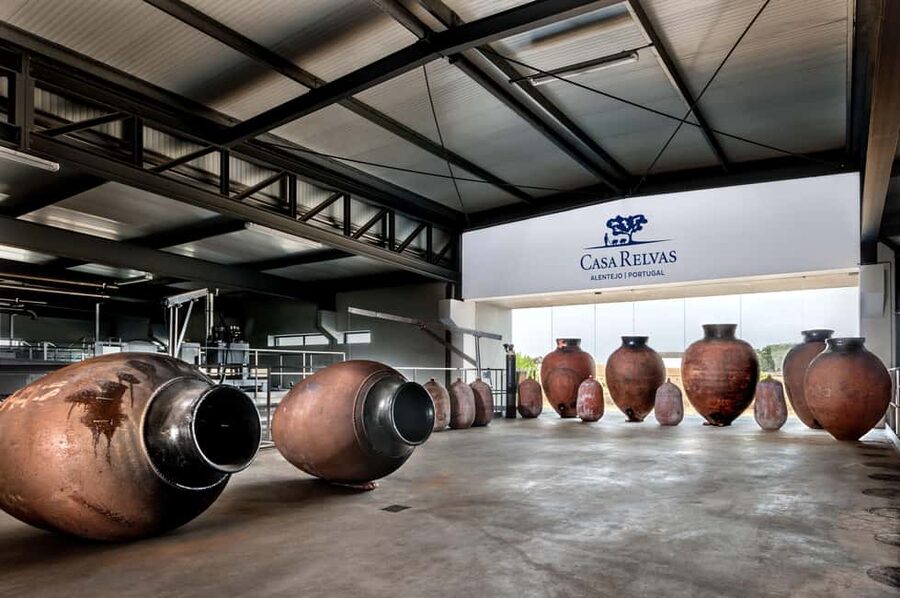
Casa Relvas was born from a family connection to the land. That matters because this tour doesn’t pitch winemaking as magic dust. It treats it like a real process with real decisions. You’ll start with a reception at the winery, where you’re set up with the property background and the region’s terroir. Even if you’re not a wine expert, that first context helps you understand why the grapes behave the way they do in Alentejo.
One thing I like is the vibe described by visitors who did private tours: the guides focused on giving time and sharing actual know-how, not just reciting facts. Ana was specifically praised for being generous with her time and knowledge, even when the group was just one person. Another guide, Anna, got high marks for being informative, and people left with bottles in hand. That suggests the tour is built for questions, not just watching.
The production walkthrough: grape reception, pressing, and fermentation
The main body of the visit is a guided look at how wine actually gets made. You’ll observe the process from grape reception through the early stages—destemming, pressing, and alcoholic fermentation—plus you’ll get explanations about how winemakers control outcomes.
Here’s what you can expect, and why it’s worth caring about:
Grape reception and handling
You’ll be shown the grape reception stage, which is where winemaking either starts clean or starts with problems. The explanation is meant to make you see that the process isn’t only about flavor later—it’s about decisions right away, before fermentation ever begins.
Destemming and pressing
Destemming and pressing come next in the walk-through. This is where the tour starts translating the “why” into practical terms. Even if you don’t remember every technical phrase, you’ll usually get the gist: different handling steps influence what reaches the fermenting vessel and how the wine will develop.
Fermentation control: stainless steel tanks vs oak barrels
This is one of the best parts of the experience for curious beginners. You’ll hear about the use of stainless steel tanks versus oak barrels and how temperature control plays into fermentation. The tour explains that tanks and barrels aren’t just containers—they shape flavor expression and texture in different ways.
If you’re the type who likes to connect process to result, you’re going to enjoy this section because it sets up the tasting. When you later compare wines, you’re already holding a mental checklist: what did they ferment in, and how might that show up on the palate?
The aging cellar lesson: how barrel choices affect what you taste
After the main production walk, you can visit the aging cellar. This part is especially useful if you’ve ever wondered why two wines made from different grapes—or even the same grape—can taste so different.
In the cellar, the guide explains the criteria winemakers use when selecting barrels:
- Origin of the oak
- Toasting level (how the wood is treated)
- Capacity (barrel size)
Then comes the sensory impact—how these barrel factors influence aroma, flavor, and overall wine character. This is where your tasting stops being random and starts being “testable.” You can walk into the tasting knowing there are specific levers behind the scenes, and that makes the comparisons feel smarter.
Practical tip: in this section, you’ll get more out of it if you take quick notes (even phone notes). After you’ve tasted five wines, they can start to blend in memory. A tiny reminder like “oak toast + aroma change” can help you lock in what you learned.
The tasting of 5 Portuguese wines, tapas, and olive oils
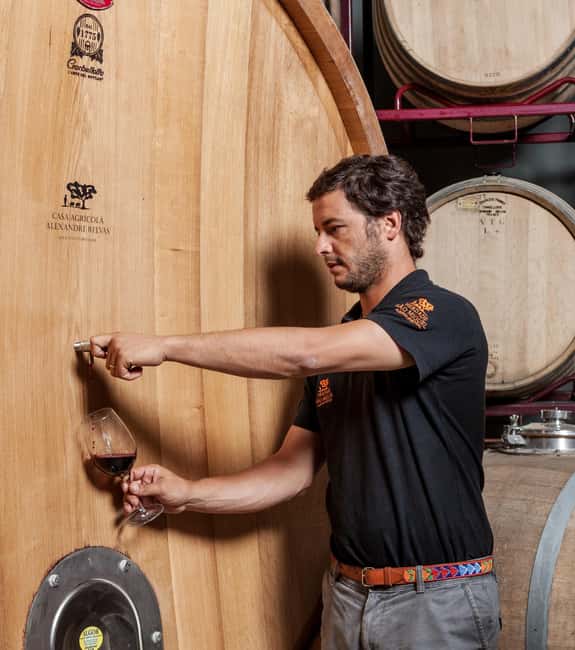
Now for the payoff: tasting of five wines plus tapas and Casa Relvas olive oils. The wines are described as five single-varietal wines, which is a big deal if you want clarity. Instead of tasting mixed blends where multiple grape influences overlap, single-varietal tasting helps you focus on how each grape expresses itself.
How the tasting is set up
The pacing is straightforward: you’ll taste five wines, and the experience is paired with tapas and olive oils. That pairing angle is practical. Olive oil and food give you a way to reset your palate and test whether a wine’s character feels better with savory flavors.
What to pay attention to
You’ll get the most out of this tasting by doing simple comparisons:
- How does the wine change after a bite of tapas?
- Do you notice more structure or more fruit?
- When the wine shows wood influence, does it feel more toasted/spiced or more smooth and rounded?
Because you’ve already been shown stainless steel vs oak and barrel-aging criteria, you’ll likely find yourself connecting dots without even trying.
And yes, this is the sort of tasting where it’s believable you might buy bottles. In fact, visitors specifically mentioned purchasing a couple of bottles after their tasting, which usually means the wines landed well for their personal tastes—not just the “tour experience.”
Price and time: what $76 buys you in 90 minutes
$76 per person for a 90-minute winery visit with a production walkthrough, cellar discussion (when included), and tasting of five wines plus tapas and olive oils is fairly good value—especially if you usually find tastings alone overpriced.
Here’s why it’s not just “paying for wine”:
- You’re paying for guided explanations tied to what you’ll taste.
- You’re getting food pairing (tapas) plus local olive oil, not only sips.
- You’re getting a structured tasting with five single-varietal wines, which gives you a clearer learning and comparison experience.
The tradeoff is time. Ninety minutes is enough for a strong overview, but it’s not enough for deep technical rabbit holes for everyone in a group. If you’re coming for maximum cellar time or maximum conversation, choose the tour language that you’re most comfortable with so you don’t miss nuance.
Languages and how to get the most from the guide
The tour offers a live guide in Spanish, English, and Portuguese. That’s a big advantage in a winery setting because wine terms can be confusing in a second language. If you’re not fluent, picking your strongest language can turn the experience from interesting to genuinely understandable.
One small consideration: some content may be shown in its original language. That doesn’t necessarily ruin the experience, but it does mean you should stay mentally active—listen for the key points even when you see text that you can’t fully decode.
Who this tour suits best in Évora District
This is a smart choice if you want Alentejo wine without the heavy “I’m drowning in jargon” feel. You’ll likely enjoy it if:
- you’re curious about how decisions during production affect flavor later
- you want a tasting that’s organized (five single-varietal wines)
- you like food pairings and olive oil as part of the wine experience
It’s also a nice option for solo visitors. In one private tour experience with Ana, the guide was praised for sharing lots of knowledge even when the group was just one person. So if you like one-on-one pacing or asking questions, this style can work well.
If you’re a hardcore wine nerd and you want long, late-stage aging chemistry details, you might find the format a bit broad. But for most people, it hits the sweet spot: practical process plus a rewarding tasting.
Should you book Casa Relvas with tasting and tapas?
I’d book it if you want an organized, high-value winery visit in the Évora District that teaches you just enough to make the tasting click. The combination of production walkthrough, barrel-aging explanations, and a tasting built on five single-varietal wines plus tapas and olive oils is the core reason this works.
Skip it only if you already know you prefer tastings without food pairing or you want a slow, ultra-technical cellar session. At 90 minutes, the pace is meant to give you breadth.
If you’re deciding between “just tasting” and “learn while tasting,” Casa Relvas leans toward the second option—and that usually makes the experience more satisfying after you leave the winery.
FAQ
How long is the Casa Relvas winery visit with tasting and tapas?
The duration is 90 minutes.
What is included in the tasting at Casa Relvas?
You’ll taste five single-varietal wines from Casa Relvas, along with tapas and olive oils from Casa Relvas.
Is there a guide during the visit?
Yes. It is a live guided tour, available in Spanish, English, and Portuguese.
What do you see during the winery portion?
You observe grape reception, destemming, pressing, and alcoholic fermentation. You also get explanations about stainless steel tanks versus oak barrels and temperature control.
Do you get to visit the aging cellar?
Yes, it’s possible to visit the aging cellar, where you learn the criteria for choosing barrels (oak origin, toasting, capacity) and how these choices affect sensory impact on the wine.
What is the price for this experience?
The price is $76 per person.
What’s the cancellation policy?
Free cancellation is available up to 24 hours in advance for a full refund.