REVIEW · CORDOBA
Wine Tasting and local tapas delight in Cordoba
Book on GetYourGuide →Operated by Konexion Tours · Bookable on GetYourGuide
Córdoba turns wine lessons into a real evening. I love how the specialist makes Montilla-Moriles feel clear and approachable, and I love the lineup of four distinct styles, from Fino to Pedro Ximénez, with breadsticks and Córdoba zero-kilometer tapas. One consideration: this is a tasting class, not a full meal, so don’t expect a heavy dinner.
You don’t need to know wine first. I like that the pace is friendly and step-by-step, and you leave with detailed wine sheets plus a personalized certificate to keep the flavors straight later.
You’ll meet in central Córdoba at Plaza del Triunfo or Puerta del Puente (depending on your booking), then do the tasting class and get dropped back near the same spots. The guide speaks Spanish, English, or French, and the whole format is set up for adults only, since it isn’t suitable for kids under 18.
In This Review
- Key Things I’d Actually Prioritize
- Why Montilla-Moriles Feels Different in Córdoba
- Where You Start: Plaza del Triunfo or Puerta del Puente
- The 90-Minute Flow: How the Tasting Unfolds
- The Four-Wine Flight: Fino, Amontillado, Oloroso, Pedro Ximénez
- Fino
- Amontillado
- Oloroso
- Pedro Ximénez
- Criaderas and Solera Aging: The Lesson That Makes the Wines Click
- Picos de Pan and Córdoba Tapas: What to Expect with Each Pour
- Price and Value: Is $76 Worth It?
- Who This Experience Fits Best (and Who Might Prefer Something Else)
- Small Practical Notes That Matter
- Should You Book This Montilla-Moriles Wine Tasting with Tapas?
- FAQ
- How long is the wine tasting in Córdoba?
- How much does the experience cost?
- Which wines will I taste?
- Are picos de pan and tapas included?
- Where do I meet in Córdoba?
- What languages are the guides available in?
- Is it suitable for children?
- Can I cancel and pay later?
Key Things I’d Actually Prioritize
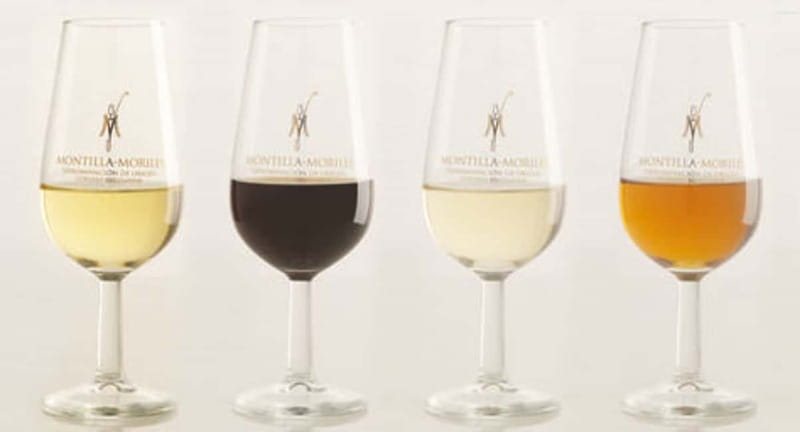
- Montilla-Moriles, explained in plain language: You’ll learn what makes these naturally aging wines different.
- Four wines, four moods: Fino, Amontillado, Oloroso, and Pedro Ximénez in one focused tasting.
- Criaderas and solera, made understandable: You’ll connect the aging system to what you taste.
- Córdoba-focused tapas to match the pours: Breadsticks (picos de pan) plus three local bites.
- Guides named for passion and care: Natalia (also written Nathalia) comes up in feedback as especially engaging.
Why Montilla-Moriles Feels Different in Córdoba
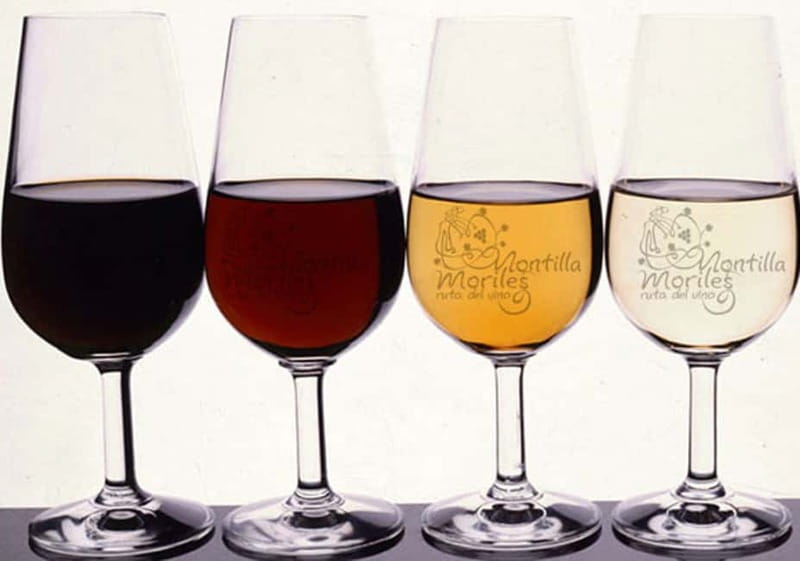
Montilla-Moriles isn’t just another wine stop in Andalusia. It’s an Appellation of Origin from the Córdoba area with a reputation for wines that age in a very specific way, and that aging shapes everything you smell and taste.
Here, the core idea is natural aging. In practical terms, you’re tasting wine that’s been allowed to develop over time through traditional methods rather than being pushed by modern shortcuts. That means the aromas and flavors tend to show structure and maturity, not just fruit.
You’ll also learn the identity piece: why Montilla-Moriles has its own character even when it sits in the broader universe of fortified-style wines. The lesson helps you taste with your brain engaged, but without turning it into an exam.
You can also read our reviews of more tours and experiences in Cordoba.

Where You Start: Plaza del Triunfo or Puerta del Puente
Córdoba’s old center is easy to find once you’re in the right pocket of town. This experience gives you two starting options: Plaza del Triunfo or Puerta del Puente.
In my view, picking one meeting point over the other is all about your day’s walking plan. If you’re already orbiting the Mezquita area and want to stay close, Plaza del Triunfo is often a convenient anchor. If you’re drifting near the bridge area, Puerta del Puente tends to fit better.
Either way, you do the tasting class, then you’re dropped off at one of the same central locations. That keeps the experience from turning into a long transfer day.
The 90-Minute Flow: How the Tasting Unfolds
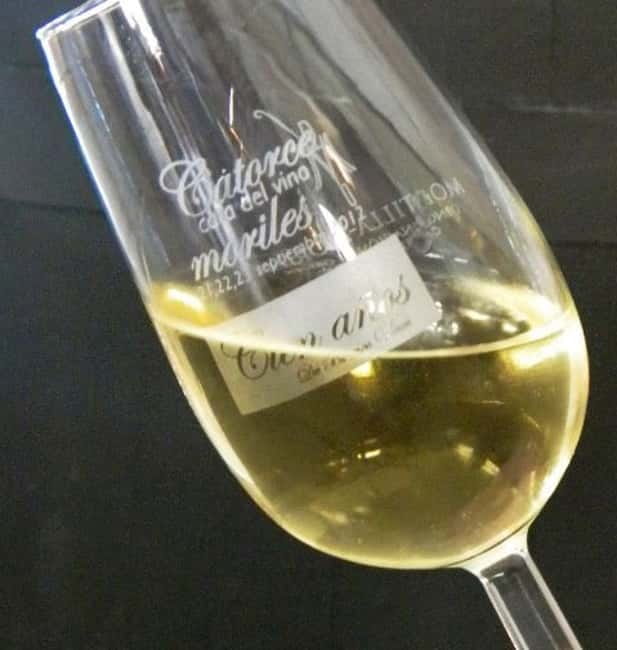
This class runs about 90 minutes, with some bookings stretching toward two hours. That matters because you get enough time to learn, taste, and ask questions, but not so much that you’ll be standing around with your glass getting warm.
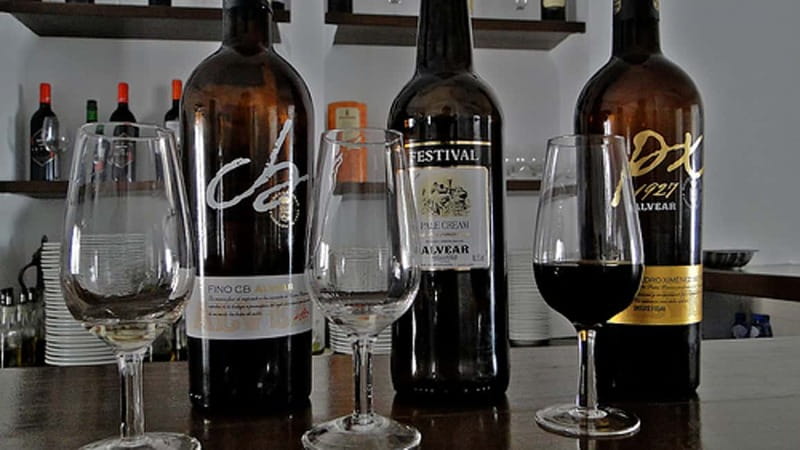
Expect a guided tasting of four wines, and each one is used to teach you something. The goal isn’t only to name styles; it’s to show how aging practice and wine character connect in your cup.
You’ll also get a take-home wine sheet for each wine. That’s useful later when you’re trying to remember the differences between Fino’s lighter profile versus Pedro Ximénez’s deeper sweetness.
And yes, there’s a local specialist running the show. If you’re the type who likes to understand what you’re drinking, this is where the value really shows up.
The Four-Wine Flight: Fino, Amontillado, Oloroso, Pedro Ximénez
Let’s talk about the flight itself, because it’s where the evening becomes memorable.
Fino
Fino is usually the lighter starting point in this world. You’ll learn how it fits into the overall Montilla-Moriles story, including how its development connects to the aging system. In a guided tasting, Fino often acts like a baseline so your later comparisons feel obvious.
Amontillado
Amontillado typically brings more complexity than the first pour. The guide’s job here is to help you catch the differences in aroma and flavor without overcomplicating the explanation. You’re not just tasting; you’re training your senses to spot what changes with time and method.
Oloroso
Oloroso shifts the character again. This is where the glass often starts feeling richer and more structured. The point of this stop is to show how the same origin area can produce noticeably different styles.
Pedro Ximénez
Then comes Pedro Ximénez, which is the one people often talk about because it can feel dramatically sweeter and deeper. The tasting experience places this at the end so your palate is ready for the style shift. It’s a good move because it turns the final pour into a satisfying finish, not a surprise you didn’t have the context for.
If you’re into variety, this four-step arc is smart. If you’re looking for a tasting where you sample many unrelated grape types, you might find the scope focused rather than wide-ranging. This experience is about Montilla-Moriles specifically—and that’s the deal.
Criaderas and Solera Aging: The Lesson That Makes the Wines Click
One of the headline topics is criaderas and solera aging, and you’ll get an explanation that’s meant to be clear, not intimidating.
Here’s the practical way to think about it. The system uses layered barrels arranged in a way that supports continuous aging. New wine isn’t just sitting untouched; it’s integrated into the aging flow and then gradually becomes part of the future bottling lots. That structure helps create consistency and also builds complexity over time.
Why does that matter for you as a taster? Because it connects the wine’s depth to a method you can actually picture. Once you understand the system, differences like lighter versus richer styles stop feeling random.
You’ll also learn how the grapes develop into wines that are described as unique in the world for their quality and versatility, and you’ll hear how the elaboration process supports that natural outcome. In plain terms: you’ll get a framework that helps you taste with meaning.
And if you’re worried you’ll freeze up because you don’t know wine terms, don’t. The guide is there to walk you step-by-step, and the tasting sheet helps reinforce what you learn in the room.
Picos de Pan and Córdoba Tapas: What to Expect with Each Pour
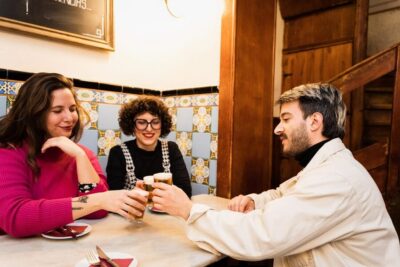
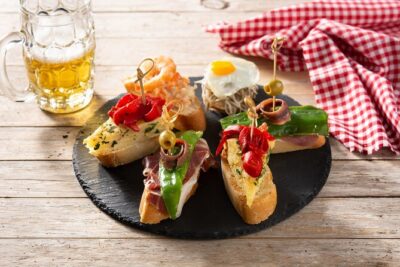
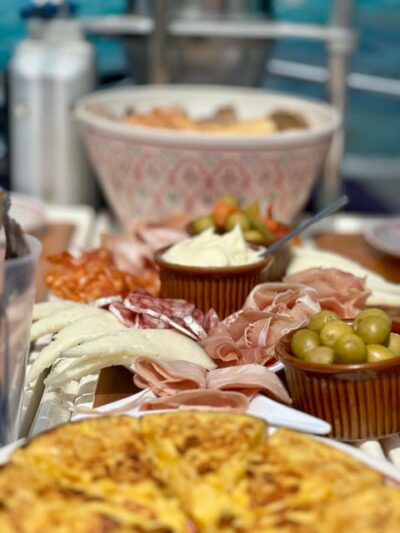
Wine tastes better with food, and the experience doesn’t ignore that. You’ll start with traditional Andalusian breadsticks called picos de pan, used as a palate-friendly companion during the tasting.
Then you’ll get three tapas, described as local and selected with origin and quality in mind—zero-kilometer products from the Córdoba area. That sounds like marketing, but it’s actually a smart approach: it keeps the food anchored to the same region you’re learning about.
Food pairing during a tasting class usually matters in two ways:
- It keeps your palate from getting dull between pours.
- It changes how the wine’s sweetness, saltiness, and spice read in your mouth.
One note to keep your expectations realistic: a smaller-snack format can feel underwhelming if you came hungry. There’s an example in the feedback of bites described as very small, with minimal cheese and salami pieces. So if your plan is dinner first, wine class second, you might want to eat earlier and treat the tapas here as tastings, not a meal.
Price and Value: Is $76 Worth It?
At $76 per person, you’re paying for more than four drinks. You’re buying instruction, structured tasting time, and take-home materials.
Here’s where value comes from in a setup like this:
- Four wines in one guided sequence (Fino, Amontillado, Oloroso, Pedro Ximénez).
- A detailed wine sheet for each wine, so the learning doesn’t evaporate at the end of the evening.
- A personalized certificate, which is a small thing, but it’s a real keepsake for people who like to remember experiences.
- Food support with picos de pan plus three local tapas, so the tasting isn’t just wine in isolation.
- A specialist guide who can explain criadras and solera in a way that helps you connect method to flavor.
If you already know how Montilla-Moriles works, you may feel like it’s more of a refresher than a revelation. But if you want to understand why these wines taste the way they do, the price can feel fair because you’re paying for interpretation, not just samples.
The only strong argument against it is scope. The tasting focuses on Montilla-Moriles styles, not a broad mix of wine regions or grapes. If you want a bigger range, you might prefer a bar-and-tapas route where you can mix drinks freely. If you want focused depth in Córdoba’s signature wine world, $76 buys you that structure.
Who This Experience Fits Best (and Who Might Prefer Something Else)
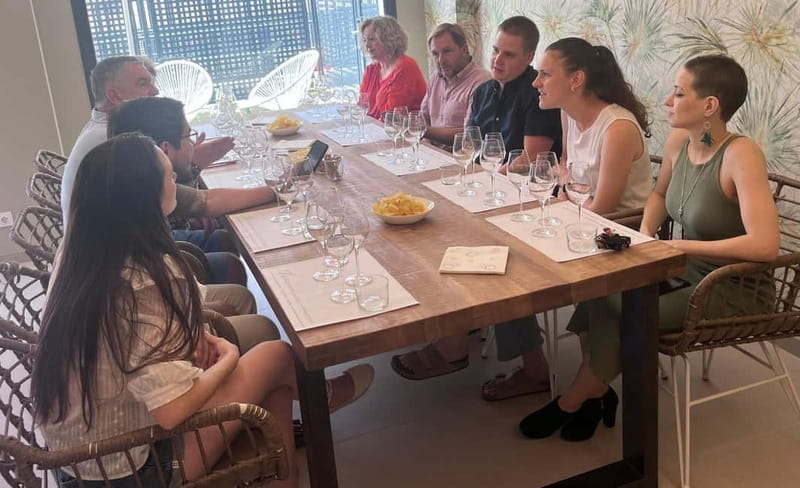
This is a great match if you:
- Like guided tasting where you learn the why, not only the what.
- Want an Andalusian evening that blends wine and local food.
- Enjoy fortified-style or naturally aging wines and want context for what you taste.
- Prefer a short, tidy time block (90 minutes to two hours) that doesn’t swallow your whole day.
It’s less ideal if you:
- Came expecting a full dinner with generous tapas portions.
- Want a tasting menu of many different wine styles outside Montilla-Moriles.
- Are traveling with kids. The experience isn’t suitable for under-18s.
As for the guide experience, the feedback specifically calls out Natalia (also spelled Nathalia) as passionate and attentive. That’s a good sign for anyone who’s worried about getting stuck with a dull, rushed explanation.
Small Practical Notes That Matter
A few details help you plan without stress.
- The guide language options are Spanish, English, and French, so you can choose what fits you best.
- You can book as a private group if you want a calmer pace and more direct Q&A.
- The experience is wheelchair accessible.
- It’s set up to skip the ticket line, which can help in a busy city center.
If you like flexibility, your booking may allow pay-later and free cancellation up to 24 hours before. Keep an eye on the options shown at checkout so you pick the most flexible version.
Should You Book This Montilla-Moriles Wine Tasting with Tapas?
Book it if you want a guided, Córdoba-specific wine lesson with a focused tasting of Fino, Amontillado, Oloroso, and Pedro Ximénez, plus local tapas you can actually enjoy alongside the pours. The take-home wine sheets and the certificate make it feel like more than just a quick drink stop.
Pass or consider alternatives if your main goal is a long, heavy meal or a wide-ranging wine sampler. This is about Montilla-Moriles and the aging system behind it, and it delivers that focus.
If you’re curious about how traditional criaderas and solera aging changes what’s in your glass, this is the kind of experience that makes that connection feel real.
FAQ
How long is the wine tasting in Córdoba?
It lasts about 90 minutes to 2 hours.
How much does the experience cost?
The price is listed as $76 per person.
Which wines will I taste?
You’ll taste four Montilla-Moriles wines: Fino, Amontillado, Oloroso, and Pedro Ximénez.
Are picos de pan and tapas included?
Yes. You’ll get traditional breadsticks (picos de pan) and three local tapas included with the tasting.
Where do I meet in Córdoba?
The meeting point can vary based on the option you book, with starting locations including Plaza del Triunfo and Puerta del Puente.
What languages are the guides available in?
The tour guide is available in Spanish, English, and French.
Is it suitable for children?
No. It is not suitable for children under 18.
Can I cancel and pay later?
The experience offers free cancellation up to 24 hours in advance for a full refund, and it also supports reserve now and pay later options.