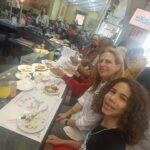
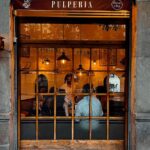
Vermut, fried bombas, and local bars in Gràcia. I love how this Barcelona tapas tour stacks up 7+ generous Catalan tastings inside real neighborhood spots, and I love that it guides you through Gràcia, a part of the city that still feels like locals hang out after work. In just 150 minutes, you get the classic dishes most visitors miss, plus the food-culture stories that make the plates make sense.
The main thing to consider: like many small bar-hopping plans, you might run into a stop that’s closed or slightly changes the order, and the guide may have to adjust on the fly.
In This Review
- Key things to know before you go
- Gràcia after dark: a Barcelona neighborhood that still feels local
- Meeting at Monument a Clavé: how the start sets the tone
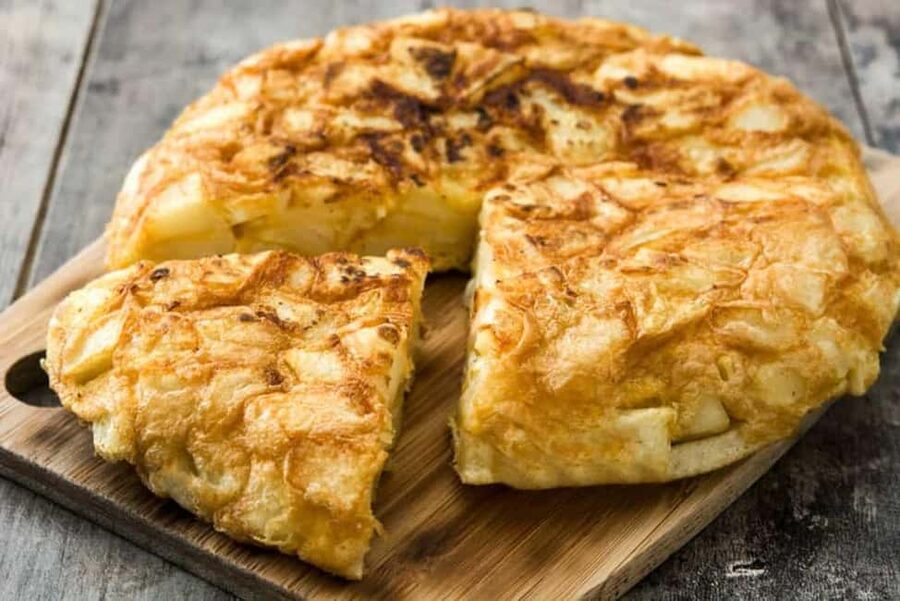
- Stop 1 at Bar Bodega Can Ros: tortilla with jamón and botifarra comfort food
- Vermuteria Puigmartí for vermut: the pre-lunch ritual that locals actually keep
- Croq & Roll Croqueteria: the croquetas factor
- Casa Pagès: where the bomba shows up
- La Pepita for crema catalana: cracking the caramelized top
- Food value: why $106 makes more sense than it looks
- Guide energy and group chat: small group perks that matter
- What I recommend you do before and during
- Who this Gràcia tapas tour suits best
- Should you book Eat Like a Local in Gràcia?
- FAQ
- How long is the Gràcia Catalan tapas tour?
- How many tastings and stops are included?
- What food and drink are included?
- Is vermouth included for everyone?
- Where does the tour start and end?
- What’s the group size and accessibility?
Key things to know before you go
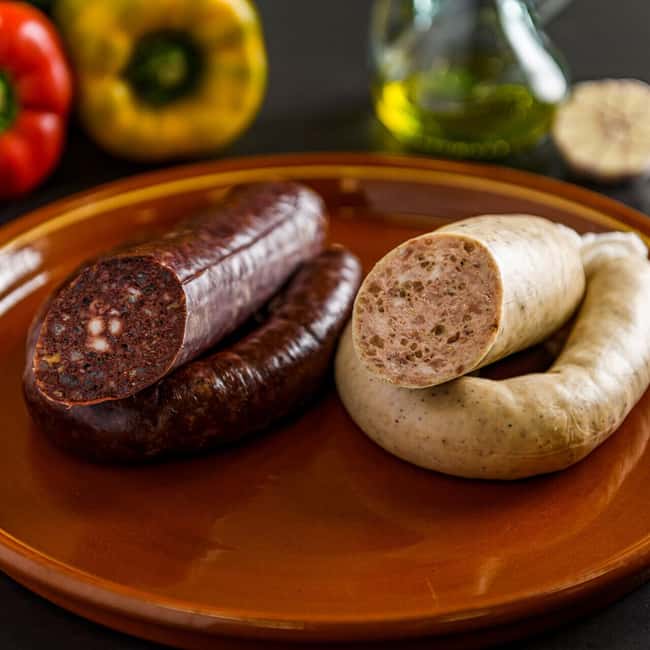
- Gràcia, not the tourist core: leafy streets, local plazas, and quieter bars.
- 5 bar stops, 7+ tastings: tortilla, botifarra, croquetas, bomba, and more.
- The vermut ritual: you’ll try a glass of house vermut (age 16+).
- Small group (max 10): easier pacing, more time to talk with your guide.
- End with dessert at La Pepita: crema catalana is the sweet finish.
Gràcia after dark: a Barcelona neighborhood that still feels local

Barcelona has plenty of “see it, take a photo, move on” energy. Gràcia is different. When you’re walking here, it feels more like you’ve stepped into a lived-in neighborhood than a theme park. That matters on a tapas tour, because Catalan food doesn’t want a rushed audience. It wants time: time to chat, time to order, time to snack your way through a proper evening.
On this experience, the pace is built around that neighborhood rhythm. You’re not sprinting from one Instagram spot to another. Instead, you’re moving along charming streets and small plazas with a guide who’s there to explain what you’re eating and why locals treat it as normal—often daily—comfort food.
Price-wise, $106 for about 2.5 hours sounds like a lot until you look at what it includes. You’re not just getting a single “taster bite.” You’re getting multiple tastings across several local bars, plus one glass of house vermut, and a guided walk through the area. If you’d otherwise pay separately for drinks, tapas, and a guide, the math tends to work out better than it first appears.
You can also read our reviews of more tours and experiences in Barcelona.



Meeting at Monument a Clavé: how the start sets the tone
The tour meets in front of the Clavé Monument. That’s a practical starting point, and it also helps you get your bearings fast before you start eating and wandering.
With a small group limited to 10 participants, the first few minutes matter. You’ll usually have a straightforward check-in, then you’ll shift into walking mode right away. This is the kind of tour where you’ll appreciate that you’re not fighting a crowd. It’s easier to hear the guide, and it’s easier for the group to stay together around turns and narrow streets.
One practical note: since you’re going to be sampling multiple dishes, come hungry but don’t show up with a full stomach you regret. You’ll be tasting things like croquetas and crema catalana, which are satisfying even in small portions.
Stop 1 at Bar Bodega Can Ros: tortilla with jamón and botifarra comfort food
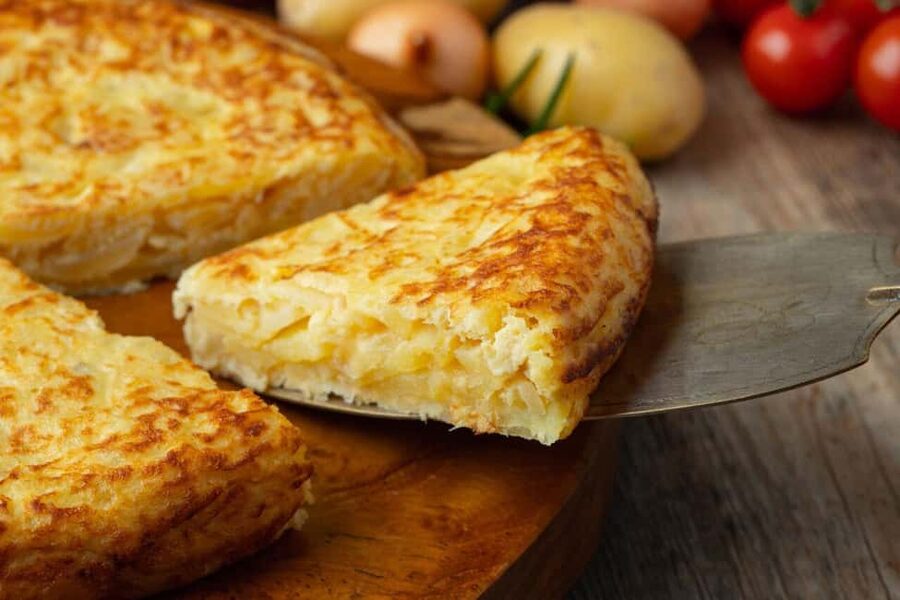
Your first stop is Bar Bodega Can Ros, a traditional bodega style bar. This is where the tour starts doing something smart: you begin with comfort food that locals genuinely rely on.
You’ll taste:
- Tortilla with jamón
- Grilled botifarra sausage
These two items do a nice job of setting the foundation of Catalan flavors. Tortilla with jamón is familiar enough to feel inviting, but the jamón adds that salty, cured depth that makes it more than a generic egg dish. Then botifarra brings you into the meat-and-grill world of Catalonia—simple, hearty, and very “this is what you order when you want something real.”
What I like about starting here: it gives you a baseline. After this, the later stops—croquetas, vermut snacks, and the fried bomba—feel like variations on a theme, not random plates you’re trying to remember.
The drawback to plan for: you’ll likely be eating right away at the first bar. If you’re sensitive to crowds inside tight spaces, go in with the mindset that you’ll need to queue and stand shoulder-to-shoulder for a short while.
Vermuteria Puigmartí for vermut: the pre-lunch ritual that locals actually keep
Next comes the vermuteria: Vermuteria Puigmartí. This stop is a culture lesson disguised as a drink and a snack.
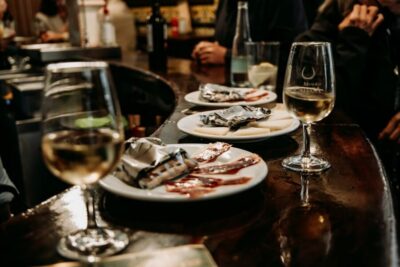
You’ll try a glass of house vermut (served to those over 16) and you’ll also have local snack-style bites—plus you’ll hear how vermut became part of everyday life in Catalonia.
The big idea here is timing. Vermut is not treated like a late-night gimmick. It’s a pre-meal tradition, often paired with conversation and small plates. That’s why this stop fits so well into a walking tour: it makes sense that you’d be moving through neighborhood bars and plazas in the same way locals do.
Practical tip: if you’re over 16 and drink alcohol, pace yourself. One glass of house vermut is part of the experience, but you’re also going to keep walking and eating. If you’re under 16, plan your snacks accordingly—you still get the food culture, but vermut itself isn’t for you.
Croq & Roll Croqueteria: the croquetas factor
Then you’re headed to Croq & Roll Croqueteria for croquetas—those crispy outside, creamy inside bites that Barcelona does with real pride.
Croquetas are one of those foods that can seem basic until you taste a good one. You start to notice the texture: the crunch that doesn’t shatter immediately, and the filling that stays smooth instead of turning oily or grainy. On a good night, croquetas taste like a well-practiced comfort formula.
Why this stop works for your enjoyment: croquetas act like a reset between stronger flavors. After vermut and snack-style plates, croquetas bring you back to something universally satisfying and easy to understand, which helps you stay present on what your guide is explaining.
Also, don’t underestimate how filling croquetas can be. If you’re tempted to overdo it, it’s better to slow down and savor than to try to power through. You’ve still got bomba and dessert waiting.





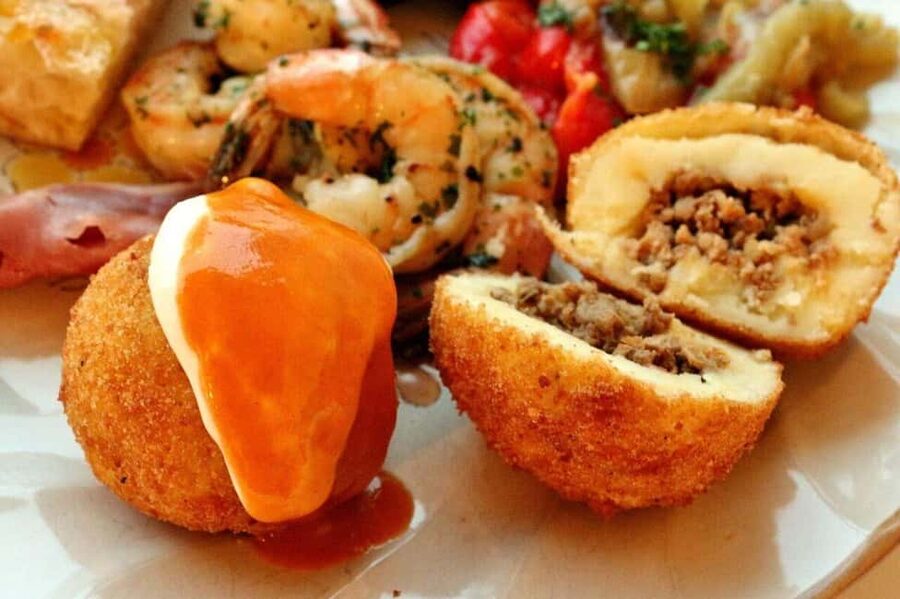
Casa Pagès: where the bomba shows up

Casa Pagès is the stop where things get bold. This is where you’ll try the bomba—a golden-fried potato ball stuffed with meat and topped with spicy sauce.
The bomba is famous for a reason. It’s crunchy, warm, and punchy, with heat coming in from the sauce rather than just from the fryer. The potato base gives it a sturdy chew, while the filling adds weight so it feels like a real tapa, not a snack for show.
A key value of including bomba here: it forces you to think about contrast. The tour isn’t only about what tastes good. It also shows the Catalan habit of mixing textures and intensities across a single evening—something locals expect and plan for.
Logistics consideration: fried food can take a moment to cool. If your order arrives hot, wait a minute before the first bite so you don’t scorch your tongue and miss the flavor.
La Pepita for crema catalana: cracking the caramelized top
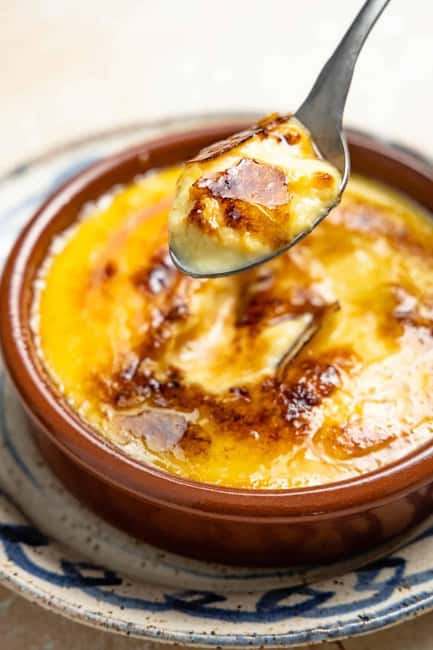
You finish at La Pepita, and dessert is the point. You’ll taste crema catalana, cracking through the caramelized top to reach the silky custard beneath.
This is one of Catalonia’s signature sweets, and it’s the right ending for a tapas-style night. Salt and spice happen earlier. Creamy custard closes the loop.
Here’s what makes the end feel satisfying: you’re not just eating something sweet to end the tour. You’re ending with a dish that has texture drama—the crack of caramel, the pull of custard—so the experience sticks with you longer than a plain pastry would.
If you’re a slower eater, this stop is friendly. Dessert usually gives you a little more time to settle after walking and sampling.
Food value: why $106 makes more sense than it looks
At $106 for around 2.5 hours, this tour isn’t “cheap eats.” But you’re also not paying for a single tasting.
You get:
- 5 authentic local stops
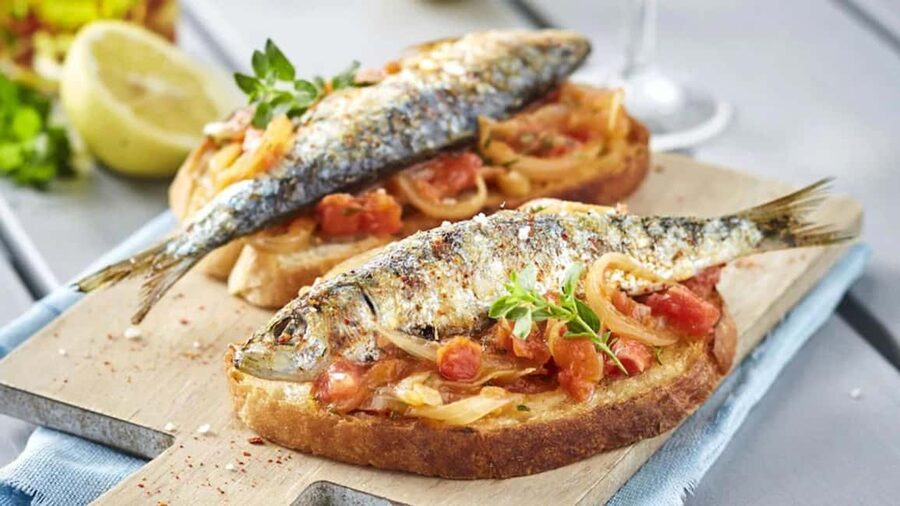
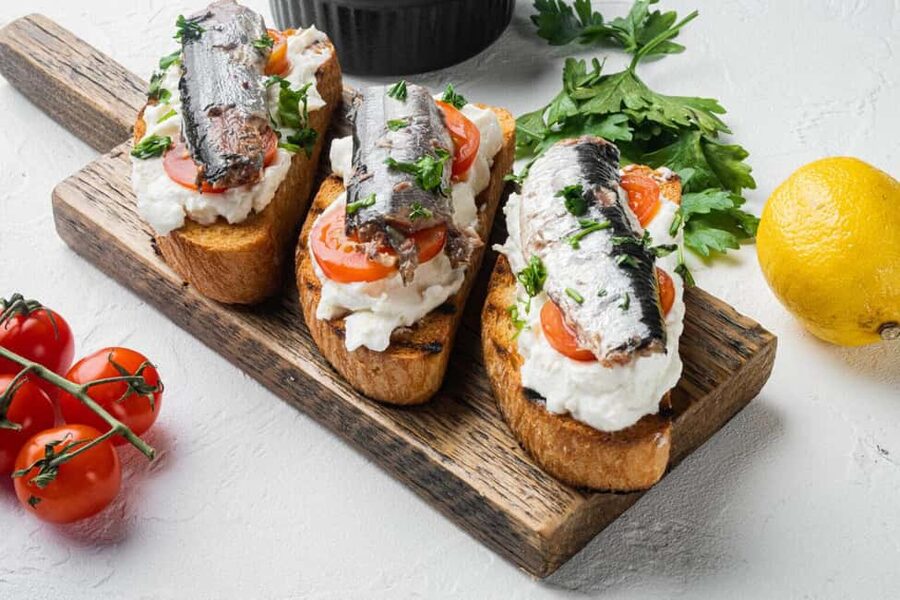
- 7+ generous tastings (including tortilla with jamón, botifarra, croquetas, sardine-topped toast, bomba, and crema catalana)
- 1 glass of house vermut (age 16+)
- A local guide and walking time through Gràcia
If you tried to recreate this on your own, you’d need to find the right bars, figure out what’s actually local, translate menus, and then pay for each drink and tapa separately. Plus, you’d lose the food culture context that helps you understand what you’re eating and how it fits into Catalan life.
I also like that the tastings are spread out. It’s not one bar dumping everything on you. The pacing keeps your palate from getting exhausted too early.
Guide energy and group chat: small group perks that matter
This tour is capped at 10 participants, and you can feel the difference. Your guide can actually talk to you, and you can ask questions without shouting over a crowd.
In past experiences, guides have been friendly and flexible—especially around conversational preferences. One person described really good talks and how the guide, Fafa, handled questions in a natural way. That’s not a small detail. When food is the theme, conversation is part of the dish.
The tone matters too. The vibe tends to be relaxed rather than stiff. That makes it easier to enjoy the walking portion and not feel like you’re being herded.
One thing to keep realistic: some evenings can run into hiccups—like a location being closed—so the guide may adjust. If your goal is a very strict, step-by-step tasting itinerary, this might feel a bit less predictable than a scheduled meal. If your goal is good food plus local context, the flexibility is often a feature, not a problem.
What I recommend you do before and during
A tapas tour rewards small choices. Here’s how you can set yourself up to have a great night:
- Wear comfy shoes. Gràcia streets can be a little uneven underfoot.
- Go in hungry but not ravenous. Croquetas and bomba are filling.
- If you’re drinking vermut, take it slow. One glass is included, and you’ll still be walking and eating after.
- If you’re sensitive to thirst during lots of bites, consider bringing a small bottle of water. A past participant wished water was more part of the plan, and it’s a simple fix on your end.
Who this Gràcia tapas tour suits best
This is a strong fit if you want:
- Local Catalan plates, not generic “tourist tapas”
- A guided walk through Gràcia’s quieter side of Barcelona
- An evening built around multiple tastings, including vermut and dessert
- A small group setting where you can actually talk
It may be less ideal if you’re the type who needs lots of deep history about each business owner. The food culture stories are part of the experience, but you’re still mostly there to eat and taste what Catalonia does on a normal night.
Should you book Eat Like a Local in Gràcia?
I’d book it if you want an evening that’s both practical and genuinely local-feeling. The combination of Gràcia walking, multiple bar stops, and a clear set of Catalan highlights—vermut, croquetas, bomba, and crema catalana—makes it easy to justify the $106 price. You’re buying guidance, tastings, and the kind of neighborhood pacing that’s hard to copy alone.
I’d think twice if you’re expecting zero changes to your route no matter what. With bar-hopping tours, a closed spot can force adjustments. That’s usually handled by the guide, but it’s still something to accept.
If you want Barcelona at street level—plates in hand, explanations while you walk, and a finish that feels like a real local sweet—this Gràcia tapas tour is a solid choice.
FAQ
How long is the Gràcia Catalan tapas tour?
The tour lasts about 150 minutes (2.5 hours).
How many tastings and stops are included?
It includes 5 local stops and 7+ generous tastings of Catalan dishes.
What food and drink are included?
You’ll taste items such as tortilla with jamón, grilled botifarra sausage, croquetas, sardine-topped toast, bomba, and crema catalana. You also get 1 glass of house vermut.
Is vermouth included for everyone?
Vermouth is served only to those over 16 years of age.
Where does the tour start and end?
Meet in front of the Monument a Clavé. The tour finishes at La Pepita.
What’s the group size and accessibility?
The group is limited to 10 participants and the tour is wheelchair accessible. The guide speaks English, Spanish, and French.