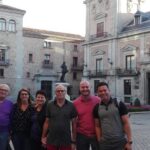
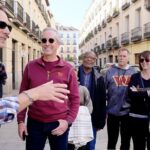
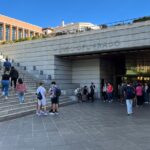
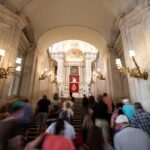
Four hours on an e-bike, and Madrid clicks. This tour strings together royal landmarks, old neighborhood streets, green lungs of the city, and major art, all at a pace that feels designed for real sightseeing—not speedrunning. You also get a tapas-and-drink break in the middle, plus a sunset-style finale at Templo de Debod.
What I love most is the small group setup and the way the guide, Sergio, keeps things personal. The ride stays relaxed and safe, and you’re not stuck constantly fighting for space in crowded squares or squeezing in “check-the-box” moments.
One thing to consider: you need good weather for it to run, and you’ll still be cycling—just with help from the e-bikes. Also, Casa de Campo is noted as an admission ticket not included, so factor that in if the group plans to enter paid areas.
In This Review
- Key highlights worth planning around
- Why an e-bike works so well for a Madrid highlights tour
- Meeting at Moncloa and building momentum before the big sites
- Royal Palace area: opulence meets architecture across the street
- Plaza de la Villa and the Arab Wall: old Madrid in quick hits
- Along the Manzanares: where the city stories feel calmer
- Casa de Campo: Madrid’s big green escape (and what’s included)
- Madrid Río Park: modern riverside paths made for bikes
- Matadero to Reina Sofía and the Guernica must-see
- Parque del Retiro: gardens, monuments, and a slower pace
- The Prado stop: world-class art without the all-day commitment
- Templo de Debod: a standout finish with Egyptian sunset energy
- Price and value: how $86.70 makes sense for 4 hours
- Who should book this e-bike tour (and who might want something else)
- Should you book Mountain City Tours?
- FAQ
- How long is the Madrid e-bike tour?
- What time does it start, and where is the meeting point?
- Is the tour in English, and how many people are in the group?
- How much does the tour cost?
- Which parts of the itinerary have admission tickets included or free?
- What happens if the weather is bad?
Key highlights worth planning around
- Max 6 travelers: you get a more human-sized tour and more time for questions.
- Sergio’s local storytelling: the trip connects history to everyday Madrid.
- E-bike route design: you cover major areas without doing the exhausting stop-start cycling.
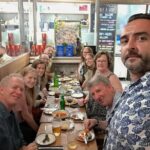
- Tapas and a drink break: it’s not just sightseeing; you take a proper pause.
- Major art targets: Picasso’s Guernica at Museo Reina Sofía and key Prado highlights.
- Templo de Debod finish: an Egyptian temple with big sunset vibes.
Why an e-bike works so well for a Madrid highlights tour
Madrid is huge in variety. You’ve got royal grandeur downtown, then old quarters, then parks that feel like you escaped the city for an hour. Doing that on foot means you’d either move too slowly or spend most of your time walking between “must sees.” The e-bike changes the math.
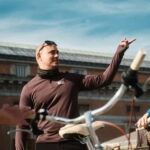
On this tour, the e-bikes let you keep the energy for the interesting parts. You can enjoy the views along the Manzanares and the long parks without arriving at each stop already worn out. It’s also a comfort factor for mixed groups: not everyone’s fitness level is the same, but the assist makes the ride feel doable for most people who are comfortable on a bike.
The other practical win is pacing. This itinerary hops through multiple districts, but the route planning avoids the most painful kind of sightseeing—constant pushing, squeezing, and stopping every 30 seconds just to manage crowds. You still get stops and viewpoints, but it feels like moving through the city, not being dragged from one postcard to the next.
You can also read our reviews of more tours and experiences in Madrid.


Meeting at Moncloa and building momentum before the big sites
The tour starts at C. de Juan Álvarez Mendizábal, 19, in the Moncloa–Aravaca area, with the stated start time at 10:00 am. The location is described as near public transportation, which matters because Madrid transit can save you from hunting for parking and fighting city traffic.
That early start also helps. You get into the center while the day is still manageable and before the afternoon crowds fully settle in. And because the group size is capped at 6, it doesn’t feel like herding cats at a busy intersection. Everyone stays close enough for Sergio to keep an eye on the flow and for you to ask questions without shouting over a parade.
If you’re the kind of traveler who likes to get your bearings fast, this format is smart. It’s not just “see things.” It’s also a way to understand how different Madrid zones connect—especially when you later plan day trips or museum time on your own.
Royal Palace area: opulence meets architecture across the street
The tour begins with the grand royal residence atmosphere—opulent halls, major royal history, and the sense that this is one of the city’s anchor points. Even if you don’t go deep into every interior, the location itself shapes how Madrid feels. It’s a reminder that the capital’s identity isn’t only modern museums and trendy neighborhoods; it also grew around power and ceremony.
Right across the way, you’ll also see a cathedral that mixes Neo Gothic and modern styles. That contrast is exactly why this stop works in a short tour. Madrid has a talent for layering eras side-by-side, and seeing those styles from near each other gives you an instant lesson in how the city evolved.
One practical note: these are central, high-traffic areas. So wear something you’ll feel comfortable wearing while standing around for a bit. Also, if you’re camera-heavy, keep your photo settings ready—because once the view locks in, you’ll want shots quickly and cleanly.
Plaza de la Villa and the Arab Wall: old Madrid in quick hits
After the royal zone, the tour turns to older Madrid character, starting at Plaza de la Villa—one of the city’s oldest squares. The key here isn’t just the buildings. It’s how a small area can compress medieval and Renaissance energy into one walkable pocket. Even with a short stop, the square gives you a feel for the city’s older civic life.
Next comes the Arab Wall, remains of Madrid’s original Moorish defenses. This is one of those stops that can feel like a secret if you’re used to seeing Madrid as only “Prado and parks.” It adds context: long before royal ceremonies and modern boulevards, this city had an Islamic past that shaped its footprint.
The value of squeezing these two stops into the itinerary is momentum. You’re not stuck spending half a day reading stone plaques. Instead, you’re getting quick, meaningful references that help you interpret what you’ll see later while wandering.
Drawback to consider: these are brief stops by design. If you’re the kind of traveler who wants to linger for ages, you might later want to revisit one of these areas on your own for a slower look.
Along the Manzanares: where the city stories feel calmer
Then you shift to the River Manzanares, Madrid’s local river—bridges, legends, and a more relaxed rhythm. Even if you only spend around 15 minutes in the area, it changes the tour’s temperature. After architecture and history, the river gives you space to breathe and reset.
This matters on a cycling day. A calm stretch helps you enjoy the ride more, and it gives you a mental break before you head into a bigger green-space section.
You’ll also get a sense of why Madrid loves its riverside walk culture. Later, when you’re planning your own route, you’ll have a reference point for how far you can move comfortably without needing major transit rides.



Casa de Campo: Madrid’s big green escape (and what’s included)
Next up is Casa de Campo, Madrid’s largest green space, with a tranquil lake and viewpoints over the city. This stop is about scenery and breathing room. The fact that it’s one of Madrid’s bigger parks means you can actually feel the city expand outward around you.
The only caution: admission ticket is not included for Casa de Campo. That doesn’t mean you can’t enjoy the area, but it does mean you should be ready that you might pay an entry fee if the route plan involves paid access.
From a value standpoint, this is still a smart move. Getting one meaningful chunk of park time in a 4-hour tour is a win, especially on days when you don’t want to spend your morning booking separate transport or piecing together park hours.
Madrid Río Park: modern riverside paths made for bikes
After Casa de Campo, you’ll experience Madrid Río Park, a modern riverside park with bike paths, playgrounds, and big bridge moments. This is the section where an e-bike tour starts to feel like the city was built for you.
Madrid Río is especially useful if you’re worried about safety or comfort. You’re on bike-friendly routes rather than dodging pedestrians or weaving through chaotic traffic. Even better, the scenery changes without the tour feeling random.
It’s also a good “lighter” section in the middle of the day. If your feet tend to get tired, this is where the assist helps most. You can sit back a bit, take photos, and watch the city flow by.
Matadero to Reina Sofía and the Guernica must-see
Then the tour moves into cultural Madrid, starting with a former slaughterhouse turned arts hub—now a place for art, music, film, and local events. That transformation theme is part of why the stop works. You’re seeing Madrid rethink space, not only preserve it.
From there you head toward Picasso’s Guernica at Museo Reina Sofía, near Atocha Station. The itinerary treats it like a must-see for modern art lovers, and honestly, it earns that reputation. Seeing it as part of a moving city day is powerful—you’re not stuck only in museum time. You’re stepping into modern history while still surrounded by the city’s street-level energy.
This is a practical museum strategy. A short tour doesn’t try to teach you everything about art. It gives you a focused entrance to the key work, then you can decide how deep you want to go later when you’re not on a schedule.
Parque del Retiro: gardens, monuments, and a slower pace
Next comes Parque del Retiro, one of Madrid’s classic urban oases. Gardens, monuments, and rowing boats make it feel like a mini vacation inside a big city. The stop is about enjoying the space and using your cycling time to get there faster, then taking the time you need at ground level.
This segment also balances the day. Earlier you had royal architecture and museum weight. Retiro resets your senses with greenery and open areas where your brain stops scanning for dates and facts and just watches people.
If you love photography, this is often where your camera roll improves. Retiro rewards wandering, even during a short stop—especially around viewpoints and garden edges.
The Prado stop: world-class art without the all-day commitment
After Retiro, the tour includes time at one of the world’s top art museums, with masterpieces by Velázquez and Goya called out in the description. This is a strong pairing: you end the cycling portion, then you shift into museum mode with major names that anchor Spanish art.
What I like about this setup is how it fits into a short total duration. You get a taste of the Prado’s importance without needing a full day to “do the museum.” Later, if you fall for a particular painter or theme, you can return when you have time to go deeper at your pace.
A fair consideration: a museum can’t be experienced fully in a single short stop. If you’re a serious art student mindset, you’ll likely want a longer solo visit after the tour. But if you want a fast, high-impact art introduction, this works.
Templo de Debod: a standout finish with Egyptian sunset energy
The finale is Templo de Debod, an authentic Egyptian temple. The tour frames it as an unforgettable end point, especially for sunset views. Even if the exact light depends on the day, the setting is the kind of place that makes you slow down and look up.
This finish is smart because it turns the whole day into a story arc: you start with royal Madrid, cut through old walls and a real river, relax in parks, hit modern and classical art, then end somewhere unexpected and atmospheric.
If you’ve spent the rest of your trip doing what everyone else does, this temple stop is a nice correction. It’s not another “same square, different city” moment.
Price and value: how $86.70 makes sense for 4 hours
At $86.70 per person for around 4 hours, the value comes from three things working together:
First, you’re getting an e-bike experience, which is more expensive than a basic walking tour. Second, the route covers a lot of geography—royal core, historic squares, riverside parks, major museum targets—without eating your entire day in transit. Third, the itinerary includes a tapas and drink break mid-tour, which makes the experience feel like Madrid, not just sightseeing.
Also, it’s a max 6 travelers tour. That small-group factor usually costs more than big buses or big walking groups, and here it’s part of the reason the guide can keep the ride calm and personal.
In other words, you’re paying for time saved and for smarter sequencing. If you plan to spend at least part of your day trying to stitch together the same highlights on your own, this price starts to look pretty fair.
Who should book this e-bike tour (and who might want something else)
This tour is a great fit if you want:
- a fast Madrid overview in one morning,
- a safe, relaxed ride rather than a workout,
- a mix of old Madrid, parks, and top art without planning separate days.
You might consider another option if:
- you’re determined to spend long hours inside museums and want minimal time constraints,
- you dislike cycling at all, even with e-bike help,
- you’re visiting on shaky-weather days (the experience requires good weather).
It’s also ideal for first-timers. You finish with a mental map of where everything sits—especially useful if you’ll be making restaurant choices and planning later museum visits.
Should you book Mountain City Tours?
If your goal is to see real variety—royal architecture, Moorish traces, riverside parks, major museum highlights, and a memorable Egyptian temple—then yes, I think this is a strong booking. The small group, the calm pace, and Sergio’s local guidance sound like the kind of combination that turns a morning into an actual highlight.
Book it if you like structured sightseeing with room to breathe. Skip it if you want slow, museum-by-museum depth or you’re worried about cycling on any level.
FAQ
How long is the Madrid e-bike tour?
The tour runs for about 4 hours.
What time does it start, and where is the meeting point?
It starts at 10:00 am, meeting at C. de Juan Álvarez Mendizábal, 19, Moncloa – Aravaca, 28008 Madrid, Spain, and it ends back at the meeting point.
Is the tour in English, and how many people are in the group?
The tour is offered in English, and it has a maximum of 6 travelers.
How much does the tour cost?
The price is $86.70 per person.
Which parts of the itinerary have admission tickets included or free?
Some stops are listed as Admission Ticket Free, including Plaza de la Villa, the Arab Wall, River Manzanares, Madrid Río Park, Parque del Retiro, the Literary Quarter, La Latina, and Templo de Debod. Casa de Campo is listed as Admission Ticket Not Included.
What happens if the weather is bad?
The experience requires good weather. If it’s canceled due to poor weather, you’ll be offered a different date or a full refund.