REVIEW · MADRID
Madrid: History of Tapas Walking Tour and Tasting
Book on GetYourGuide →Operated by Wonder Tours Spain · Bookable on GetYourGuide
Tapas history tastes better than it sounds. This Madrid tapas walking tour pairs the story behind Spain’s favorite bites with a practical route through the old city and the lively San Miguel Market. I like that it’s built for flavor first, then context second, so you’re not stuck listening while everyone else eats.
What really works for me is the structure: 4 tastings plus a drink at each stop, served in a small group so you can ask questions and keep up with the pace. The “go for tapas with friends” tradition becomes real when you’re bouncing between small bars and neighborhood-style places instead of doing one big meal.
One thing to consider: it moves fast over about 2.5 hours, and if a venue isn’t ready when you arrive, the plan can shift. Also, if your guide has to hand off to another group, the last stop may feel less guided than earlier ones.
In This Review
- Key Highlights You’ll Feel Immediately
- Tapas History You Can Taste in 2.5 Hours
- San Miguel Market: Where the Old City Meets Food Drama
- The Crawl Itself: 4 Stops, 4 Tastings, One Drink Each
- Narrow Streets, Market Noise, and the “Only Locals Know” Factor
- How the Guide Turns Plates into Spanish Stories
- When Plans Flex: Closed Stops and Guide Handoffs
- Timing and Meeting Point: How to Keep the First 15 Minutes Stress-Free
- Price and Value: Is $141 for Tapas History Fair?
- Who Should Book This Madrid Tapas History Tour?
- Should You Book It?
- FAQ
- How long is the Madrid tapas history walking tour?
- What does the $141 price include?
- How many tastings and drinks will I get?
- How large is the group?
- Where does the tour start?
- What languages are offered?
- Is it wheelchair accessible?
Key Highlights You’ll Feel Immediately
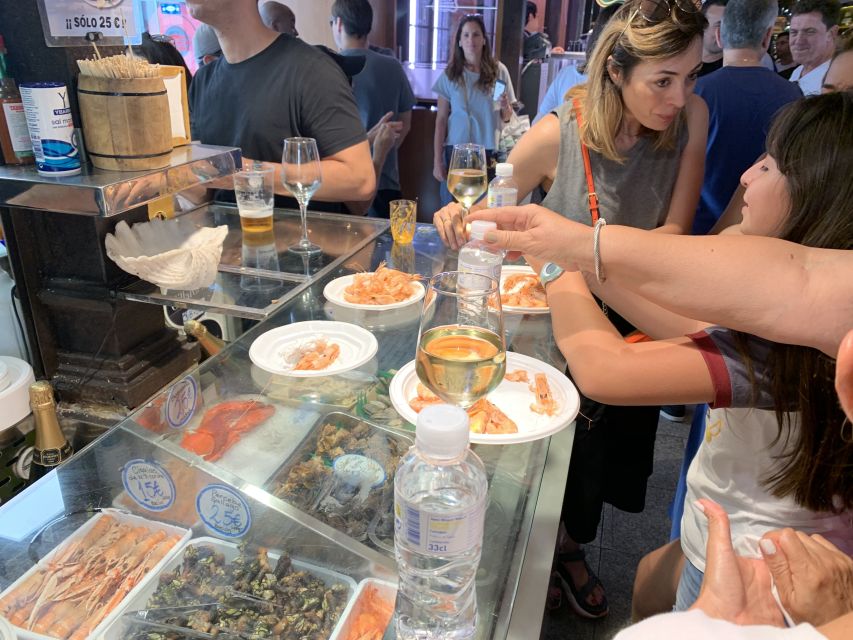
- San Miguel Market focus: you see the market atmosphere and taste what it’s known for
- Small group of 10 or fewer: easier conversations and less crowd chaos
- 4 tastings + a drink at every stop: built-in value so you’re not constantly paying extra
- Local bar energy: you’re sent to places most people don’t find on their own
- Tapas backstory in plain language: origins, traditions, and why it started
- Guides with personality: names like Oscar and Pablo come up in praise for enthusiasm and teaching
Tapas History You Can Taste in 2.5 Hours
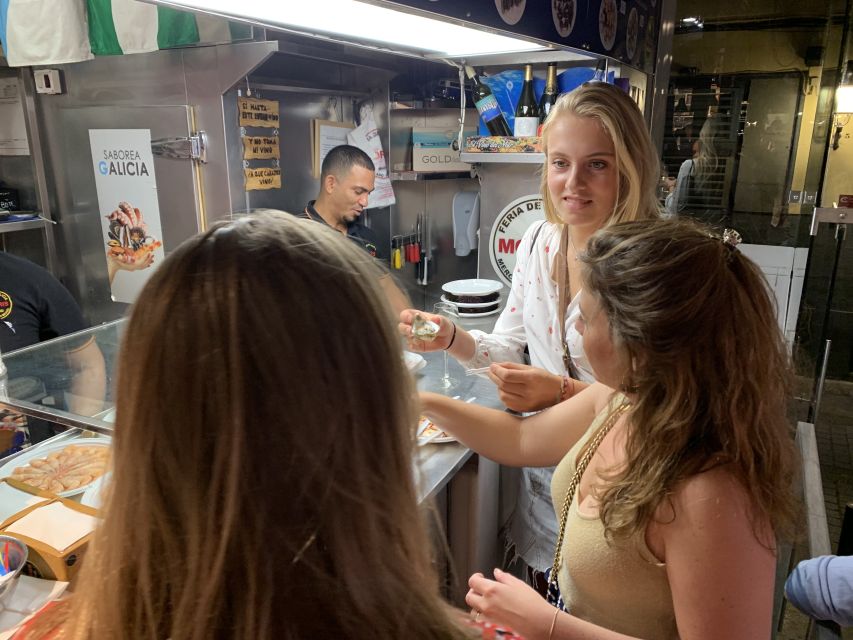
Madrid’s tapas aren’t just snacks. They’re a way of socializing, pacing a night out, and eating in between conversations. This tour gives you that lived-in feeling quickly, because it doesn’t treat tapas like a museum. You walk, you smell, you taste, and you learn why the whole ritual stuck.
One of my favorite parts is how the tour explains the origins of tapas using stories that sound like they belong in a tavern. One version connects tapas to the Spanish habit of not serving wine without food, traced back to King Alfonso X and the custom in Castile. Another story says tapas started when bars covered drinks with bread or ham slices to keep flies out. Either way, you get the same takeaway: tapas began as practical, everyday solutions that turned into culture.
The other history thread is the “three hundred years and counting” vibe—the idea that people from all over Spain still do the same thing when they go out. That matters because tapas in Madrid can look simple, but the behavior behind it is specific. You’re not just sampling dishes; you’re practicing how locals eat with friends.
You can also read our reviews of more tours and experiences in Madrid.


San Miguel Market: Where the Old City Meets Food Drama
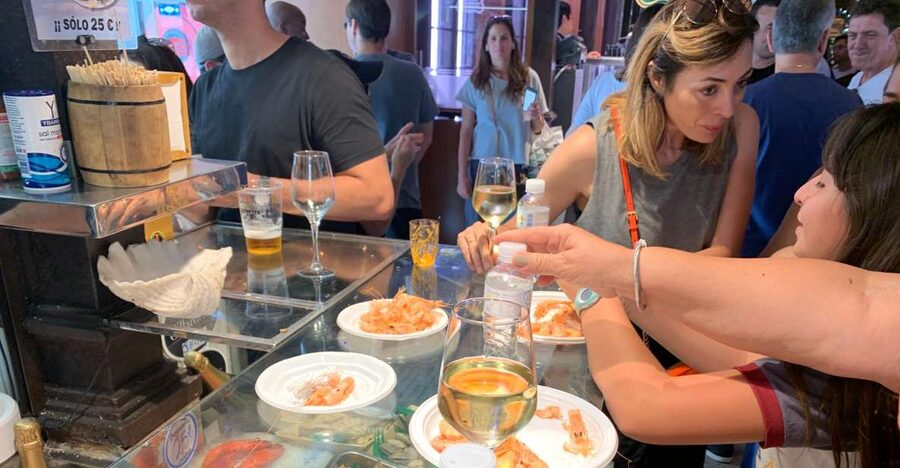
If you only visit Madrid markets as a tourist, you tend to see stalls and Instagram corners. At San Miguel, you get more than that. The market experience is part of the tour’s main show: narrow, old-stone feeling streets leading you into a space where the smells hit you right away.
San Miguel Market is also a great place for first-time tapas eaters because it’s intense. Even if you don’t know what to order, you’ll notice people sharing, moving, and tasting in quick rounds. That matches the whole tapas mindset: small plates, frequent stops, and ordering enough to keep the conversation going.
The tour uses the market as an anchor point. After you walk through the old city, the market gives you a concentrated snapshot of what Madrid food culture feels like in real time. You also get context for why tapas belong in markets and why these spaces became social hubs. It’s not just about eating; it’s about watching how eating works here.
The Crawl Itself: 4 Stops, 4 Tastings, One Drink Each
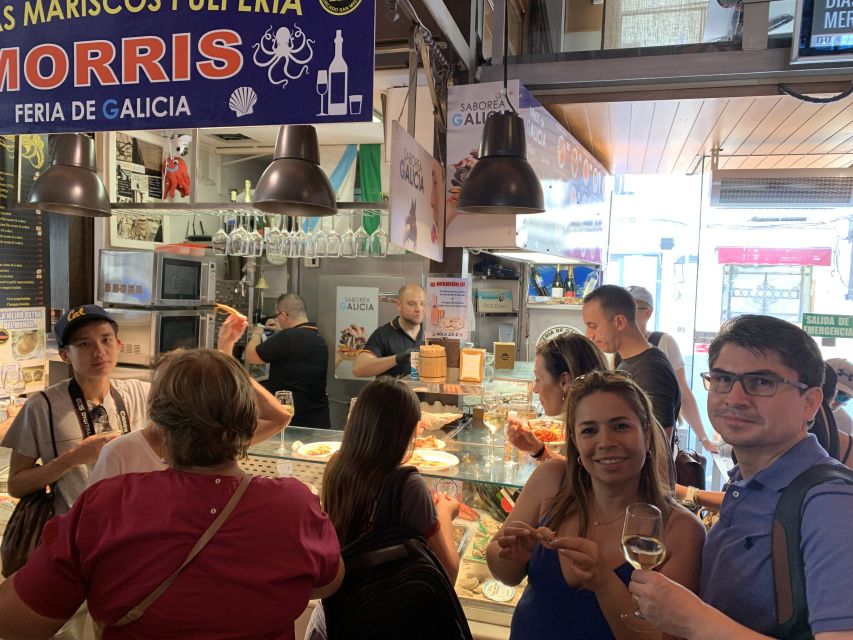
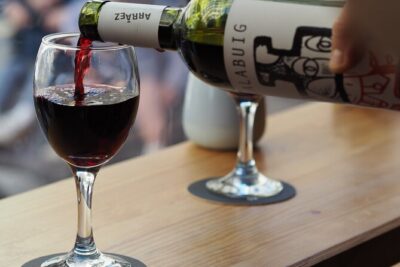
The tour isn’t one long sit-down meal. It’s a proper tapas crawl with at least 4 stops in markets and local bars or restaurants. You’re set up with 4 tastings of tapas, and you get a wine, beer, or refreshment at each venue.
That package is what makes the pricing feel more reasonable than a lot of food tours you’ll see. You’re paying for a guided route, but you’re also getting real food and real drinks included, not just a couple of small bites. At $141 per person, it’s not a bargain deal. It is a clear value if you were already planning to eat this way anyway—multiple stops, multiple orders, and time saved from trying to guess where locals actually go.
Also, the guide format matters. This is a small group capped at 10 people, which keeps the experience from feeling like a conveyor belt. In that size group, you can usually hear the explanations, ask what to try, and get recommendations without shouting over a crowd.
One practical tip: come hungry. People who leave happy from tours like this usually point to being stuffed by the end. The tastings add up, and you’re not just sampling one tiny item per stop. If you arrive with a full stomach, you’ll miss the point and enjoy less.
Narrow Streets, Market Noise, and the “Only Locals Know” Factor
Madrid’s old city is full of charm, but charm can be exhausting if you’re trying to navigate and decide where to eat at the same time. This tour reduces that stress. You walk through the narrow lanes and market areas with a local guide handling the hard part: matching you with places that fit tapas culture.
The tour description promises “secret spots” and local-known bars and restaurants, and what you should look for is the behavior of the venues. Tapas places with local pull usually have a rhythm: people standing close to counters, quick orders, and conversations that stretch longer than the first bite. Your guide is there to help you understand what you’re seeing and why it matters.
Even when the route hits popular areas, you’re not spending your time wandering aimlessly. You’re being directed. That’s especially helpful around San Miguel, where it can get busy. The guide’s job becomes a kind of filter: you taste what’s worth tasting, and you skip the guesswork.
How the Guide Turns Plates into Spanish Stories
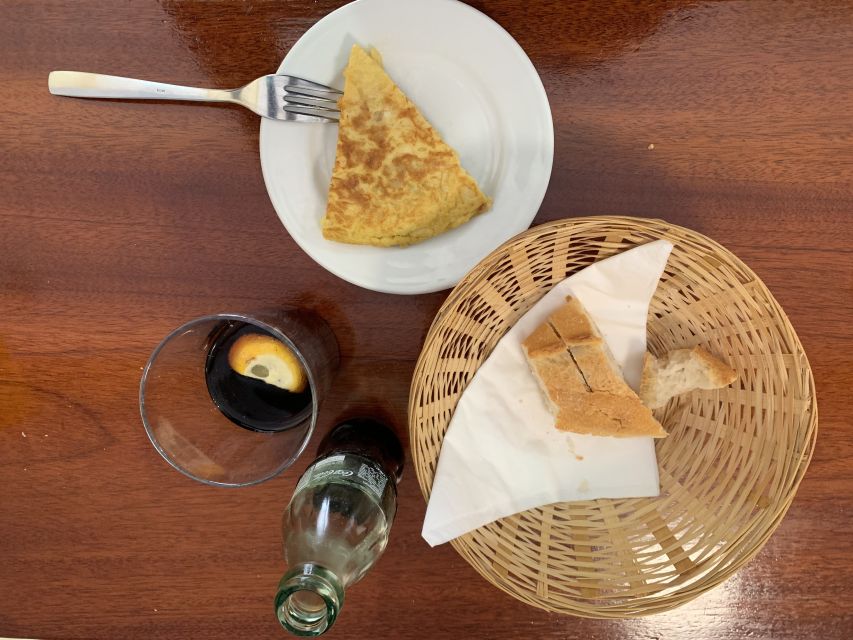
Food tastes better when you know what to listen for. The best part of this tour is how the guide connects dishes to Spanish gastronomic history and influences. It’s not just ordering tips; it’s explanations that make the meal feel intentional.
Guides like Oscar get praised for being enthusiastic and friendly, which is a real asset in a short tour. You don’t want a script that sounds rehearsed. You want someone who can answer questions and adjust how they tell the story based on your pace.
Another guide name that comes up in feedback is Pablo, noted for being the best guide by some guests. That kind of praise usually points to two things: teaching that’s easy to follow and a focus on the foods themselves—everything from ham-based bites to mushroom options, plus the way the food history connects back to Madrid.
What you should expect, based on how the tour is positioned, is a mix of:
- why tapas exist (practical origins and old customs)
- how Spanish eating habits shaped bars and taverns
- how flavors and regional influences show up on small plates
It’s a lot to fit into 2.5 hours, which is why the small group size helps again. You’re more likely to actually absorb the story because it’s aimed at a human-sized group, not a crowd.
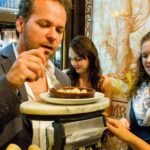
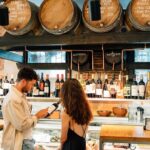
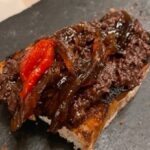

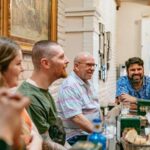

When Plans Flex: Closed Stops and Guide Handoffs
No matter how well a food tour is planned, real life happens. A venue might not be open when you reach it. In that case, a good guide adapts so you still get the main point: food, drinks, and the cultural walk.
So here’s the consideration to keep in mind: the tour’s best version is the one where the guide stays with you for all stops. But sometimes schedules overlap. In at least one experience shared by past guests, the guide had to move to another tour and the final stop occurred without them leading it. That doesn’t automatically mean you won’t get great food at the end—just that you may get less explanation at the final venue.
Also, if a planned place isn’t accessible on the day, you might end up in a market area that feels more crowded or more tourist-heavy than what was originally expected. That’s not the same as a bad tour. It’s simply the reality of food planning in the real world.
My advice: treat the tour as a guided process, not a fixed checklist. The route is built around tapas culture and history, and when something shifts, the tour should still keep you moving and tasting.
Timing and Meeting Point: How to Keep the First 15 Minutes Stress-Free
You meet at the local partner’s office. No hotel pickup is included, so you’ll want to plan to arrive a few minutes early and stay oriented before the group leaves.
Because the tour is only 2.5 hours, punctuality matters. You’ll cover the old city walking route and still make it to San Miguel Market and multiple tasting stops. That speed is part of the experience—short, focused, and food-heavy.
Dress for walking in the old streets. They’re narrow and the surfaces can feel uneven. Comfortable shoes are the quiet hero here. If you’re the type who likes to stop and take photos every ten steps, you might feel a bit rushed. But if you’re there for the food and stories, the pace is usually spot-on.
Price and Value: Is $141 for Tapas History Fair?
Let’s talk numbers without pretending money doesn’t matter. At $141 per person, this is a mid-range paid experience. It’s not cheap, but you also aren’t paying for “suggestions” or a single restaurant cover charge.
Here’s why it can feel like good value:
- You get at least 4 stops
- You’re set up with 4 tastings (not just one or two)
- You get a drink at each venue (wine, beer, or refreshment)
- You’re paying for a guide who connects tapas to Spanish food history and local culture
- You’re in a small group (up to 10), which usually makes the explanations more usable
If you were planning to eat at four places on your own, you’d likely spend similar money quickly—especially once you factor in drinks and the time you’d waste figuring out where to go. The main advantage here is that the guide filters your choices and keeps the flow tight.
The main reason it might feel pricey is if you’re not a big eater or you don’t drink. Since drinks are included per venue and the tastings add up, you get the most value when you lean into the full tapas approach.
Who Should Book This Madrid Tapas History Tour?
This tour suits you best if you want:
- a structured tapas plan without the guesswork
- a guided story behind what you’re eating
- a short outing that still feels like you explored something real
- the chance to try multiple bites and not just one dinner meal
I’d especially recommend it to first-timers who want a Madrid food taste that goes beyond the obvious tourist circuit. The old city walk plus San Miguel Market creates a classic Madrid “you’re here for a reason” feeling.
You might skip it if:
- you hate walking for 2.5 hours
- you want a full sit-down meal instead of multiple tastings
- you prefer unguided wandering where you choose every venue yourself
Should You Book It?
If you want tapas with context, and you like the idea of tasting your way through Madrid’s old city with a local guide, this tour is a smart pick. The built-in 4 tastings and drinks help justify the cost, and the focus on tapas origins—plus the San Miguel Market stop—makes it more than just a food sampler.
My decision rule is simple: book it if you want a guided “how Spain eats” experience in a compact time window. Pass if you’re the type who gets annoyed by quick pacing or thinks food tours should stay put at one restaurant. For most people, though, the combination of history, small group comfort, and multiple tastings hits the sweet spot.
FAQ
How long is the Madrid tapas history walking tour?
The tour runs for 2.5 hours.
What does the $141 price include?
It includes at least 4 stops in markets and local bars/restaurants, 4 tapas tastings, and one drink of wine, beer, or refreshment at each venue, plus the story of Spanish gastronomic history and influences.
How many tastings and drinks will I get?
You’ll have 4 tastings of tapas and you’ll receive 1 drink per venue.
How large is the group?
The group is small, limited to no more than 10 participants.
Where does the tour start?
Meet at the local partner’s office. Hotel pickup and drop-off aren’t included.
What languages are offered?
The live guide speaks English and Spanish.
Is it wheelchair accessible?
Yes, the tour is listed as wheelchair accessible.