REVIEW · MADRID
Madrid: Paella & Sangria Classes- Seafood, Chicken & Vegan option
Book on Viator →Operated by The king of Paella · Bookable on Viator
Paella lessons with a splash of sangria. This Madrid class is a full paella-and-sangria cooking afternoon, where you do the work and then eat what you made in a proper dining room (air-conditioned, too). I also like the way it keeps moving from drink prep to food tasting to the main cooking session, so you’re never just watching.
I love that you don’t show up empty-handed. Ingredients are provided, and you get the recipes so you can recreate your dishes back home. On top of that, the guides I’ve seen referenced—people like Pedro, Tony, and Yireles—sound like they genuinely make it feel friendly, not stiff.
One thing to consider: the paella may come out al dente (one review called this out), so if you’re expecting super soft rice, set your expectations a little.
In This Review
- Key highlights (what matters most)
- A Madrid cooking class that turns dinner into a skill
- Where you start: meeting at Paurora Experiences in Centro
- Sangria prep: the drink that sets the pace
- Tapas tastings that actually teach technique
- Cooking paella: chop, build, cook, then eat
- What’s going into the paella
- Why the paella method is the real “souvenir”
- Lunch in an air-conditioned dining room
- The end-of-class tasting: three national liquors
- Vegetarian and vegan options: what to do before you arrive
- Group size and pacing: fun, but not silent
- Price and value: what $87.41 gets you
- Who should book this class (and who might not love it)
- Should you book the Madrid Paella & Sangria class?
- FAQ
- How long is the paella and sangria class in Madrid?
- Does the class offer seafood, chicken, and vegan paella options?
- What’s included in the lunch and drinks?
- Are ingredients provided and do you get recipes to take home?
- What if I have food allergies or intolerances?
- Is there free cancellation?
Key highlights (what matters most)
- Hands-on sangria first, so you start with flavor and get in the cooking mode fast
- Ingredients included, plus recipes provided for trying it again after Madrid
- Paella teamwork, where everyone contributes instead of doing tiny separate steps
- Air-conditioned dining room lunch, so the meal part feels relaxed
- Spanish liquors at the end, which turns the last half-hour into a real send-off
- Diet options, including seafood, chicken, and a vegan paella option (tell them in advance)
A Madrid cooking class that turns dinner into a skill
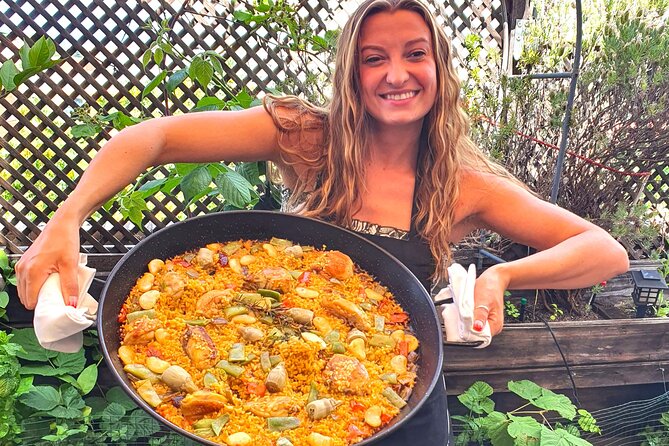
If your Madrid plan includes the usual mix of streets, squares, and tapas bars, this kind of class is a smart counterweight. You get a focused, 3-hour block where the goal is simple: learn how paella and sangria are built, not just copied. And because it’s hands-on, you leave with a “now I get it” feeling—especially with paella, where technique matters more than fancy ingredients.
You’re also eating what you cook. You’re not stuck with a small tasting plate while someone else handles the real meal. The included lunch is part of the experience: tapas while you learn, paella as the main event, and drinks that keep the mood upbeat.
You can also read our reviews of more tours and experiences in Madrid.

Where you start: meeting at Paurora Experiences in Centro
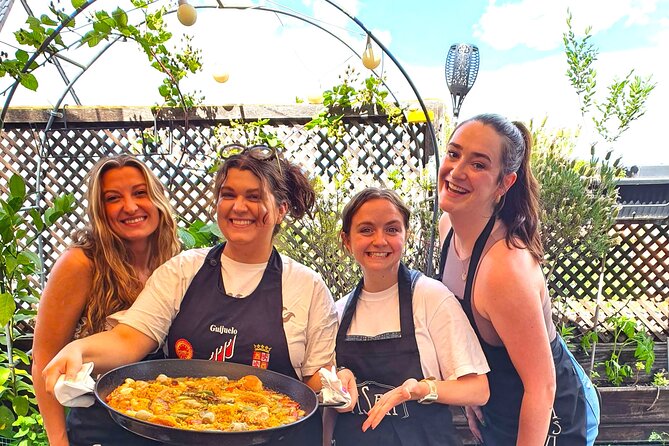
The class begins at Paurora Experiences, C. de Carretas, 14, 2a, Centro (28012 Madrid). It’s in the Centro area and described as near public transportation, which matters in Madrid where getting across town can cost time and energy.
Timing is also easy to plan for because the experience is about 3 hours. In a city full of museums and long walking days, this is a great way to use an afternoon or evening slot without turning it into a whole production.
Sangria prep: the drink that sets the pace
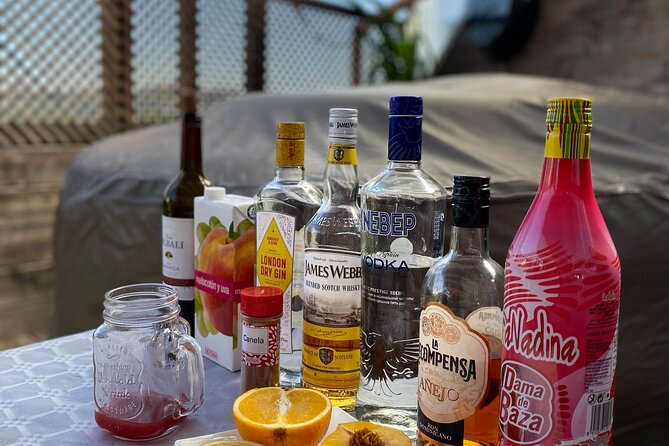
You’ll start by preparing traditional Spanish sangria. The class approach is practical: you learn what goes in the mix and how the flavor profile comes together. Based on the sample menu, it includes wine plus peach juice, rum, whiskey, gin, vodka, grenadine syrup, cinnamon, fruit, and ice.
That sounds like a lot—because sangria is supposed to taste like more than just wine. The practical value here is that you learn the structure: fruit + sweetness + spice + spirits + time/ice. Even if you don’t recreate the exact ingredient list later, you’ll understand how Spanish sangria lands on the balance between fruity and boozy.
And if you like the idea of having drinks involved without making it a party-only situation, this class stays on task. You’re still cooking and learning food basics right after.
Tapas tastings that actually teach technique
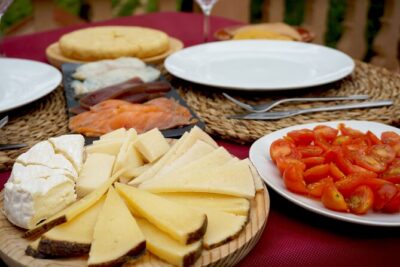
After sangria, you sample two tapas. This is one of the best parts for me because it connects the dots. You don’t just jump to paella; you get Spanish flavors in bite-sized form first.
You’ll taste:
- Spanish omelette (tortilla de patatas) with potatoes, eggs, onion, and olive oil
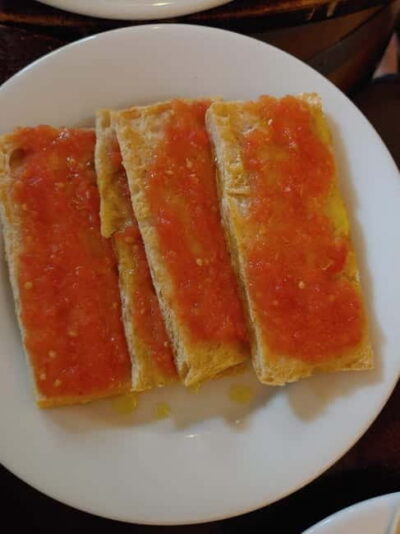
- Ham toast with tomato (ham toast described with pantumaca style)
You may also see additional starters on the menu, like stuffed olives with anchovies and tomato toast with Iberian ham. Either way, the learning value is the same: you see how simple ingredients become iconic when technique is right.
Cooking paella: chop, build, cook, then eat
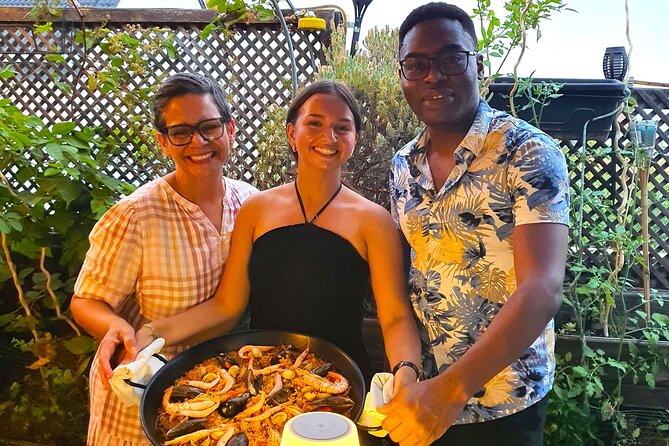
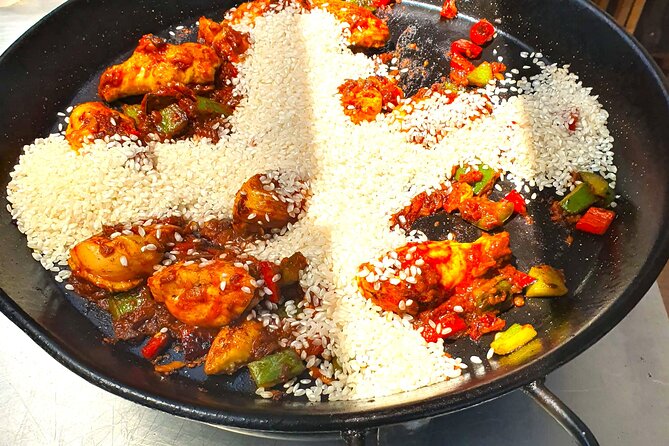
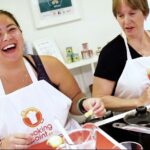
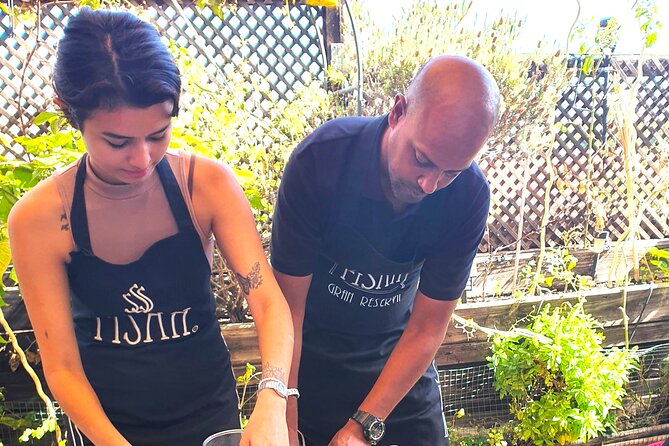
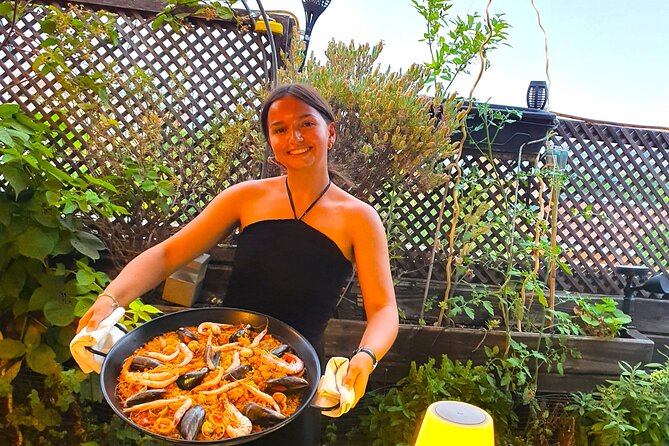
Then comes the main event: chopping ingredients and cooking paella. The flow is straightforward—prep first, then cook as a group—so you get the real rhythm of paella-making instead of just being handed a pan.




What’s going into the paella
For seafood paella, the main ingredients listed include rice, fish fumet, mussels, peppers, clams, squid, garlic, tomato, and saffron. For chicken paella, you’ll get a chicken-based version (the exact ingredient list for chicken paella isn’t spelled out in the menu text, but the class offers it as an option). And there’s also a vegan paella option available—just make sure you choose it or notify them so they plan the right setup.
Why the paella method is the real “souvenir”
Paella is one of those dishes where home attempts often go wrong because people chase a shortcut. In this class, the value is that you’re building it in steps and learning the logic behind each stage: flavor base, rice behavior, and cooking timing.
Also, you’ll likely notice the cooking style aims for that al dente texture. One review specifically mentioned this, along with the idea that seafood may appear undercooked compared to what some people expect. If you’re picky about rice doneness or you’re used to paella that’s cooked to a softer bite, this is your heads-up.
Lunch in an air-conditioned dining room
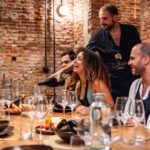
When the paella is finished, you sit down in the dining room to enjoy the signature dish. The class calls out that the dining room is air-conditioned, which is a genuine comfort upgrade in Madrid, especially during warm afternoons.
Along with the lunch, you’re also getting:
- bottled water
- sangria as part of the alcoholic beverages included
- dessert as coffee or herbal tea
That tea/coffee pairing matters because it keeps the meal feeling like a full Spanish lunch rather than just a cooking workshop with food tacked on.
The end-of-class tasting: three national liquors
To close things out, you’ll do a tasting of three national liquors. In plain terms: it’s a chance to try small samples and learn how Spanish spirits fit into the dining experience. And because this happens right after you’ve cooked and eaten, it feels like a celebration—not a random add-on.
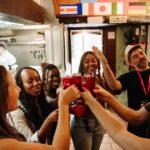
One review also suggested the sangria and shots can make the evening feel like it’s moving into party territory at the end. If you’re planning another stop afterward, I’d keep your schedule light and your transportation easy.
Vegetarian and vegan options: what to do before you arrive
There is an explicit note that they can adjust for food needs, including dietary requirements. The key action is simple: tell them in advance about any allergies or intolerances and what you need (vegetarian/vegan included). A review specifically praised the team for accommodating vegetarian dietary restrictions.
If you’re traveling with a vegetarian or vegan friend, this class is a strong candidate because it isn’t framed as “special meal, separate setup.” It’s offered as an option in the first place (seafood, chicken, and vegan paella), and the staff is supposed to plan for it.
Group size and pacing: fun, but not silent
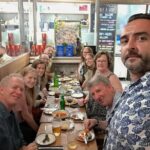
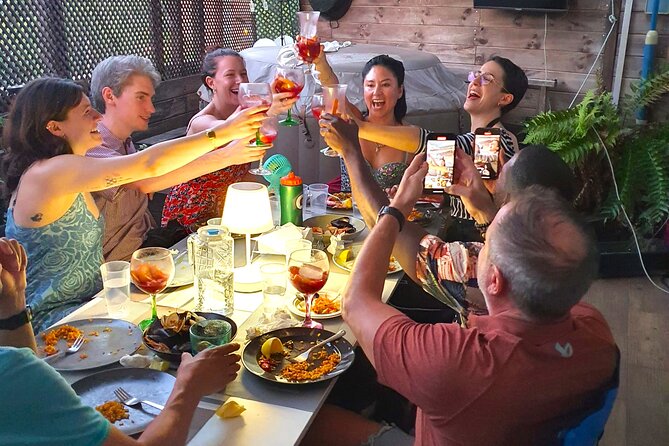
This is a group experience with a maximum of 25 travelers. One review described a comfortable group size around 16, and several mentioned that everyone helps with the paella rather than splitting into isolated tasks.
That “everyone helps” style is usually what makes cooking classes memorable. You get real participation, not just a front-row seat.
Pacing is also worth noting. One review hinted that the start can take longer if there’s lots of conversation. So if you’re the type who loves a strict timetable, plan for a more relaxed, chat-friendly rhythm.
Price and value: what $87.41 gets you
At $87.41 per person for about 3 hours, this class is in the mid-range for food experiences in a major city. Here’s what makes it feel like value:
- You’re fed: appetizers/tapas, paella as the main dish, and coffee or herbal tea
- Drinks are included: sangria plus traditional Spanish shots, and the liquor tasting at the end
- You learn skills with a real payoff: recipes are provided, plus you cook step-by-step
- Ingredients are handled: you don’t need to buy supplies, and you don’t need cooking experience to join
If you compare it to paying for tapas, drinks, and then a separate cooking workshop, it can start to look like a bundled deal. And because the class is in English and kept organized in a small setting, you’re paying partly for the convenience and guidance—not just the food.
Who should book this class (and who might not love it)
This fits best if you want:
- a break from endless walking and museum lines
- a hands-on Spanish food experience you can repeat at home
- a social meal with other people (not a solo tasting)
- sangria and spirits as part of the cultural package
You might want to think twice if:
- you strongly dislike any chance that paella rice could be more al dente
- you need total silence and strict timing
- you want a class that focuses only on cooking, not on tasting, drinking, and conversation
Should you book the Madrid Paella & Sangria class?
I’d book it if you want a high-reward afternoon in Madrid where your effort turns into lunch, drinks, and a skill you can actually recreate. The “no extra shopping” setup, the recipes provided, and the fact that you cook with the group are the big reasons this works.
If you’re sensitive to food texture or you’re very particular about seafood being fully cooked, read that as a cue to ask questions early in the class and be ready for their paella style.
FAQ
How long is the paella and sangria class in Madrid?
It runs for about 3 hours.
Does the class offer seafood, chicken, and vegan paella options?
Yes. The experience is offered with seafood, chicken, and a vegan option. You should let them know in advance so they can prepare correctly.
What’s included in the lunch and drinks?
You’ll get lunch with appetizers and starters, paella as the main course, bottled water, sangria, traditional Spanish shots, and dessert (coffee or herbal tea). The experience also includes a tasting of three national liquors.
Are ingredients provided and do you get recipes to take home?
Yes. Ingredients are provided, and recipes are included so you can recreate the dishes later.
What if I have food allergies or intolerances?
You should let them know in advance so they can adjust. The class also specifically notes that allergies and intolerances can be accommodated with prior notice.
Is there free cancellation?
Yes. You can cancel up to 24 hours in advance for a full refund. Canceling less than 24 hours before the start time isn’t refunded.