REVIEW · MADRID
Madrid: Taste typical Spanish tapas, cold cuts, Iberian ham, and wine
Book on GetYourGuide →Operated by Ezequiel Madrid · Bookable on GetYourGuide
Your fork is a shortcut to Madrid.
In Malasaña, this cozy guided tasting pairs six classic Spanish products with three Spanish wines—so you spend your time eating the stuff you’ll actually remember, not hunting for it on a menu. I like the small, intimate feel and the way the guide explains what makes each cured meat and wine different, with local stories you can carry into the rest of your day.
The biggest upside is how much you get for the price: cecina, chorizo, serrano and Iberian ham, cheeses, bread, and even a finishing bite of homemade pasta, all matched with wines from specific Spanish regions. One possible drawback: it is adult-focused (not for kids under 18) and it leans into cured meats, so if that’s not your thing, you may want to think twice.
In This Review
- Key takeaways before you go
- Malasaña is the right stage for ham, cheese, and wine
- The 1.5-hour tasting flow: what happens from the first bite
- Start with cured classics and Spanish bread
- Move through hams and cecina de León (the real talking point)
- Add cheeses, then use pairing to read the flavors
- Finish with a homemade pasta bite
- Spanish wine isn’t random here: it’s matched to what you’re eating
- What the guide actually does (and why it feels personal)
- Value check: is $59 a fair deal for this much food?
- Where it fits in your Madrid day plan (and who it suits)
- After the tasting: stay for a drink and local recommendations
- Should you book this ham, cheese, and wine tasting in Madrid?
- FAQ
- How long is the tasting?
- Is it private or shared with other people?
- What food and wine is included?
- Can the experience adapt to intolerances or special needs?
- What languages are the guides available in?
- Is this experience suitable for children?
Key takeaways before you go
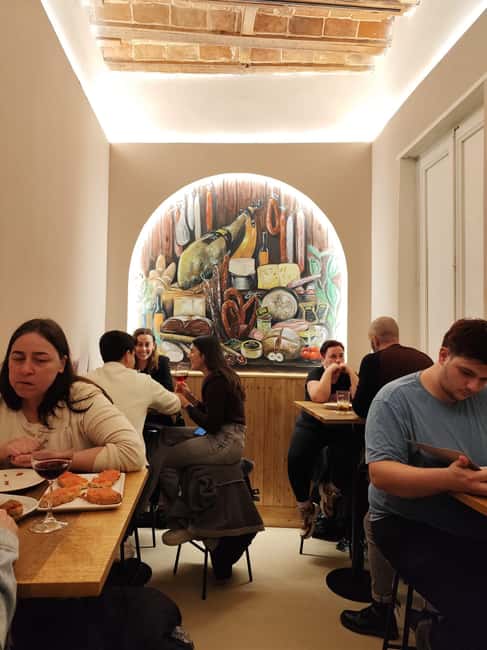
- Malasaña location near major landmarks like Gran Vía and Tribunal, but in a calmer local bar setting
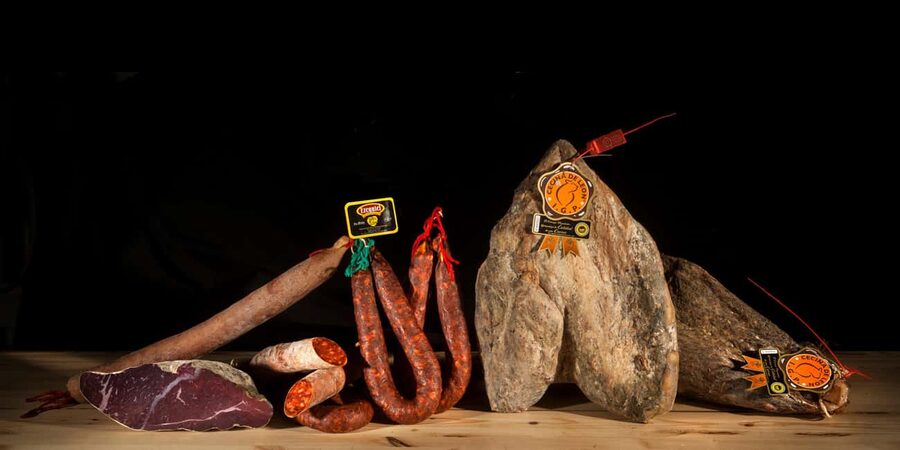
- Six Spanish star products: cecina de León, chorizo, serrano ham, Iberian ham, plus artisan and soft cheeses
- Three Spanish wines matched to each tasting, including D.O. Bierzo, Godello, and Rioja or Ribera (can vary)
- An aroma and pairing game that turns food tasting into a fun mini lesson
- Guides named Ana or Andres (from recent experiences) who explain origins, differences, and what to look for
- You can stay after for a drink, to buy products, or just to relax, plus you’ll receive local food tips
Malasaña is the right stage for ham, cheese, and wine
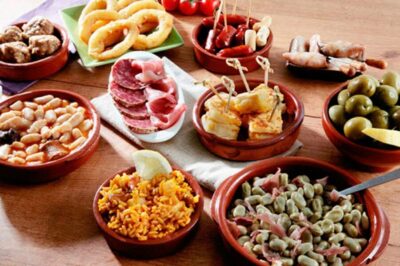
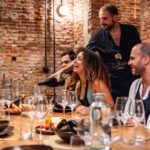
Madrid has a lot of places where tapas are loud, fast, and designed for photos. This experience chooses a different pace. It takes place in Malasaña, in and around the neighborhood’s compact bar culture: warm light, thoughtful decor, and a setting where you can actually hear the guide and taste what’s in front of you.
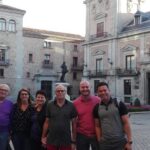
The meeting point is C. de Colón, 13, and the location is a big part of the value. You’re not stuck on the far edge of town. You’ll be just a few minutes’ walk from busy areas like Gran Vía and Tribunal, so you can fit this into a day plan without turning lunch into a logistics project.
I also like the mindset here. The tasting is designed to help you understand Spanish cured meats and wines, not just check off a food stop. You’ll learn the origin and differences between items, plus local curiosities and anecdotes that won’t feel like a script from a guidebook.
You can also read our reviews of more tours and experiences in Madrid.

The 1.5-hour tasting flow: what happens from the first bite
This is a 1.5-hour guided tasting. It runs at a human pace, with the guide helping you move from course to course while keeping you curious instead of overwhelmed. It’s offered as a private experience or small group, so you can choose quiet and focused or a little shared energy.
Here’s how the tasting typically unfolds:
Start with cured classics and Spanish bread
You begin at a local bar and ease into the selection. The experience includes artisan bread, which matters more than people think. Bread helps reset your palate between cured meats and makes the flavors feel clearer, not muddy.
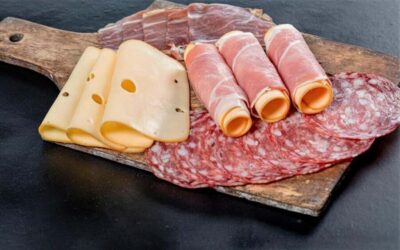
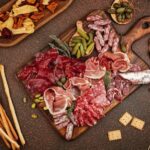
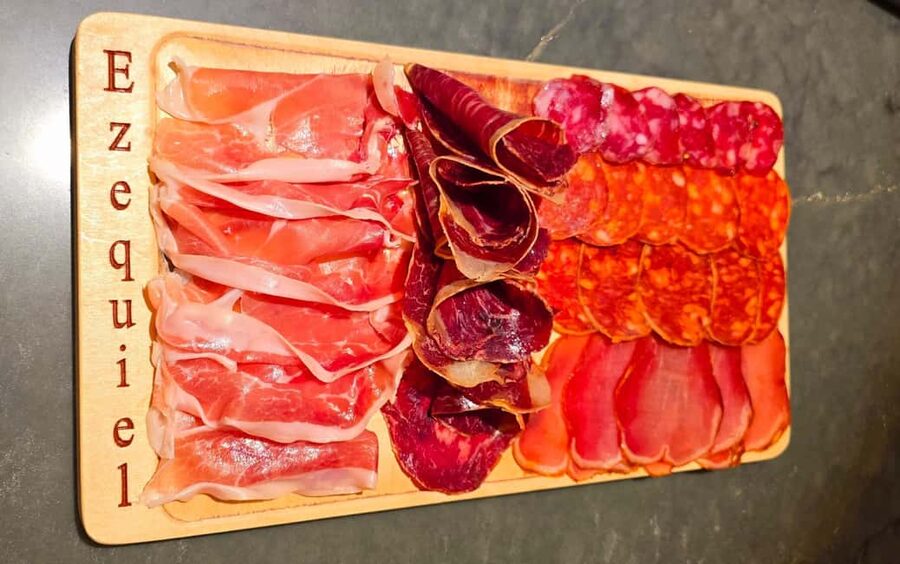
Then you’ll start tasting the cured lineup: you’re looking at cured meats like chorizo and the ham styles that define Spain’s reputation. The guide will explain what you’re tasting and why. Expect details on how these products are made and where they come from, plus what to pay attention to as you chew.
Move through hams and cecina de León (the real talking point)
The standout in the lineup is often cecina de León, a cured beef product that’s less common than ham but hugely important to Spanish regional food identity. Alongside it, you taste serrano ham and Iberian ham. That combination is smart. It gives you a quick, controlled comparison between styles, textures, and flavor profiles.
In recent experiences, guides have explained origins and even talked about how the ham producers from León connect to the products you’re eating. If you like learning while you eat, this part delivers.
If you’re a texture person, you’ll probably enjoy this section most. Cured meats aren’t all the same: some are more aromatic, some taste deeper and fattier, some feel delicate. You’ll get help identifying what you’re noticing, instead of guessing.
Add cheeses, then use pairing to read the flavors
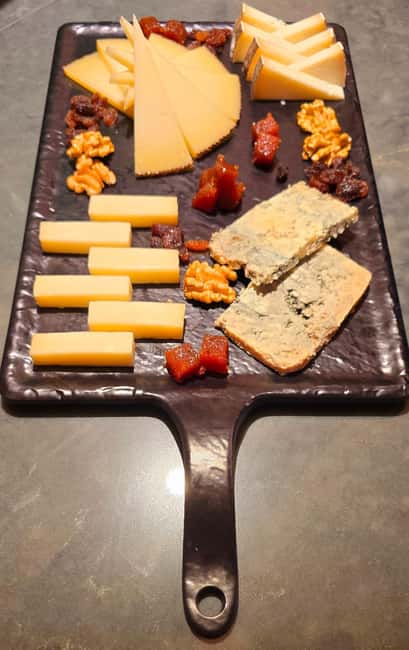
After the cured meats, you move into artisan cheeses and a special soft cheese. Cheese tasting can go two ways: either it’s random bites or it’s guided contrasts. Here, it’s guided.
You’ll taste cheeses and then pair them with wine. This pairing approach is the whole point. The guide also does a fun interactive format—an aroma and pairing game—that trains you to link smell and taste. In other words, you stop thinking only about flavor words and start tasting the food like a sommelier, without needing a sommelier’s salary.

Finish with a homemade pasta bite
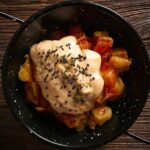
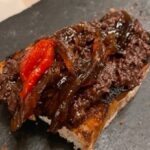
Most ham-and-wine experiences don’t include a warm ending. This one does: homemade pasta as a finishing touch. It’s not a full meal, but it helps balance the salt and fat from the cured meats and cheese. If you’ve ever left a tapas stop feeling like you ate only intensity, this is a smart counterweight.
Spanish wine isn’t random here: it’s matched to what you’re eating
A big part of value is that the wines aren’t just poured for atmosphere. They’re selected to match the foods you’re tasting. You’ll drink three Spanish wines, including D.O. Bierzo and Godello, plus Rioja or Ribera (it can vary). Even if wine isn’t your top interest, this structure helps you understand why Spanish regions taste different.
So what does pairing actually do for you during the tasting?
First, it changes how you perceive salt and fat. Iberian ham and cured meats carry a lot of richness. The right wine can make that richness feel rounded instead of heavy.
Second, pairing helps you learn. When the guide explains what you’re tasting—where it comes from and why it works—you start building a mental map. Later, when you’re ordering wine at a bar on your own, you’re not starting from zero.
Third, the aroma game forces attention. You taste, smell, and match. It’s playful, but it also turns the wine into something you can analyze. That’s useful in Madrid, where wine lists can look like alphabet soup if you’re not sure what to aim for.
What the guide actually does (and why it feels personal)
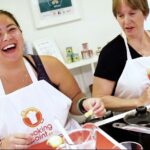
This experience is built around personalized attention. You’ll have a person guiding you through the products, explaining differences, answering questions, and keeping the tasting engaging. The goal is simple: you feel at ease, and you leave knowing what you tasted instead of just feeling fed.
Recent experiences have named guides like Ana and Andres, and both types of guidance show up in what you can expect. You might hear a producer-focused explanation—how brands connect to regions—and the guide will talk about the characteristics behind each sausage or ham.
You’ll also get local curiosities and anecdotes about Spanish cuisine. That’s more than storytelling. It gives context for the culture of cured meats and wine. If you’ve ever wondered why Spain treats ham like a serious topic, this gives you the background without turning it into a lecture.
And there’s one more practical touch: the tasting doesn’t rush you. It’s designed for “at your leisure,” which matters because cured meats and wine are best tasted slowly. If you’re the type who wants to take your time, this helps.
Value check: is $59 a fair deal for this much food?
At $59 per person for about 1.5 hours, the value is strongest when you compare what’s included. You’re not just getting a plate of tapas. You’re getting:
- Multiple cured meats and specialties: cecina de León, chorizo, serrano ham, Iberian ham
- Artisan cheeses plus a special soft cheese
- Three Spanish wines (including D.O. Bierzo, Godello, and Rioja or Ribera)
- Artisan bread and a finishing homemade pasta bite
- A guided format with pairing and an aroma game
- Local recommendations for what to eat and do afterward
That’s a full tasting lineup, not a snack stop. You’re also paying for the guide’s translation of what you’re tasting. In Spain, the difference between liking food and understanding it can come down to how someone frames the ingredients—why the product tastes the way it does, and how to notice the details.
One more value signal: you can usually buy products at the store. If you end up loving a ham style or cheese type, you’re not stuck chasing it later. You can take the flavor home in a way that feels way more satisfying than buying a random souvenir.
Where it fits in your Madrid day plan (and who it suits)
This tasting is a good fit if you want a food experience that feels local without being chaotic. The meeting point at C. de Colón, 13 makes it easy to start during the late morning or early afternoon, and it can also work as an early evening activity before dinner.
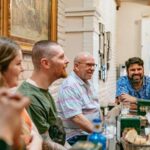
If you’re the kind of traveler who likes learning through eating, you’ll likely enjoy this. The pairing game and the producer explanations do real work. If you’re traveling with friends, small group format can be fun because you can share reactions. If you prefer quiet and direct attention, the private option is a strong move.
Who might find it less ideal?
- If cured meats are not your thing, the focus can feel intense.
- It’s not suitable for children under 18, so it’s an adult-focused stop.
If you have intolerances, the good news is that the experience says they can adapt 100% to needs or intolerances—just ask. That’s exactly what you want to hear before committing.
After the tasting: stay for a drink and local recommendations
One of the underrated perks is what happens after the formal tasting. You can often stay at the place afterward for a drink, buy products, or just relax a bit longer. It turns the experience into a part of your evening, not something that ends abruptly and sends you back into the hunt.
You’ll also receive gastronomic and local tips for the rest of the day in the area. That’s practical. Instead of getting generic museum advice, you get food-forward recommendations tied to the neighborhood vibe around Malasaña.
Should you book this ham, cheese, and wine tasting in Madrid?
Book it if you want a guided Madrid food stop that teaches you what to taste, not just what to order. The mix of cecina de León, serrano and Iberian ham, artisan cheeses, and three region-driven Spanish wines makes this more than a simple tapas bite. Add the cozy bar setting, the pairing game, and the option to buy products afterward, and the value feels solid.
Skip it if you’re avoiding cured meats or if you want a lighter, vegetable-heavy meal. This experience is built around Spain’s cured specialties, so it’s best when you’re open to that style.
If you’re even slightly curious about how Spanish wine and cured meats work together, this is an easy yes. It’s the kind of experience that leaves you with real knowledge—and a little extra confidence when you order again later in Madrid.
FAQ
How long is the tasting?
It lasts 1.5 hours.
Is it private or shared with other people?
It can be private or small-group. You choose the group type.
What food and wine is included?
You’ll taste Iberian ham and Serrano ham, cecina de León, chorizo, a selection of artisan cheeses and a soft cheese, plus artisan bread and homemade pasta. You’ll also have three selected Spanish wines, including D.O. Bierzo, Godello, and Rioja or Ribera (these may vary).
Can the experience adapt to intolerances or special needs?
Yes. The experience states it can adapt 100% to any needs or intolerances—just ask.
What languages are the guides available in?
The live guide is available in Spanish and English.
Is this experience suitable for children?
No. It is not suitable for children under 18.