REVIEW · MADRID
Madrid: Ultimate Food Tour of Local Markets & Tapas
Book on GetYourGuide →Operated by Devour Tours · Bookable on GetYourGuide
Churros get a reality check here. This 3.5-hour, central-Madrid walk pairs real local counters with 12+ tastings and drinks, so you’re not just eating, you’re figuring out what makes Spanish food tick. I like that the stops are family-run and built around what locals actually buy and order. I also like the pace: lots of food moments, then short walks, so you stay comfortable. One watch-out: it’s a walking tour and not designed for mobility limits.
Expect a classic Madrid sequence. Morning tours start with churros and chocolate; the 5 pm departure swaps in a tapas-and-beer stop. Either way, you’ll end with a sweet finish at a pastry shop that’s been operating since 1855, plus coffee or tea.
In This Review
- Key points to know before you go
- Starting at Calderón de la Barca: easy to find, good to orient
- Chocolate Madrid: churros, chocolate, and why timing matters
- MOEGA Empanadas y pan gallego: bread that proves a point
- Mercado de Antón Martín: olives, cured meats, produce, and extra-virgin olive oil
- Casa González: wine-and-cheese tasting with a 1930s twist
- Casa Revuelta and Bar La Campana: the calamari moment near Plaza Mayor
- El Riojano finale: dessert since 1855 with coffee or tea
- Drinks and dietary reality checks (what you can count on)
- Price and value: what $90 gets you in Madrid
- Pace and logistics: walking comfort and meeting the group
- Should you book this Madrid food tour?
- FAQ
- Where does the tour meet?
- How long is the Madrid food tour?
- What food and drinks are included?
- Is there churros on the tour?
- Can the tour accommodate dietary restrictions?
- Is the tour stroller or wheelchair friendly?
- What should I wear or bring?
Key points to know before you go
- 12+ tastes across 9 family-run eateries, with 3 drinks included
- Mercado de Antón Martín for olives, cured meats, produce, and extra-virgin olive oil
- A vermouth lesson built right into the market stroll
- Wine-and-cheese tasting at a deli with a surprising 1930s storyline
- Churros on mornings only, while 5 pm guests get tapas and beer instead
- Great guide energy (you may hear names like Flo, David, Arantxa, Mitzi, or Lilly mentioned often)
Starting at Calderón de la Barca: easy to find, good to orient
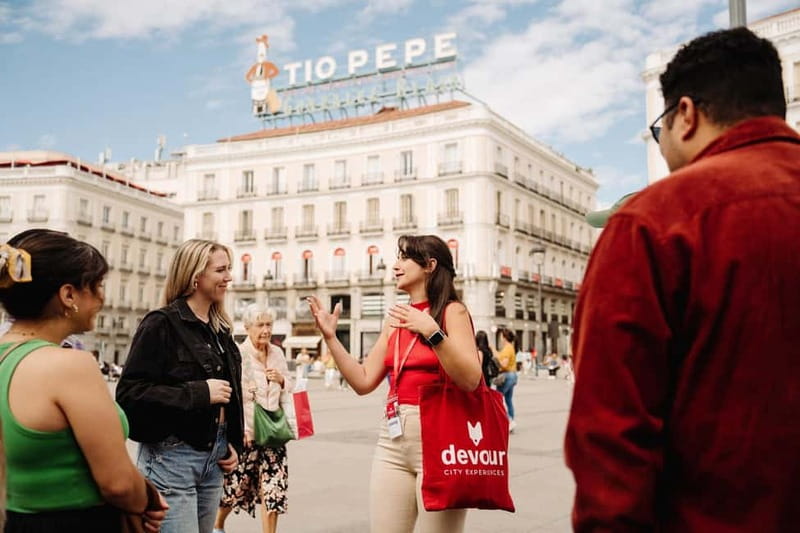
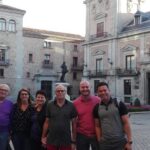
You meet at Plaza Santa Ana at the statue of Calderon de la Barca, right in front of the big, white hotel. The guide holds a red Devour Tours tote bag or sign, and you’ll want to arrive about 15 minutes early so you’re not rushing your first bite.
This is a very practical way to get your bearings. The route is central, the stops are close enough for an easy rhythm, and the guide uses the walking time to explain how Madrid food culture works. It’s not a museum lecture. It’s more like: walk a few minutes, taste something, and then learn what you’re tasting.
Because this is a walking tour, wear comfortable shoes. If you tend to get thirsty easily, I’d bring water too. Several people call out how much walking there is, and you’ll be happier if your energy stays steady.
English is the tour language, and it’s designed for guests who can handle a moderate pace without stumbles or breaks that derail the group.
You can also read our reviews of more tours and experiences in Madrid.
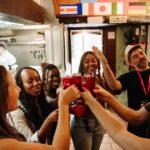

Chocolate Madrid: churros, chocolate, and why timing matters
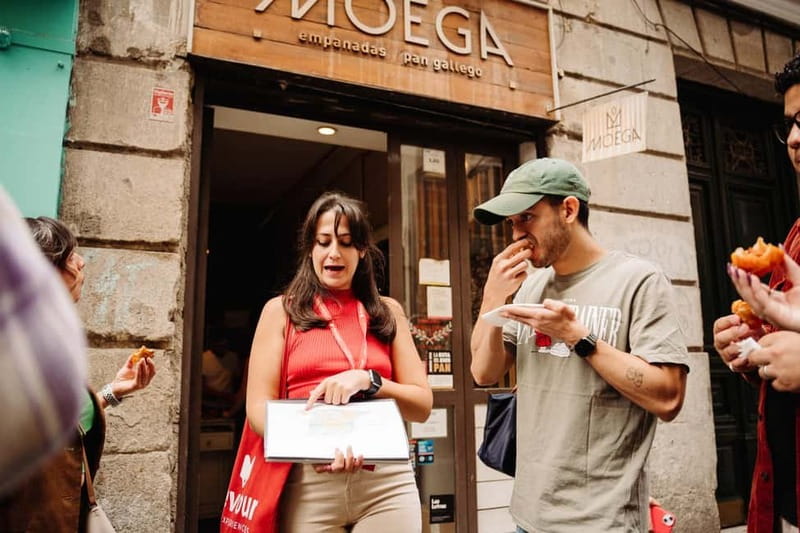
The first big food stop is Chocolate Madrid. On morning tours, you get a chocolate-and-churros reality check. The guide explains the real origins behind churros and the chocolate story that goes with them—then you taste the results at a beloved neighborhood café.
This first stop is a smart move. If you start with something familiar, it gives the tour a baseline. You’re not only trying food; you’re learning why locals argue about the details.
Important timing note: churros stop is only available on morning tours. If you choose the 5 pm departure, you’ll skip churros and instead visit a popular tapas bar to try two local tapas plus a beer. Same idea, different sequence. If churros are your priority, pick the morning slot.
From what guides are praised for, the best part is that the explanations stay tied to what’s on the plate. People often mention guides like Flo and David for making the food history easy to follow and fun to ask questions about.
MOEGA Empanadas y pan gallego: bread that proves a point
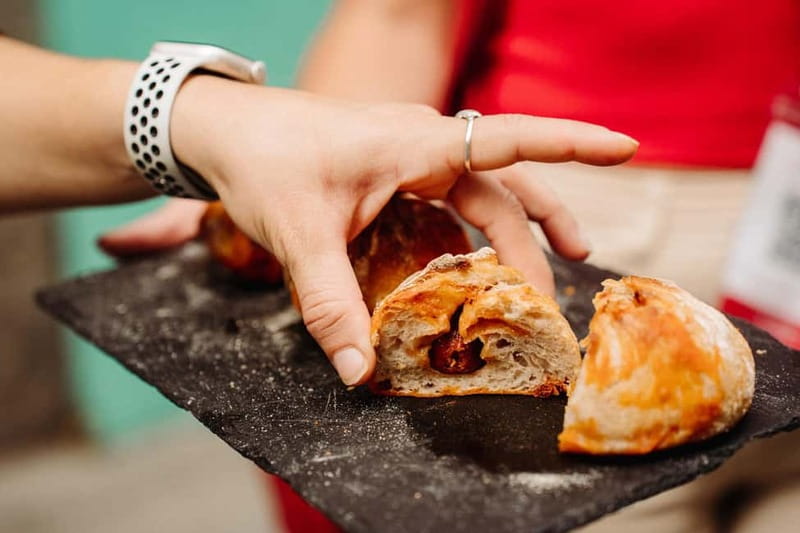
Next comes MOEGA Empanadas y pan gallego. This stop is short, but it matters because it targets a core Madrid habit: buying freshly baked bread.
You’ll learn why good bread in Madrid can be harder to find than you’d expect, then taste a house-made highlight—specifically their homemade rolls stuffed with chorizo. The bread here is the star, not an afterthought.
Why I like this stop for first-timers: it shows that Madrid cuisine isn’t only about big iconic dishes. It’s also about everyday food quality. Bread is one of those things people don’t think to compare until someone makes them taste the difference.
If you’re wondering whether a 5-minute stop is worth it, keep in mind the tour is built around multiple short tastings. This one is designed to hit fast and clean, so you’re not waiting long for the next market moment.
Mercado de Antón Martín: olives, cured meats, produce, and extra-virgin olive oil
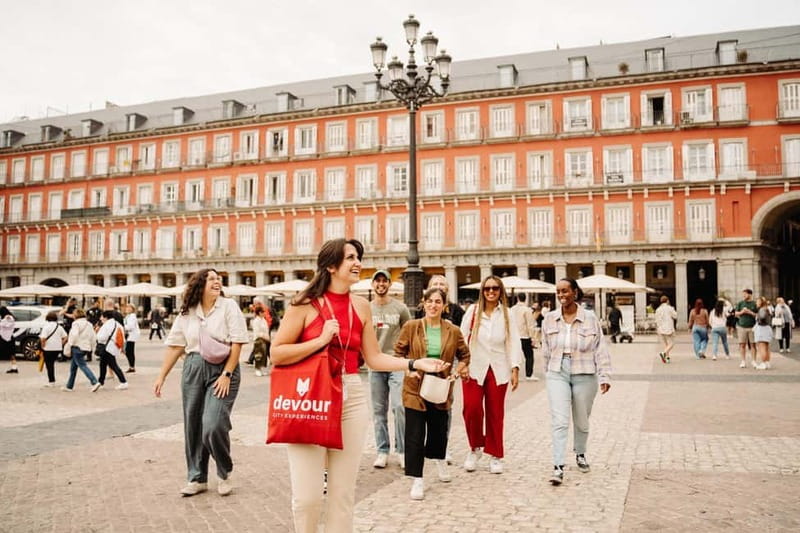
After the bakery bite, the tour shifts into market mode at Mercado de Antón Martín. This is where you see Madrid grocery shopping as locals do it—different neighborhoods, different ages, same daily routine.
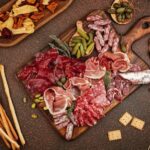
You’ll explore the stalls and taste a lineup that reads like a Madrid pantry:
- olives
- cured meats
- locally sourced produce
- extra-virgin olive oil
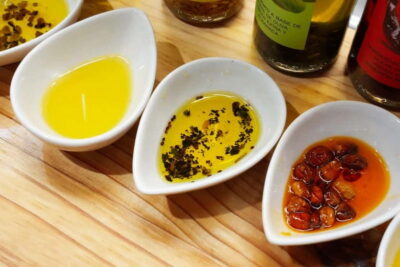
Yes, you’ll taste the olive oil. And no, it’s not just a sip for show. This is one of the best ways to understand why Spaniards talk about oil like it’s a food with personality, not just a condiment.
One of the tour’s stand-out teaching moments is the vermouth portion. You’ll sip Spain’s favorite aperitif red vermouth and learn when it’s drunk and why it matters. If your idea of vermouth is limited to cocktails you’ve had abroad, this stop gives you a Madrid-based baseline.
You’ll also be walking through the market as you sample, which helps the lessons stick. Instead of memorizing facts, you connect them to flavors you can still taste later.
Casa González: wine-and-cheese tasting with a 1930s twist
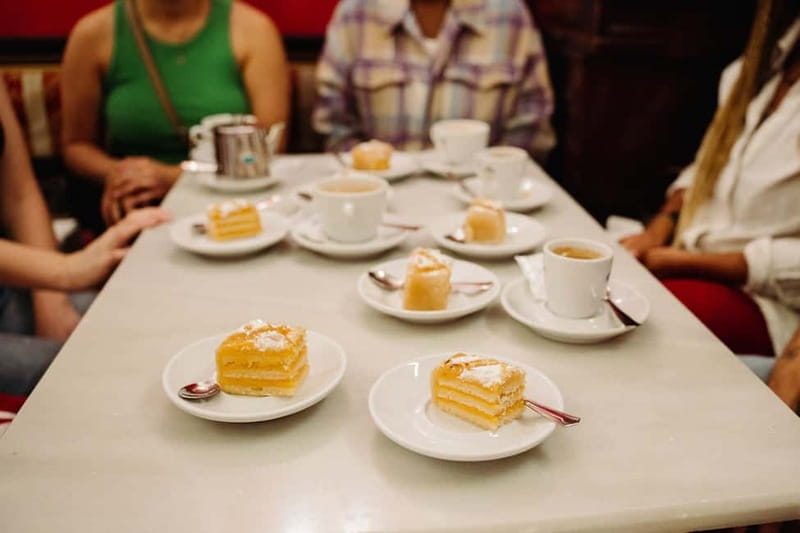
Then you head to an unassuming neighborhood deli: Casa González. The building has a surprising past. The owner’s father held clandestine meetings in the 1930s to plot against Spain’s newly established dictatorship.
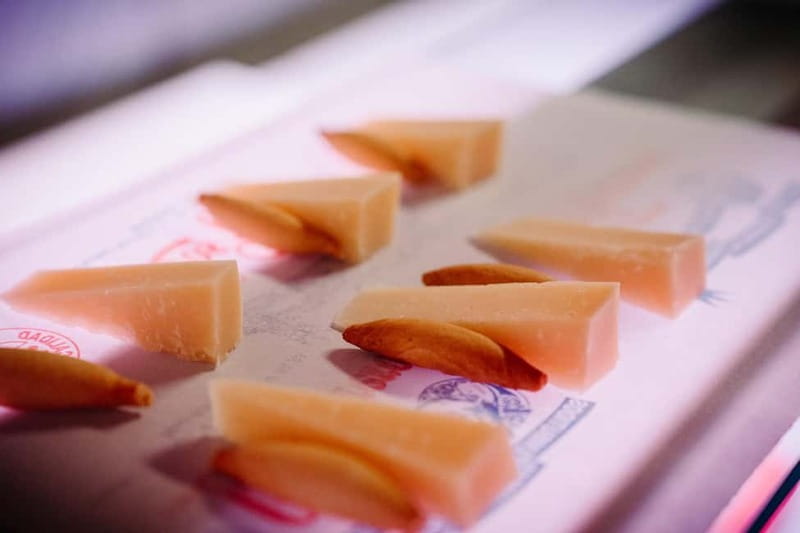
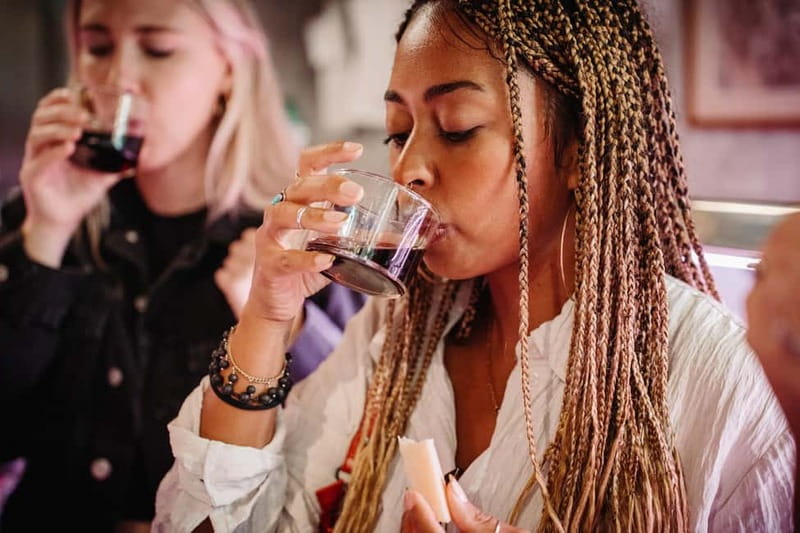
Today, that same space is used for a mini tasting of cheeses from around Spain paired with two different wines. This part is a nice change of pace after all the market sampling, because it turns the attention to pairing and slower tasting.
Here’s the practical value: you learn how wine and cheese show up together in real life, not just on a brochure. If you tend to skip cheese tastings because you assume it will be repetitive, this stop can correct that. Different cheeses plus different wines means you actually notice how flavors shift.
A small caution: several people note that the tour includes a lot of olives and cheese. If you don’t like either, you may still find options, but your enjoyment will depend on what alternatives are available at each stop. It’s not a vegan-focused tour, and it’s also not set up for celiac needs.

Casa Revuelta and Bar La Campana: the calamari moment near Plaza Mayor
From Casa González, the route continues through more family-run stops. Casa Revuelta is next with a shorter tasting window, then you reach Bar La Campana, which is where the tour’s “you can’t miss this” bite shows up.
The famous moment here is the calamari sandwich—served standing outside the bar, like locals do. You’ll find calamari sandwiches around Plaza Mayor, but this one is treated like the standard: light, crunchy batter around perfectly cooked calamari rings.
Why this stop works: it’s a street-food style payoff after tastings that are more wine-and-market based. You get your hands-on bite, and it’s the kind of food that helps you understand Madrid street culture without needing a full nightlife detour.
If you’re the type who hates eating while standing or in crowded spots, plan for it. This is a standing-style stop. The upside is you’re eating right where people actually linger and chat.
People also mention that the tour keeps things easy when it comes to lineups. Some guides are praised for helping groups skip long waits at stops, which matters if you’re doing multiple tastings in a short 3.5-hour window.
El Riojano finale: dessert since 1855 with coffee or tea
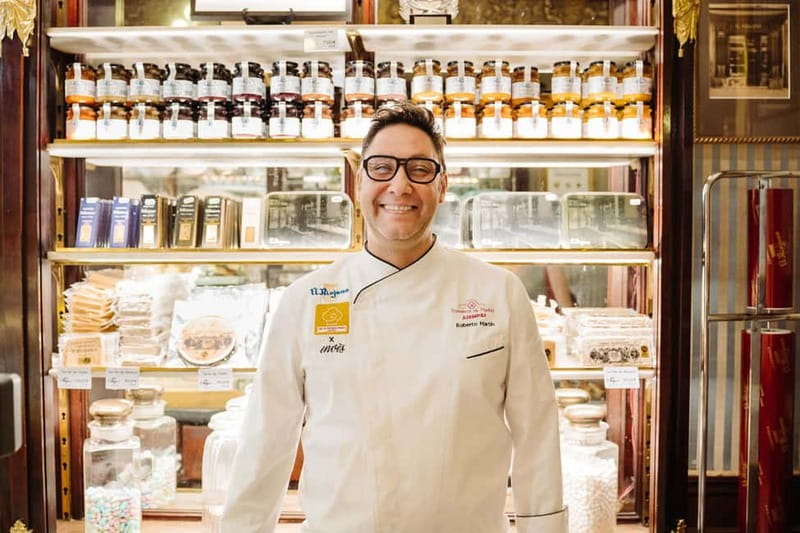
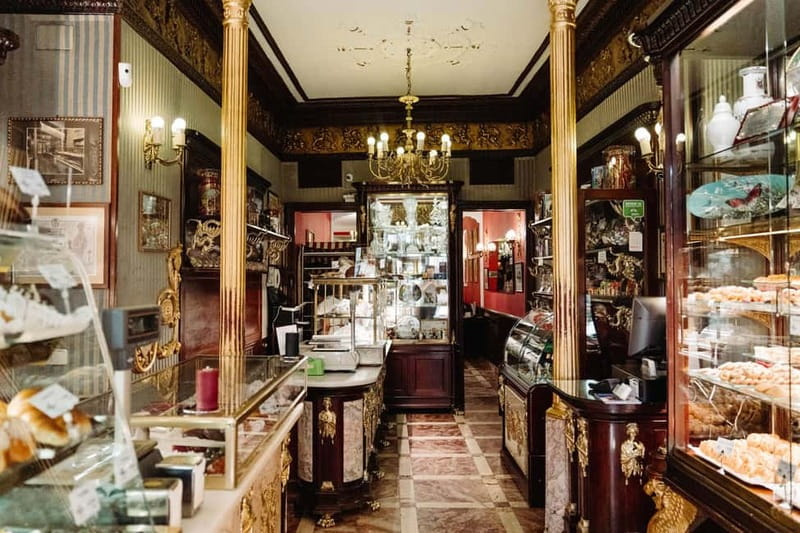
The tour ends at El Riojano. The final stop is where sweet finishes take over. You’ll taste a classic Spanish dessert from a pastry shop that’s been operating since 1855.
The story attached to the shop is part of the appeal: it was opened by the Spanish queen’s own personal pastry chef. You might also recognize the place if you’ve watched Spanish-American chef Jose Andrés’ travel show, but the tour experience is grounded in the idea that locals keep returning for a reason.
You get your dessert with your choice of coffee or tea. That matters because it closes the meal without throwing you into a heavy sugar crash. It’s a nice way to end a tour that already includes wine, vermouth, and multiple savory tastings.
By the time you hit the final pastry counter, you’ll likely feel like you’re done snacking for the day—several people say the portions are generous and they don’t need another meal right away.
Drinks and dietary reality checks (what you can count on)
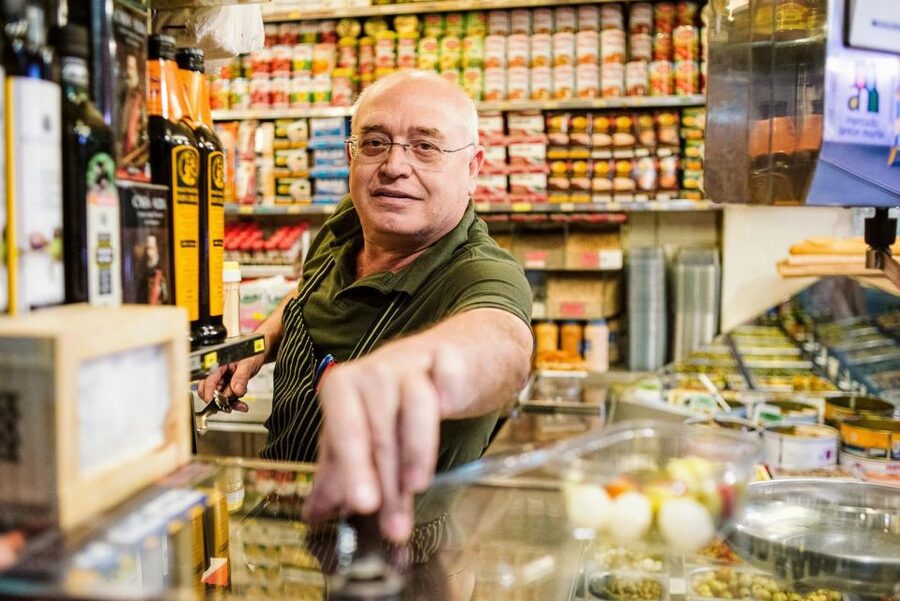
This tour includes 3 drinks as part of the tastings. Based on the tour flow, that typically includes the red vermouth market sip and wine pairings during the cheese stop, plus an additional drink within the tastings.
Dietary accommodations are offered, but they have boundaries:
- Vegetarians and pescatarians: there are adaptations, but you may not get a replacement food option at every stop
- Gluten free (not celiacs): accommodations are mentioned, but not for celiac disease
- Dairy free: options exist, but replacements aren’t guaranteed at every stop
- Non-alcoholic options: possible
- Pregnant women: adaptable
The tour is not suitable for vegans and not suitable for celiac disease.
Also, if you have serious allergies, contact the provider in advance. The tour data specifically says you should reach out so ingredients can be arranged.
My practical advice: if you have dietary needs, don’t assume every stop can swap items cleanly. The tour is built on specific family-run products. The guide can help, but you should plan ahead so the experience fits your needs rather than fighting the menu.
Price and value: what $90 gets you in Madrid
At $90 per person for about 3.5 hours, you’re paying for three things at once:
1) Tastings you might not seek out on your own, like market oil and structured wine-and-cheese
2) the convenience of a guided route connecting central spots
3) a host who explains what you’re eating, including the why behind certain foods (like bread quality and vermouth timing)
If you were to visit a few of these places independently, you’d likely spend money on food anyway. What you’re buying here is the mix: olives and cured meats, plus bread, plus wine pairing, plus street-food calamari, plus a dessert finale. The guide role is what turns that list into a coherent Madrid food lesson.
I also like that this tour leans family-run. You’re not bouncing only through tourist-friendly chains. You’re being guided to local counters and stands that locals recognize.
Is it worth it if you’re a casual snacker? Probably not. But if you want a solid overview of Spanish flavors in a single afternoon, it’s strong value.
Pace and logistics: walking comfort and meeting the group
This is a walking tour with a moderate pace. It’s designed so you can keep moving between short tastings without the long waits that ruin food tours. People often say the group size feels right, and the experience moves along in a way that keeps energy up.
Bring comfortable shoes. If you tend to get sore, plan for a decent walking day. Also note: it isn’t suitable for mobility impairments, wheelchairs, or strollers.
The meeting point is clear and central, and the guide holding the red Devour Tours tote makes it easier to spot the start. The tour ends back at the meeting point, so you’re not stuck figuring out transportation after you’re full.
Finally, if you’re deciding between morning and 5 pm, pick based on your food cravings. Churros are for mornings. The 5 pm plan keeps the tour vibe but pivots to tapas and beer.
Should you book this Madrid food tour?
Book it if you want a guided Madrid food crash course that includes a real market stop, structured tastings, and a dessert finale that feels like a proper send-off. It’s especially good for first-timers who want to taste widely without spending the whole day planning.
Skip it if:
- you need a fully vegan route or you have celiac disease
- you hate olives and cheese (the menu leans that way)
- you can’t handle a walking-focused experience
If you do book, pick the morning departure for churros. If you’re choosing later, you’ll still get a satisfying set of tapas and beer.
In short: this is a practical way to eat like you know where you’re going in Madrid—without pretending you do.
FAQ
Where does the tour meet?
It meets at Plaza Santa Ana, at the statue of Calderon de la Barca, in front of the big, white hotel. Arrive about 15 minutes early and look for the guide holding a red Devour Tours tote bag or sign.
How long is the Madrid food tour?
The tour runs for about 3.5 hours.
What food and drinks are included?
You get a local English-speaking guide plus an expertly guided walking tour. The tasting portion includes 12+ tastes across the stops and 3 drinks.
Is there churros on the tour?
Churros are available only on morning tours. If you select the 5 pm tour, churros stop is replaced by a tapas bar visit with two local tapas and a beer.
Can the tour accommodate dietary restrictions?
The tour is adaptable for vegetarians, pescatarians, gluten free (not celiacs), dairy free, non-alcoholic options, and pregnant women. However, there may not be a replacement option at every stop. It is not suitable for vegans or for people with celiac disease.
Is the tour stroller or wheelchair friendly?
No. It is not suitable for mobility impairments, wheelchair users, or strollers. The tour involves walking at a moderate pace.
What should I wear or bring?
Wear comfortable shoes. Since it’s a walking tour and you’ll be tasting often, bringing water is a smart idea for comfort during the route.