REVIEW · MARBELLA
Marbella old town tour with Tapas and Wines
Book on Viator →Operated by Marbella in-Style · Bookable on Viator
Follow orange trees and old walls.
This Marbella Old Town tapas and wines walk links Plaza de los Naranjos to the area’s Arabic walls, and the olive oil tasting is the stop that sticks with you. I also like the small-group pace, which keeps the walk easy and the tastings un-rushed. The one watch-out: the wine portion is mainly included as a glass with your stops, so if you want a structured wine seminar, double-check your expectations.
You’ll meet at Parque de la Alameda on Av. Ramón y Cajal, then spend about 3 hours getting your bearings in the historic center. Expect a guided stroll that goes through Barrio Alto, past a church, and through key old-town sights before you shift into the food side of the tour.
The value here is simple: you’re paying for a guided route plus two rounds of tapas and wine. If you’d rather wander solo and pick your own bars, you may not feel this is the cheapest way to eat in Marbella. But if you want someone to steer you toward what to try, it makes the meal portion much easier.
In This Review
- Key things I’d clock before you go
- Old Town Marbella: Plaza de los Naranjos, Barrio Alto, church, and Arabic walls
- Tapas and wines: what you’re really getting in those two bar stops
- The olive oil tasting stop: why it earned top billing
- The walking pace and what to wear in Plaza de los Naranjos country
- Guides matter: what you can expect from Franco and Lana-style hosting
- Value check: is $191.45 worth it for 3 hours of tapas and wine?
- Who this tour is best for (and who might not love it)
- Should you book this Marbella Old Town tapas and wines tour?
- FAQ
- How long is the Marbella Old Town tour?
- Is wine included, and how much?
- How many tapas stops are included?
- What language is the tour offered in?
- Where do I meet for the tour?
- What happens if the weather is bad or I need to cancel?
Key things I’d clock before you go
- Plaza de los Naranjos first, then history on foot: get oriented fast in Marbella’s center.
- Two tapas-and-wine bar stops: plan on roughly two wine pours total and tastings across two bars.
- Olive oil tasting can be the highlight: expect lots of variety and strong Spanish flavor education.
- Easy-going walking style: one review specifically called out very few stairs.
- Small group size (max 12): more chance to ask questions while you’re eating.
- English-speaking guide: the tour is offered in English.
Old Town Marbella: Plaza de los Naranjos, Barrio Alto, church, and Arabic walls
Marbella old town rewards slow looking. This tour starts you in the right place: Plaza de los Naranjos, the main square where you can quickly understand the town’s mood and layout. Even if you’ve never been here, this is where you can start making sense of streets, turns, and what you’re going to see next.
From there, you continue on foot into Barrio Alto and toward the church area, building a simple storyline as you walk. The focus stays practical: it’s not just where things are, it’s how they fit together in the old town fabric.
The Arabic walls are the moment that adds context. Marbella’s history shows up in layers, and this stop gives you a physical reference point. You’re not just hearing trivia—you’re looking at structures tied to the town’s past, and then you can connect those visuals to what you learn from your guide as you move along.
One thing I appreciate about this kind of route is that it helps you avoid the common first-day problem: wandering without a plan. You can’t do that here because the walk gives you a clear sequence, so you actually remember what you saw.
You can also read our reviews of more tours and experiences in Marbella.

Tapas and wines: what you’re really getting in those two bar stops
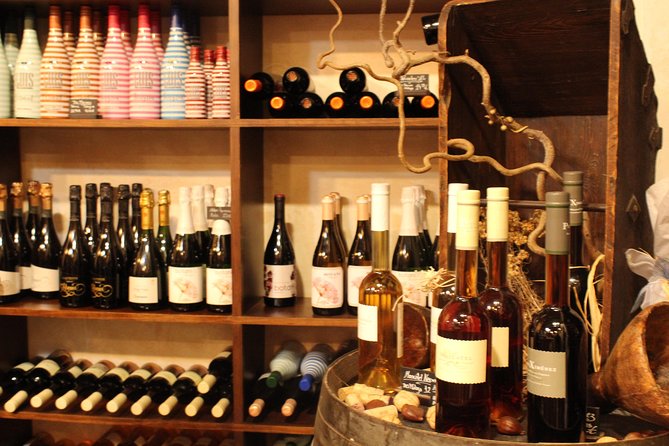
This is a tapas-and-wine tour, but it’s not an all-night bar crawl, and it’s not a multi-course fine-dining event. You get tastings across two visited bars, with one glass of wine per person per bar, for a total of two wine glasses included.
At each bar, you receive a selection of tapas (described as a lunch selection) plus additional tapas (described as snacks). Translation: you’re there to try several Spanish-style bites without having to decide everything yourself. That matters because tapas can be tough when you’re tired, hungry, and unsure what you’re ordering.
A key detail: the included wine is essentially part of the experience at each stop (a glass with your tastings). That’s great if you enjoy pairing wine casually with food. But one review pointed out a mismatch between what they expected and what they got—specifically, they wanted a more formal wine tasting. So if you’re after a structured wine flight with guided tasting notes, don’t assume the tour is built like a dedicated sommelier class. It’s more about tapas plus wine, with room for conversation.
Still, the format works well. Two bars in about three hours keeps the pacing comfortable. You get enough variety to understand how tapas in Marbella differ from what you might be used to, without leaving you stuffed and slow for the rest of the walk.
The olive oil tasting stop: why it earned top billing
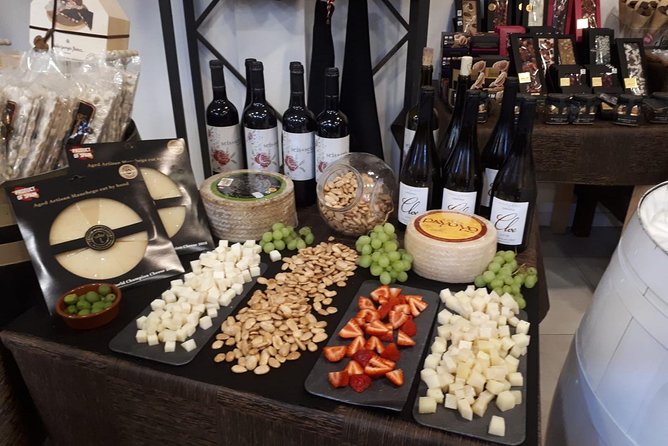
If there’s one part people talk about with extra enthusiasm, it’s the olive oil tasting. Several highlights point to the same idea: this stop isn’t just about tasting oil—it’s about learning what makes Spanish olive oil different and how flavors show up in real food.
In the best version of this experience, you get lots of variety. One guide-led tasting included options like wasabi-infused olive oil and other flavor-forward varieties, plus strong storytelling around the differences in what you’re tasting. Another detail that stood out is that the person running that olive oil segment explained the fine points of Spanish olive oil, which makes the tasting feel like a mini education rather than a quick sample.
You also get practical inspiration for gifts and pantry use. One review mentioned choosing smaller containers because luggage space matters, and that packaging helped them take flavors home. That’s a real travel advantage: you don’t just leave with a full belly—you leave with something you can cook with later.
If you cook at home, this is where the tour pays off beyond the meal. You start noticing how infused oils can act like ingredients, not just condiments. And if you’re food-curious, you’ll probably enjoy the way this stop connects to the rest of Spanish cooking you’ll see while you’re in town.
The walking pace and what to wear in Plaza de los Naranjos country
Old Town Marbella is charming, but it’s also historic—meaning cobblestones and uneven surfaces are part of the package. The good news is that at least one review specifically described the walk as easy with very few stairs. That suggests the route is designed for regular visitors, not hardcore walkers.
My practical advice: wear comfortable shoes you trust on stone streets. Bring a light layer if you’re going in cooler months, since the square and narrow streets can feel cooler than you expect. And if you’re the kind of person who gets thirsty during walks, you’ll probably enjoy pacing yourself so you don’t arrive at the bar stops already worn out.
Also think about timing your energy. You’re combining a historic stroll with tastings, so aim to arrive hungry enough to enjoy tapas, but not so hungry that wine + several bites feels overwhelming. A steady appetite is the sweet spot.
Guides matter: what you can expect from Franco and Lana-style hosting
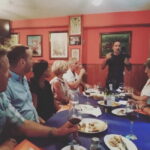
This tour is capped at 12 travelers, which usually means the guide can actually talk to the group instead of just steering everyone like a line of shoppers. In the past, guides named Franco and Lana were both praised for sharing detailed context and not rushing people through tastings.
What I like about this style of guiding is the balance: history plus food. If a guide can explain why a wall matters and then help you understand what you’re eating, the whole experience sticks. Reviews also praised guides for pacing—taking their time and giving options in Spanish foods that people may not have tried before.
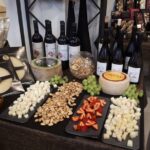
From the tapas side, one praised tour included bites such as pimiento de padrón (small green peppers), stuffed red peppers with cream cheese, patatas frito, langostine shrimp, and jamón combination sandwiches with cheese. You might not get the exact same menu every time, but the pattern matters: you’re likely to see classic Spanish bar food and a few surprises that make the tour more interesting than simply ordering off a menu.
If you’re the type who loves to ask, this format gives you room. You can learn how ingredients work, what to order next time, and why certain tapas show up again and again in Andalusian bar culture.

Value check: is $191.45 worth it for 3 hours of tapas and wine?
Price is always the big question. This tour runs about 3 hours and includes:
- Two wine glasses total (one per visited bar, two bars)
- Tapas selections at two bar stops (described as lunch selection and snacks selection)
At $191.45 per person, you’re not just paying for food. You’re paying for:
1) a guided walking route through key old-town landmarks,
2) two managed tasting stops where you don’t have to decode menus, and
3) a guide who can connect the architecture and history to what you’re eating.
That can be good value if your travel style is structured and social: you like learning while you eat, and you enjoy being guided to specific places. It’s also a convenience win. Instead of researching bars and hoping you picked well, the tour puts you into tasting settings where the guide already knows the best approach.
If your travel style is DIY, you might spend less on wine and tapas on your own. But the trade-off is you may miss the explanation that turns random bites into something memorable. For me, the value hinges on whether you want that context and direction.
Who this tour is best for (and who might not love it)
This works especially well if:
- you want a short, high-impact old town experience without planning every stop
- you’re curious about Spanish flavors and want help understanding tapas
- you like small groups and a guided walking pace
It may feel less ideal if:
- you’re expecting a formal, step-by-step wine tasting lesson rather than wine served alongside tastings
- you hate the idea of a set route and set stops, since the tour does guide you from sight to sight and bar to bar
In short: it’s a great fit for food-forward sightseeing. It’s not trying to be a deep wine education program.
Should you book this Marbella Old Town tapas and wines tour?
If you want an easy way to get oriented in Marbella old town while eating your way through classic tapas and wine, I think it’s a strong pick. The big selling points are the old-town walking sequence starting at Plaza de los Naranjos and the olive oil tasting, which clearly earns extra attention. Add a small group size and English hosting, and the format feels friendly rather than rushed.
My final advice: go in expecting tapas + two included wine glasses, and treat the olive oil stop like the star. If you’re the kind of traveler who needs a formal wine-tasting lesson with detailed wine instruction, you should look for a different wine-focused experience or ask questions before you book.
FAQ
How long is the Marbella Old Town tour?
It runs for about 3 hours (approx.).
Is wine included, and how much?
Yes. You get alcoholic beverages with 1 glass of wine per person per visited bar, and there are 2 visited bars in total.
How many tapas stops are included?
There are 2 visited bars total, with tapas selections included at each bar (described as a lunch selection and snacks selection).
What language is the tour offered in?
The tour is offered in English.
Where do I meet for the tour?
You start at Parque de la Alameda, Av. Ramón y Cajal, s/n, 29602 Marbella, Málaga, Spain, and the tour ends back at the meeting point.
What happens if the weather is bad or I need to cancel?
The experience requires good weather. If it’s canceled due to poor weather, you’ll be offered a different date or a full refund. You can also cancel for free up to 24 hours in advance for a full refund.