REVIEW · MADRID
Old Madrid Tapas and Fine Wine Small Group Tour
Book on Viator →Operated by Walks of Spain · Bookable on Viator
Old Madrid tastes better after sunset. This La Latina tapas and fine wine small-group tour focuses on top pours and standout bites, from vermouth on tap to Pedro Ximenez over vanilla ice cream. Two things I like most: it’s capped at 8 with a Spain-certified wine guide, and the pairing level feels like a real meal plan instead of random snacks; the trade-off is that it involves walking cobblestones and it’s clearly wine-forward.
You’ll start at Plaza de la Villa and spend about 3 to 4 hours moving through old bars and restaurants. There’s no hotel pickup, and the route is built for people who are comfortable on foot.
In This Review
- Key things that make this La Latina wine tour worth it
- La Latina on foot: the old streets you can feel
- What happens at each stop: vermut, cod fritters, tostas, and Pedro Ximenez
- Stop 1: La Latina and the neighborhood vibe
- Stop 2: Vermut on tap and Chupadedos olives
- Stop 3: Wine tasting with a 19th-century touch and cod fritters
- Stop 4: Albariño at a beautiful wine bar + tostas
- Stop 5: Into the neighborhood deeper, ending at a top-rated Iberico restaurant
- Stop 6: Reds from the guide’s cellar
- Stop 7: Pedro Ximenez dessert wine and the ice cream trick
- Why the wine focus doesn’t ruin the food
- The guide’s role: the difference between a tasting and a night out
- Timing, walking, and how to prep so you don’t feel rushed
- Price and value: is $101.63 a good deal?
- Who this La Latina tapas and fine wine tour is best for
- Should you book this tour?
- FAQ
- How long is the Old Madrid Tapas and Fine Wine small group tour?
- What is the group size for this tour?
- What language is the tour offered in?
- Is hotel pickup included?
- What’s included in the tasting?
- Is the tour suitable if I have mobility issues?
Key things that make this La Latina wine tour worth it
- Small group of 8 max means you get personal attention instead of being one more face in a line.
- Vermut on tap + Chupadedos olives sets the tone fast, and it’s a very Madrid start.
- Named wines with real pedigree, including Altos de Torona Albariño (IWC winner) and Viña Arana Gran Reserva 2015.
- The Iberico stop is a big deal: you’ll taste ibérico tenderloin from a 3 Michelin Star butcher.
- The finish is classic Spain dessert wine: Pedro Ximenez with ice cream turned into rum-and-raisin-style vibes.
La Latina on foot: the old streets you can feel
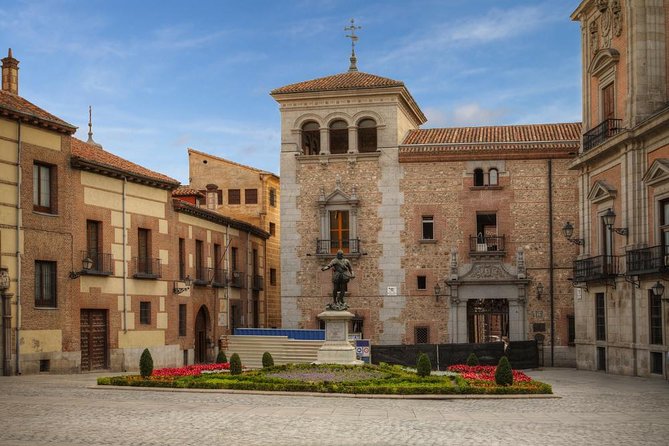
La Latina is one of Madrid’s oldest neighborhoods, and the tour’s route is designed to show you that in the way it should happen: by walking. You’ll be threading through narrow cobblestone streets, and along the way you can spot remnants from the 12th-century wall. It’s not the kind of sightseeing where you stare at a plaque for 10 minutes. It’s more like the city’s built texture is part of the tasting.
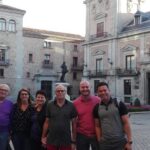
The starting point is Plaza de la Villa, and the meeting spot is convenient if you’re using public transportation. And since there’s no hotel pickup, you’ll want to plan to arrive a few minutes early, especially if you’re trying to find the exact corner or landmark quickly.
Pacing-wise, this is a short walking tour, not a long hike. Each stop is timed tightly (often 10 to 30 minutes), which keeps momentum and helps you sample without getting stuck in one place too long. If you don’t like standing or walking on uneven stones, this is the part you should think about first—this isn’t a wheelchair-friendly route.
You can also read our reviews of more tours and experiences in Madrid.


What happens at each stop: vermut, cod fritters, tostas, and Pedro Ximenez
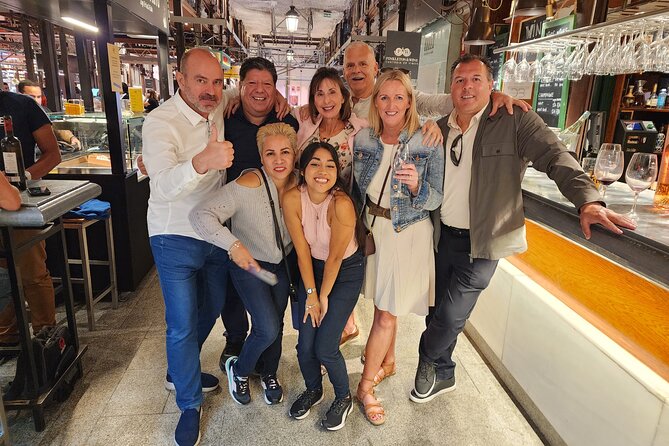
This tour works because it builds flavors in a logical order—start bright, move into savory comfort, then finish with the sweet, sticky finale Spain does better than almost anywhere else.
Stop 1: La Latina and the neighborhood vibe
You begin in La Latina, where the guide frames what you’re about to taste with the feel of the area itself—old streets, local energy, and places that feel lived-in. It’s also where the group settles in and you start looking at the neighborhood like a local food map instead of a generic tourist zone.
Stop 2: Vermut on tap and Chupadedos olives
At the next bar, you’ll start with vermouth on tap—a very Madrid way to open the evening. It’s paired with Chupadedos olives, specifically the verdial variety, seasoned with pepper, garlic, oregano, and olive oil. That flavor combo matters because vermouth tends to be herbal and bitter-sweet, and olives handle that balance without turning the palate dull.
Stop 3: Wine tasting with a 19th-century touch and cod fritters
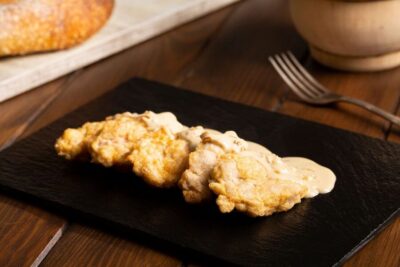
Next comes a wine stop that includes a taste of how they drank wine in the 19th century, paired with cod fritters. Cod is one of those Spain staples that can be either bland or excellent depending on how it’s made. Here, the emphasis is on the best version of the dish in Madrid, and that’s the point of bringing a guide: you’re not gambling on random bar food.
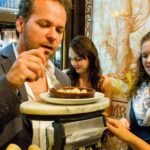
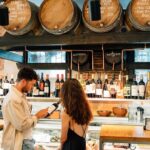


Stop 4: Albariño at a beautiful wine bar + tostas
Then you shift into white-wine mode with Altos de Torona Albariño (2022 International Wine Challenge winner). Albariño is known for crisp freshness, and it plays beautifully with small bites.
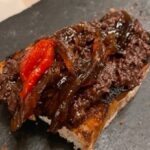
You’ll pair it with tostas—tapas-style toasts. This pairing is smart because crunchy bread and savory toppings give the wine something to work with, rather than letting it float by on its own.
Stop 5: Into the neighborhood deeper, ending at a top-rated Iberico restaurant
Now the group moves through more narrow streets, heading to a top-rated restaurant in the neighborhood. You’ll sit down for 3 Michelin Star ibérico tenderloin. This is the kind of stop that changes the whole tour from casual sipping into a proper food evening.
A practical note: this is still part of a tasting format, not a full-length sit-down dinner with a huge menu. But the quality is clearly the goal.
Stop 6: Reds from the guide’s cellar
After the ibérico, the tour shifts again—this time into red wines. The guide uncorks multiple bottles from his own collection, including named reds such as Matas Altas and Platón. If you like variety, this is where the tour gives you that “I didn’t expect this” feeling: it’s not only wine paired to food, it’s also wine presented like a story.
Stop 7: Pedro Ximenez dessert wine and the ice cream trick
To close, you’ll taste Pedro Ximenez, described as Spain’s king of dessert wines. The fun part is the pairing: it turns vanilla ice cream into a rum-and-raisin effect. It’s a playful finish, but it also makes sense—Pedro Ximenez is rich and concentrated, and the ice cream cools and softens it.
Why the wine focus doesn’t ruin the food
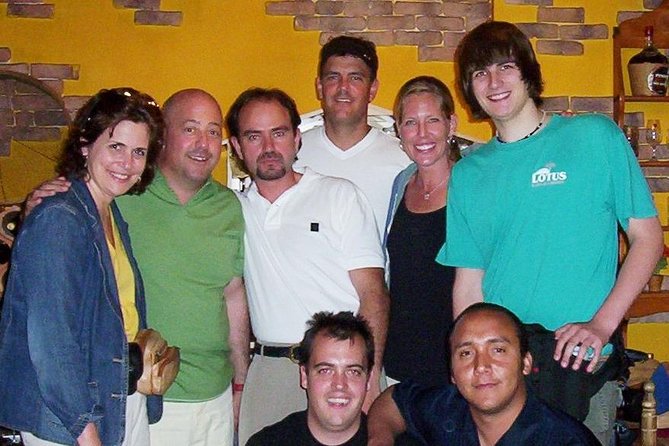
Some wine tours forget food. This one doesn’t, mostly because the flow makes sense: vermouth and olives start the palate, cod fritters and tostadas keep it savory, the ibérico stop becomes the centerpiece, and dessert wine lands as a memorable capstone.
The guide also brings a Spain-certified approach from the Spanish Wine Tasting Association, and the experience reflects that: you’ll get explanations that help you taste better, not lectures that kill the fun.
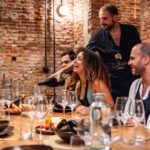
One more practical benefit: it’s designed for small conversation. Multiple people have noted that the guide is good at knowing when to share information and when to let the group socialize. That matters because tasting nights are supposed to be social. When the pace is right, you actually get to talk about what you’re eating instead of only hearing facts.
If you’re not a wine drinker, don’t assume you’re stuck. At least one previous participant said the guide offered beer as a swap. You should still treat this as a request you make ahead of time, but the overall vibe is that preferences are handled without drama.
The guide’s role: the difference between a tasting and a night out
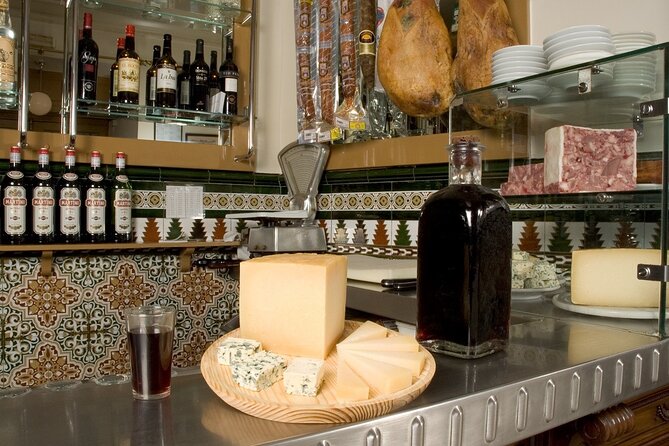
Here’s what separates a well-run wine and tapas tour from a basic one: the guide’s control of pacing, attention, and choices.
In past experiences, the guide—often referred to as Andres—is the type who remembers names quickly and checks who’s eating and drinking comfortably. That shows up in small ways: making sure nobody feels left out, adjusting for individual tastes, and keeping the evening moving when a group is ready to chat on its own.
There’s also a personal touch in the wine selection. At the later stops, the guide brings wines from his own collection. That does two things for you: it raises quality, and it adds context because you’re hearing why those bottles matter instead of just being handed a cup.
Timing, walking, and how to prep so you don’t feel rushed
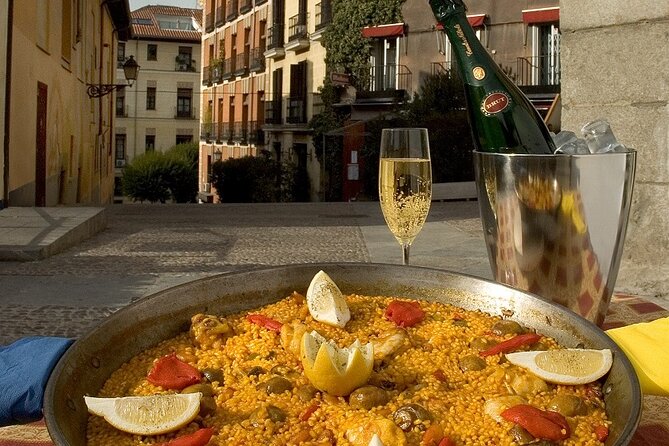
The tour runs about 3 to 4 hours. It’s short enough that you can fit it early in your Madrid evenings, but long enough that it doesn’t feel like a quick drive-by tasting.
Because each stop is timed, you should expect:
- You’ll stand and move between bars fairly often.
- You won’t spend hours at one place.
- You’ll likely want to use the bathroom before you start (especially if you’re sensitive to alcohol timing).
And wear shoes you’d actually walk in. Cobblestones aren’t decorative. They’re the reason your feet should be ready for a few concentrated stretches.
Food-wise, you should go in hungry. The evening is built to keep you fed, and the sequence avoids the common problem where you get a bunch of tiny bites that add up to nothing.
Price and value: is $101.63 a good deal?
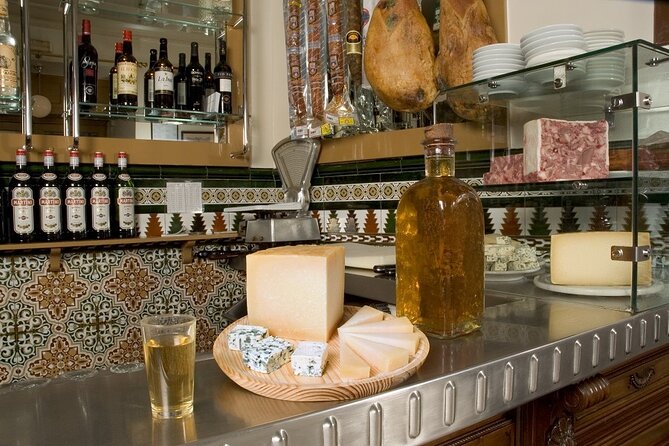
At $101.63 per person, the big question is what you get for that price. Here’s the value logic I see:
- You’re not paying just for narration. You’re paying for a structured tasting with multiple drinks and meaningful food stops.
- The wines aren’t random. The lineup includes named options like Viña Arana Gran Reserva 2015, plus the Altos de Torona Albariño (2022 IWC winner) you’ll taste during the tour.
- The centerpiece food is high-end. The ibérico tenderloin stop is linked to a 3 Michelin Star butcher in Madrid, which is the kind of access that costs money on its own.
- Small-group structure is part of the pricing. With a cap at 8 travelers, you’re more likely to get attention and smoother pacing than on big tours.
The main “value caution” is that this is wine-focused and alcohol is part of the experience. Also, there’s no hotel pickup, so you’re responsible for getting to Plaza de la Villa yourself. If that meeting point works for you and you enjoy wine pairings, the price looks fair for what you’re actually tasting.
Who this La Latina tapas and fine wine tour is best for
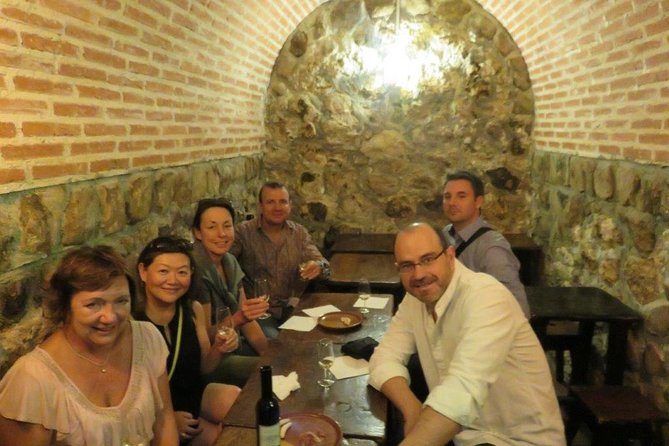
This tour is a strong fit if you:
- Want authentic-feeling La Latina spots rather than only big-name tourist stops.
- Like your evening structured around pairings (vermouth/olives, cod wine pairing, Albariño with tostadas, ibérico with red wines, and Pedro Ximenez dessert finish).
- Prefer small groups where you can talk and connect.
- Enjoy learning the “why” behind what you’re tasting, not only the what.
It might be a poor fit if you:
- Have mobility limitations or find cobblestone walking hard.
- Want a non-alcohol-focused night. The experience is built for wine.
One more gatekeeping detail: the minimum age is 21. That’s common for wine-focused tours, but it’s worth knowing up front.
Should you book this tour?
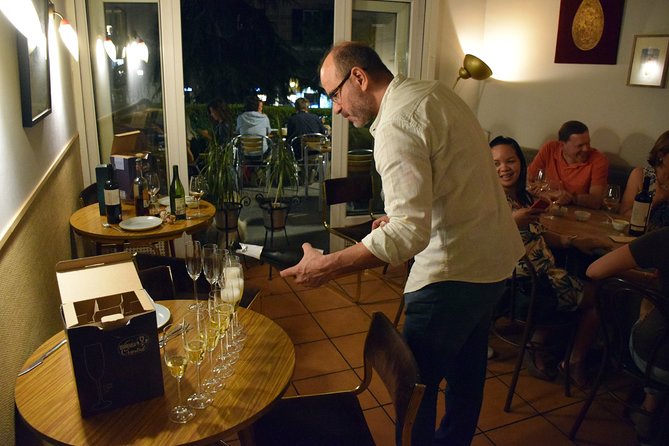
If you’re the type who likes Madrid for its neighborhood food culture, and you want an evening that feels like a guided night out instead of a checklist, I think this is a smart booking. The standout reason is the combination of small group size, named wine picks, and a real ibérico tenderloin centerpiece, then ending with Pedro Ximenez in a way that’s fun and memorable.
Book it if:
- You want a wine-led tapas route through La Latina.
- You’ll enjoy vermouth, white wine, reds, and dessert wine in one evening.
- You’re comfortable walking cobblestones for a few hours.
Skip it (or consider a different style) if you want a mostly food-only tour, need a fully seated experience, or you struggle with uneven walking.
FAQ
How long is the Old Madrid Tapas and Fine Wine small group tour?
It runs about 3 to 4 hours.
What is the group size for this tour?
The tour is capped at a maximum of 8 travelers.
What language is the tour offered in?
The tour is offered in English.
Is hotel pickup included?
No. You’ll meet at Plaza de la Villa and the tour ends back at the meeting point.
What’s included in the tasting?
The tour includes a professional guide, a small-group tasting experience with multiple wine and food stops, and items such as top red wines (including Viña Arana Gran Reserva 2015), Pedro Ximenez, and ibérico tenderloin.
Is the tour suitable if I have mobility issues?
It is not recommended for travelers with mobility issues, since it involves walking through old streets and narrow areas.