REVIEW · ISTANBUL
Turkish Tapas – Meze Cooking for Beginners in Istanbul
Book on GetYourGuide →Operated by Lokal Bond · Bookable on GetYourGuide
Meze class in a real home is the shortcut to Istanbul. This Turkish Tapas session turns classic Turkish spreads into something you can actually make, step by step, while you learn the how and the why from Ezgi in her kitchen.
What I love most: you cook traditional mezes from scratch in a beginner-friendly way, and you end up eating together with stories instead of rushing through a lecture. The pace stays friendly, and the table is the point.
One thing to consider: the location can feel remote and a bit tricky to find (especially if you’re staying around Sultanahmet), so give yourself a little extra time and ask for help if you need it.
In This Review
- Key things to know before you go
- Step Into Ezgi’s Istanbul Kitchen (Not a Classroom)
- What You’ll Cook: Carrot Tarator, Imam Bayıldı, Haydari, Zucchini Tarator
- Carrot Tarator: Tangy, Light, and Surprisingly Addictive
- Imam Bayıldı: Eggplant With Layers of Flavor
- Haydari: A Yogurt Dip That Actually Tastes Like Turkey
- Zucchini Tarator: Creamy, Fresh, and Summer-Friendly
- The 2-Hour Flow: Chop, Stir, Taste, Then Sit Down
- Why the Conversation and Tea Are Part of the Meal
- Price and Value: Is $65 Worth It?
- Beginner-Friendly Without Feeling Like Baby Steps
- Where You Meet and How to Not Stress About Finding It
- Who Should Book This Meze Class in Istanbul?
- Should You Book This Istanbul Meze Cooking Experience?
- FAQ
- How long is Turkish Tapas – Meze Cooking for Beginners in Istanbul?
- How many people are in the group?
- What language is the instruction in?
- What do I get to eat and drink?
- Where is the meeting point?
- Can I cancel and get a refund?
Key things to know before you go
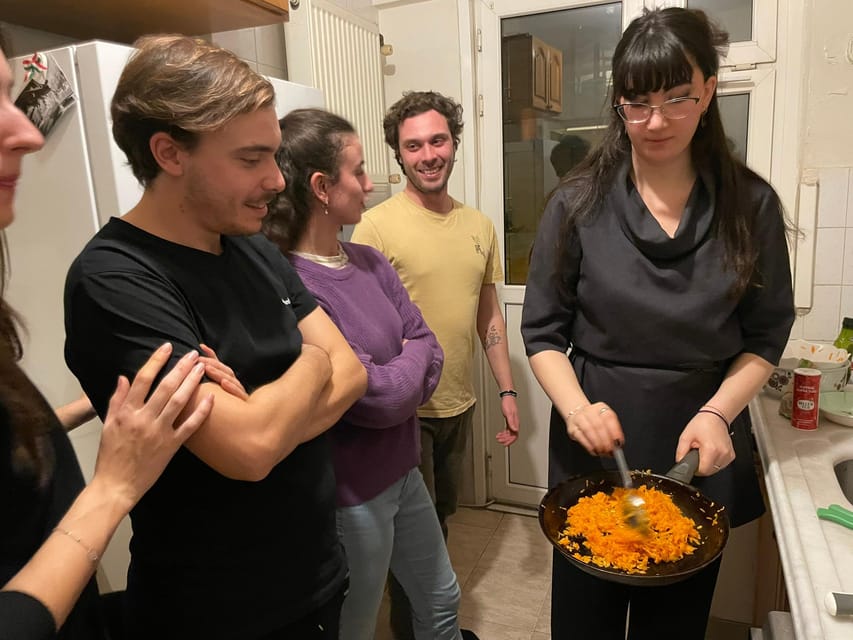
- Small group (max 8): more attention while you chop, stir, and taste
- English + Turkish instruction: you won’t be left guessing
- Hands-on meze cooking: you’re not just watching from a distance
- A home-kitchen table meal: the food is shared, not served and forgotten
- Recipes to take home: you get the written directions after the class
- Tea or coffee included: the drink part of Turkish hospitality is built in
Step Into Ezgi’s Istanbul Kitchen (Not a Classroom)
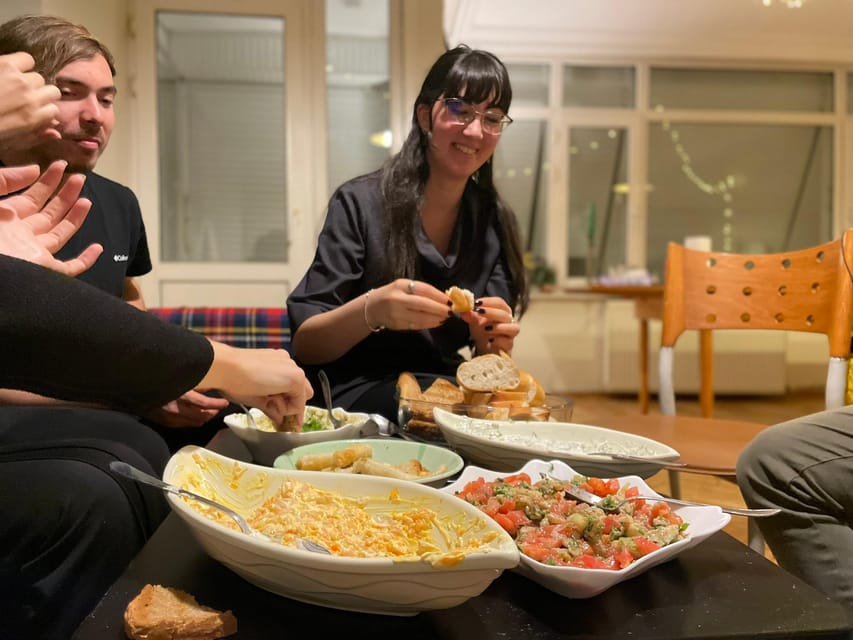
This is an Istanbul experience that feels like it’s happening in a living room with a stove. You’re invited into a home setting in the Marmara Region, not a studio where everyone stands in line. The “class” vibe stays light. The kitchen smells like the real ingredients you’ll be working with—think garlic and olive oil—and that alone gets you mentally ready for what Turkish meze is all about: comfort food, shared.
Ezgi’s approach is simple. You cook together. You chat while your hands are busy. And you keep tasting as you go, so the flavors make sense instead of staying abstract. With a maximum of 8 participants, it’s the kind of group size where you can ask questions without feeling like you’re competing for time.
Also, the language setup is practical. The instructor communicates in English and Turkish, so you can follow along clearly even if your Turkish is basic. The goal is not to test you. It’s to get you cooking.
What You’ll Cook: Carrot Tarator, Imam Bayıldı, Haydari, Zucchini Tarator
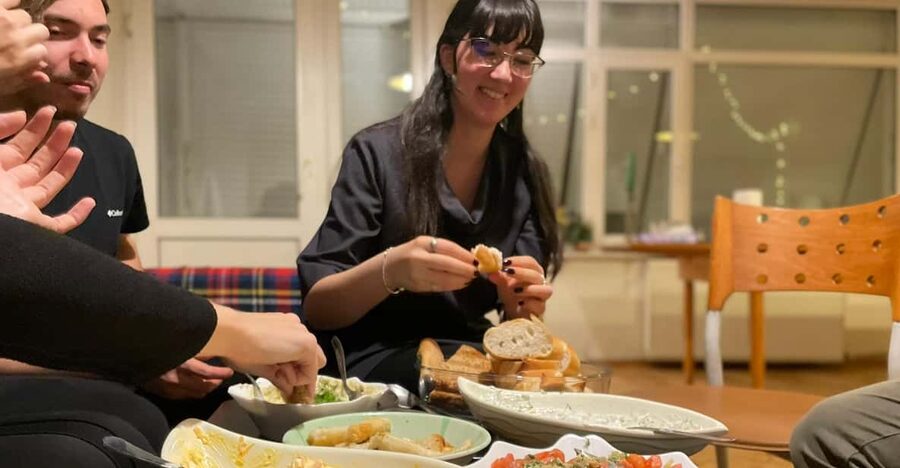
You’ll be making a spread of classic mezes, all centered on vegetables, yogurt, herbs, and olive oil. That matters because it tells you what Turkish “starter culture” really is: it’s not fancy appetizers. It’s a meal rhythm. It’s variety you can taste and repeat at home.
Here are the dishes you’ll learn, and what makes each one worth your attention:
Carrot Tarator: Tangy, Light, and Surprisingly Addictive
Carrot Tarator is the kind of meze that teaches you a useful principle: you can turn humble ingredients into something lively. You’ll make it from scratch, and the character comes from a tangy sauce base that coats the carrots without feeling heavy.
Why it’s a great beginner pick: carrot is forgiving. You’re unlikely to “ruin” it. And once you taste the final balance, you’ll see how tarator-style sauces work—useful when you want to improvise later.
Imam Bayıldı: Eggplant With Layers of Flavor
Imam Bayıldı is a slow-cooked eggplant dish, the kind of meze that tastes like it took more effort than it really did (because patience does half the work). This one also teaches a flavor-building idea: eggplant absorbs what’s around it—oil, aromatics, and seasoning.
For me, it’s the dish that makes the whole class feel like real Turkish home cooking. It’s hearty but not greasy, and it gives you something substantial on the table besides dips.
Haydari: A Yogurt Dip That Actually Tastes Like Turkey
Haydari is rich yogurt with herbs and garlic. This meze is where you learn how Turkish flavors behave with dairy—how garlic can be strong without overpowering, and how herbs bring freshness.
This dish is also a confidence builder. If you can make a smooth, flavorful yogurt base, you’ll feel good about the rest of the spread. Plus, it’s the easiest to remember when you’re later standing in your own kitchen trying to rebuild the taste.
Zucchini Tarator: Creamy, Fresh, and Summer-Friendly
Zucchini Tarator adds a lighter, fresher side of the tarator idea. You get that creamy texture without it feeling like a heavy dip. It’s a meze that reminds you Turkey’s meze culture isn’t only about winter comfort. It’s also about peak-season vegetables and simple, smart seasoning.
Even if you’re cooking in a non-summer month at home, the technique is transferable—so you’re not just learning one meal. You’re learning a method.
The 2-Hour Flow: Chop, Stir, Taste, Then Sit Down
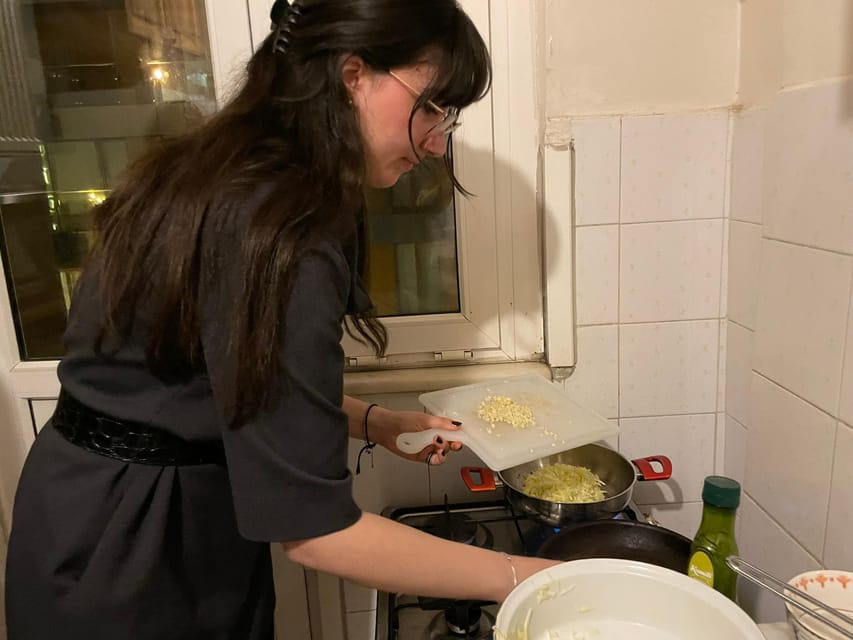
A good cooking class respects time. Two hours isn’t long enough to do everything, so the structure matters. Here, the session is designed around momentum: you move from prep to cooking to tasting while the kitchen conversation keeps you relaxed.
In practice, you can expect a loop like this:
- You’ll chop, stir, and taste along the way
- The kitchen rhythm stays hands-on, not performative
- Tea or coffee shows up as the meal builds
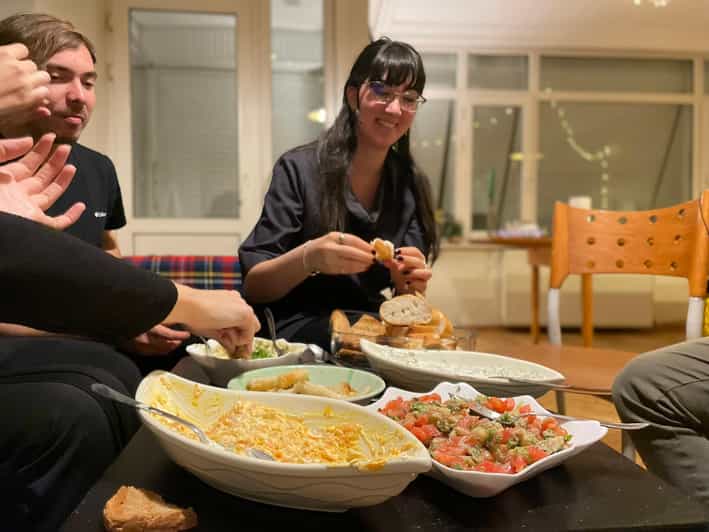
- Then you gather around the table for a slow, laughter-filled feast
That last part is important. Turkish meze is social food. It’s meant to be eaten at a pace where conversation matters as much as the dishes. You’re not just cooking. You’re experiencing the part that most “tour-only” food stops skip.
Another detail that makes the experience feel complete: you’ll walk away with recipes after the class. That turns the day from a fun activity into something you can recreate. And because the recipes are tied to dishes you actually made with your hands, you won’t feel like you’re staring at instructions that don’t match reality.
Why the Conversation and Tea Are Part of the Meal
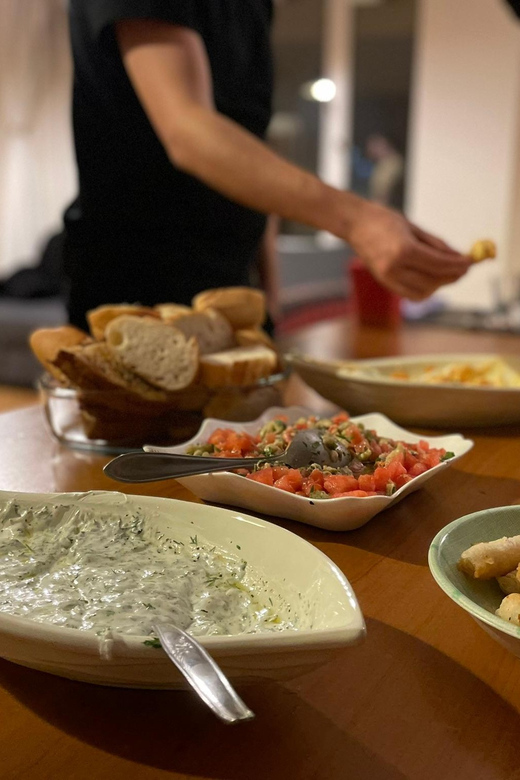
The class is called Turkish Tapas, but the real engine is hospitality. Food in a Turkish home isn’t a product. It’s a welcome. Tea and conversation are part of that same welcome—less ceremony, more warmth.
Tea or coffee is included in the price, and that’s not just a perk. It supports the pacing. You get time to talk while the meze lands on the table, and it helps you slow down instead of watching plates disappear.
One of the most consistent strengths of this experience is how Ezgi connects cooking to Turkish everyday life. You end up with more than “how to make it.” You get the flavor logic and the cultural context that helps you remember it later—especially things like why certain combinations work (yogurt + herbs and garlic, eggplant soaking up oil and aromatics, tarator-style sauce behavior).
If you like food that comes with real people, this class does that well.
Price and Value: Is $65 Worth It?
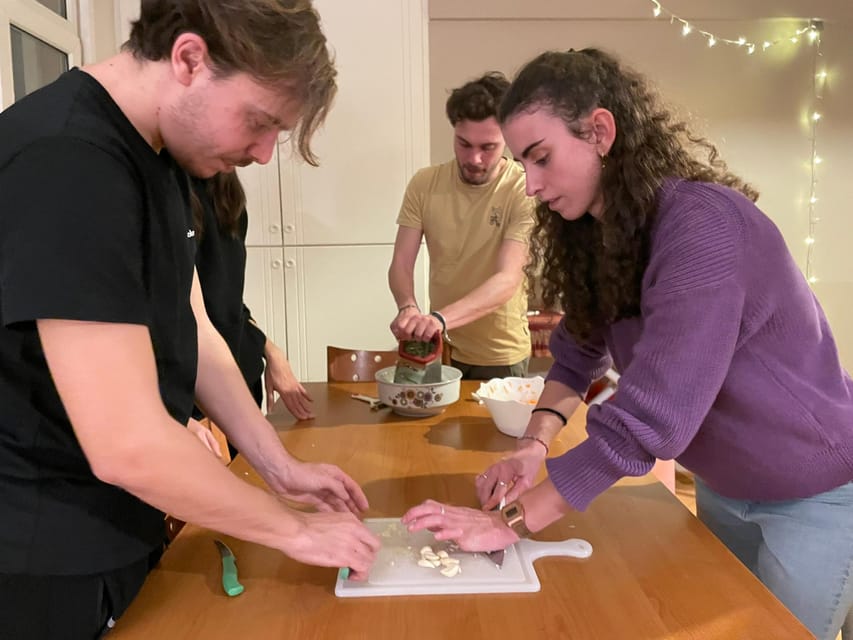
At $65 per person for a 2-hour hands-on session, the value mostly comes down to what’s included and what you leave with.
Here’s how I’d judge it:
- You’re paying for more than a tasting. You’re paying for hands-on instruction while making a real spread of multiple mezes.
- You get Turkish tea or coffee included, which keeps the experience aligned with local rhythm instead of feeling like a basic drink add-on.
- The group stays small (up to 8), which is where the class becomes interactive. In a larger group, you’d spend more time waiting and less time learning.
- You get recipes afterward. That’s huge value because you’re not only paying for an evening meal—you’re paying to take the skills home.
Portions also matter for value, and multiple people noted that the food is generous. The takeaway: you’ll likely leave full, not just “pleasantly fed.”
Would I call it a bargain? Not really. But I do think it’s a fair price for the combination of home setting + hands-on cooking + shared meal + take-home recipes, especially when the alternative in Istanbul often means expensive, crowded food stops with no instruction.
Beginner-Friendly Without Feeling Like Baby Steps
This is marketed as meze cooking for beginners, and it shows. The dishes are approachable, and the session is built around repetition—prep, stir, taste, adjust. If you’ve never cooked Turkish food before, you still have a clear path.
At the same time, this isn’t a “only beginners” vibe. People have described the recipes as easy for newcomers but still fun for more advanced cooks—mostly because you’re learning real meze flavor structure, not just following generic instructions.
If you’re a skilled cook, you’ll probably appreciate the technique and the chance to taste-test adjustments in real time. If you’re new to cooking, you’ll like that you’re not thrown into complicated steps. Either way, you’ll leave with something practical: dishes you can actually reproduce.
Where You Meet and How to Not Stress About Finding It
The meeting point is in Recaizade street, in a building above Lethe Cafe. You can call your host for further instruction if needed.
Here’s my practical advice: Istanbul locations can be one building number off and suddenly you’re in the wrong alley. Since the class location may feel remote and not super easy to find depending on where you’re staying (Sultanahmet area can be a bit of a trek), plan for a little buffer time. If you’re unsure, call. The whole point is to show up ready to cook, not spend the first 15 minutes hunting for a door.
Who Should Book This Meze Class in Istanbul?
This is a strong fit if you want Istanbul food in a way that’s more active than eating. Think of it as a cultural meal lesson you participate in.
You’ll likely enjoy this most if you:
- Like Turkish flavors and want to learn how they come together
- Want a beginner-friendly cooking experience that still feels authentic
- Prefer small-group attention and real conversation
- Are excited to take recipes home and cook again later
- Enjoy vegetarian-style meals (at least in the menu you’ll make here, which leans heavily on vegetables and yogurt)
If you hate cooking with your hands—like, strongly hate chopping and stirring—this might feel more like work than fun. But if you can enjoy a friendly, social kitchen moment, it’s a great way to spend two hours.
Should You Book This Istanbul Meze Cooking Experience?
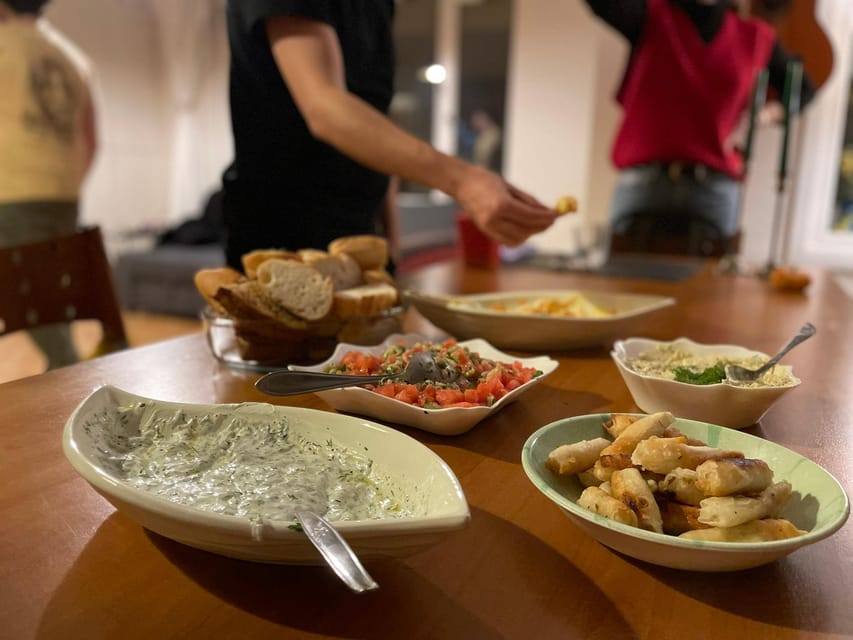
I’d book it if you want the Istanbul experience that goes beyond tasting. This class gives you real skills for making Turkish mezes, plus the social part that makes meze special: sharing, talking, and eating together at a home table.
Skip it only if you’re looking for a big-sightseeing tour or you want something heavily scripted with no interaction. Here, you’re expected to participate. That’s the whole point.
If you can handle a small-group home location and you’re excited to cook classics like Carrot Tarator, Imam Bayıldı, Haydari, and Zucchini Tarator, Turkish Tapas is an easy yes.
FAQ
How long is Turkish Tapas – Meze Cooking for Beginners in Istanbul?
It lasts 2 hours.
How many people are in the group?
The group is small, limited to 8 participants.
What language is the instruction in?
The instructor speaks English and Turkish.
What do I get to eat and drink?
You’ll cook and eat a spread of Turkish mezes, and Turkish tea or coffee is included.
Where is the meeting point?
It’s on Recaizade street, in the building above Lethe Cafe.
Can I cancel and get a refund?
Free cancellation is available up to 24 hours in advance for a full refund.