REVIEW · ALICANTE
Alicante Paella Cooking Class, Tapas, Drinks and Market
Book on GetYourGuide →Operated by Alicante Tasting Club · Bookable on GetYourGuide
Alicante smells like dinner in minutes. This hands-on paella class pairs a guided walk through the local Central Market with cooking instruction from chefs like Cristina and Andrea, plus tapas and drinks as you go. I love that you shop for ingredients first, then cook with that same fresh vibe still on your hands. I also love the fact that the session isn’t just theory; you get real practice with arroz de Alicante techniques that you can copy later.
The core is a friendly, relaxed group setup: you cook paella with meat, seafood, and vegetarian options (and in some cases vegan is offered), then sit down to eat what you made. One thing to consider is that this is a shared cooking experience, so if you prefer total privacy or a very strict menu, you’ll want to choose your option early and be clear about your preference.
At $58 for 3.5 hours, the value is in what you’re getting: market visit, chef-led cooking, tapas, local wine/sangría and other beverages, plus take-home recipes. The only catch is timing—this is an afternoon plan—so it works best if you can build your day around it.
In This Review
- Key highlights worth your time
- Market walk first: where your paella starts tasting right
- The kitchen setup: purpose-built, not classroom-from-hell
- Paella time: what you actually learn (beyond stirring a pot)
- Tapas and drinks: the class keeps its pace with real breaks
- Meat, seafood, vegetarian, and vegan: plan your choice before you arrive
- Recipes to take home: how to use them without missing the trick
- Who this class is for (and who might want something else)
- Price and value: what $58 buys you in real terms
- Practical tips before you go
- Should you book Alicante paella cooking class with Tapas and Market?
- FAQ
- How long is the Alicante paella cooking class?
- What is included in the tour price?
- Is there a vegetarian or vegan option?
- What languages are the guides?
- Is the activity wheelchair accessible?
- How much does it cost?
- Can I get a refund if I cancel?
- Is pay later available?
Key highlights worth your time
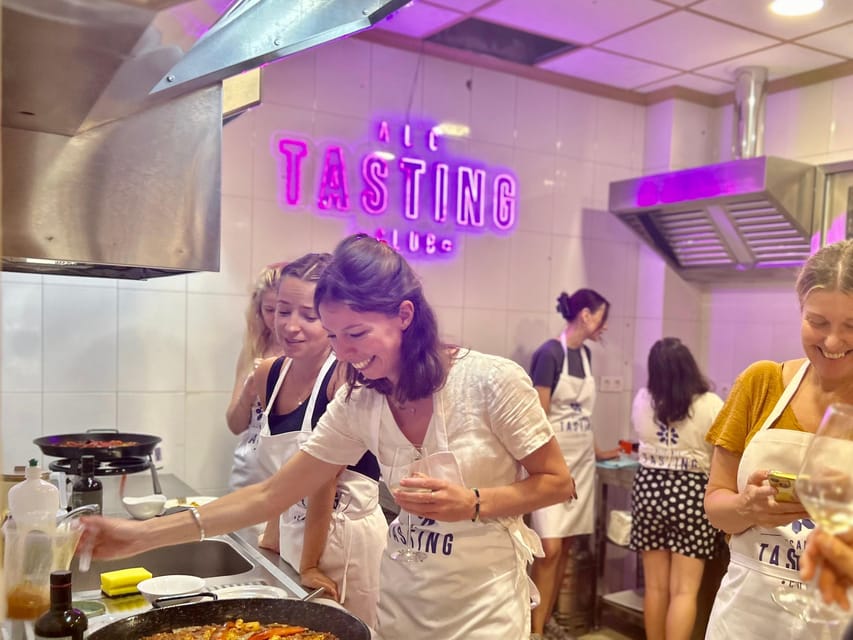
- Central Market ingredient shopping: you pick what goes into your paella, not just follow instructions.
- Hands-on paella with a local chef: participation is encouraged, even if you’re not a confident cook.
- Meat, seafood, and vegetarian/vegan options: you can tailor what you’re making and eating.
- Tapas plus local drinks: the meal doesn’t feel like a lecture with snacks.
- Recipes to take home: you leave with a real method, not just photos.
Market walk first: where your paella starts tasting right
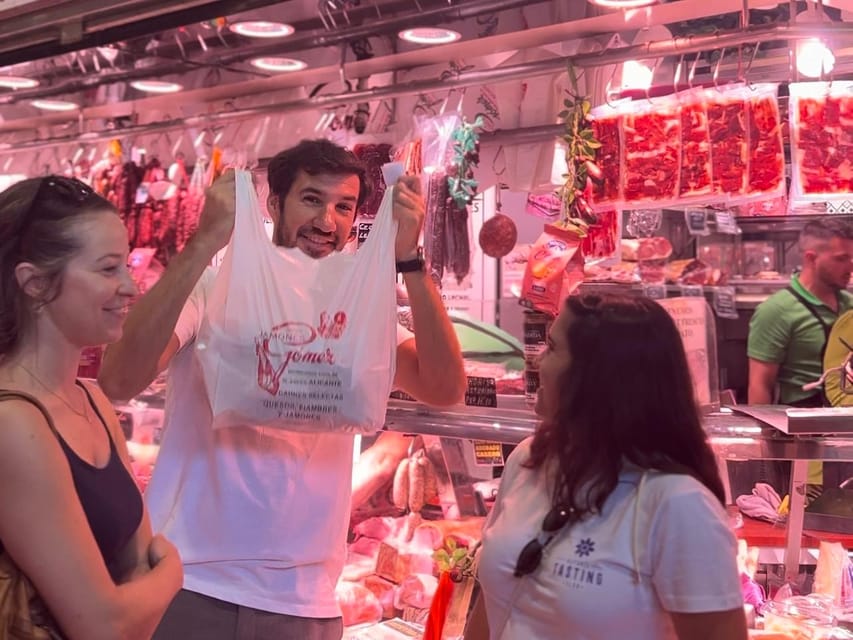
The class begins with a guided visit to a local market, and that matters more than most people expect. Paella can taste flat when the ingredients are an afterthought. Here, you’re buying essentials like rice and key flavor builders, while your guide explains what to look for and why. You’ll hear stories about the market’s role in Alicante life, and you’ll also see how vendors think—quick, practical, and focused on freshness.
This is also where you get your bearings fast in the city. Several guides (I saw names like Cristina, Marina, and Andrea) lean into the local angle: not just what products are sold, but how Alicante eats and shops. That makes the cooking part feel less like a package and more like a real connection to where you are.
A practical tip: wear comfortable shoes. Markets reward people who can walk and linger. You’ll likely move between stalls with purpose, and you don’t want your feet ruining your focus before you even reach the kitchen.
You can also read our reviews of more tours and experiences in Alicante.


The kitchen setup: purpose-built, not classroom-from-hell
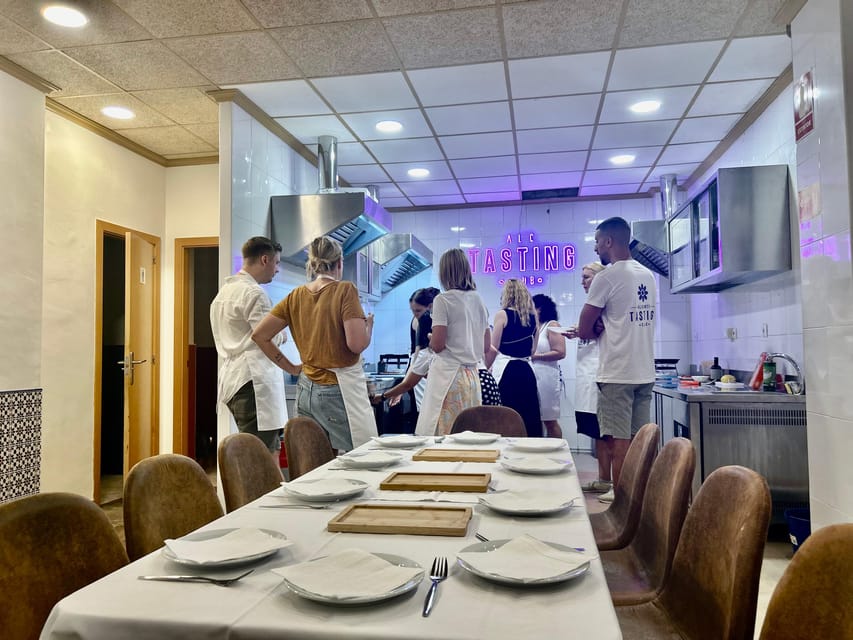
After shopping, you head to a kitchen space designed for cooking. One review noted it’s only a short walk from the market, and the layout is the kind you want for group classes: clear stations, room to work, and enough support staff so nobody is stuck waiting too long.
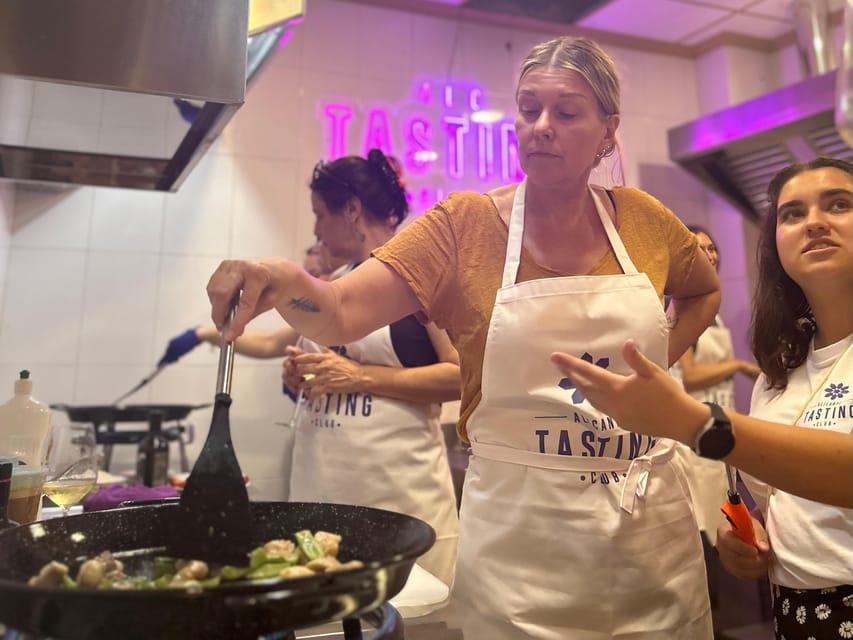
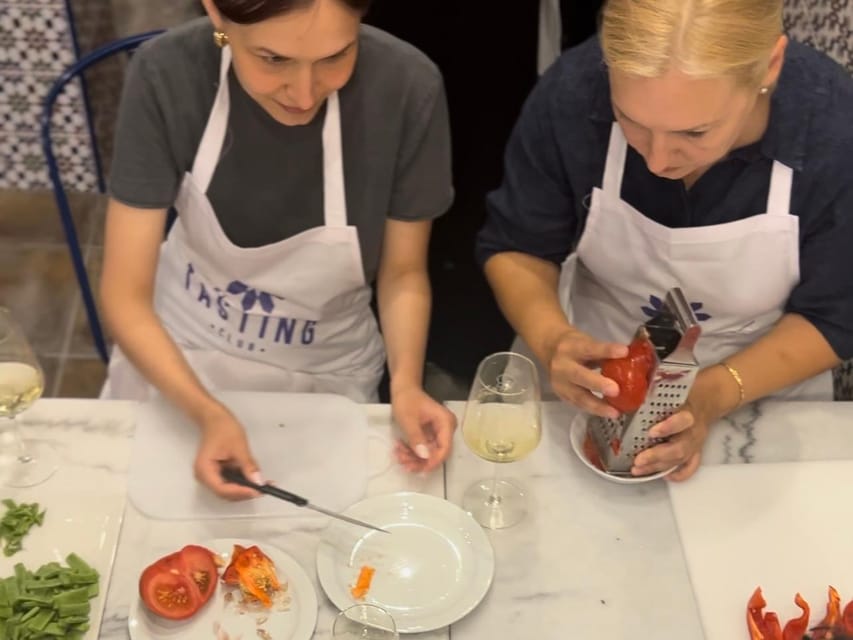
What makes this part feel good is how the instruction is structured. You’re not just watching someone stir. You’re doing steps while the chef talks you through what matters: timing, heat control, seasoning balance, and how to approach arroz de Alicante. Guides like Cristina were praised for encouraging participation and making the group feel included, which helps a lot if you’re traveling solo or you’re new to Spanish cooking.
Also, you should expect the class to move with energy. In a slightly larger group, one chef-led session still managed smoothly and even allowed people to cook multiple versions of the rice. That tells you the setup is built for real group dynamics, not a fragile schedule.
Paella time: what you actually learn (beyond stirring a pot)
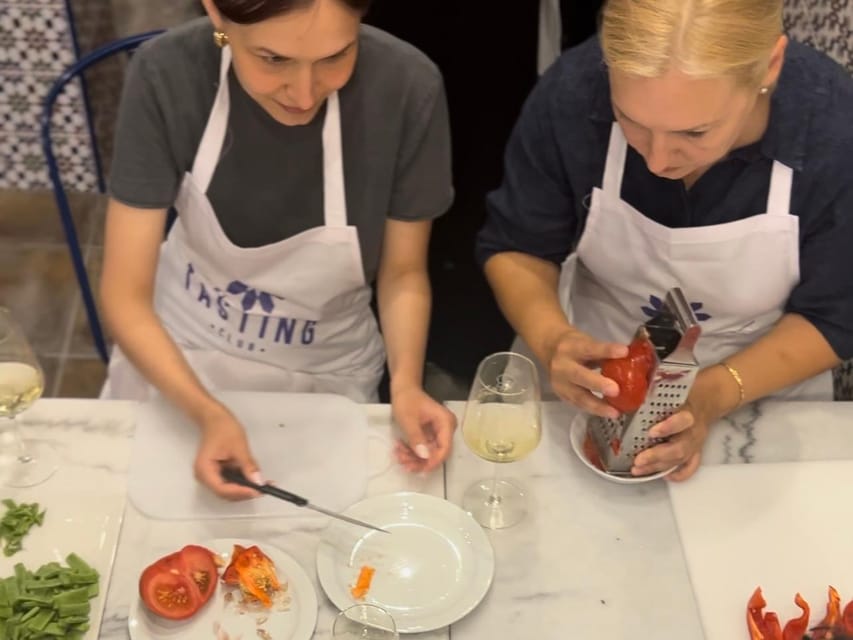
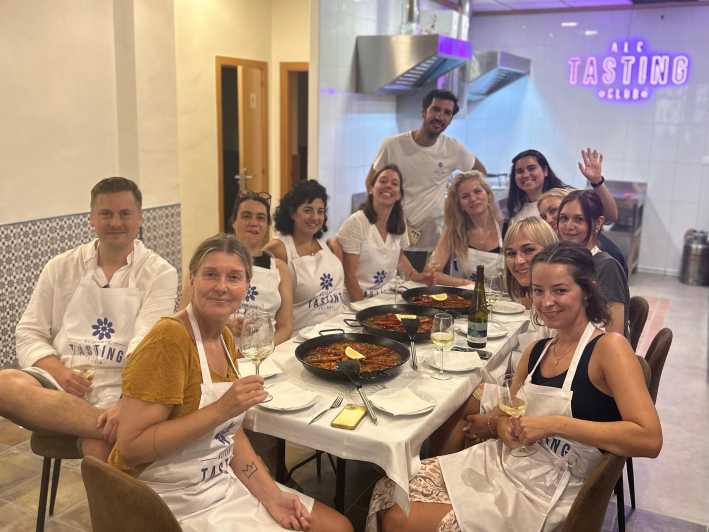
The big payoff is hands-on paella cooking. You’ll work with the ingredients you bought and learn the method step by step. From the descriptions, you’ll be preparing an authentic-style Alicante arroz base and then choosing your version—meat, seafood, and vegetarian. Some groups end up making all three versions, especially when the group is bigger, but at minimum you’re covered for the options you want.
Here’s what I think you’ll take away if you pay attention:
- How to build flavor early, so the whole dish has backbone.
- How to manage the rice so it ends up with the right texture rather than turning into sticky mush or dry grains.
- How to balance salt and intensity so meat, seafood, or vegetables don’t overwhelm each other.
Several people specifically called out that the paella turned out great—because you made it, yes, but also because the guidance is practical. One review even compared the seafood version as more flavorful than the chicken one, which is useful if you’re deciding between proteins.
If you’re the type who wants to replicate results at home, look closely during the critical steps and ask questions. Most of the value in these classes comes from learning the why behind the motions.
Tapas and drinks: the class keeps its pace with real breaks
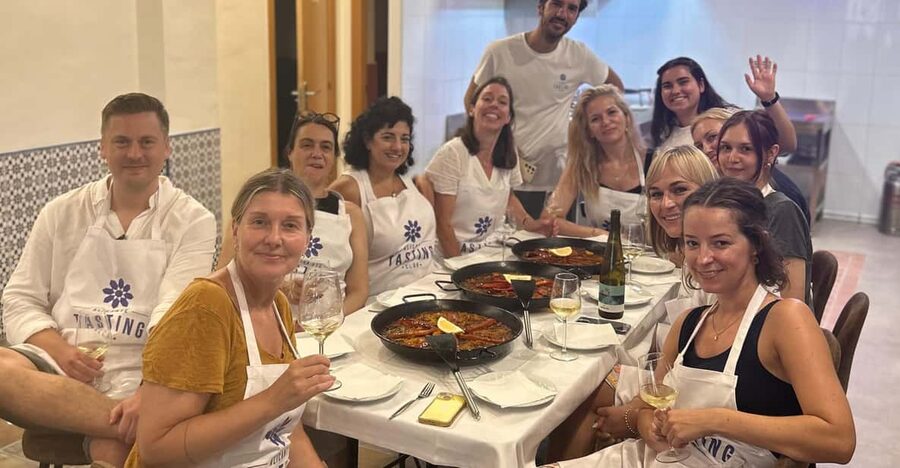
A paella cooking class can feel like a long slog. This one avoids that by keeping food and drinks part of the flow. You’ll have a selection of traditional tapas, and you’ll be served local wines plus sangría and other beverages during the experience.
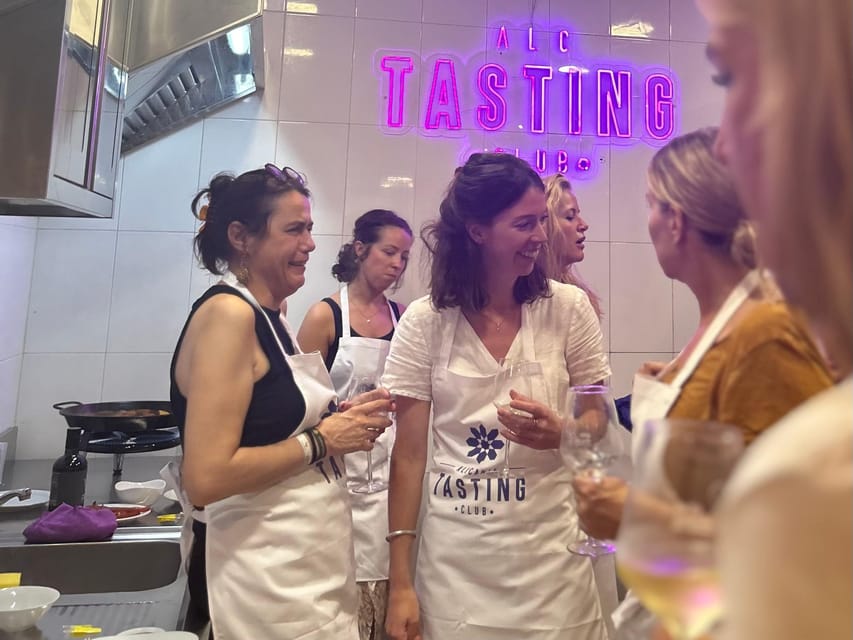
In practice, that means you’re not stuck waiting for the paella to finish to start eating. People talked about enjoying tapas boards alongside constant drink refills, which helps the whole afternoon feel social instead of purely instructional. If you’re traveling with friends, it turns the class into something closer to a relaxed food tour with cooking.
One note: alcohol is included, but the group stays friendly rather than chaotic. If you want to take it slow, you can still enjoy the learning and share the tasting without feeling pressured. Just pace yourself—paella is easier to learn when you’re clear-headed.
Meat, seafood, vegetarian, and vegan: plan your choice before you arrive
This experience is set up to handle multiple diets. The information you’re given includes meat, seafood, and vegetarian/vegan options. That’s a big deal because paella ingredients and techniques can shift depending on your version.
Here’s how to make this work for you:
- If you’re unsure, decide between seafood vs vegetarian based on what you enjoy most in Spanish food: seafood paella often tastes brighter and more complex; vegetarian versions can be just as satisfying when the seasoning is right.
- If you’re vegan, be sure the class you booked clearly covers vegan for your session. The data says vegetarian/vegan options are available, but don’t assume every variation is identical.
A few reviews noted different preferences—like people saying they’d return for additional tapas cooking events or that the guide customized choices. That suggests the instructors take diet preferences seriously, but it still helps to communicate clearly.





Recipes to take home: how to use them without missing the trick
The best cooking classes leave you with two things: knowledge and a repeatable process. This one includes recipes to take home, which gives you a safety net after the flavors fade.
Don’t treat the recipe like a shopping list only. Use it to remember the steps that matter:
- The order things go in.
- The way heat or timing is handled.
- Any notes your guide gave about what makes Alicante arroz special.
If you want to actually cook it again, do it within a few weeks of the class. That’s when you still remember the method clearly—and you can use the recipe to correct small issues like seasoning or texture.
Who this class is for (and who might want something else)
This is ideal if you want:
- A true taste of Alicante food culture, not just a meal out.
- A hands-on activity that feels social and welcoming.
- An afternoon plan with a satisfying result: you eat what you make.
It also fits solo travelers well. Multiple reviews mention people feeling included and part of the group. If you’re coming with a partner or family, the format works too because you can participate at your comfort level while still eating as a group.
If you’re the type who prefers to watch rather than cook, you might find the participation element a little more active than you want. And if you have strong food restrictions beyond what’s listed (meat/seafood/vegetarian/vegan), you’ll need to confirm details directly with the organizer before you book.
Price and value: what $58 buys you in real terms
$58 per person can sound high until you add up the actual components:
- Market visit with guidance
- Chef-led paella cooking
- Tapas
- Local wines, sangría, and beverages
- Paella with multiple options (meat/seafood/vegetarian; vegan availability mentioned)
- Recipes to take home
That’s a full experience, not a single-plate cooking demo. You’re paying for time, instruction, ingredients, and hospitality. And because you shop for ingredients first, the paella doesn’t feel disconnected from the story of the city. For food-first travelers, the value is strong.
One more value point: the instruction seems to support different comfort levels. People mentioned being newer cooks and still getting great results. That’s usually where classes separate themselves—when staff manage the pace and keep you from getting lost.
Practical tips before you go
A few small choices can make your class smoother:
- Bring a refillable water bottle if you get thirsty easily, even though beverages are served.
- Wear closed-toe shoes for the market segment.
- If you’re set on a specific paella style (seafood, vegetarian, etc.), decide in advance so you can focus on cooking rather than debating mid-class.
- If you want to recreate the dish later, take quick notes while the chef explains the key steps.
Also, the class runs about 3.5 hours. That’s long enough to feel like an experience, but short enough to still enjoy an evening in Alicante after.
Should you book Alicante paella cooking class with Tapas and Market?
Yes, you should book it if you want an afternoon in Alicante where food is the main event and you actually learn by doing. The market-and-kitchen flow gives you a real sense of how paella connects to local ingredients, and the inclusion of tapas plus local wine/sangría turns it into a full meal experience, not just cooking practice.
You might skip it only if you prefer a purely observational class, or if you have dietary needs beyond meat/seafood/vegetarian/vegan options. Otherwise, the strong ratings and repeated mentions of great instructors, clear explanations, and excellent final paella make a compelling case.
FAQ
How long is the Alicante paella cooking class?
The experience lasts 3.5 hours.
What is included in the tour price?
You’ll get a market visit to buy ingredients, a hands-on paella cooking class with a local chef, a selection of traditional tapas, local wines and sangría (plus other beverages), paella with meat/seafood/vegetarian options, and recipes to take home, with an English/Spanish-speaking guide.
Is there a vegetarian or vegan option?
Yes. The class offers meat, seafood, and vegetarian/vegan options.
What languages are the guides?
The guide provides English and Spanish.
Is the activity wheelchair accessible?
Yes, it’s listed as wheelchair accessible.
How much does it cost?
It costs $58 per person.
Can I get a refund if I cancel?
Free cancellation is available up to 24 hours in advance for a full refund.
Is pay later available?
Yes. You can reserve now and pay later, with nothing due today.