REVIEW · VALENCIA
Valencia: Wine Tasting and Tapas Experience
Book on GetYourGuide →Operated by Ambia Tours · Bookable on GetYourGuide
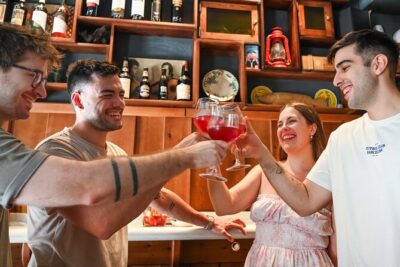
Wine in Valencia comes with a lesson. In Ruzafa, I like the small-group vibe and how the sommelier connects each wine to your next plate, though if you’re expecting a long, roaming city walk, the format can feel more focused than expansive.
I also like that the experience is led by real hosts—Paul and Valeria have guided tastings—and you start right at El Rodamon de Russafa, so the old-town energy is right there from minute one.
Key things that make this wine-and-tapas experience worth your time
- Ruzafa, with a local-food pace: you’re eating and learning, not ticking off landmarks.
- Two-part training: tasting wine plus understanding how food pairing changes what you perceive.
- 4 wines + 5 tapas: you get multiple comparisons, not one random pour.
- Regional focus: the wines come from Valencia, Utiel-Requena, and Alicante.
- Small-group energy: in many cases it feels close to private, especially with only a couple people.
In This Review
- Ruzafa Meeting Point: El Rodamon de Russafa and the Start of the Evening
- Your Sommelier’s Role: What the Wine Expert Teaches You in This 2.5 Hours
- The Wine Lineup: Valencia, Utiel-Requena, and Alicante in 4 Glasses
- Tapas Pairing: 5 Tapas to Share and How Food Changes the Glass
- Timing and Flow: What Happens During the 2.5 Hours
- Price and Value: Is $224 per Group Good Deal-Wise?
- Who This Tour Works Best For (and Who Should Skip It)
- Should You Book This Valencia Wine-and-Tapas Experience?
- FAQ
- How many wines and tapas are included?
- How long is the tour?
- Where is the meeting point?
- What languages are available for the live guide?
- Is hotel pickup or drop-off included?
- Is this tour suitable for children or everyone with mobility needs?
- Can I book without paying right away, and can I cancel?
Ruzafa Meeting Point: El Rodamon de Russafa and the Start of the Evening
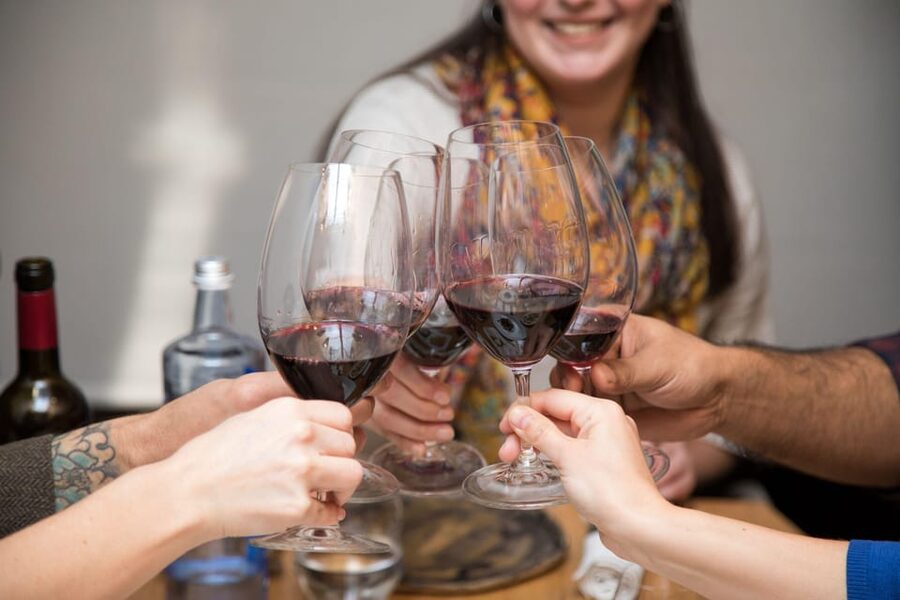
Most Valencia food experiences work best when you don’t overthink logistics. This one starts in the Ruzafa area, at El Rodamon de Russafa, which puts you in the right neighborhood mood fast—streets, chatter, and that easygoing old-town feel. No hotel shuffle. No long bus ride. You show up wearing comfortable shoes, then the host takes it from there.
That meeting point matters more than you’d think. When tours begin in the middle of the action, you’re already in the mindset to eat and pay attention. You’ll be guided in English, Spanish, German, or Lithuanian, depending on the session, so you can expect your wine explanations to be clear rather than improvised.
Also, the timing is tight and intentional. The experience runs for 2.5 hours, which is long enough to learn how to taste and still eat your tapas without feeling rushed or stuck for hours. If you like structured evenings—where you know there’s a plan and you’re not wandering hungry—that’s a real win.
One more practical note: this isn’t designed for everyone. It’s listed as not suitable for pregnant women, people with mobility impairments, and children under 18, so plan accordingly.
Your Sommelier’s Role: What the Wine Expert Teaches You in This 2.5 Hours
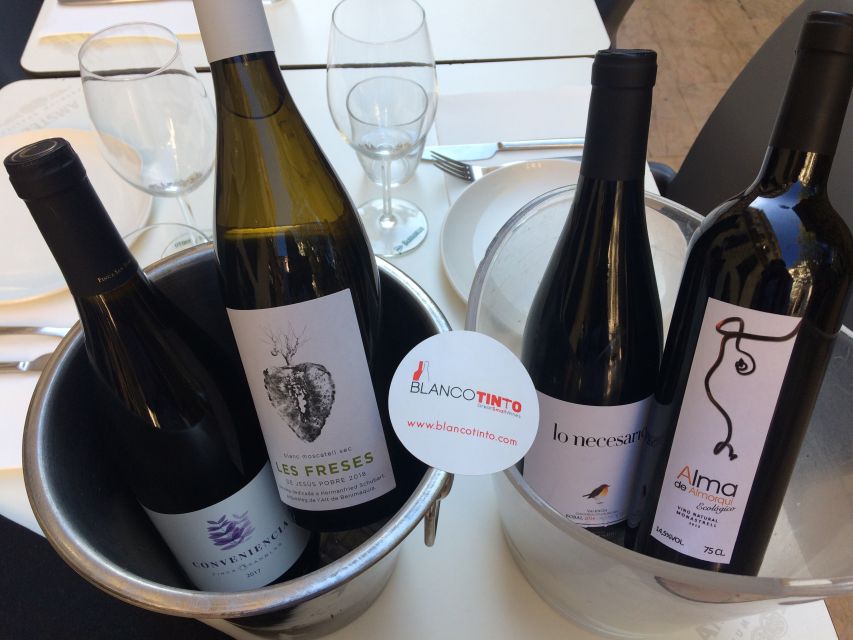
This is not just a tasting where someone hands you a glass and says good luck. You get a wine expert/sommelier who walks you through the session and stays with the group throughout. The setup is built for learning: you’ll hear about the history of wine in Valencia and the surrounding regions, then connect that story to what you’re tasting.
You also get a preview of what’s coming. The sommelier explains the four wines you’ll taste before you start pouring, and then you taste in sequence while pairing with tapas. That’s a smart way to learn. Your brain naturally compares the flavors from one wine to the next, instead of treating each pour like a separate event.
If you’re a beginner, this kind of guide-led structure helps you build confidence quickly. You’re not expected to already know what you like. The session is designed so you can understand what you’re tasting and how pairing works with local food.
If you’re more experienced, you can still benefit. A tasting with four different wines and matching tapas gives you room to test your own palate. The sommelier’s job is to frame the experience so you can notice the differences, not just swallow the wine.
In the reviews, hosts like Paul and Valeria stood out for making the explanations enjoyable—Paul in particular is described as knowledgeable and comfortable with the flow of the wine conversation, while Valeria is credited with a joyful, teach-you-as-you-go approach.
You can also read our reviews of more tours and experiences in Valencia.


The Wine Lineup: Valencia, Utiel-Requena, and Alicante in 4 Glasses
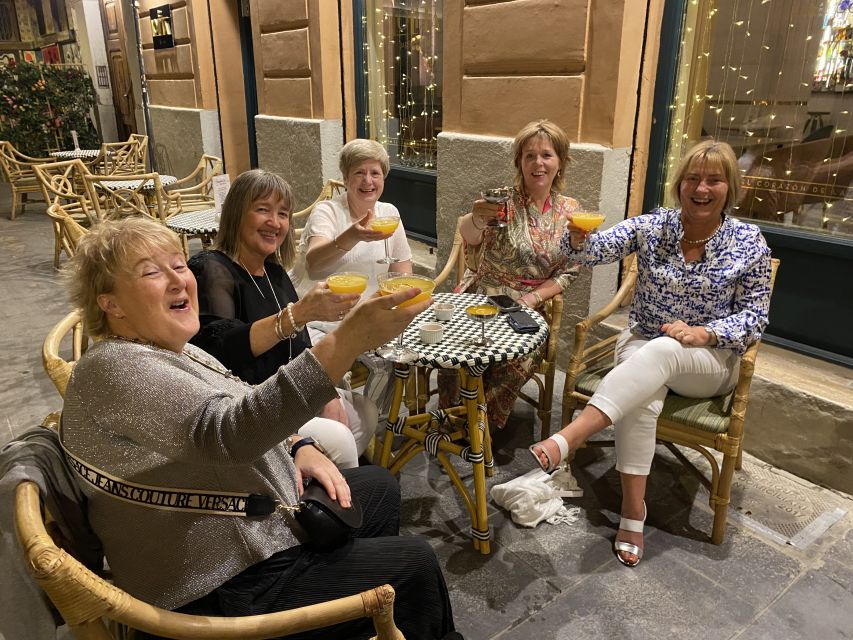
You taste 4 wines total, with 4 glasses per person. That matters because it’s enough variety to learn something real. You’re not stuck with one style and hoping it changes later. You’ll experience multiple expressions of regional wine identity across the Valencia region.
The session specifically highlights wines from:
- Valencia
- Utiel-Requena
- Alicante
Even without getting too nerdy, that regional mix helps you understand the idea that Valencia’s wine story isn’t one-note. The sommelier frames what you’re drinking in the context of place, and you’ll be asked to pay attention as the flavors shift from one bottle to the next.
What you’ll likely walk away with is a more usable sense of wine. Instead of thinking only about whether you like a wine, you’ll start to notice how wine characteristics interact with food. That’s the foundation that makes future tastings easier—because you stop treating wine as random and start treating it as a set of patterns.
And since the session is paired with tapas during the tasting, you’re not just tasting wine in isolation. You’re learning how those wines behave when your plate shows up.
Tapas Pairing: 5 Tapas to Share and How Food Changes the Glass
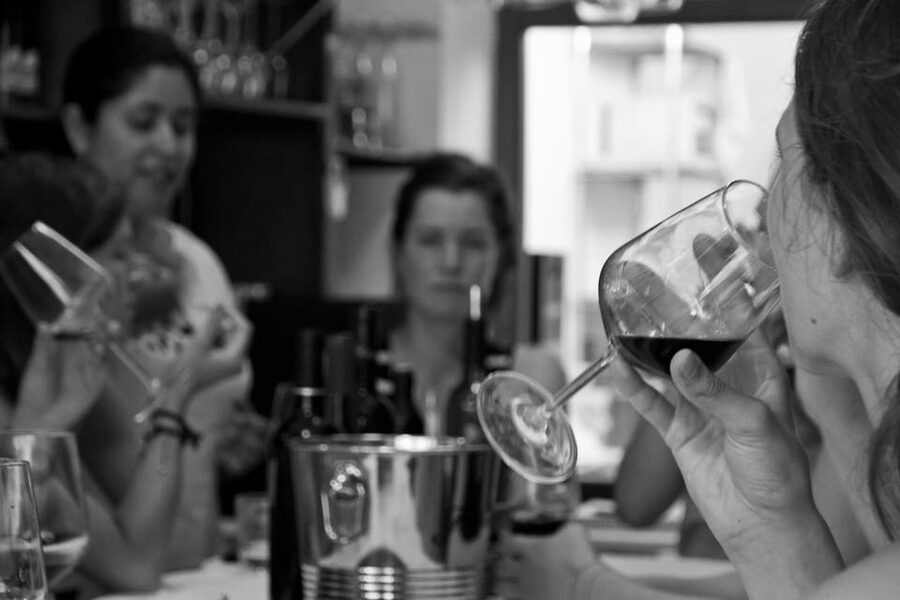
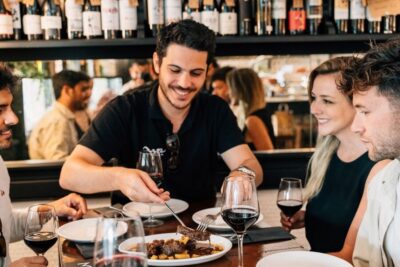
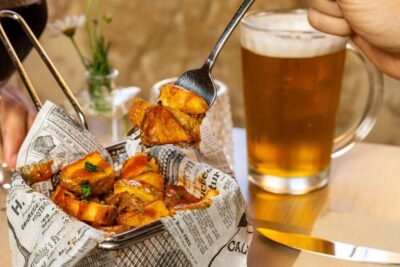
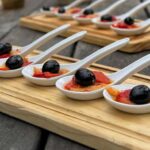
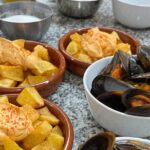
You get 5 different tapas to share, served alongside the wine tasting. This is one of the best parts of the experience because tapas are doing double duty: they keep the evening fun, and they teach you how pairing affects flavor perception.
In practical terms, tapas in Valencia tend to reward curiosity. They’re meant to be eaten without ceremony, which helps you focus on the tasting lesson instead of worrying about whether you’re doing it wrong. You’ll be pairing each wine with a specific set of tapas, so the meal becomes a set of comparisons.
If you’re new to wine, this is where a lot of people suddenly get it. You can taste the food first, then notice what the wine does afterward—or try it the other way around. Either way, you’ll see that pairing isn’t about matching rules. It’s about balance and contrast.
If you’re a more advanced taster, the pairing setup still works because it gives you a chance to test your own instincts. The sommelier’s guidance helps you label what you notice, rather than guessing.
The reviews back this up. Several people mention that the tapas pairing was a highlight, with one guest calling the paired food phenomenal. That’s a good sign: in many wine tastings, the food is an afterthought. Here, the tapas feel like a core part of the learning.
Timing and Flow: What Happens During the 2.5 Hours
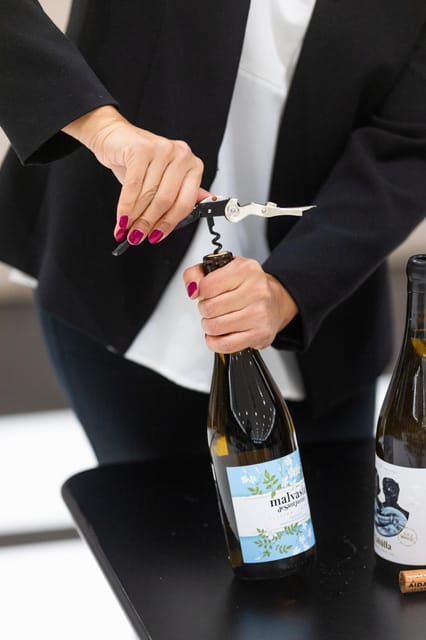
The tour format is designed around flow. The guide meets you at the meeting point and then takes the group to a tapas spot for the tasting. The key idea is that you’ll be moving through a sequence: wine explanation, wine pour, tapas pairing, then the next wine.
The length—2.5 hours—is also a clue about the pacing. This isn’t a quick sample bar-hop. It’s enough time to slow down. You’ll have time to listen, taste, and reset between courses.
There is one possible wrinkle to consider. One experience described a session that started late while waiting for another participant, and then the group stayed at one tapas bar for the duration. If you’re the type who expects multiple locations and lots of walking, keep that in mind. The experience can feel more like an organized tasting-and-meal than a hop-and-sightsee evening.
That said, the upside of a focused format is that you don’t lose momentum. You spend your time eating and learning, not traveling between stops.
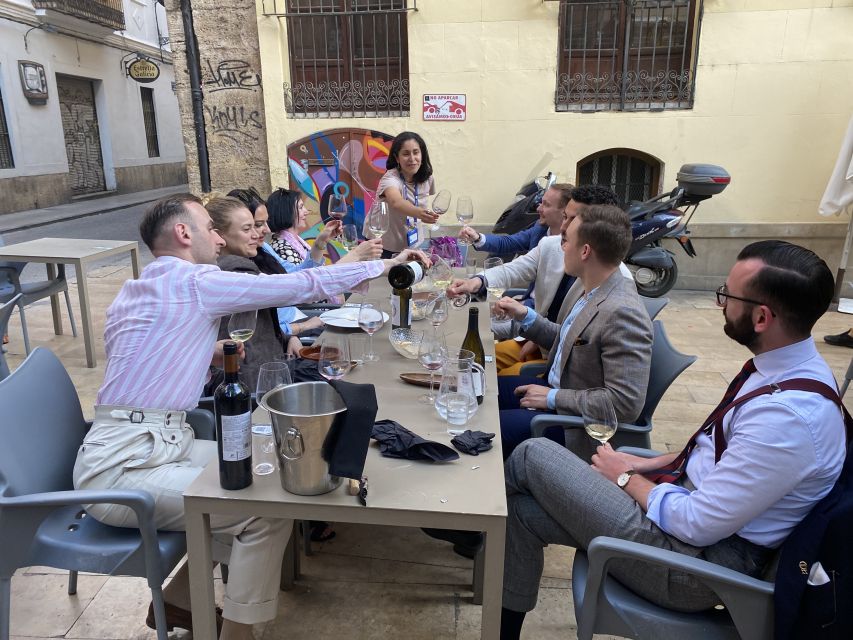
Small groups help too. The description emphasizes small groups only, and in many cases it runs close to private. That usually means you can ask questions without feeling like you’re shouting over a crowd.
Price and Value: Is $224 per Group Good Deal-Wise?
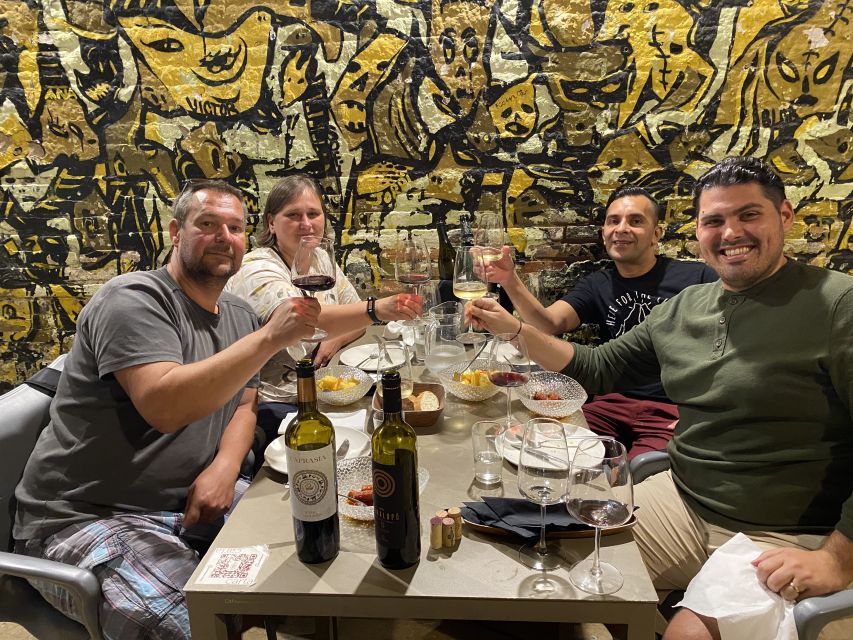
The price is listed as $224 per group up to 2, for a 2.5-hour tasting with a wine expert and sommelier. You also get 4 glasses per person and 5 tapas to share included.
Here’s the value math that matters. If you book as two people, you’re effectively splitting the total cost, which can bring the per-person price down noticeably. And because the tasting is not just wine—you’re also getting the guided learning plus multiple pours and multiple tapas—the cost isn’t only about drinks. You’re paying for structure and expertise.
What’s included is substantial for the time:
- Wine expert/sommelier service
- Wine tasting (4 glasses per person)
- Tapas (5 tapas to share)
What’s not included:
- Hotel pickup and drop-off
So you should plan to get yourself to El Rodamon de Russafa. If you’re staying nearby or you’re comfortable using local transit/walking, this is straightforward. If you’re far out and would need extra taxi costs, that’s worth factoring into the true price.
My take: this is a strong choice if you want a guided tasting where food pairing and regional context are part of the point, not an add-on. It’s less ideal if you only want a casual drink-with-snacks stop and you’re not interested in the learning piece.
Who This Tour Works Best For (and Who Should Skip It)
This experience is a great fit for people who want two things at once: wine education and a real food meal in a neighborhood setting.
It’s especially well suited for:
- Beginners who want a safe way to learn how to taste and understand pairing
- Wine lovers who want a structured comparison across four regional wines
- Couples or close friends since the pricing is set per group up to 2
- People who like Ruzafa/old-town atmosphere and prefer local dining to big show tours
It’s not for everyone. The activity is listed as not suitable for:
- Pregnant women
- People with mobility impairments
- Children under 18
If any of those apply, you’ll want to choose a different Valencia plan.
Should You Book This Valencia Wine-and-Tapas Experience?
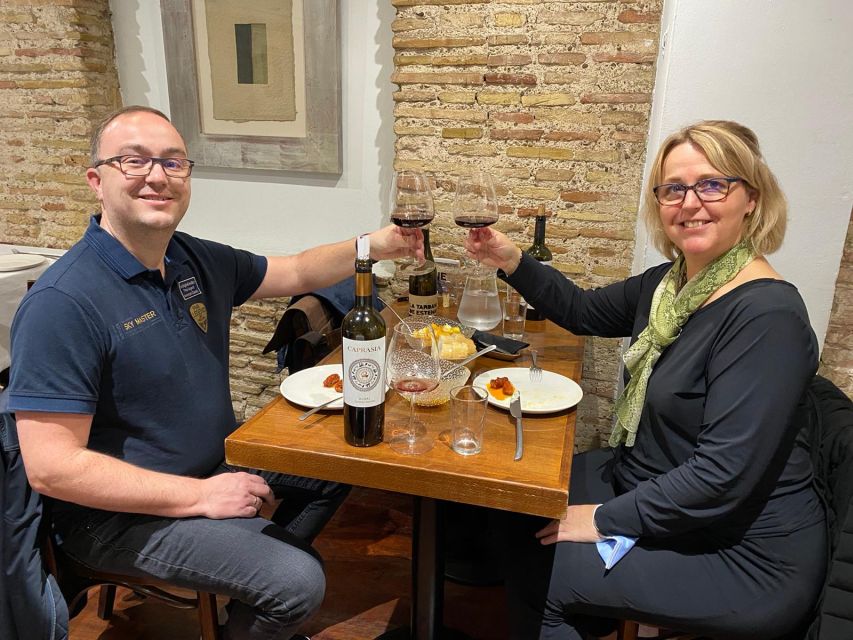
Book it if you want a guided night that mixes learning and eating, with 4 wines and 5 tapas handled in a tidy 2.5-hour flow. The strongest reasons to say yes are the pairing-focused format, the regional wine lineup (Valencia, Utiel-Requena, Alicante), and the fact that the sommelier runs the session with enough structure that beginners feel comfortable and enthusiasts still get comparisons.
Pass or rethink if you’re craving a long, roaming, multi-stop city walk. One session experience described a more stationary setup after an initial delay, so if your ideal tour is lots of location changes, you might be happier with a different style of Valencia tour.
If you’re deciding based on value: this looks best when you can split the $224 cost with another person and when you’re already able to meet at El Rodamon de Russafa without extra transport fuss.
FAQ
How many wines and tapas are included?
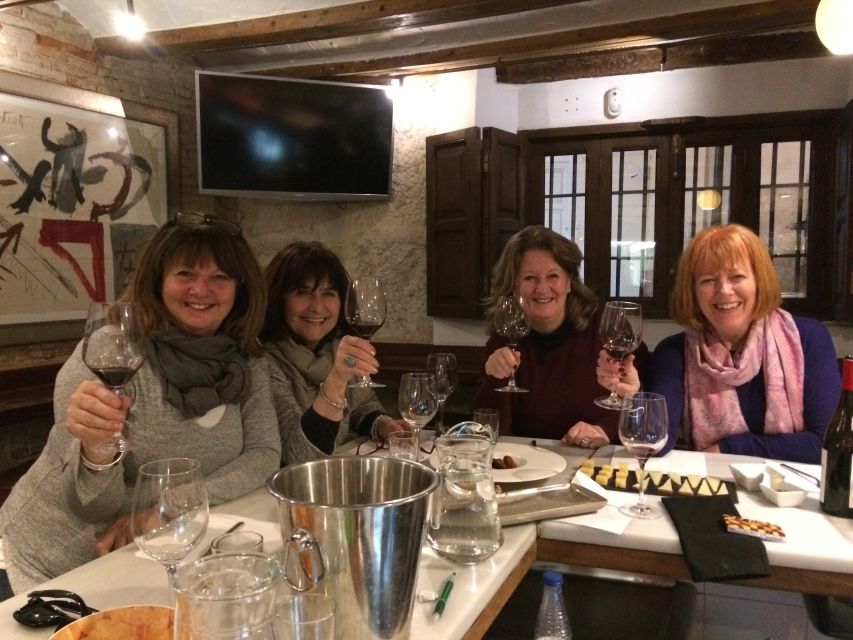
You’ll taste 4 glasses of wine per person and share 5 tapas during the experience.
How long is the tour?
The experience lasts 2.5 hours.
Where is the meeting point?
The meeting point is El Rodamon de Russafa.
What languages are available for the live guide?
The tour is offered in English, Spanish, German, and Lithuanian.
Is hotel pickup or drop-off included?
No. Hotel pickup and drop-off are not included.
Is this tour suitable for children or everyone with mobility needs?
No. It’s listed as not suitable for children under 18, pregnant women, or people with mobility impairments.
Can I book without paying right away, and can I cancel?
Yes. You can reserve now & pay later, and you can cancel for a full refund up to 24 hours in advance.