REVIEW · VALENCIA
Vegetable Paella cooking class, tapas and Ruzafa market visit
Book on Viator →Operated by My First Paella · Bookable on Viator
Paella starts with a market, not a menu. This chef-led class takes you to the Ruzafa market first, so you cook with fresh, local produce, then you move into a kitchen for a vegan paella lesson with tapas and a sangria workshop. I especially love the small-group feel and the hands-on way the chef guides you through technique. One thing to factor in: the tapas course can include items like ham, cheese, and mussels, even though the paella itself is vegetarian/vegan.
You meet at Parroquia de San Valero and spend about 8 minutes walking to the kitchen after your shopping trip. I also like that you’re not just eating paella; you’re learning the story behind it—plus you sit down to a full spread: tomato salad, Valencian wines, fruit, Valencian sponge cake, coffee, and sweet wine. If you want a strictly alcohol-free experience, you’ll need to manage that from the start since the class includes sangria and drinks.
In This Review
- Key Points Worth Knowing
- Entering Valencia Through Ruzafa Market First
- Mercado de Ruzafa: What You’re Really Buying (and Why)
- Tapas and Sangria Before You Cook
- Cooking Vegetable and Vegan Paella Step by Step
- Your Table Spread: Tomato Salad, Wine, Fruit, Cake, Coffee
- Price and Value: Why $78.44 Can Make Sense
- Logistics That Affect Your Day (Meeting Point, Timing, Return)
- Who This Paella Class Fits Best
- How to Prepare So You Enjoy Every Part
- Should You Book This Vegetable Paella Class?
- FAQ
- How long is the vegetable paella cooking class?
- Where does the experience start?
- Is it vegetarian or vegan?
- Do I need to know Spanish?
- Will there be tapas and drinks?
- What’s included in the meal?
- Is the Ruzafa market visit included every day?
- How big is the group?
- What’s the cancellation policy?
Key Points Worth Knowing
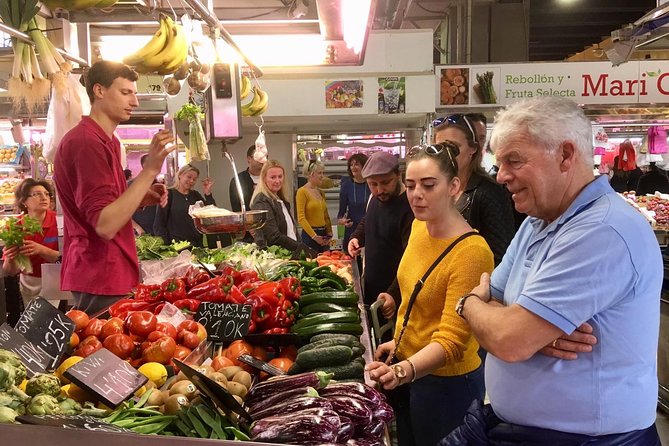
- Ruzafa market shopping: You’ll pick the ingredients you’ll actually cook with.
- Small group attention: Maximum around 18 to 20 people, so you’re not watching from the sidelines.
- Vegetable and vegan paella: You learn how to build flavor without meat.
- Sangria workshop plus tapas: Drinks and small bites start the experience before cooking.
- Full Valencian dessert finish: Fruit, Valencian cake, coffee, and mistela-style sweet wine are part of the meal.
- English-led format: The class is offered in English, and the explanation is built into the experience.
Entering Valencia Through Ruzafa Market First
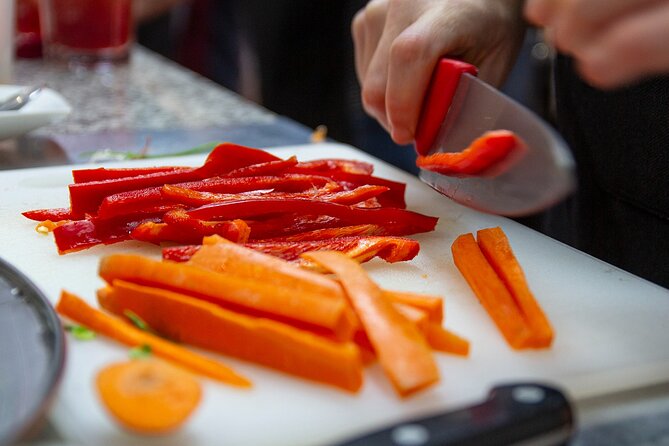
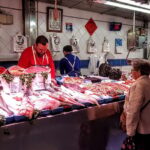
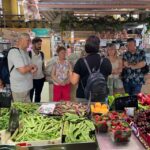
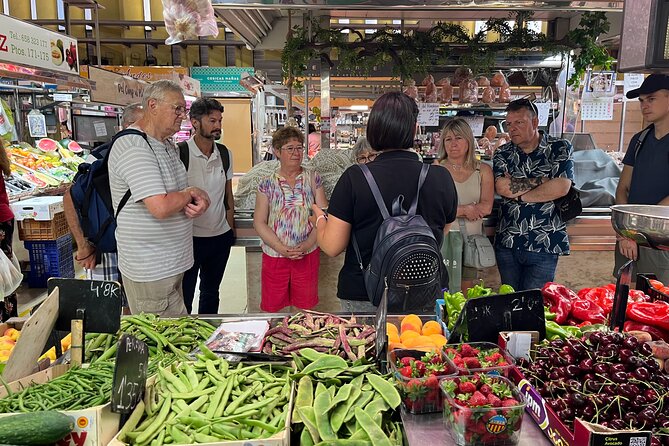
If you’ve ever taken a cooking class where everyone gets handed ingredients and a recipe card, you’ll notice the difference right away here. This one starts outside, at Mercado de Ruzafa, where you shop for the produce that shapes your paella. It’s a smart way to learn because you can see what the dish depends on: fresh vegetables, aromatic staples, and the timing of when things go into the pan.
You’ll meet at Parroquia de San Valero (Carrer del Pare Perera, 6). From there, you head to the market together. While you’re shopping, the chef or guide explains the origin of paella and shares customs and culture from Valencian life. That matters because paella isn’t just food. It’s a social ritual, and that context helps you understand why technique and ingredient choices are taken seriously.
The market stop also sets the pace. If you arrive hungry (you should), you’ll get the chance to settle in with your group, get oriented, and ask questions before the cooking gets active.
Small heads-up: the market visit isn’t included on Sunday because it’s closed. If you’re choosing dates, weekday scheduling helps keep the experience exactly as described.
You can also read our reviews of more tours and experiences in Valencia.


Mercado de Ruzafa: What You’re Really Buying (and Why)
The market visit is more than a photo stop. You’re there to purchase the fresh items needed for a good paella. The practical benefit is obvious: you cook with what you see, not whatever comes pre-packed in a bag.
But the deeper value is how ingredient selection shapes the final flavor of your vegetable paella. In a dish like this, where you’re not relying on meat stock as the main backbone, you want vegetables that taste like something—ripe tomatoes, good aromatics, and the right balance of sweetness and acidity.
This is also where you’ll hear the cultural side of paella. You don’t need a history lecture to enjoy it, but having the story in your head as you shop helps you remember what to do later. It turns the class from a one-off meal into something you can repeat at home.
One practical consideration: the class is designed around a shared group experience. If you’re picky, allergic, or very strict about what you eat beyond what’s listed, you should flag it early so the team can guide you toward the safest options within the plan.
Tapas and Sangria Before You Cook
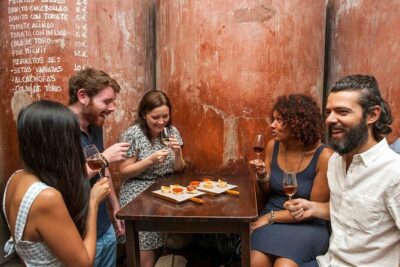
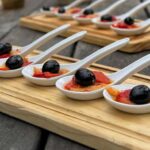
Once your shopping is done, you walk about 8 minutes to the kitchen. Then the chef is waiting with tapas, plus sangria, beer, water, and more. This part is a friendly warm-up, and it also helps you understand how the cooking lesson will flow.
I like this structure because it prevents the classic “stand around, then cook, then eat” rhythm. Instead, you start eating, you start drinking (if you want), and you’re already in a relaxed mood before the paella work begins. It also means you’re not guessing whether the team actually delivers on flavor—you taste their approach right away.
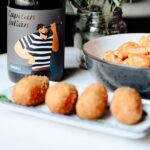
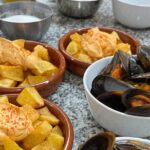
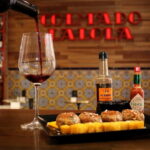
The tapas menu described includes a mix of Spanish classics and vegetarian-leaning options. You may see:
- Patatas bravas with sojanesa
- Jamón serrano
- Manchego cheese
- Steamed mussels
- Olives
Because the paella itself is vegetarian/vegan, this combo can be a plus for adventurous eaters, but it’s also a moment to pay attention if you avoid any specific animal products. The good news is that your main dish experience stays plant-based.
Sangria workshop note: the class includes instruction around sangria along with the drinks. If you’re trying to drink lightly, you still get the workshop without needing to go heavy.
Cooking Vegetable and Vegan Paella Step by Step
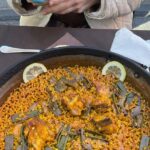
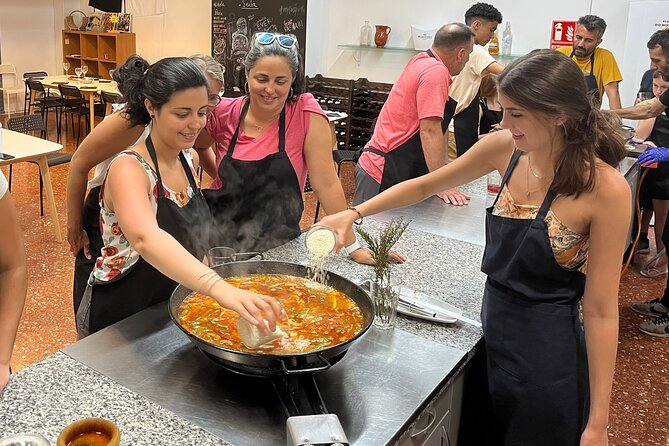
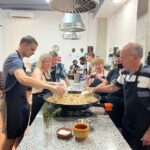
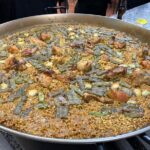
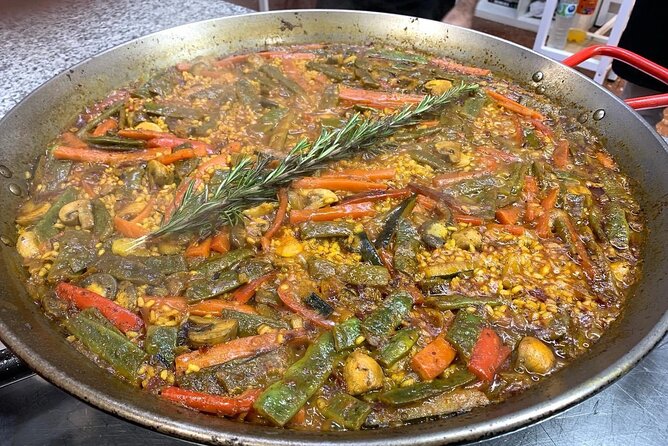
This is the heart of the experience. The chef explains the vegetable paella preparation step by step, and the session is interactive the whole way—so you’re not just observing. In a group size this small (up to about 18–20), you can actually do the work: prepping, participating, and building the dish in a shared kitchen setting.
Vegetable paella has a challenge that meat versions don’t: it needs depth without that obvious shortcut of meat-based flavor. The chef’s guidance helps you learn what to focus on:
- Getting flavor from vegetables and aromatics
- Understanding the role of key ingredients that carry the dish
- Respecting timing, because paella is about the pan’s behavior as much as the recipe
You’ll also learn about technique and why paella is treated like a ritual in Valencia. That might sound like fluff, but it changes how you cook. You stop thinking of it as a “recipe” and start thinking of it as a process—heat, order of ingredients, and the final texture you’re aiming for.
And because the class is vegetarian/vegan, this is also a great way to learn paella fundamentals without needing access to specific traditional ingredients at home. After this, you’re better equipped to make an informed vegetable version rather than copying a single ingredient list.
Your Table Spread: Tomato Salad, Wine, Fruit, Cake, Coffee
After you finish cooking, you sit down and taste what you made. That sounds simple, but it’s where cooking classes either land or fall flat. Here, the meal is built to feel like a complete Valencian gastronómica experience rather than a quick bite.
Along with your paella, you get:
- Valencian tomato salad
- Valencian wines (and the class also includes sweet wine)
- Seasonal fruit
- Valencian sponge cake
- Coffee
- Mistela (sweet wine)
This lineup is a big part of the value. You’re not paying only for one dish; you’re paying for the whole rhythm of a Valencian meal: savory first, then fresh and sweet, then coffee to close it out. It’s the kind of finish that makes a class feel like you left with something more than a recipe.
One practical plus: dessert is included. If you’ve ever been “cooked out” by the time a class ends, it’s nice to know there’s still time for something sweet and comforting before you head back out.
Price and Value: Why $78.44 Can Make Sense
At about $78.44 per person for roughly 3 hours 30 minutes, it’s not a budget street-food deal. But it’s also not priced like a fancy private chef experience. The key question is what you’re getting.
You’re included on more than cooking:
- Tapas
- Sangria workshop plus wine/beer/soft drinks/water
- Tomato salad
- All ingredients and equipment
- Dessert, coffee, and sweet wine
When you break it down, you’re paying for ingredients you’d otherwise buy, plus instruction, plus the kitchen setup, plus the meal. And you get the market component, which typically adds time and context that you don’t get in cook-at-home style classes.
I’d call this “good value” if you want a structured learning experience and a full meal. If you only want one small tasting and a quick demo, it may feel like too much. But if you want to shop, cook, learn, and then eat a real spread, the price starts to look fair.
Logistics That Affect Your Day (Meeting Point, Timing, Return)
The class starts at 11:00 am and runs about 3 hours 30 minutes. You begin at Parroquia de San Valero, then go to the market, then walk to the kitchen. At the end, the activity returns to the meeting point.
This schedule is ideal if you like having your day planned but not rushed. You’ll still have the late afternoon for sightseeing, beaches, or a relaxed stroll through Valencia neighborhoods.
Group size is another quiet factor. With a maximum around 20 people (and often described as up to 18), the class doesn’t turn into a factory line. You’ll have enough room to participate.
If you’re traveling with kids, the experience notes that children must be accompanied by an adult. That usually means you’ll get a class that’s family-friendly enough to join, but it still moves through an active prep-and-cook flow.
Who This Paella Class Fits Best
I think this one is especially strong for:
- Vegetarians and vegans who want a serious paella learning experience (the main dish is plant-based)
- Food lovers who want the market-to-pan connection, not just a cooking demo
- Families and teen groups, since the format is interactive and people can take roles
- Solo travelers and couples who want an easy social setting with a small crew
It’s also a good option if you care about learning practical technique. Many classes teach you the “what.” This one tries to teach the “how,” including paella origins and cultural customs along the way.
If you’re very sensitive to alcohol or you follow strict dietary rules beyond vegetarian/vegan (for example, allergies or avoidance of all animal products including in tapas), you’ll want to communicate that early. The paella is vegetarian/vegan, but the included tapas list includes non-vegetarian items.
How to Prepare So You Enjoy Every Part
You can make this day smoother with a few simple moves:
- Show up at least a few minutes early for the market meet-up.
- Wear comfortable shoes. You’ll walk from the market to the kitchen and spend time standing during prep.
- Come hungry. Between tapas and the paella sit-down meal, you’ll want your appetite ready.
- If you want to go easy on sangria or wine, decide your pace before drinks start.
Also, because the class is conducted in English, it helps to feel comfortable asking questions in English. If you’re not, you might find you rely more on gestures than you want—so it’s best if you’re at least okay with basic conversation.
Should You Book This Vegetable Paella Class?
Yes, if you want a hands-on Valencia meal experience that goes beyond tasting. I’d book it if you care about learning paella technique, appreciate the market component, and want a full spread afterward with salad, fruit, Valencian sponge cake, coffee, and sweet wine.
Skip it (or at least consider carefully) if:
- You’re strictly avoiding any animal products beyond the paella itself, since the included tapas can include ham, cheese, and mussels.
- You don’t want alcohol involved at all, since the class includes a sangria workshop and drinks.
Overall, this is one of those trips that earns its spot on your schedule. You leave with a vegetable/vegan paella you know how to make, plus a better sense of why Valencia treats paella like a shared event.
FAQ
How long is the vegetable paella cooking class?
It runs about 3 hours 30 minutes.
Where does the experience start?
It starts at Parroquia de San Valero, Carrer del Pare Perera, 6, in L’Eixample (46006), Valencia.
Is it vegetarian or vegan?
The paella you cook is vegetarian/vegan, and you’ll also have a tomato salad and a dessert spread included.
Do I need to know Spanish?
The class is offered in English.
Will there be tapas and drinks?
Yes. You get some tapas, plus a sangria workshop with wine, beer, soft drinks, and water.
What’s included in the meal?
You’ll eat the vegetable/vegan paella with Valencian tomato salad, along with seasonal fruit, Valencian cake, sweet wine, and coffee.
Is the Ruzafa market visit included every day?
No. The Ruzafa market visit is not included on Sundays because the market is closed.
How big is the group?
The class is described as small, with a maximum around 18 participants, and the activity also notes a maximum of 20 travelers.
What’s the cancellation policy?
Free cancellation is available. You can cancel up to 24 hours in advance for a full refund.
If you want, tell me your travel month and whether you’re strictly vegan or just vegetarian—I’ll help you decide the best day to book (especially with the Sunday market closure).