REVIEW · ZARAGOZA
Zaragoza: Midday Market and Tapas Tour
Book on GetYourGuide →Operated by Rutica 41 Spain · Bookable on GetYourGuide
Food shopping turns into a history lesson in Zaragoza. This casual midday market and tapas tour mixes a look at the Mercado Central built in 1903 with specialty food stops and multiple Aragonese wine and tapas tastings. I like that it feels local, not performative, and that you’re walking through the Old Town’s layered past while your appetite builds.
One thing to consider: if you’re hunting for a classic highlights city-tour with major monuments and long photo stops, this is more about food and neighborhood stories than big sightseeing.
In This Review
- Why This Zaragoza Midday Market and Tapas Tour Hits the Spot
- Zaragoza’s Midday Market and Tapas Rhythm
- Mercado Central Built in 1903: Where the Eating Starts
- Specialty Gourmet Shops for Meats, Cheese, and Olive Oil
- Zaragoza Tapas and Wine: How the Bar Stops Work
- What You’re Getting for the Price (and Why It Adds Up)
- The Guide Makes It Personal: Marta and the Local Lifestyle Talk
- History While You Walk: What You Learn (and What You Don’t)
- Timing, Walking, and Comfort: Plan Like a Local
- Language Options and What They Change for You
- Who Should Book This Zaragoza Market and Tapas Tour
- Should You Book This Zaragoza Midday Market and Tapas Tour?
Why This Zaragoza Midday Market and Tapas Tour Hits the Spot
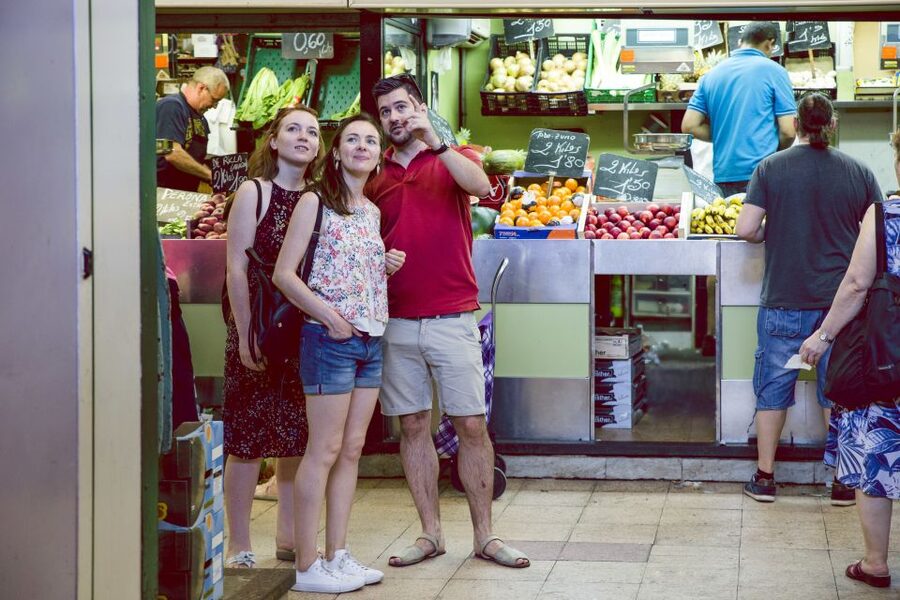
- Mercado Central (built in 1903): Walk through a landmark food hall and meet the people behind the stalls.
- Artisanal shop stops for meats, cheese, and olive oil: You’ll see how Aragon’s pantry staples get sold and explained.
- Three tapas-bar tasting sequence: Zaragoza-style bites paired with local wines from the region.
- Four Aragonese drinks included: You’re not just eating, you’re sampling the drinks that make tapas culture tick.
- A guide who sticks around for Q&A: You’ll finish with practical tips for where to go next in Zaragoza.
Zaragoza’s Midday Market and Tapas Rhythm
A good food tour doesn’t just hand you bites. It gives you context, so the food makes sense. In Zaragoza, midday is an ideal time to do that because you’re close to the places where locals pick up ingredients and chat with vendors, not just tourists hunting for a quick snack.
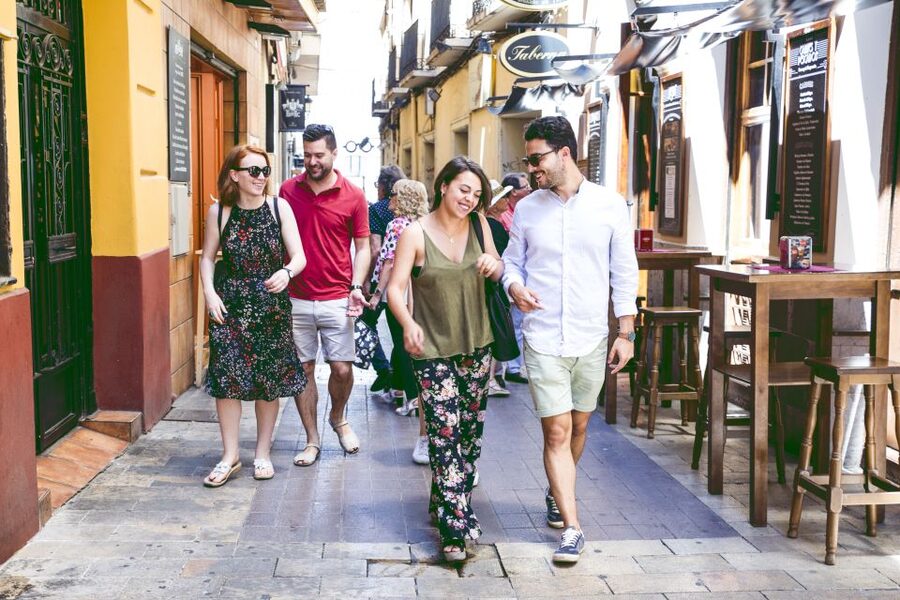
I like the pacing here. It’s 3 hours of walking in the Old Town, with food stops spaced out so you can actually taste and then talk about what you’re seeing. And because it’s set up as a private group, you can ask follow-up questions instead of shouting over the crowd.
The tour is also pitched as more than tapas. You get to connect the food to the city’s older layers as you move through the streets, with the guide explaining what makes Zaragoza tick from a local point of view.
You can also read our reviews of more tours and experiences in Zaragoza.


Mercado Central Built in 1903: Where the Eating Starts
The first big anchor stop is the central food market in Zaragoza, built in 1903. This isn’t just a convenient meeting place for tapas. Markets like this are where a city’s day-to-day life shows up: vendors, smells, product variety, and the simple rhythm of people buying what they need.
During the walk through the market area, you’ll meet local vendors and get a front-row look at how the food economy works. You’ll also get the kind of conversation you miss when you visit on your own. A guide can point out what to notice in the stalls and how locals think about quality.
One practical benefit: you start with a market setting, which makes the later tastings feel earned. By the time you move on to shops and bars, you’ll have a mental map of what kinds of products Zaragoza is proud of.
Specialty Gourmet Shops for Meats, Cheese, and Olive Oil
After the market, the tour shifts from shopping-at-large to more focused stops. You’ll pop into specialty gourmet shops that sell artisanal meats, cheeses, and olive oils. This is where the tour becomes useful even if you don’t plan to buy anything.
Here’s what I’d pay attention to: the guide’s explanations about what makes one product different from another, and how locals combine these pantry staples at home. Even if you only taste a small amount on the tour, you’ll learn how to read the choices when you later stand in a shop and think, I want to get something good.
If you like foodie souvenirs, these stops are where you’ll want to slow down. You’ll leave knowing what categories to look for and what to ask about, which saves you money on random grab-bag purchases.
Zaragoza Tapas and Wine: How the Bar Stops Work
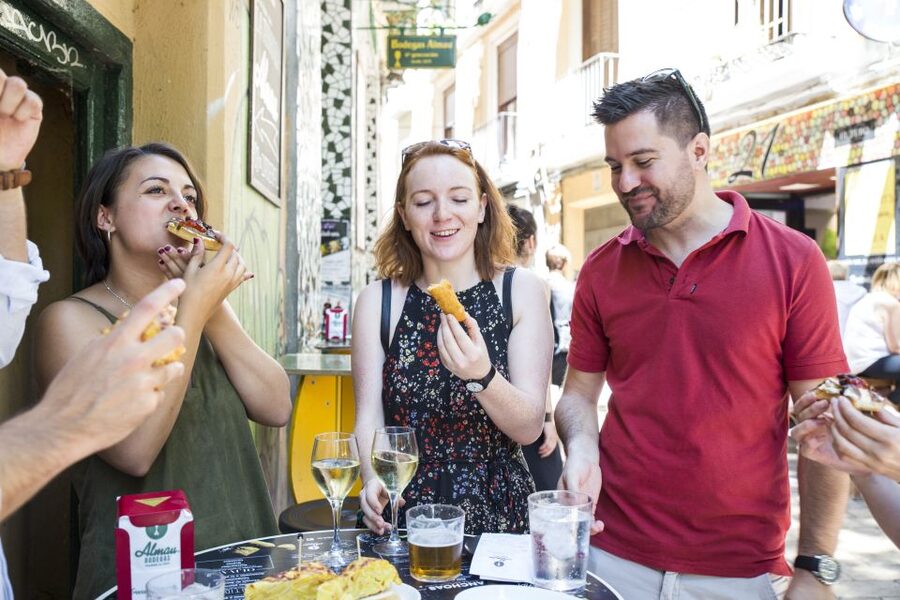
Once you’ve worked up an appetite, the tour moves into the heart of the experience: tapas bars around the Old Town. The tastings are Zaragoza-style, and they come with local wines from Aragon.
I like the structure of this part. Instead of one bar serving everything, you get a sequence of places. That gives you variety in flavors and styles, and it also shows how tapas culture changes from bar to bar even within the same neighborhood.
Also, you’re not just eating blind. One of the standout takeaways is learning the logic behind ordering and pairing. The guide frames the bites and drinks so you taste with intention, not just with hunger. And with drinks included, you can focus on what tastes good together instead of checking your budget every five minutes.
What You’re Getting for the Price (and Why It Adds Up)
At $112 per person for about 3 hours, this tour isn’t trying to be the cheapest option in town. It’s priced more like a guided tasting experience that includes real value.
Here’s why it works financially:
- You get visits with a guide that connect market culture, specialty food shopping, and bar tastings.
- You’re included in tapas-bar stops with local specialties.
- You also get 4 local Aragonese drinks. That’s a big piece of what makes tapas tours expensive if you do them solo.
In other words, you’re paying for direction and the tastings package, not just walking around. If you’re the type who usually ends up paying for “one more drink” at each stop, getting the drinks bundled can be a money-saver.



The Guide Makes It Personal: Marta and the Local Lifestyle Talk
The best part of this kind of tour is the human factor: someone who can translate what you’re seeing into something you can use later. I’ve seen this tour’s guide earn real praise for being kind, funny, and genuinely helpful, with a warm style that makes the afternoon easy.
One name that comes up is Marta. People describe her as not only sharp with local food and stories, but also the type who makes time for questions. That matters, because the tour isn’t just about eating. You’re also told you’ll be able to chat about the local lifestyle of Zaragoza at the end.
That end-of-tour conversation can be practical gold. If you’re short on time, the guide can help you choose where to eat next based on what you enjoyed already. If you’re trying to avoid tourist traps, you’ll get ideas that fit your taste and pacing.
There’s also a smart note from how the tour can feel flexible. In one case, a visitor who had booked both midday and another wine-and-tapas-related option found the guide adjusted the routing to include other places. That points to a guide who pays attention to the bigger food plan you’re building.
History While You Walk: What You Learn (and What You Don’t)
The tour does give you history, but in a specific style. You’ll discover thousands of years of history while walking through the ancient city, with the guide connecting what you’re tasting to where you are in Zaragoza’s story.
That said, it’s not built as a full city-sightseeing circuit. One feedback theme is that the history quality is strong, but the emphasis on major sights can feel lighter if you expected a tour of the top buildings and landmarks with extended stops.
So here’s the balanced way to think about it:
- If you want food culture plus neighborhood storytelling, you’ll be happy.
- If you want a heavy dose of iconic sights and lots of landmark time, you might want to pair this with a separate sightseeing-focused tour.
Timing, Walking, and Comfort: Plan Like a Local
This is a 3-hour walking experience in the Old Town. That means comfortable shoes matter, and it also means you’ll want to keep your day lightly scheduled around it. Zaragoza’s food culture is best experienced without rushing between attractions every ten minutes.
You’ll be fine if you’re comfortable moving at a casual walking pace. If you’re bringing a lot of luggage, note that large bags aren’t allowed, and pets aren’t permitted. Travel light, keep valuables secure, and you’ll enjoy the flow more.
Because it’s private, the pace can also feel more human-scale. You’re less likely to get tugged forward constantly, since the guide can adjust for your group’s questions and pace.
Language Options and What They Change for You
The tour runs with a live guide in English, German, and Spanish. That matters because food culture is full of small words—how a vendor describes an oil, how a chef thinks about a bite, why a pairing works. When you understand those details, your tasting gets better.
If you’re choosing between languages, pick the one you can comfortably follow without strain. You’ll absorb more when you’re not mentally translating every sentence.
Who Should Book This Zaragoza Market and Tapas Tour
This tour is a strong match for:
- First-timers who want a local-feeling food afternoon in the Old Town
- People who enjoy walking but want frequent reasons to stop
- Food lovers who like structure: market first, then shops, then bar tastings
- Anyone who values local recommendations for the rest of the trip
You might skip it or pair it with something else if:
- You’re mostly interested in major landmarks and want long sightseeing stops
- You prefer self-guided experiences with zero guiding and zero organized tastings
- You have tight dietary restrictions not mentioned in the provided info (if you do, contact the provider with specifics before booking)
Should You Book This Zaragoza Midday Market and Tapas Tour?
If your goal is a 3-hour afternoon that mixes a famous market hall, specialty food shops, and a tapas-and-wine tasting sequence with real local conversation, then yes, book it. The included tastings and four Aragonese drinks make it feel like you’re getting more than a casual walk.
My main caution is expectation-setting. This is not a monument-focused sightseeing tour. If you want history through stories and food, you’ll love the format. If you want a box-check list of big sights, plan an additional sightseeing option alongside this one.