REVIEW · BARCELONA
Barcelona in One Day: Gaudí, Gothic Quarter &Tapas (Private Tour)
Book on Viator →Operated by Icono Spain Tours · Bookable on Viator
One day in Barcelona hits different. This private tour strings together the Roman roots of Barcino, the Gothic Quarter power squares, and two Gaudí homes, then ends with Sagrada Família at 4 pm when the crowds thin. I love the just-your-party feel because it means the guide can slow down for your questions, and I love the timing that saves the biggest visual payoff for later in the day.
The only catch is that several major stops are quick, and some interiors cost extra tickets. If you want long, slow time in each site, or you need lots of breaks between places, you may find the pacing a bit tight.
In This Review
- Key things to know before you go
- A private 5-hour loop through Barcelona’s Roman, medieval, and Gaudí sides
- Plaça Nova and the Roman start of Barcino
- Catedral de Barcelona and Casa de l’Ardiaca: Gothic details without a full-day commitment
- Plaça del Rei and Plaça Sant Jaume: medieval power squares in plain sight
- Sinagoga Major and the Jewish Quarter calls
- La Rambla and Mercat de la Boqueria: how Barcelona eats while you walk
- Casa Batlló and La Pedrera on Passeig de Gràcia
- Sagrada Família at 4 pm: your best shot at calm wonder
- Tapas breaks that fit the route, not fight it
- Price and value: what $264 buys you (and what it doesn’t)
- Who this tour suits best—and when to skip it
- Should you book this Barcelona in One Day Gaudí, Gothic Quarter & Tapas private tour?
- FAQ
- How long is the Barcelona in One Day tour?
- Is this tour private?
- What language is the tour offered in?
- Where does the tour start?
- Does the tour include Sagrada Família admission?
- Are tickets included for all the other stops?
- What time of day do you visit Sagrada Família?
- Is the tour walk-heavy?
- What if Barcelona weather is poor?
- Can I cancel for a full refund?
Key things to know before you go
- Private, just-your-party format means the guide can adjust the pace to your group.
- Sagrada Família at 4 pm is planned for calmer viewing after the worst crowd rush.
- Quick-hit route covers Roman, medieval Gothic, Jewish Quarter, and Gaudí Modernisme in one loop.
- Tickets aren’t all included (Sagrada Família is, but places like Casa Batlló and La Pedrera can be extra).
- Rambles and markets are part of the story, not just photo stops.
- Food breaks are built in, with restrooms and refreshments included.
A private 5-hour loop through Barcelona’s Roman, medieval, and Gaudí sides
This is built for one main goal: getting you oriented fast, without feeling like you spent the day herding yourself. In about five hours, you’ll move through Ciutat Vella (old Barcelona) and then up toward Passeig de Gràcia for Gaudí’s most famous streetscape drama.
Because it’s a private tour, you won’t get stuck waiting for a big group to match everyone’s pace. Your guide will also keep the schedule tight on purpose, since the Sagrada Família portion is timed for later-day quiet.
Also, plan for walking. You’ll be moving city to city logic-style: short stops, then more short stops. One person counted around 12,000 steps in about five hours, so comfortable shoes matter.
You can also read our reviews of more tours and experiences in Barcelona.



Plaça Nova and the Roman start of Barcino
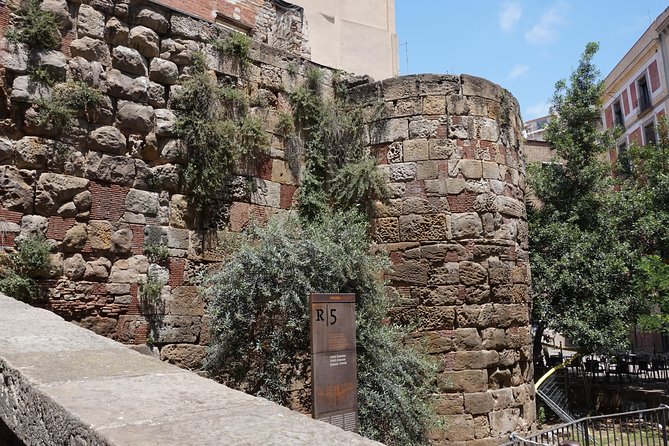
You begin in the Gothic Quarter, but with a Roman twist: Plaça Nova sits near the walls of the old Roman city. The star here is a quirky letter installation spelling Barcino, tied to the Barcelona-born visual poet Joan Brossa.
It’s a fun entry point because it stops you from treating the Gothic Quarter like it starts in medieval times. You get a quick mental map of how Barcelona layers history on top of history, even in places that look purely medieval from the street.
This first stop is short, but that’s the point. You’re primed for what comes next: churches, courts, and squares that all feel like they have rules, rituals, and power baked into the stone.
Catedral de Barcelona and Casa de l’Ardiaca: Gothic details without a full-day commitment
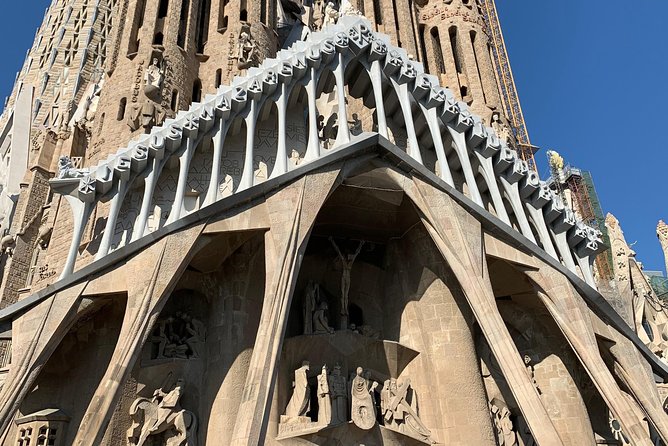
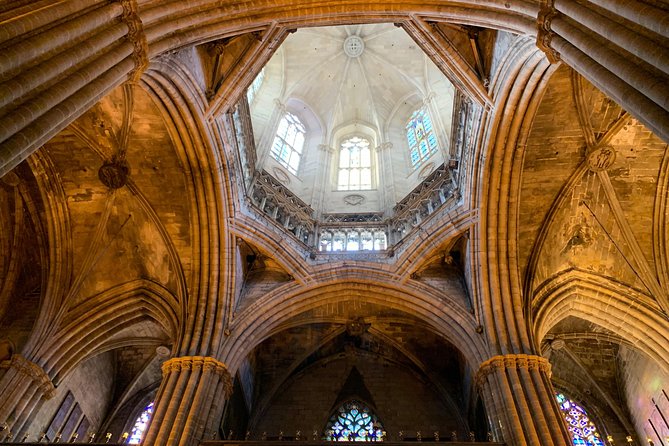
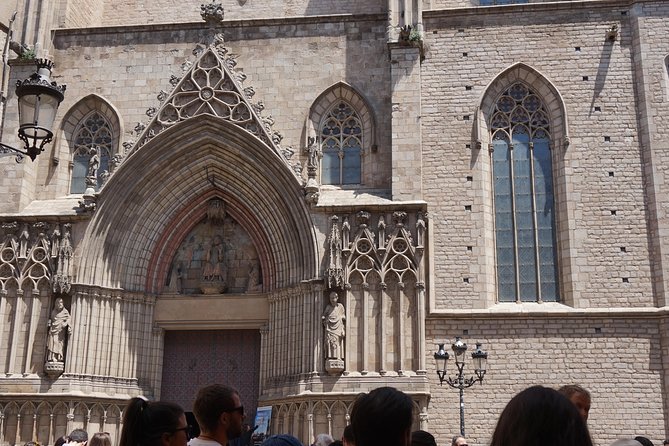
From Plaça Nova, you shift into proper Gothic mood with the Catedral de Barcelona. You’ll see the interior design language that makes Gothic so addictive: the nave, chapels, and a quieter cloister space with a fountain.
One thing to keep in mind: the cathedral interior is listed as not included for admission. That means your guide may get you in for the planned viewing, but you should be ready for possible extra ticket time or cost depending on what exactly is covered on the day you book.
Right after that, Casa de l’Ardiaca adds another layer of medieval life. This is the residence linked to the ecclesiastical hierarchy, with changes over centuries, including Renaissance-style decoration that still fits the flamboyant Gothic vibe.
Even if you only get a short look, the terrace and staircase views help you understand why these buildings felt like controlled stages for important people—religion, authority, and status all in one vertical layout.
Plaça del Rei and Plaça Sant Jaume: medieval power squares in plain sight
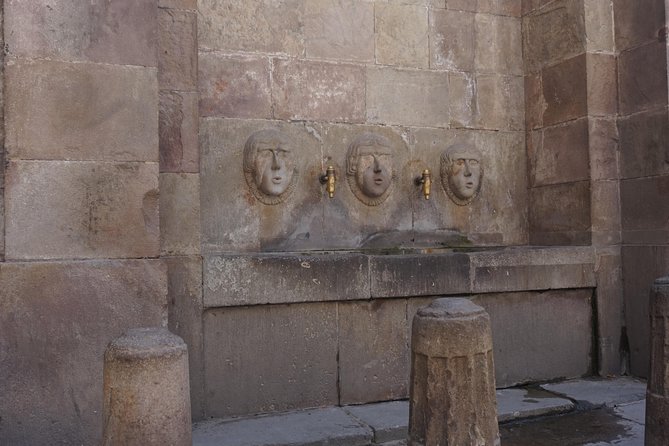
If you like squinting at a city and then suddenly seeing the pattern, these two squares will click.
Placa Del Rei is the kind of space that feels made for ceremonies. The royal palace area and surrounding buildings create an enclosed, peaceful medieval pocket, so you can picture what life looked like when power wasn’t hidden behind walls.
Then Placa de Sant Jaume turns that feeling into political geography. This has been the political center since early on, and today it’s associated with the City Hall area and the Palau de la Generalitat—two heavyweight buildings in Catalan civic life.
Both stops are short, but they’re valuable because they teach you how Barcelona’s story flows. You’re not just ticking off sights; you’re learning where decision-making happened and why those locations still shape the streets around them.
Sinagoga Major and the Jewish Quarter calls
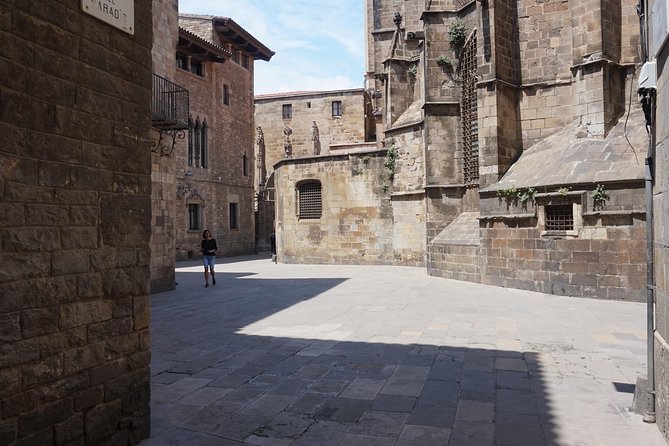
Next comes the Sinagoga Major de Barcelona, one of Europe’s older synagogues that has been restored and opened to the public. The medieval Jewish community here was significant, lasting from roughly the 9th to the 14th century.
You’ll also hear the idea of the calls, the narrow street neighborhoods built around community life. Even when the visit time is brief, the concept sticks: these were not just streets, but organized social spaces shaped by belonging and protection.
This stop is short too, so it works best if you’re the type of person who likes mental notes as much as photos. If you want to read every plaque slowly, you’ll likely want extra time—because the tour is designed to keep moving.




La Rambla and Mercat de la Boqueria: how Barcelona eats while you walk
By the time you reach La Rambla, you’re stepping into the promenade that practically every first-timer finds. It’s about 1.2 kilometers long and laid out in the 18th century along older medieval contours, which helps explain why it feels both organized and chaotic at the same time.
La Rambla also matters culturally because it was a rare place where different social classes could mix in the open. That context makes it more than a tourist walkway—it becomes a stage for Barcelona’s day-to-day social life.
Then you head into Mercat de la Boqueria, a market that feels like a human current. If you like watching how food life works, this is where you see it: the shift from old peddling trade energy to a modern, crowded market that’s all color and motion.
Even if you don’t go deep into shopping, the Boqueria stop gives you a taste of Barcelona as a sensory city. You’ll be ready for the food breaks that come afterward, and you won’t feel like you’re adding snacks to the day—you’ll feel like snacks are part of the itinerary’s logic.
Casa Batlló and La Pedrera on Passeig de Gràcia
Now the route swings into Gaudí’s real street power zone: Passeig de Gràcia and two Modernisme statements.
With Casa Batlló, the vibe is sculptural and strange in the best way. You’ll hear why it’s nicknamed the House of Bones and why the exterior trades straight lines for flowing forms. The trencadís mosaic (broken ceramic tile work) and the roof shape linked to dragon imagery make it a building you can’t look at like a normal box.
This stop is listed as not included for admission, so it’s a place to plan extra time and/or extra ticket cost. If you’re hoping to walk through the interior with zero added friction, check ticket coverage when you book.
Then La Pedrera (Casa Milà) adds a different kind of Gaudí energy: a rough-hewn stone look, twisting wrought-iron balconies, and major design innovations like a self-supporting stone façade and a free-plan floor concept. The rooftop terrace is the big payoff for many people who like Gaudí’s imagination turned into architecture you can walk around.
La Pedrera is also not included for admission. But even a short exterior-focused stop helps you understand why these two buildings sit in a row often called the block of discord for their Modernisme neighbors.
Sagrada Família at 4 pm: your best shot at calm wonder
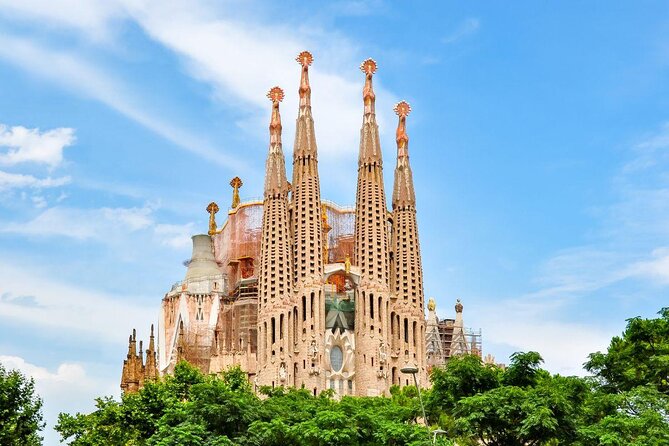
This is the reason many people book this tour: Sagrada Família after crowds have left. Your schedule proposal focuses on the evening, starting around 4 pm, and the ticket for Sagrada Família is included.
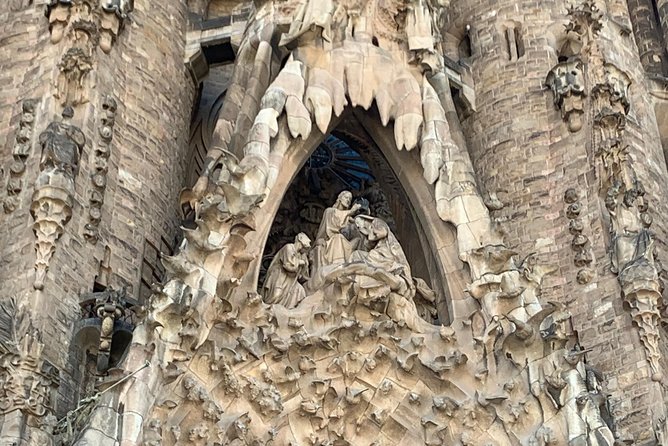
The big promise here is time and pacing. Instead of getting shoved into a fast-moving crowd line, you’re set up to visit at your own speed. That matters with Sagrada Família because the interior is all about noticing—columns, light, and details that reward slower attention.
If you’re the type who wants the moment to feel quiet even in a crowded city, this timing helps a lot. It’s also the best way to end a one-day route, because your brain is already warmed up by Gothic forms and Modernisme shapes—and then Sagrada Família makes them feel like part of one long design idea.
Tapas breaks that fit the route, not fight it
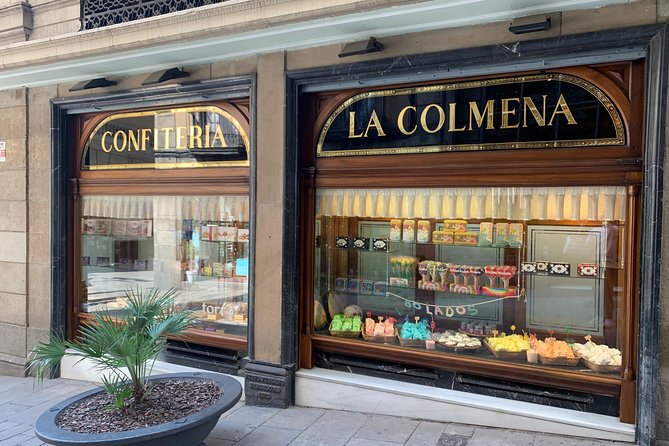
The tour is advertised as tapas-focused, and the pacing includes breaks for restrooms and refreshments. That’s not a small detail. In Barcelona, stopping for food is how you keep your feet from turning into complaints, and it keeps the day from turning into a rushed checklist.
You may find tapas stops that include things like traditional nougat at Planelles Donat and then a finish at Orio, a chain known for pintxos-style bites, wine, and beer. Exact choices can vary, but the structure is consistent: you get food breaks while moving between eras of the city.
I like this approach because it turns the tour from sightseeing into a real day out. You’re not spending five hours staring at stone and then grabbing dinner at midnight.
Price and value: what $264 buys you (and what it doesn’t)
At $264.34 per person for about five hours, the value depends on what you care about: speed, comfort, and avoiding the headache of ticket timing.
What you get that’s easy to price: a private guide, English service, and a structured day that ends with Sagrada Família access (its admission is included). The tour is also built around “carefully timed” movement to avoid peak crowds.
What you should treat as extras: admission is not included for several major stops like Catedral interior, Casa Batlló, and La Pedrera. That means your total day cost can rise if you want to go inside every listed site.
Is it worth it? If you want a guided path through key neighborhoods in limited time, yes. If your dream day is spending long hours inside museums and churches, you may end up paying a premium for a pace that doesn’t match your style.
Who this tour suits best—and when to skip it
This fits best if you’re a first-timer or if Barcelona is a quick stop and you want a strong highlights mix without guessing where to go. It also suits groups who like food breaks built into the itinerary, not tacked on at the end.
It’s also a good match when you want a guide who can adapt. The tour has a history of highly positive guide notes, including Olga, Carla, Valentina, Anna, Pol, and Viggo being praised for keeping things informative and fun, with the patience to answer questions without rushing you.
Skip (or at least think twice) if you need lots of flexibility because the schedule is timed. If you arrive late, have mobility limits that slow walking between stops, or want very long stays at each site, you might feel the tour is more of a brisk walk route than a slow discovery day.
Should you book this Barcelona in One Day Gaudí, Gothic Quarter & Tapas private tour?
Book it if you want a tight, guided highlights day that moves through the Gothic Quarter, Roman traces, Jewish Quarter context, and two major Gaudí buildings, with tapas breaks and a smart Sagrada Família finish at 4 pm.
Don’t book it if your priority is hanging out in one place for hours or if you’re not ready for extra ticket decisions at multiple stops. In that case, you may be happier with a slower, more site-by-site plan.
If you do book, I’d plan your expectations around quick-to-medium visits, wear comfortable shoes, and treat tickets for interiors like a likely add-on.
FAQ
How long is the Barcelona in One Day tour?
The tour runs about 5 hours.
Is this tour private?
Yes. It’s private, and only your party participates.
What language is the tour offered in?
The tour is offered in English.
Where does the tour start?
The meeting point is Av. de la Catedral, 7, Ciutat Vella, 08002 Barcelona, Spain.
Does the tour include Sagrada Família admission?
Yes. The Sagrada Família stop includes admission.
Are tickets included for all the other stops?
No. Some sites are listed as free, while others show admission not included, including Catedral de Barcelona interior, Casa Batlló, and La Pedrera.
What time of day do you visit Sagrada Família?
The plan is to start around 4 pm, when the visitor flow usually decreases.
Is the tour walk-heavy?
It is a walking tour built on short stops. One guest reported about 12,000 steps in about 5 hours.
What if Barcelona weather is poor?
This experience requires good weather. If it’s canceled due to poor weather, you’ll be offered a different date or a full refund.
Can I cancel for a full refund?
Yes. You can cancel up to 24 hours in advance for a full refund. If you cancel less than 24 hours before the start time, it’s not refunded.