REVIEW · ESTEPONA
Estepona old town tour with tapas tasting
Book on GetYourGuide →Operated by Marbella in Style · Bookable on GetYourGuide
Tapas in Estepona has a rhythm, and a great guide keeps it moving. I like how Lucas/Luca walks you through Estepona old town and into real tapas bars, with history you can actually use. You’ll also get wine or local drinks paired with what you’re eating, so the meal comes with context, not just choices.
One thing to consider: this is a tapas crawl, not a dedicated seafood buffet. If you’re chasing lots of fish dishes, ask what’s coming up as you go. Also, expect a steady walking pace over about 3 hours, so comfortable shoes are not optional.
In This Review
- Key Points You’ll Care About
- Why Estepona’s Old Town Makes Tapas Taste Better
- Meeting in Estepona Centro: Start Easy on the Promenade
- Old Town Walking: Real Stories, First Tastings, and a Good Pace
- Poetry Trail at the Fishing Port: Manuel Guerrero Gomez in Ceramic
- Wine Pairings and Drinks: How to Taste With Context
- Ending at Puerto Deportiva: Set Up Your Own Next Bite
- Price and Value: Why $206 Can Make Sense
- Who Should Book This Estepona Tapas Tour (and Who Should Think Twice)
- Should You Book It?
- FAQ
- How long is the Estepona old town tapas tour?
- Where do I meet the guide?
- Where does the tour end?
- What’s included in the tour price?
- Are drinks included?
- Is transportation included?
- Is the group small?
- Is the tour wheelchair accessible?
- What languages are available?
- Can I cancel for a refund, or reserve without paying yet?
Key Points You’ll Care About
- Small group (up to 10) means you can ask questions and get help ordering without being rushed
- Guided tapas at traditional bars across the old streets, not just one restaurant stop
- Wine or local drink pairing with the dishes, which makes the tasting feel like learning
- Puerto Pesquero stop with a look at daily marine life while you continue tasting
- Poetry Trail connection: ceramic plaques tied to poet Manuel Guerrero Gomez on city walls
- Finish at Puerto Deportiva so you can keep the evening going by the marina
Why Estepona’s Old Town Makes Tapas Taste Better
Estepona’s old town is made for walking. The streets stay human-sized, the corners turn up to surprise you, and you can go from plaza to alley without needing a plan. That matters on a tapas tour, because tapas work best when you’re relaxed and curious, not sprinting from place to place.
What I like about this one is that it treats tapas as more than snacks. You’re not just collecting bites. You’re learning what you’re eating and why it shows up in Andalusia. The guide also explains local context as you move, so the old streets start to make sense. That’s the difference between tasting and understanding.
And then there’s the drink pairing. Getting wine or a local drink matched to each stop is a big part of the value. It helps you taste with intention. You also get a smoother pace for your evening, because the group’s rhythm is set for you: walk, stop, sip, taste, repeat. If you’ve ever had tapas that blur together later, this structure helps prevent that.
This tour finishes near the marina too. So you’re not stuck in the old town with no next step. You can transition naturally from guided tasting to your own late-night choices.
You can also read our reviews of more tours and experiences in Estepona.
Meeting in Estepona Centro: Start Easy on the Promenade
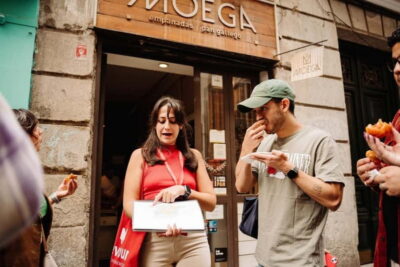
You meet in Estepona Centro, with the guide waiting at the promenade. The detail that’s actually useful: your guide wears a white cap, so it’s easier to spot them quickly instead of playing meet-and-greet roulette.
From the start, the vibe is calm. You begin with a relaxed stroll toward the old town, which is smart for two reasons. First, it gets you warmed up for the walking part without tiring you out before the first tastings. Second, it lets the guide set the tone—where you are, how the Costa del Sol fits in, and what the old town is like before you start sampling.
It’s also a practical way to orient yourself. Estepona isn’t enormous, but old towns can feel like a maze the first time you arrive. Getting your bearings early pays off later, when you want to return on your own. Several people highlighted that the guide showed them parts they wouldn’t have found without help, and that’s exactly what a good start does: it saves you future effort.
If you’re the type who likes to get your day moving before midday crowds hit, this format works well. You’re outside, you’re seeing the shoreline area, and you’re stepping into the old town in an organized way.
Old Town Walking: Real Stories, First Tastings, and a Good Pace
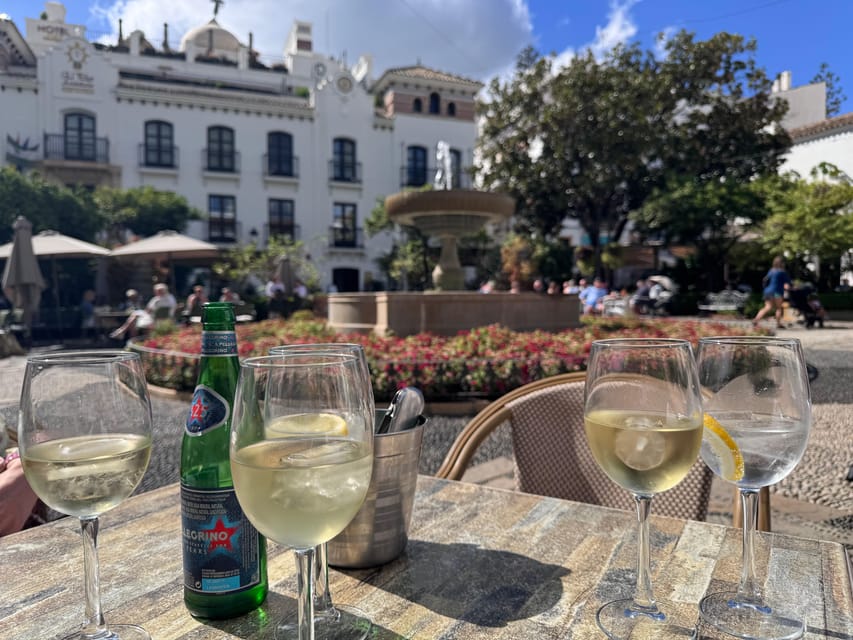
Once you reach the old town, the tour shifts into guided wandering. This is where you’ll get more of the city’s background and how Estepona developed along the Costa del Sol. The guide doesn’t just list facts. You get explanations tied to what you’re seeing as you go—street character, local rhythm, and the meaning behind specific tapas.
You’ll also start tasting early. Before you go deeper into the streets, there’s a cool drink to settle in. Wine is offered if you like it, and you’ll have a few local tapas at that stage. I like this approach because it means you’re not walking hungry for long. It also helps you settle your palate early, so later stops feel clearer.
In practical terms, the pace is designed so you’re not always standing still. One review noted that the tour had a stretch of walking in the first hour before tastings, which is typical for this kind of route. Translation: wear shoes that can handle cobbles, and don’t plan to spend the entire evening with sore feet and regret. (Yes, you’ll earn those tapas calories.)
Another useful thing: the guide explains the meaning of individual dishes. Even if you can’t pronounce every word, you’ll learn how locals think about what’s on the plate. That means when you see similar items later, you’ll know what you’re ordering.
If you enjoy food plus context—why a dish exists, how Andalusian bar culture works—this part is where the tour earns its keep.
Poetry Trail at the Fishing Port: Manuel Guerrero Gomez in Ceramic
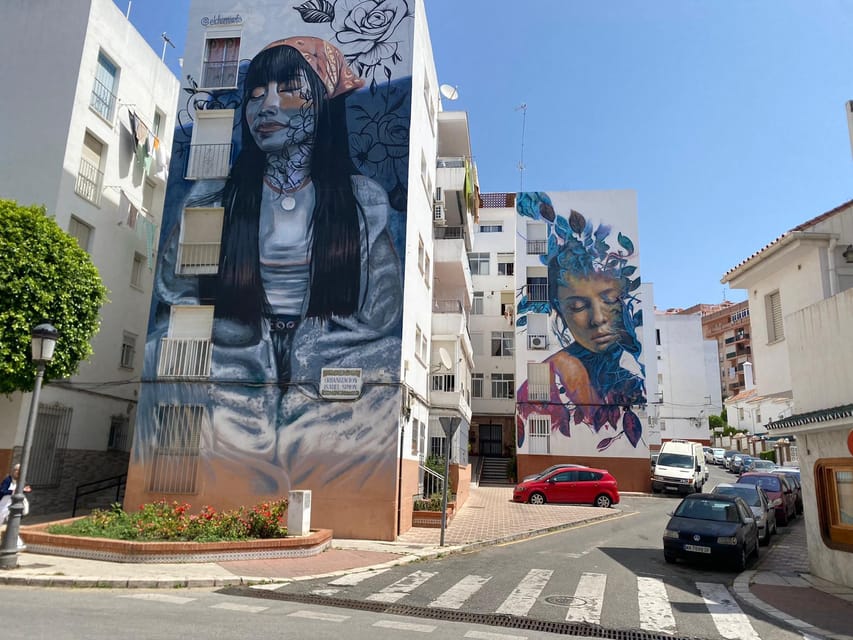
The walk continues toward the fishing port area, and this is one of the most distinctive parts of the experience. You’re not just moving toward the water for scenery. You stop in a place tied to the Poetry Trail, featuring works by the poet Manuel Guerrero Gomez.
Here’s what makes it special: the poems are found on typical ceramic plaques placed on city walls. That detail matters because it turns a random wall into a story. You’ll learn what you’re looking at, instead of noticing it like background decoration and moving on.
Then you arrive in the port zone, where you get a glimpse of daily life connected to the sea. You can observe the marine world in action while enjoying more tapas and drinks. This is one of those “it’s better in real life” moments. Old town gives you culture. The port gives you atmosphere.
One caution if you’re picky about seafood: this tour is built around tapas bars and tastings, not a seafood-only menu. A couple of people said they personally wanted more seafood options. If that’s you, it’s worth paying attention to what’s being served at each stop and asking the guide what’s on the menu that day.
The best way to handle this? Don’t just assume. Tapas ordering is flexible, and good guides can often steer you toward what you’ll enjoy most.
Wine Pairings and Drinks: How to Taste With Context
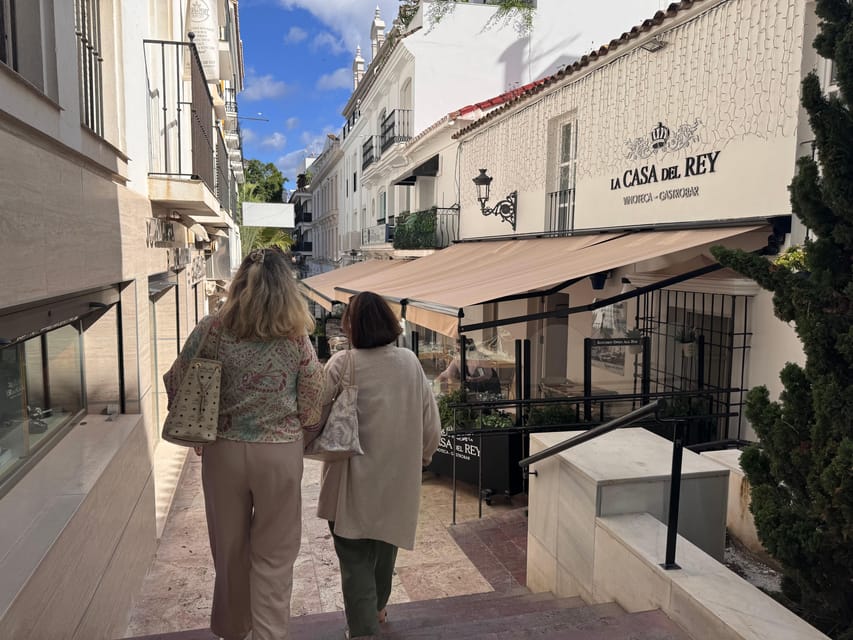
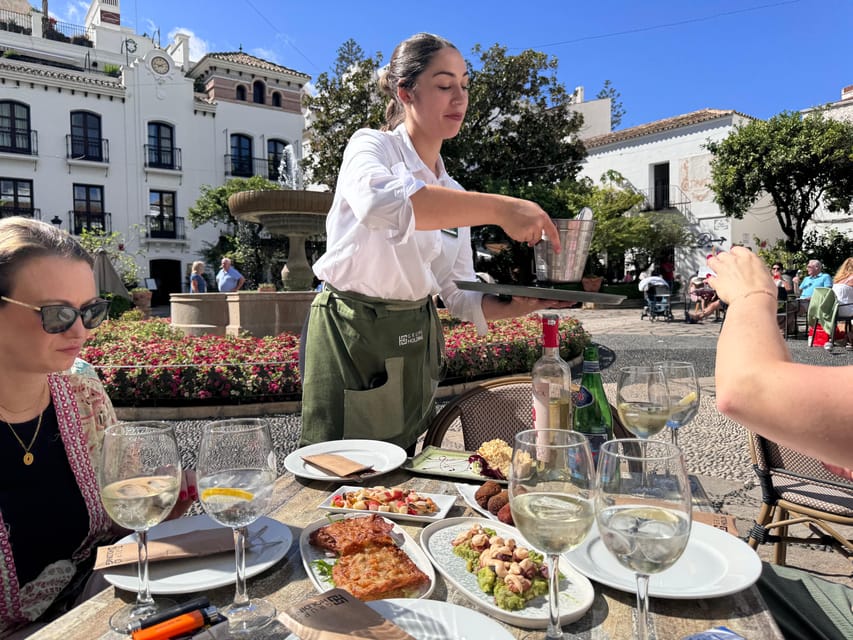
This is a tapas tour where drinks are part of the learning, not an afterthought. At multiple stops, you’ll enjoy selected Spanish wines or local drinks matched with the dishes. That pairing is a value boost because it removes guesswork. You’re not stuck wondering whether a particular wine is meant to go with something salty, acidic, or savory.
Even more helpful: the guide explains what each dish means. That can change how you eat in a practical way. You’ll start noticing flavors you might have otherwise missed. And you’ll get smarter about ordering later, because you’re not just remembering a taste—you’re remembering an idea.
I also appreciate the “small group” factor here. With up to 10 people, you’re more likely to get individual-level attention. If you have preferences—less wine, more water, or you want something specific—the guide can adjust without making it awkward.
And yes, the whole thing has a social side. Andalusian bar culture is built for conversation. The tour structure keeps you moving, but it still gives time to talk, ask questions, and learn how locals think about food.
If you’re nervous about trying new dishes, this tour’s format helps. You’re guided through tastings. That’s much easier than walking into an unfamiliar bar and trying to translate a menu while hungry.
Ending at Puerto Deportiva: Set Up Your Own Next Bite
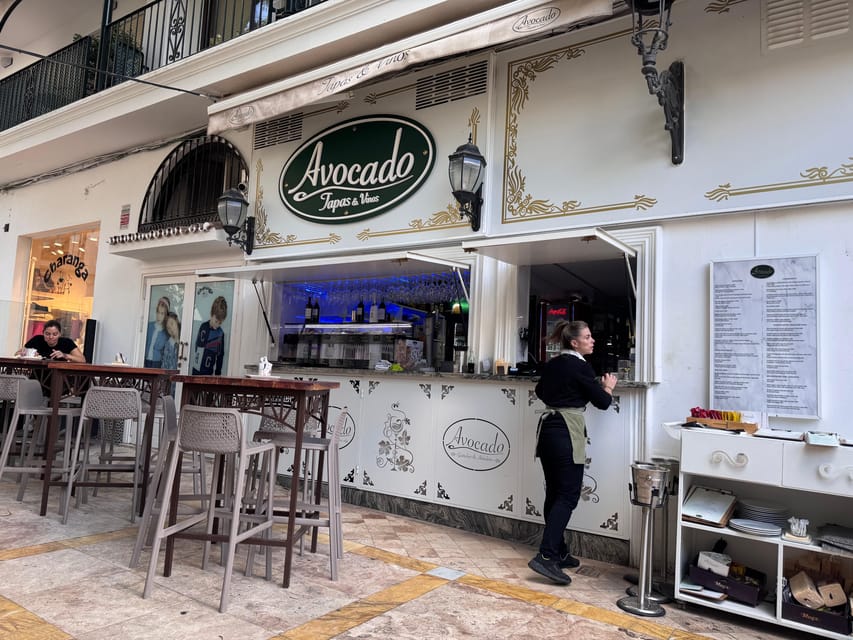
The tour finishes at Puerto Deportiva de Estepona, near the marina. That ending location is more than convenient. It’s a smart way to keep your evening from feeling cut off. You get to transition from guided tasting to open time.
After the tour, you’ll be in a good position to keep walking, grab a drink on your own terms, or look for something that matches the tastes you liked most. Because you were taught what dishes mean, you’ll have a better shot at ordering confidently.
One review even mentioned an extra sweet finish like ice cream toward the end. Even if that’s not guaranteed on every run, it’s a good sign that guides may sometimes leave room for a relaxed final moment. Treat it as a bonus, not a promise.
Also, reaching the marina zone helps you remember the route you took. Old town plus port plus marina is a logical loop. That makes it easier to return later and find your way without relying on a map app every five minutes.
Price and Value: Why $206 Can Make Sense
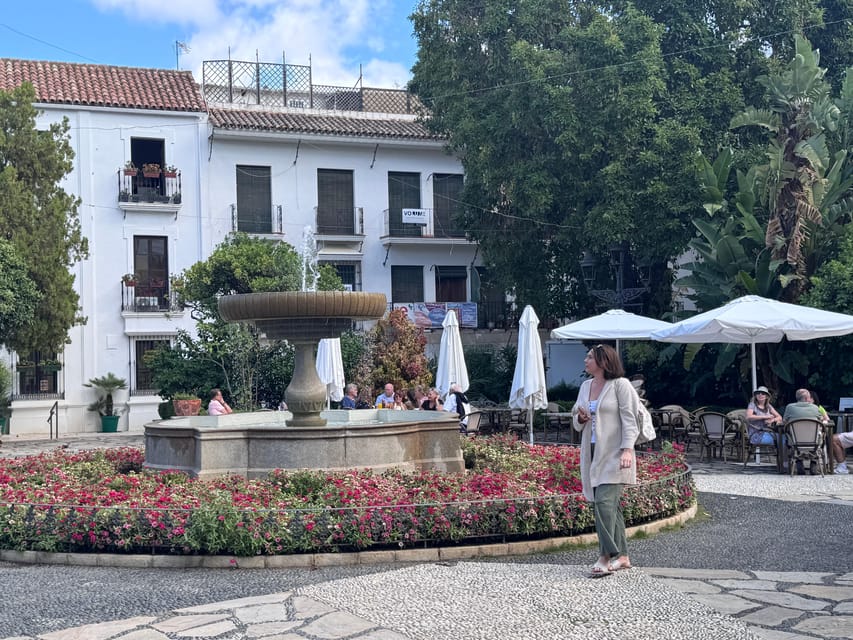
Let’s talk money. At $206 per person for about 3 hours, this isn’t a budget tapas crawl. You’re paying for three things that matter in real travel:
- A local guide who does the heavy lifting
You’re not just buying food. You’re buying explanation, routing, and context—plus help navigating the old town streets.
- Multiple tastings with drink pairing
Wine or local drinks matched to dishes is a real cost inside the total price. It’s also what makes the tasting coherent rather than random.
- A route you might not find on your own
People specifically noted that the guide showed them parts of old town they wouldn’t have found. That “future-proofing” value is real. You return later with confidence.
If you were planning to visit a few bars anyway, you’d spend time figuring out which places are best, what to order, and how much to drink. This tour compresses that effort into a guided experience.
Is it worth it for everyone? If you love food history and you’re the kind of person who enjoys being led, yes, the structure justifies the price. If you mainly want an unlimited wandering buffet, you might feel the cost more sharply.
The key is matching your expectations. This is curated sampling plus city storytelling.
Who Should Book This Estepona Tapas Tour (and Who Should Think Twice)
This tour fits best if you:
- want tapas bar culture with a local guide
- enjoy learning what dishes mean, not just eating them
- prefer a small group experience (up to 10) where questions are welcome
- want a walk that includes old streets and a port atmosphere
- like wine pairings or local drinks and want help choosing what works
Think twice if:
- you’re strictly seafood-focused and need lots of fish options
- you hate walking on cobblestones and prefer a mostly seated experience
- you’d rather spend your time picking your own bars without explanation
Good practical tip: bring your curiosity. Ask the guide about what’s most characteristic that day. Tapas menus change, and your best experience comes from engaging instead of just collecting plates.
The guides are offered in German, Spanish, English, and Italian, which makes communication easier and keeps the explanations actually useful.
If you’re traveling in a group and want everyone to feel included, the small-group size helps keep things from turning into a chore.
Should You Book It?
Yes, I think you should book this if you want an efficient, guided way to experience Estepona old town through food. The guide-led storytelling, the wine or local drink pairing, and the distinctive port stop tied to the Manuel Guerrero Gomez Poetry Trail are strong reasons to choose it over a solo tapas wander.
Skip it only if your number-one goal is seafood volume or you’re looking for a low-walk, low-structure meal. Otherwise, this is a smart way to get a real sense of Estepona in one evening, and leave with ideas you can use when you go back on your own.
FAQ
How long is the Estepona old town tapas tour?
The tour lasts 3 hours.
Where do I meet the guide?
You meet in Estepona Centro. The guide is waiting at the meeting point wearing a white cap.
Where does the tour end?
The tour ends at Puerto Deportiva de Estepona.
What’s included in the tour price?
It includes a local tour guide, city tour, tapas tasting, and drinks.
Are drinks included?
Yes. Drinks are included with the tastings.
Is transportation included?
No. Transportation is not included.
Is the group small?
Yes. The group is limited to 10 participants.
Is the tour wheelchair accessible?
Yes, the tour is wheelchair accessible.
What languages are available?
The live tour guide is available in German, Spanish, English, and Italian.
Can I cancel for a refund, or reserve without paying yet?
Free cancellation is available up to 24 hours in advance for a full refund, and you can reserve now and pay later.