REVIEW · SEVILLE
Seville Adventure: Historic Walking Tour & Traditional Tapas
Book on GetYourGuide →Operated by TopSegway · Bookable on GetYourGuide
Seville works best when you pair streets with stories, and this tour does both in 3 hours. I like the way the route connects Islamic influence to major sights, from mosques and archives to the Alcázar. I also love the payoff: tapas and drinks at spots that feel built for locals, not just checklists.
You’ll start near the Cathedral area and quickly move into the layers that made Seville. Expect guided stops around the Archivo de Indias, Alcaicería de la Seda, the Santa Cruz neighborhood, and then a final stretch that includes big photo moments like Setas de Sevilla and the skyline from the Metropolitan Mushroom.
One thing to plan for: entry tickets aren’t included, so if you want to go inside the most in-demand sites, you may pay extra on top of the tour price.
In This Review
- Key highlights worth marking on your map
- How the 3-hour Seville route keeps you moving (without feeling rushed)
- Meeting at Topsegway Federico Sánchez Bedoya 12: your warm-up before the history
- Plaza del Triunfo and the Cathedral area: where Seville’s power shifts get explained
- Puerta del Perdón and Alcaicería de la Seda: Islamic Seville in the street-level details
- El Salvador: the 9th-century Aljama Mosque area and an authentic abacería break
- Santa Catalina and mudéjar style: seeing the mix of Arabic and Christian design
- Setas de Sevilla and the Metropolitan Mushroom skyline: a modern view with old-city context
- Orange Tree Sevilla, Tobacco Factory, and Hotel Alfonso XIII: big landmarks, tight explanations
- Plaza de España and Parque de María Luisa: a classic Seville reset for photos and breathing room
- San Telmo Palace and Torre del Oro: river-side atmosphere and end-of-tour photos
- Price and value: why $79 can make sense in Seville
- Who this tour fits best
- Should you book Seville Adventure: Historic Walking Tour & Traditional Tapas?
- FAQ
- How long is the Seville walking tour with tapas?
- What is the price per person?
- What’s included in the tour price?
- Are entry tickets to sites included?
- Where do I meet for the tour?
- What languages is the live guide available in?
Key highlights worth marking on your map
- Moorish Seville in plain language: mosques, Islamic rule, and how the city shaped itself for centuries
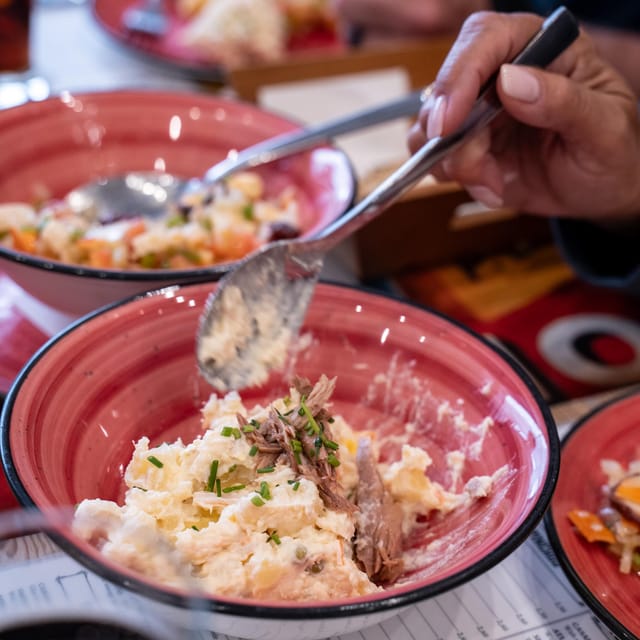
- Tapa time in historic tavern settings: a stop in El Salvador that’s known for an authentic abacería experience
- Mudéjar style at Santa Catalina: Arabic-Christian design mixing you can actually see
- Setas de Sevilla and skyline views: Seville’s modern landmark with old-city context
- Smart stay recommendations: guides like Zach and Marcio are praised for helping you plan what comes next
How the 3-hour Seville route keeps you moving (without feeling rushed)
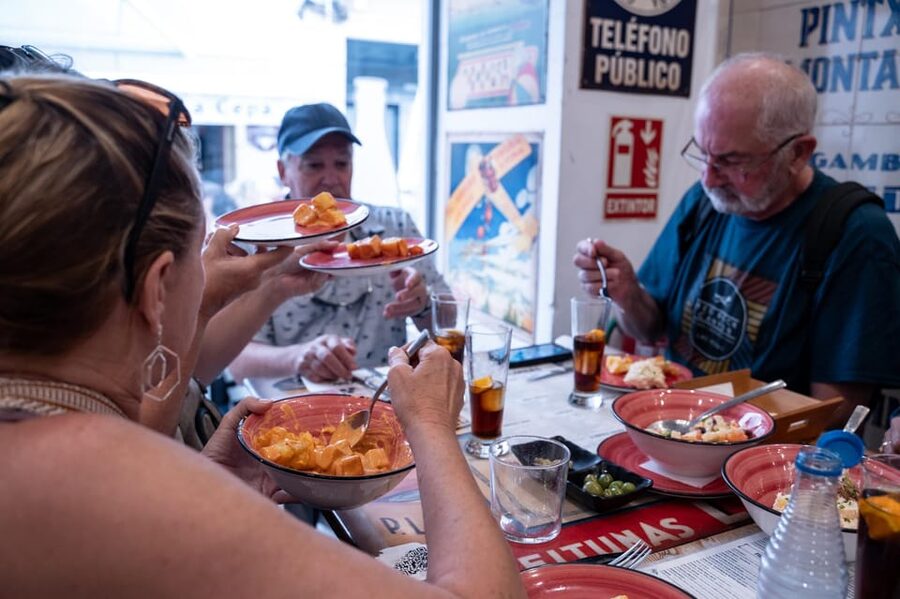
This is a short, guided tour that’s built for orientation and momentum. You walk through major zones, with a mix of quick passes and guided time at the most important points. At the end, you’re not just tired and photoblocked; you’ve got a mental map and ideas for where to eat and wander next.
The overall rhythm matters. You’ll do enough sightseeing that Seville starts to make sense, then you’ll get your tapas and drinks before the tour finishes. That pacing helps if your Seville days are packed, or if you want one “core” experience that anchors everything else.
Because the tour lasts 3 hours, shoes and stamina matter more than speed. I’d treat this as a walking tour with a history backbone, not a museum day where you stand still for long stretches.
You can also read our reviews of more tours and experiences in Seville.

Meeting at Topsegway Federico Sánchez Bedoya 12: your warm-up before the history
You meet at Calle Federico Sánchez Bedoya, 12, right by Topsegway (41001 Sevilla). Even if you arrive early, use that time to get oriented with the neighborhood around the Cathedral area. Seville streets can twist just enough to confuse you later, and early orientation is a real advantage.
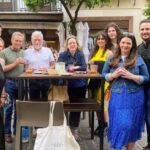
One nice part is the guide format. This is led by a live professional guide in English, Spanish, and French, so the tour stays practical instead of turning into a guessing game. Guides highlighted in past bookings, such as Zach and Marcio, are noted for being welcoming and for explaining history in a way that sticks.
If you’re the type who likes to ask questions mid-walk, this tour supports that. You’ll be standing in the right places to make your questions feel relevant, not hypothetical.
Plaza del Triunfo and the Cathedral area: where Seville’s power shifts get explained
The tour kicks off at Plaza del Triunfo by the Cathedral, where you’ll hear how the area ties to major institutions and earlier Islamic presence. This is where the tour starts doing something useful: it doesn’t just list monuments. It explains what changed, and why those changes mattered.
You’ll also learn about the Archivo de Indias in this phase. Think of it as a key to how empires kept records, moved information, and reinforced authority. For many visitors, that’s the invisible part of history. This tour puts the spotlight on it early, so later sights connect better.
From here, the story expands to the 12th-century main mosque and the larger context around the Alcázar. You’re not expected to become an expert. Instead, you get the kind of framework that helps you recognize why Seville looks the way it does: the city didn’t erase the past; it layered over it.
Puerta del Perdón and Alcaicería de la Seda: Islamic Seville in the street-level details
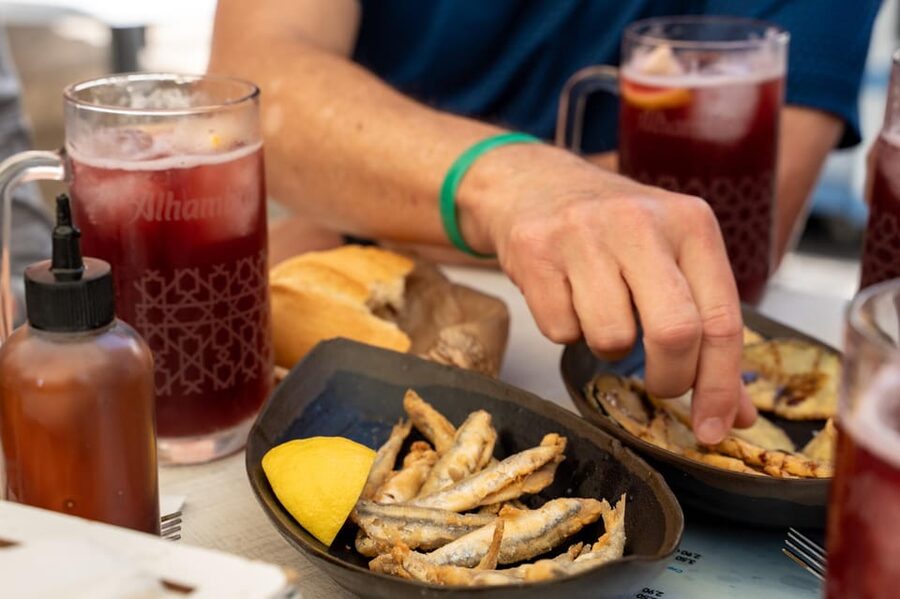
Next up is the Puerta del Perdón area and Alcaicería de la Seda, described as a 12th-century indoor Muslim market. This is a great stop for understanding how daily life worked. Markets were not just places to buy things; they were social hubs, economic engines, and a stage for cultural mix.
What I like here is the focus on lived experience. You’ll learn how citizens of Sevilla lived through 500 years of Islamic ruling. That timespan can sound abstract until you’re standing in a place that was designed for commerce, movement, and exchange.
Alcaicería de la Seda is also a reminder that you’re seeing architecture as a record of trade routes and craft traditions. Even if you don’t buy anything, you’ll start to see the city as a system, not a collection.
El Salvador: the 9th-century Aljama Mosque area and an authentic abacería break
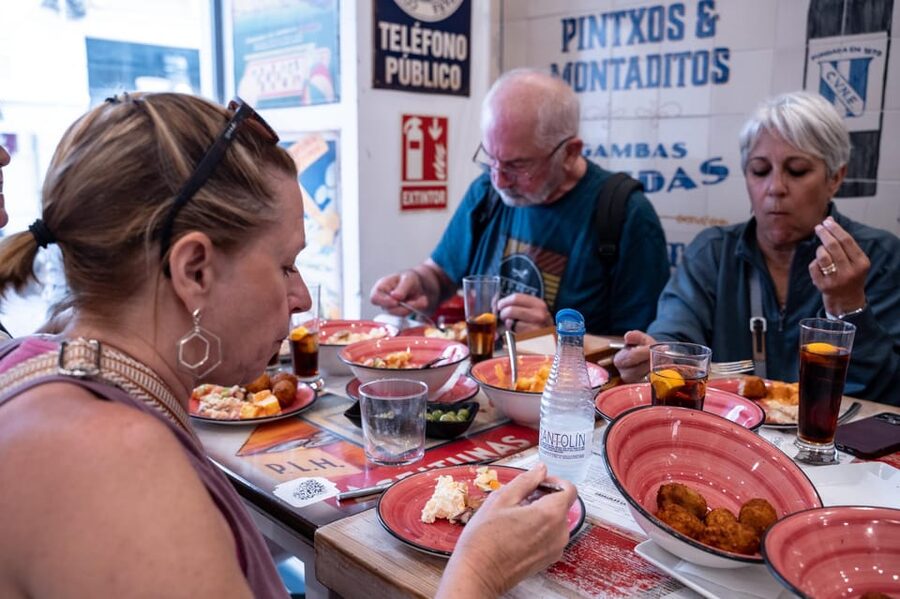
Then you head toward El Salvador, where the tour focuses on the 9th-century Aljama Mosque area and an original main dock from Roman times. This stop is one of the reasons the tour feels different from a typical “look at buildings” walk.
Why does the Roman dock matter? Because it links Seville to the bigger story of movement by water. If you’ve ever wondered why Seville grew where it did, this kind of detail helps answer it without a lecture.
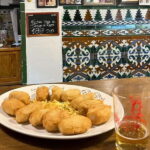
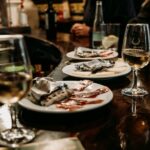
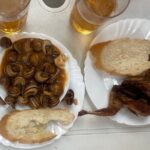
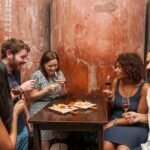
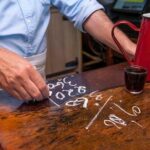
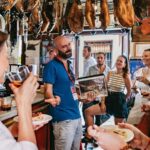
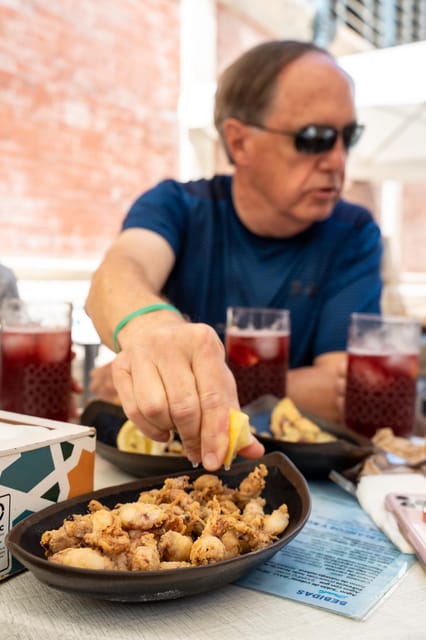
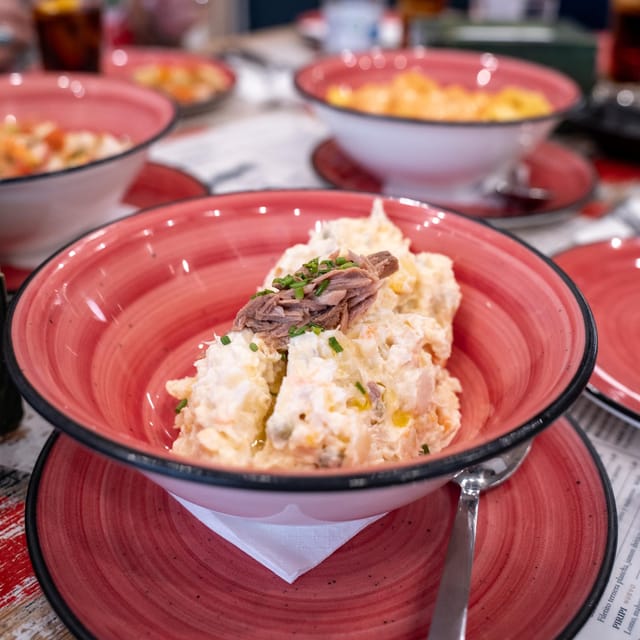
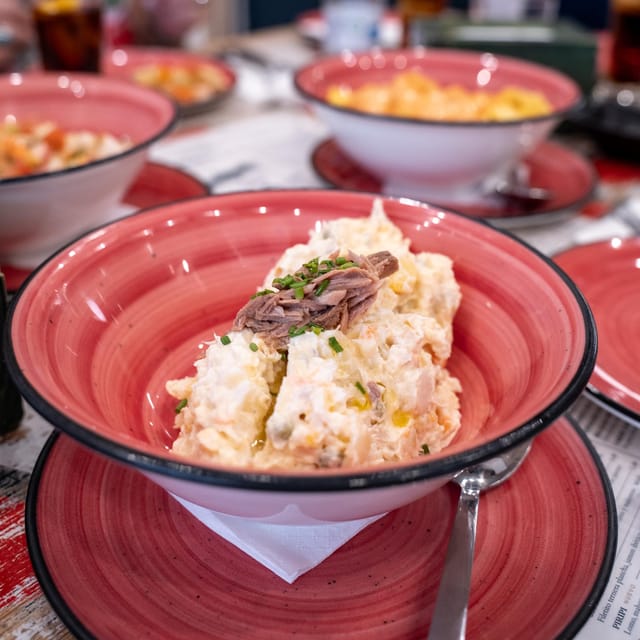
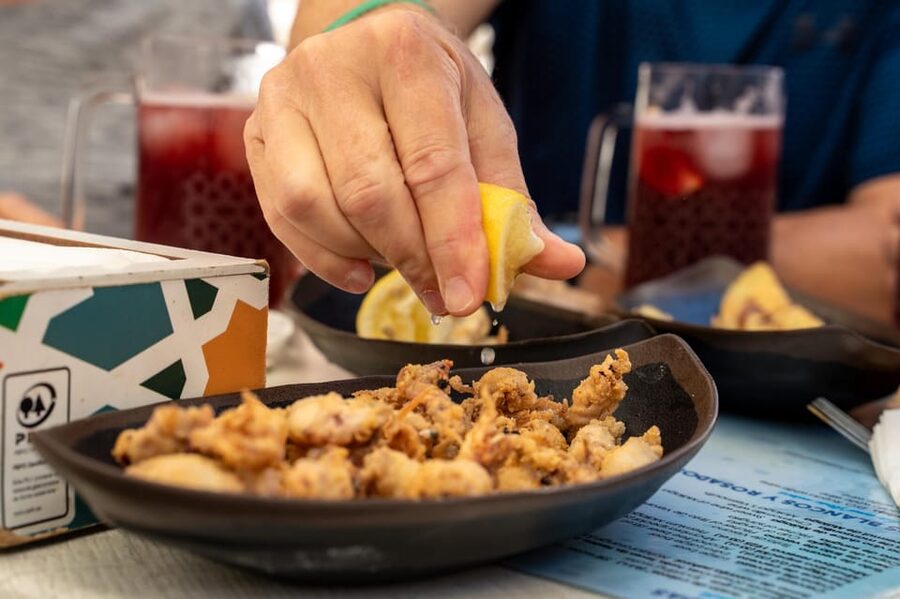
You also get a practical benefit: El Salvador is great for a tapa and a drink in an authentic abacería, described as an ancient tavern. This is where the tour stops being just educational and starts being enjoyable in a very Seville way.
A smart move for you here: let the guide suggest what to order at that stop. The value of the tour includes more than food. A good guide helps you avoid the tourist-menu trap and pick something local. Past experiences with guides like Marcio are specifically praised for helpful recommendations for the rest of the trip.

Santa Catalina and mudéjar style: seeing the mix of Arabic and Christian design
Before the final highlights, you’ll get to Santa Catalina, where the tour points out mudéjar. Mudéjar style is often described as a mix of Arabic and Christian influences, and the key is that you can actually see it in how buildings are shaped and decorated.
This is a stop I’d recommend even if you’re not a design nerd, because it changes how you look at what comes next. You start noticing patterns, shapes, and details that might otherwise pass as decoration.
The tour doesn’t just mention mudéjar; it uses Santa Catalina to help you understand how Seville carried multiple identities in the same built space. That’s one of the best ways to make history feel real.
Setas de Sevilla and the Metropolitan Mushroom skyline: a modern view with old-city context
Then you reach Setas de Sevilla, also known as the Metropolitan Mushroom. Even if you’ve seen photos, the view works best when you understand what you’re looking at. By the time you get here, you’ve already heard about mosques, markets, archives, and mudéjar. So the skyline stops being random scenery and becomes a map of layered time.
This is the kind of moment where a guide can do extra work. They can point out what’s near what, and explain how the city’s growth created the current layout. Even if your time for the view is short, you leave with a better sense of orientation.
For practical planning: plan to bring your best eyes, not just your phone. A quick scan of the horizon teaches you where the key neighborhoods sit relative to each other.
Orange Tree Sevilla, Tobacco Factory, and Hotel Alfonso XIII: big landmarks, tight explanations
The tour then moves through a string of major Seville landmarks with guided time and photo moments. You’ll visit Orange Tree Sevilla (with a guided stop), then pass through or stop near sites tied to Antigua Fábrica de Tabacos and the area around Hotel Alfonso XIII.
Even when the tour time is short at each place, it’s helpful. The goal isn’t to treat each building like a stand-alone destination. It’s to connect them to the city’s story of power, culture, and daily life.
If you love architecture, you’ll appreciate how the stops keep switching styles and eras. One minute you’re thinking about courtyards and gardens; the next you’re in the world of a landmark factory complex. That contrast is part of why Seville feels easy to remember later.
Drawback to keep in mind: this is not a slow, sit-down tour. If you’re the type who needs 45 minutes inside each major site to absorb it, you might feel a little “tour-speed.” Still, as an overview plus tapas plan, it’s efficient.
Plaza de España and Parque de María Luisa: a classic Seville reset for photos and breathing room
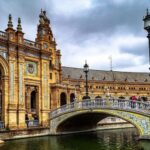
A major highlight comes with Plaza de España and Parque de María Luisa. You’ll have break time here for photos and to reset, then a guided look that helps you understand what you’re seeing.
This pair works as a palate cleanser after the heavier history stops. It also gives you time to slow down enough to notice details. Seville’s beauty is not just in big monuments; it’s in how spaces guide you—where you stand, how the view lines up, and how the paths lead you through.
If you’re traveling with limited time, this is one of the most efficient ways to get the postcard Seville you expect, without losing the historical thread you started with.
San Telmo Palace and Torre del Oro: river-side atmosphere and end-of-tour photos
You’ll also hit San Telmo Palace for a photo stop with guided time and then a final stretch that includes Torre del Oro. The tower stop is short, but it’s timed well because it’s near the end of your tour, when you’re already feeling the rhythm of the city.
The practical value here is that you end with recognizable landmarks that help you plan the rest of your day. After a tour like this, I like being able to answer: Where am I? What direction am I walking tomorrow? These river-side markers help you do that.
Price and value: why $79 can make sense in Seville
The price is $79 per person for about 3 hours, and it includes a guided tour plus tapas and drinks. Entry tickets to sites are not included.
Here’s how I’d think about value. If you’re planning to visit multiple major sights on your own, the guide portion can save time and mental effort. You’re getting context at the right moments, which helps you enjoy sites more instead of just passing by.
The other part is the food. In a city where you can spend €20-€40 easily on a casual dinner, bundling tapas and drinks into a short tour can feel like a fair trade. It’s not fine dining pricing; it’s practical Seville sampling at the right time in the day.
If you already know you’ll buy tickets for the Alcázar and other big interior sites, budget extra for admissions. That keeps your expectations realistic and prevents the tour from feeling “expensive” when the cost is really split between guided context and separate site entry.
Who this tour fits best
This experience fits well if you want:
- A fast way to understand Moorish influence and mudéjar design without reading a 300-page guidebook
- A guided food stop where the tapas timing lands naturally
- Clear recommendations for what to do after you finish (guides such as Zach and Marcio have been praised for helping guests plan the next leg)
It may not fit if you need:
- Long indoor time in major sites (since the tour is built around guided walk-throughs and passes)
- A family format for kids (it’s not suitable for children under 12)
- A comfort-first schedule for pregnancy (it’s not suitable for pregnant women)
Also note: it’s wheelchair accessible, which is a meaningful advantage when you’re planning Seville walks.
Should you book Seville Adventure: Historic Walking Tour & Traditional Tapas?
If your Seville trip is short or you want one structured experience that gives you context fast, I think this is an easy yes. You get a guided look at Islamic-era layers, mudéjar style, and major Seville icons, and you finish with tapas and drinks in the middle of the story, not tacked on at the end.
I’d hesitate only if you’re expecting included entry tickets to all major sites. If you plan your day knowing you’ll likely buy separate admissions for the big interior attractions, the tour becomes a smart way to make those tickets more meaningful.
And if you like guides who can explain history in real places, pay attention to the guide quality. Experiences with Zach and Marcio come up for a reason: the best part isn’t only the places; it’s how the guide turns them into a map you can use for the rest of your stay.
FAQ
How long is the Seville walking tour with tapas?
The tour duration is 3 hours.
What is the price per person?
It costs $79 per person.
What’s included in the tour price?
The tour includes a guided tour plus tapas and drinks.
Are entry tickets to sites included?
No. Entry tickets to sites are not included.
Where do I meet for the tour?
The meeting point is Topsegway Federico Sánchez Bedoya 12, 41001 Sevilla.
What languages is the live guide available in?
The live guide is available in English, Spanish, and French.