REVIEW · SEVILLE
Seville: Andalusian Tapas Class
Book on GetYourGuide →Operated by Taller Andaluz de Cocina -Cooking School · Bookable on GetYourGuide
Tapas class can sound like a neat night out. This one actually teaches you how the flavors get built, right inside Triana Market, while you prepare 4 traditional tapas and then eat them as dinner.
What I like most is the way it’s run like real cooking, not a demo—there’s hands-on cooking with a chef guiding you step by step, and it’s delivered in English so you can follow the why, not just the what. There’s also a relaxed tone that makes it easy to chat, including with hosts like Dominique and Noelia, without turning the whole thing into a lecture.
One thing to consider: if you’re the type who wants your hands on every single step nonstop, you might feel like you’re taking turns a bit. The upside is you still leave with practical tips, and the final meal is genuinely satisfying.
In This Review
- Key highlights to look for
- Triana Market Is the Secret Sauce Behind This Class
- The 3.5-Hour Flow: How Your Evening Turns Into Real Dinner
- What You’ll Cook: The Andalusian Tapas Lineup (Seasonal Choices)
- Cold and bright: Salmorejo or Gazpacho
- The comfort classic: Spanish Omelet (Tortilla Española)
- Greens with garlic: Spinach on Garlic Toast
- Eggs, spice, and sauce: Huevos a la Flamenca
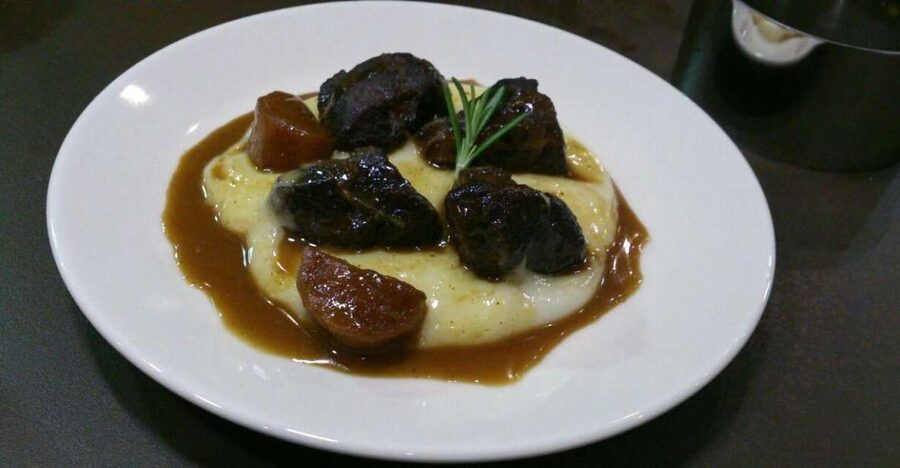
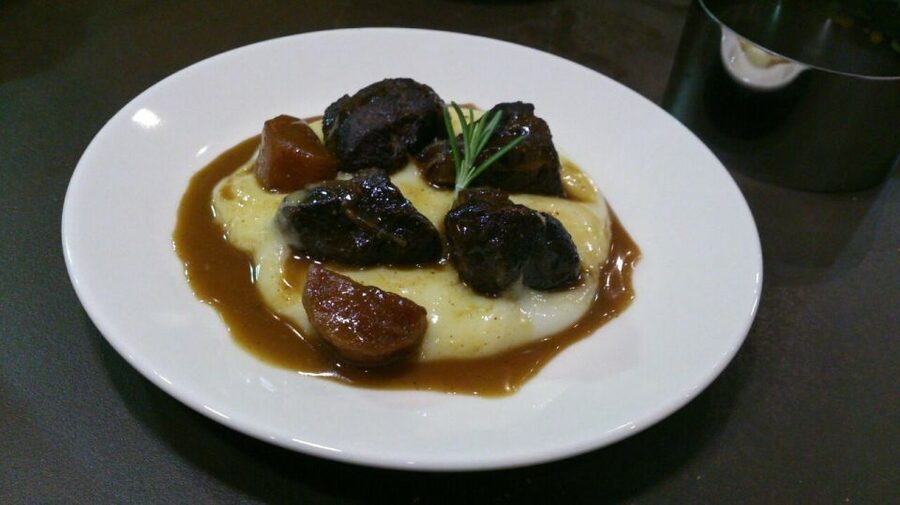
- Slow and hearty: Iberian Pork Cheeks Stew
- Seafood in Andalusian style: Codfish Options
- Garlic oil and big flavor: Shrimps in Garlic Oil
- Hands-On Cooking Without the Stress: What Participation Really Looks Like
- Sangria, Olives, and Dessert Wine: Turning a Class Into a Proper Meal
- All the Take-Home Value: Written Recipes and Real Tips
- Price and Value for a Seville Food Class
- Who Should Book This Tapas Class (and Who Might Skip It)
- Should You Book? My Simple Decision Guide
- FAQ
- Where is the meeting point for the Seville Tapas Class?
- How long is the class?
- How many tapas will I cook?
- Is the class taught in English?
- What drinks are included?
- Are ingredients and cooking tools provided?
- Can the menu be adapted for dietary restrictions or allergies?
- What’s the cancellation window?
- Can I reserve without paying right away?
Key highlights to look for
- Market-to-plate ingredients: Fresh, seasonal produce from inside Triana Market.
- Chef-led, English instruction: You can ask questions and learn the logic behind techniques.
- 4 tapas become your dinner: You prepare them, then sit down to eat what you made.
- Drinks that match the meal: Sangria during cooking, plus extra drinks and a sweet dessert wine at the end.
- Seasonal menu flexibility: You’ll cook items chosen from a classic Andalusian lineup.
- Dietary adjustments available: Recipes can be adapted if you tell the operator in advance.
Triana Market Is the Secret Sauce Behind This Class
Seville’s tapas scene is famous for being casual and social, but this class adds something important: it starts where the ingredients actually live. You meet at Triana Market (Plaza del Altozano, stalls 75–77), then you’re working in a kitchen context where fresh, seasonal ingredients matter. That changes how the food tastes, and it changes how much you understand what you’re doing.
I also like that the school is set up for guests at different skill levels. The goal isn’t to test you; it’s to help you learn. Whether you’re a confident home cook or someone who usually orders tapas instead of making them, the chef-led structure keeps you moving without making you feel out of place.
Another smart detail: everything you need is provided. Ingredients and utensils come from the school, and you get an apron. That means you can focus on the cooking skills—chopping, timing, seasoning, frying, and building sauces—without the stress of gathering supplies or translating vague directions.
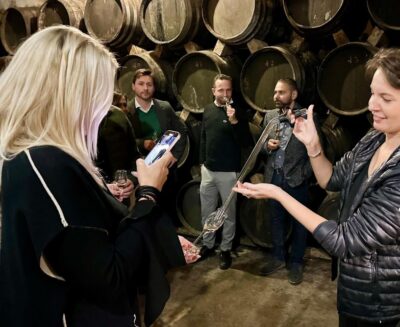
And the atmosphere? It’s not stiff. In past sessions, the hosts (like Dominique and Noelia, and also Mayte in other groups) kept the room friendly and gave people space to talk. That matters in a class like this, because you’ll remember techniques better when you’re comfortable enough to ask follow-up questions.
You can also read our reviews of more tours and experiences in Seville.



The 3.5-Hour Flow: How Your Evening Turns Into Real Dinner
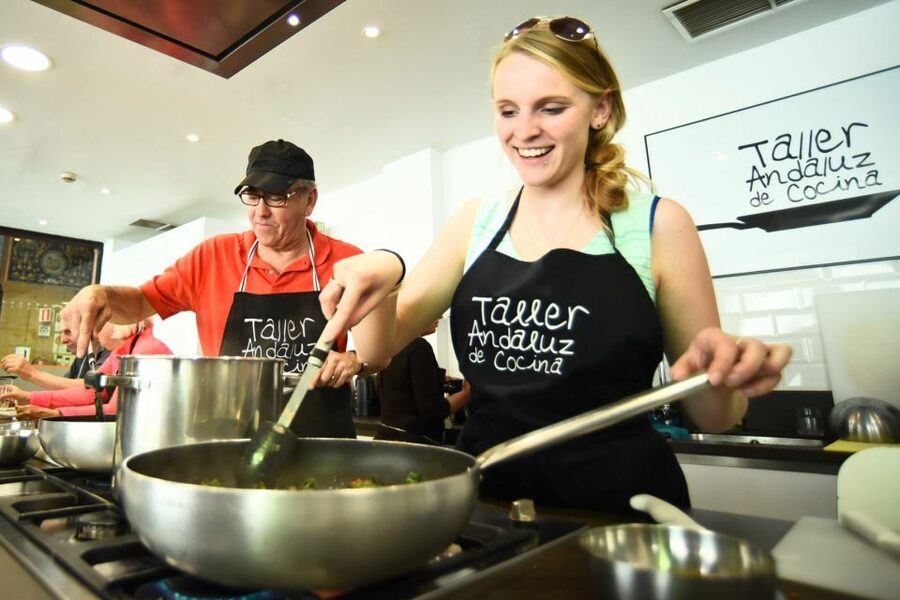
This is a compact class—3.5 hours—so it feels like an evening, not a half-day project. Once you arrive at Triana Market, the pace is organized around making four tapas, then finishing with wine and dessert wine.
Here’s the typical rhythm:
- You start cooking with a guided intro, and you’ll have sangria while you work.
- You build four tapas one at a time, with the chef explaining each stage and then guiding you through what to do next.
- During the cooking time, table olives are served as well, which helps keep the energy high while you wait for things to cook.
- At the end, you sit down and eat everything you made, along with up to two additional drinks (Spanish wine, beer, or soft drinks depending on what’s being offered).
- Finally, there’s a local dessert wine to close the meal.
The best part is that you don’t just taste a couple bites. You eat what you cooked, as an actual dinner. One review specifically called out that the meal was more than enough to serve as their evening food, and I think that’s the right expectation to have here.
If you have limited time in Seville (and who doesn’t), this setup is a strong choice. You get a skill-building class and a full meal in one block.
What You’ll Cook: The Andalusian Tapas Lineup (Seasonal Choices)
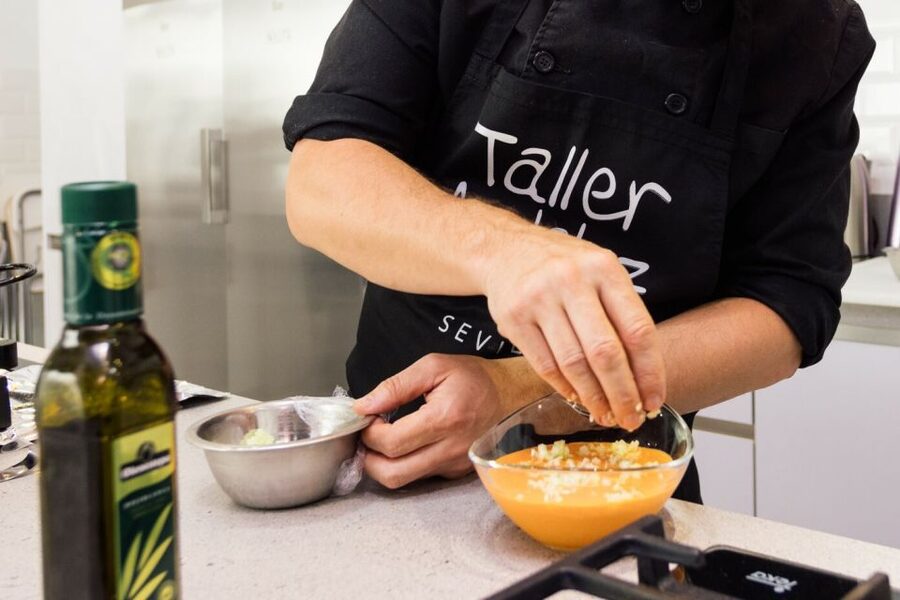
You’ll prepare 4 traditional tapas, picked from a classic set depending on the season. From the options offered, here’s what each one teaches you and what to expect from the flavors.
Cold and bright: Salmorejo or Gazpacho
You may do salmorejo or gazpacho, both Andalusian favorites served cold. Salmorejo tends to be thicker and silkier, while gazpacho is lighter and more drinkable. Either way, you’ll learn how the base is built—balancing tomatoes, bread (in salmorejo), olive oil, and seasoning—so it tastes like it has depth, not just acidity.
The comfort classic: Spanish Omelet (Tortilla Española)
Another possible tapa is the Spanish omelet. This one looks simple, but technique is everything: you’re aiming for tender, not browned into dryness. You’ll practice the rhythm of cooking potatoes (and onions if included) so the egg sets evenly.



Greens with garlic: Spinach on Garlic Toast
You may also cook spinach on garlic toast. This teaches you how to treat quick-cooking greens—keeping them vibrant rather than overcooked—and how garlic can taste sweet and mellow when handled right, instead of harsh.
Eggs, spice, and sauce: Huevos a la Flamenca
Huevos a la flamenca is a recognizable Andalusian comfort dish: eggs in a flavorful sauce, often with pepper and a spicy tomato base. Even if you’ve had it before, a class version helps you see the sauce logic—how the flavors concentrate as it simmers and how you get the eggs cooked in a controlled way.
Slow and hearty: Iberian Pork Cheeks Stew
If the menu includes it, you’ll likely get a heartier dish like Iberian pork cheeks stew. This is the “let it simmer and trust the process” tapa. It teaches you patience with braises and how richness comes from time, not shortcuts.
Seafood in Andalusian style: Codfish Options
You might do codfish in batter or codfish croquettes. Either way, you’ll learn about texture: the batter needs correct oil temperature for crispness, and croquettes teach you how a creamy filling holds shape and fries without turning greasy.
Garlic oil and big flavor: Shrimps in Garlic Oil
Finally, you may cook shrimp cooked in garlic oil (often with chili). This tapa is where timing matters: garlic goes from fragrant to burned quickly. You’ll see how a simple sauce becomes a star when it’s cooked in short bursts with attention.
Because the menu rotates by season, don’t worry about missing a specific dish. Think of this class as learning the core toolkit across categories—cold starters, egg dishes, hearty braises, and fried or sautéed mains.
Hands-On Cooking Without the Stress: What Participation Really Looks Like
This is a hands-on class, but it’s not the “every minute is you at the stove” fantasy. In practice, you’ll rotate tasks as different tapas need different timing. That keeps the group moving and helps everyone get a fair shot at key steps.
Still, the chef guidance is very real. The atmosphere has been described as relaxed, and that’s important because it makes it easier to focus on technique. In one group, the chef/teacher Leo looked after guests closely, and in another, Dominique and Noelia were friendly and made room for socializing.
So what should you watch for as you cook?
- Seasoning cues: You’ll learn when to taste and adjust rather than following a rigid recipe blindly.
- Texture targets: Crispy batter, set-but-tender omelet, not-rubbery seafood, and sauce thickness.
- Timing: Garlic, frying, and egg cooking all reward close attention.
- Team workflow: If you’re not doing the final step, you’ll likely be helping prep or timing the next action.
If you’re nervous about cooking in public, don’t be. Everything is provided, and the structure is designed for novice-to-experienced cooks. Your win here isn’t showing off. It’s leaving with repeatable methods you can use at home.
Sangria, Olives, and Dessert Wine: Turning a Class Into a Proper Meal
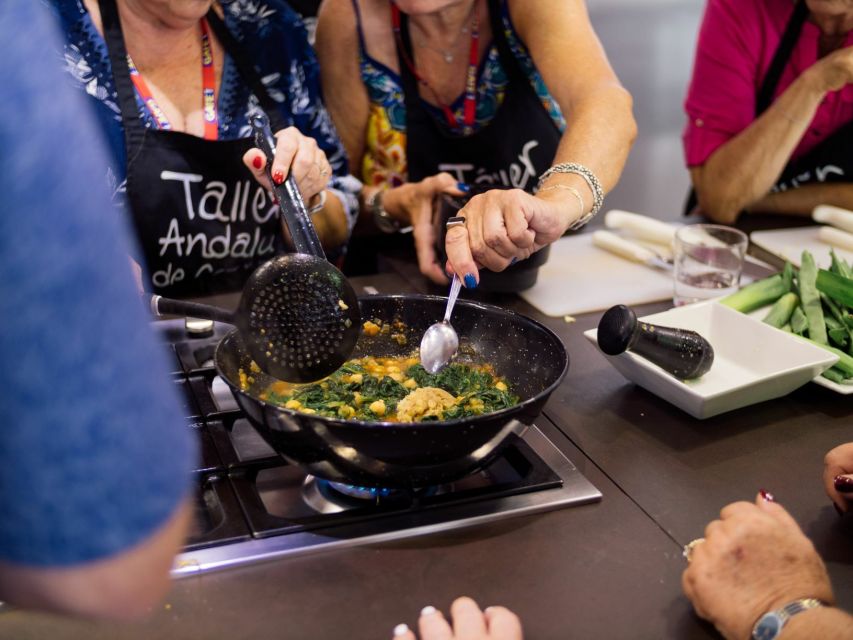
Tapas are supposed to be a meal that flows. This class handles that well because it treats drinks as part of the experience, not an afterthought.
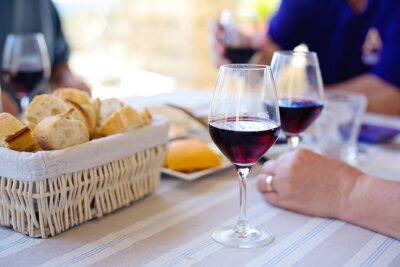
During cooking, you’ll have sangria and table olives. That keeps the mood easy while you’re moving around the kitchen. It also gives you a chance to taste the pace of the evening—since some tapas need waiting time (like stews or egg dishes in sauce).
Then, when you sit down to eat, you get up to two extra drinks with your meal. The options noted include Spanish wine, beer, or soft drinks. That’s a practical touch because not everyone wants alcohol for every course.
And to finish? There’s a local sweet dessert wine. In Seville, that kind of ending fits the rhythm of tapas culture: something small and memorable after the main flavors.
If you’re thinking of skipping dinner plans to do something “quick,” this is one of the better choices. The meal portion is set up to be enough for your evening, not just a tasting.
All the Take-Home Value: Written Recipes and Real Tips
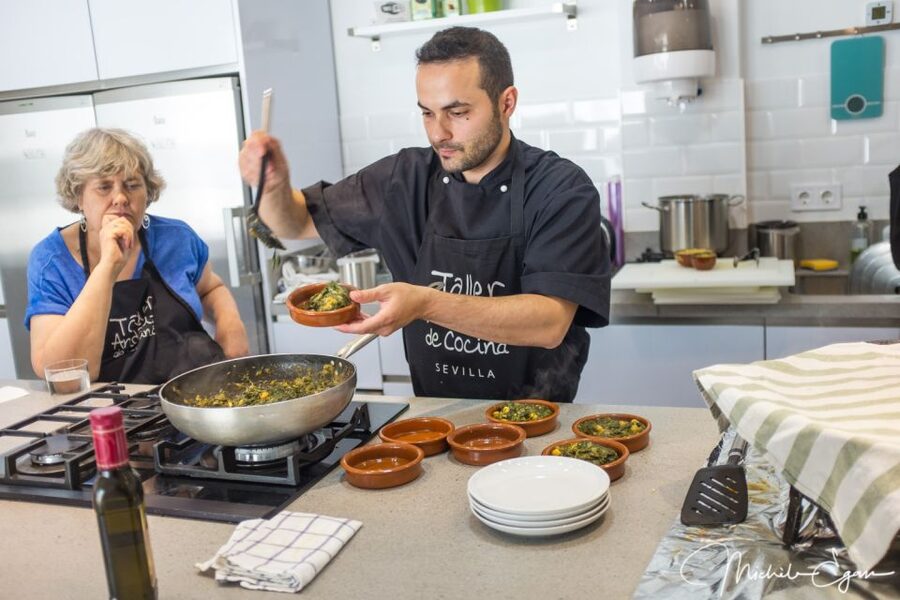
Many cooking classes leave you with a vague sense of I enjoyed it. This one gives you more. You’ll get written recipes after the class, plus lots of tips that you can use at home.
That matters because tapas cooking is about technique details—how you build a sauce, how you manage heat, and how you keep textures right. When you have the recipes in writing, you can repeat it later instead of guessing your way through the next attempt.
Also, since the ingredients are fresh and seasonal, you’ll be better equipped to adapt at home. When tomatoes taste different, or your spinach has a different bite, you’ll know what to look for: thickness, seasoning balance, and texture.
One more practical point: recipes can be adapted to any dietary restriction. The key is communication—tell the operator in advance if you have allergies or intolerance or another restriction. That way, you’re not stuck hoping for a last-minute fix.
Price and Value for a Seville Food Class
The class costs $88 per person for about 3.5 hours. On the surface, that’s not “cheap,” but when you break it down, the value is clearer.
What you’re getting includes:
- Ingredients and utensils provided (so no extra shopping bill)
- An apron
- Four tapas that you cook and then eat
- Sangria during cooking
- Two additional drinks with your meal
- A final dessert wine
- Written recipes and cooking tips
- A professionally trained chef teaching in English
For me, the strongest value driver is that it’s not just a tasting. You’re learning how to make the food, then consuming it as an actual dinner. Add in the market-based sourcing and the chef guidance in English, and the price starts looking like what it really is: an organized evening of hands-on cooking plus a full meal.
Also, the reported experience level seems to match the cost. Reviews mention excellent value and a relaxed atmosphere where people learned genuinely useful dishes.
Who Should Book This Tapas Class (and Who Might Skip It)
You should book this class if you want:
- a hands-on Seville experience that ends with a full sit-down meal
- tapas that feel authentic because the ingredients are fresh and seasonal
- a chef-led lesson in English, so you can understand what’s happening, not just copy moves
- a relaxed environment where you can chat while you cook
You might skip it if:
- you want a very quiet, strictly formal cooking session with no social component
- you’re expecting constant, unbroken one-person-at-a-time cooking with no rotation (you’ll participate, but tasks can rotate)
It also works well for couples, friends, and food-focused travelers who want to eat well without trying to schedule multiple restaurant stops.
Should You Book? My Simple Decision Guide
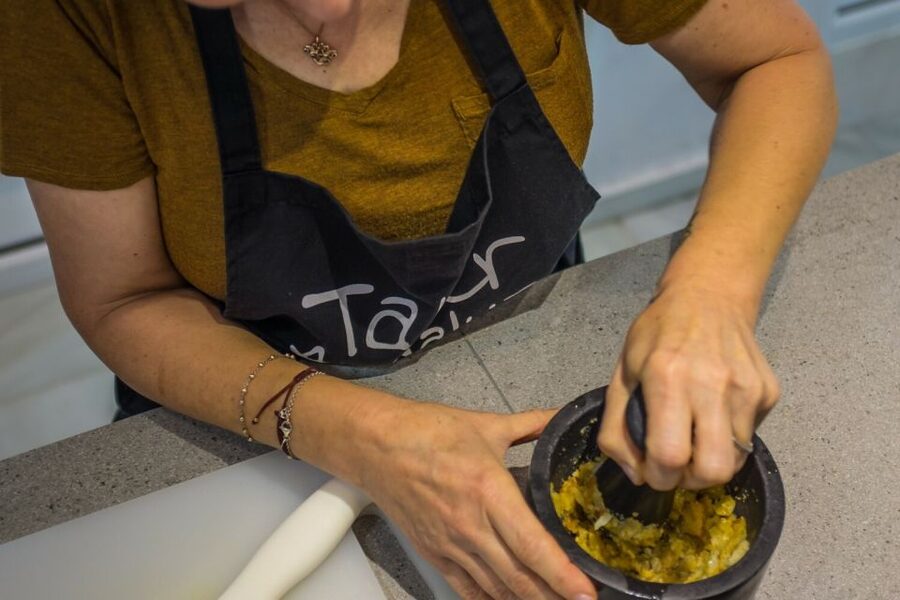
Book it if you want a single, focused evening that gives you skills, ingredients, and dinner in one package. The Triana Market setting, the chef-led cooking, and the fact that you’ll eat what you cook make it a good use of time in Seville.
Skip it only if you’re set on a restaurant-style tapas crawl and don’t care about learning the techniques. Otherwise, for most people, this is one of the most satisfying ways to understand what tapas means in Andalusia: small portions, big flavor, and a rhythm you can recreate.
If you do book, plan to arrive ready to cook. Keep an eye on what the chef is doing with heat and timing. Then take the written recipes home and run your own tapas night when you’re back—Seville will follow you home on a spoon.
FAQ
Where is the meeting point for the Seville Tapas Class?
You meet at Triana Market on Plaza del Altozano, stalls 75–77.
How long is the class?
The class lasts 3.5 hours.
How many tapas will I cook?
You’ll prepare 4 traditional tapas, and then you eat the tapas you made.
Is the class taught in English?
Yes. The chef instructs in English.
What drinks are included?
You’ll have sangria during the cooking time, table olives are served during class, and at the end you’ll have up to two extra drinks with your meal, plus a local sweet dessert wine.
Are ingredients and cooking tools provided?
Yes. The school provides all ingredients and utensils, and you’ll also receive an apron.
Can the menu be adapted for dietary restrictions or allergies?
Yes. Recipes can be adapted to dietary restrictions, but you should inform the tour operator in advance if anyone has allergies, intolerance, or restrictions.
What’s the cancellation window?
You can cancel up to 24 hours in advance for a full refund.
Can I reserve without paying right away?
Yes. There’s an option to reserve now and pay later.