REVIEW · SEVILLE
Seville Ultimate Food Tour
Book on GetYourGuide →Operated by Devour Tours · Bookable on GetYourGuide
Your morning in Seville starts with ham. On this 3-hour walking tour, you get moving through classic spots and end up eating your way through Seville with stops built around real local habits, from market mornings to bar culture. I love the live Iberian ham carving moment and how the tour sends you to churros and hot chocolate at a long-running bar.
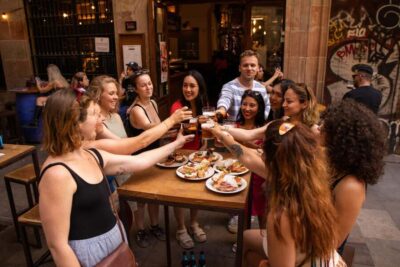
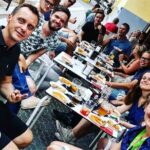
The group stays small (up to 12), so you’re not just herded from plate to plate. One of the nicest parts is that you’re tasting with context—Seville’s food doesn’t show up as random snacks, it shows up as daily life.
One thing to consider: you’ll spend a lot of time on your feet. The walk is about 3.5 km / 2.15 miles, and it’s not suitable for wheelchair users or people with mobility impairments.
In This Review
- Key highlights you’ll actually care about
- Mercado mornings at Plaza de la Encarnación: where the tour gets its rhythm
- Iberian ham carving: more than a photo moment
- Las Setas de Sevilla area: stretching your legs without turning it into sightseeing homework
- Churros and hot chocolate at a 100-year-old bar
- Santa Cruz and the convent cookies: a different side of Seville
- Holy Week tapas bar stories and the vermouth pairing
- Fried fish and adobo marinade: April Fair flavors by the Guadalquivir
- Manzanilla to finish near Plaza Nueva
- Price and value: what $81 buys you in real eating time
- Pacing, weather, and how to make the walk feel easy
- Diets, allergies, and what you should confirm before you go
- Who should book, and who should skip this style of tour
- If you want the best guide experience, here’s what to look for
- Should you book the Seville Ultimate Food Tour?
- FAQ
- Where does the tour start?
- How long is the Seville Ultimate Food Tour?
- How many tastings and drinks are included?
- Is the tour in English?
- How much walking is involved?
- Can the tour accommodate vegetarians or pescatarians?
- Are there gluten-free and dairy-free options?
- Is it suitable for vegans or people with celiac disease?
Key highlights you’ll actually care about
- Live Iberian ham carving in the market
- Churros + hot chocolate at a 100-year-old bar
- Convent stop for the nuns’ cookies
- Two tapas paired with vermouth, with Holy Week stories and photos
- Fried fish with adobo marinade served by a father-and-son team
- Finish with manzanilla wine near Plaza Nueva
Mercado mornings at Plaza de la Encarnación: where the tour gets its rhythm
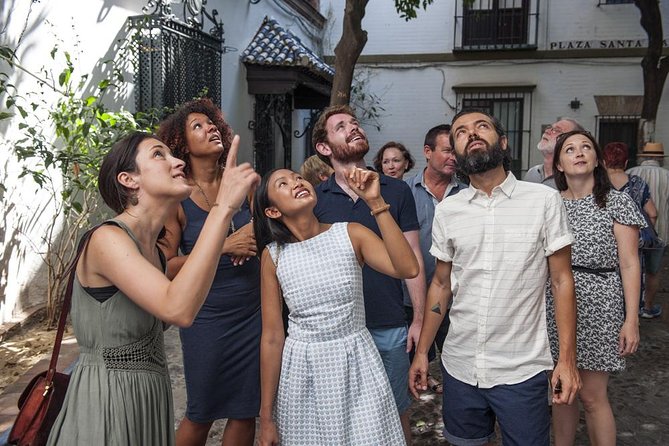
Seville eats early. That’s the first thing you feel when you start at Mercado de la Encarnación, right by Metropol Parasol (Las Setas de Sevilla). The meeting point is in front of the big wooden structure area, near the Tobacco station side—your guide will be holding a red bag or a Devour Tours sign.
Once you’re grouped up, the tour moves fast in the best way. You head into a market scene that feels like a normal Tuesday for locals, not a staged “tour market.” You’ll watch shoppers doing their daily rounds, then you’ll slow down for the part that makes Seville food touring worth it: you’re learning what to look for, not just what to taste.
This stop matters because it changes how you experience everything else. You start to recognize the rhythm of the city: fresh, seasonal, and often bought in smaller batches—because the market is the plan, not an extra.
You can also read our reviews of more tours and experiences in Seville.
Iberian ham carving: more than a photo moment
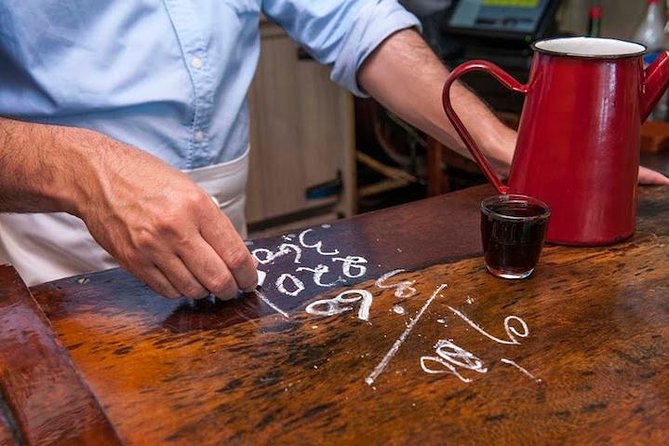
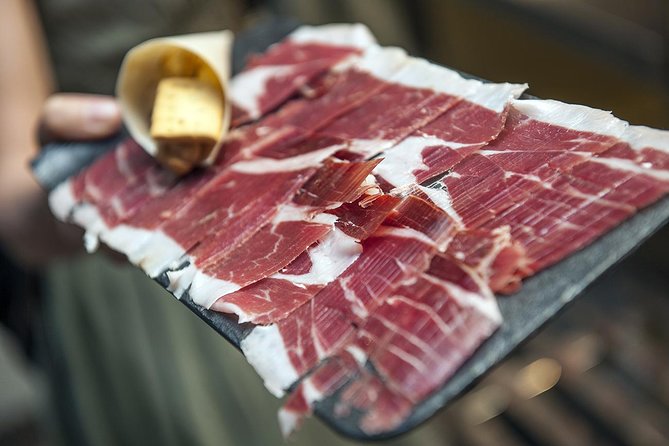
In the market area, you get the kind of moment you don’t forget: someone expertly carving Iberian ham. It’s not just a “try a bite” stop. You watch the process closely—how the slices come off, how the texture looks and changes as it gets thinner.
Then you get to taste a few slices. Even if you think you already know ham, this one reframes it. Iberian ham isn’t just salty meat; it’s a flavor and aroma you notice more when you’re close to the action. You also get a sense of why it’s so central to Spanish bar culture—this is the raw material behind a lot of what you’ll eat later.
A small bonus: ham-focused stops tend to be guided well because there’s a lot to explain—so if your guide is strong, this part can feel like a mini lesson you enjoy.
Las Setas de Sevilla area: stretching your legs without turning it into sightseeing homework
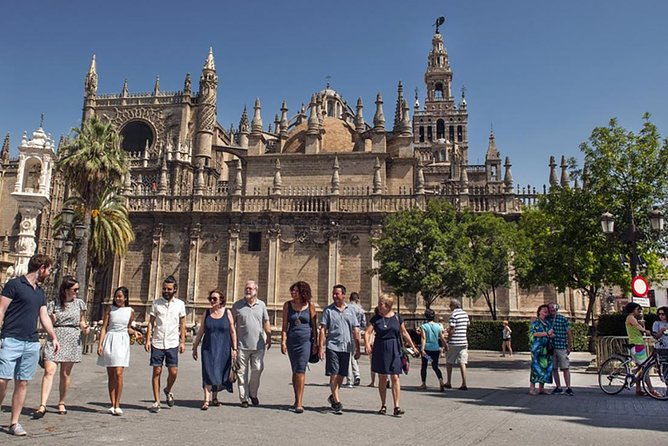
After the market, you transition through the Las Setas de Sevilla area and keep moving on foot. This is where the tour finds a useful balance: you get your bearings in central Seville, but you’re not sent on a long detour to see a landmark you can just photograph.
The tour pacing here is practical. You’re walking steadily, with enough short pauses to eat and reset. The total distance is about 3.5 km, and you’ll feel it—comfort matters. You’re standing, tasting, and walking the city streets, not bouncing between stops on a bus.
If you’re the type who likes “useful walking,” this part will feel like a win. If you prefer low-footprint tours, you’ll probably want something with more seating.
Churros and hot chocolate at a 100-year-old bar
Next up: churros. But not churros-and-donut-shop energy. You’re taken to a bar with a long local history—described as a 100-year-old place—where the churros are made freshly.
You’ll get the churros plus a cup of hot chocolate, and the combo is the whole point. In Seville, this is a morning treat that works because the texture and temperature are dialed in. You’re not eating a sweet afterthought; you’re having a comfort staple that locals take seriously.
This stop is also a good “social reset.” You’re warm, you’re eating something familiar, and you’re still in the flow of the tour. One reason people rate this tour highly is exactly this kind of start-to-finish variety: salty, then sweet, then salty again.
Santa Cruz and the convent cookies: a different side of Seville
After churros, the tour moves toward Santa Cruz, and then you step into a sacred convent. This is where the experience turns from food shopping to cultural texture.
You meet nuns who bake cookies every day, and you try the cookies they make. It’s a quiet stop compared to the bar moments. You’ll notice how different the atmosphere feels—less street noise, more stillness—while food remains the bridge.
Why this matters: it reminds you that Seville’s eating culture isn’t only about bars and markets. There’s a tradition of hospitality and routine that also shapes what people eat and how communities support each other. Even if you’re not a “religious sites” person, this feels human and specific, not generic.
And yes, the cookies are part of the deal. If you like simple baked flavors done well, you’ll be happy you didn’t skip this.

Holy Week tapas bar stories and the vermouth pairing
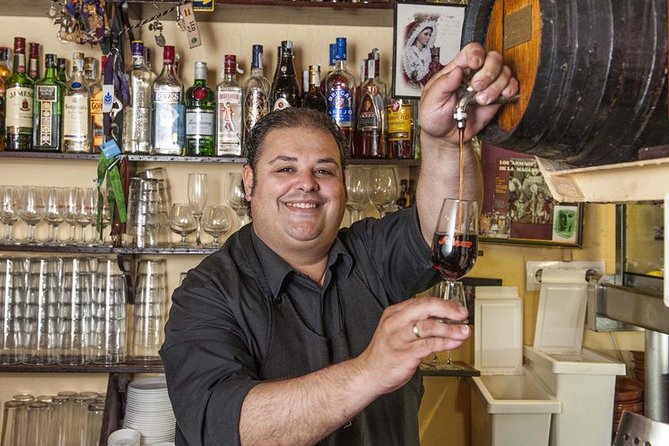
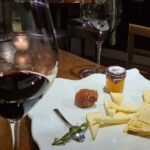
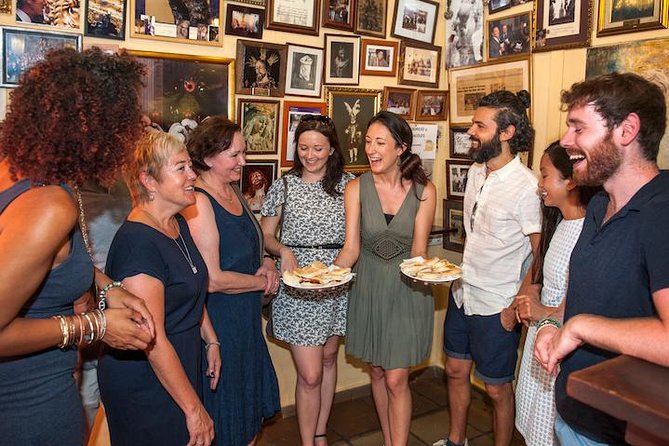
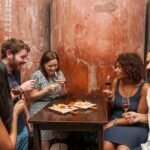
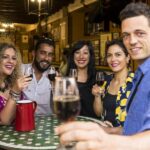
One of the more memorable portions of the tour happens at a family-run tapas bar dedicated to Holy Week. You’ll be tasting two tapas paired with a glass of vermouth.
What sets this bar stop apart isn’t only the food—it’s the context. You’ll see memorabilia and photos up close, and your guide explains Seville’s Easter traditions. So while you’re eating, you’re also learning the why behind what’s happening around you in the city.
Vermouth pairing is a smart move here. It adds a bitter-sweet edge that makes the tapas flavors pop. You’ll get better at reading the menu without even trying—because you learn how locals mix tastes: salty with herbal, rich with something sharp enough to clear your palate.
Fried fish and adobo marinade: April Fair flavors by the Guadalquivir
Now for the part that feels like a direct line to Seville’s river life. The tour heads to a friería stop where you’ll try freshly fried fish with adobo marinade.
You’ll chat with a father-and-son team who serve the fish, and you learn how adobo ties into the region’s food tradition. The tour also connects this to seasonal celebrations, including Seville’s April Fair (Feria de Abril)—which helps the dish feel less random and more rooted in the calendar of the city.
The adobo flavor is the key detail to pay attention to. Even if you don’t know the exact spices by name, you’ll notice the marinade gives the fish a deeper personality than simple frying. This is the kind of taste you’ll want to reproduce later, and the tour gives you the background to understand what makes it local.
Manzanilla to finish near Plaza Nueva
The tour ends near Plaza Nueva, with a final drink: a glass of crisp manzanilla wine. This is a nice finish because it’s light and clean compared to heavier reds.
It also makes the end feel complete. You’ve had salty tastes, fried food, sweet churros and convent cookies, and then you land on something that helps your stomach settle while giving you that Andalusian finish.
Price and value: what $81 buys you in real eating time
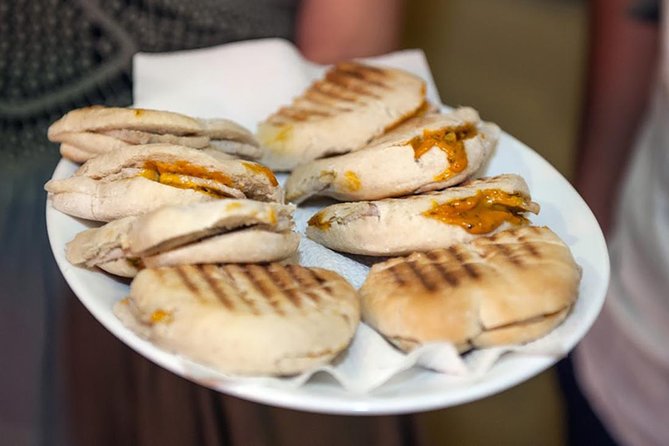
At $81 per person for 3 hours, the price makes sense if you treat it as a light meal plus a guided tasting lesson.
You get:
- 7+ food tastings
- 2 drinks
- A local English-speaking culinary expert
- A small group of 12 or fewer
The “value” isn’t only the number of items. It’s the ordering of the day: you eat market staples, bar staples, and celebration-adjacent foods, with guided context so you actually learn what to look for next time. In Seville, where you can easily spend money on the wrong place, this structure helps you avoid guesswork.
If you’re the type who hates wasting time researching menus, a tour like this often pays off quickly.
Pacing, weather, and how to make the walk feel easy
This is a walking food tour with plenty of standing. The distance is about 3.5 km / 2.15 miles, and you should expect to keep moving through narrow streets and bar entry points.
Footwear is your best friend. Wear comfortable shoes with grip, especially if it’s been wet. One highlight from feedback is how guides keep people engaged even when weather turns ugly—so if rain hits, it’s less of a disaster than you might expect. Still, you’ll feel the ground under you, so plan for that.
Timing tip for your day: build in space after the tour. You’ll likely finish with a fuller stomach than you think, even if it’s framed as a light meal.
Diets, allergies, and what you should confirm before you go
This is where you need to be careful and proactive.
The tour is adaptable for:
- Vegetarians
- Pescatarians
- Gluten free options (not for celiac disease)
- Dairy free
- Non-alcoholic options
- Pregnant women
But here’s the key caution: you may not have a replacement food option at every stop. That means your tour experience could vary depending on what’s being served.
It’s not suitable for vegans or for people with celiac disease.
If you have allergies or a strict dietary requirement, contact the provider ahead of time so they can arrange ingredients. This is especially important on a tour with multiple food types—market items, fried foods, baked goods, and bar tapas.
Who should book, and who should skip this style of tour
This tour is a great fit if you:
- Want a guided intro to Seville’s tapas culture
- Like eating in a variety of settings (market, bar, convent, frierías)
- Prefer a small group experience over big group chaos
- Enjoy food history tied to real events like Holy Week and April Fair
You might reconsider if you:
- Need step-free access or have mobility limitations (the tour isn’t suitable for wheelchair users)
- Have celiac disease (this tour isn’t suitable)
- Want a fully vegan itinerary (not offered)
If you want the best guide experience, here’s what to look for
In the feedback, strong guides are a clear theme. People highlight guides who mix food facts with daily-life stories, and you can even see guide names like Elena and Guillermo mentioned for keeping the experience lively and informative.
So when you book, it helps to pick a time when you’re less rushed and more able to focus. A great guide can make the difference between tasting well and understanding what you’re tasting.
Should you book the Seville Ultimate Food Tour?
Book it if you want a practical, food-first introduction to Seville—one that mixes ham, churros, convent cookies, Holy Week tapas with vermouth, adobo fried fish, and a finish with manzanilla. The structure is designed so you’re not just snacking; you’re learning how Seville puts food at the center of everyday life.
Skip it if you can’t do a lot of standing and walking, need strict vegan or celiac-friendly options, or have an allergy that requires very specific substitutes at every stop.
If you do book, show up on time at Mercado de la Encarnación. One negative note worth taking seriously is that arriving late can ruin the flow of your start.
FAQ
Where does the tour start?
It starts at Mercado de la Encarnación, in front of Metropol Parasol building, next to the Tobacco station, at the corner with Calle Imagen.
How long is the Seville Ultimate Food Tour?
The tour duration is 3 hours.
How many tastings and drinks are included?
You’ll get 7+ food tastings and 2 drinks, enough for a light meal.
Is the tour in English?
Yes, the tour is in English with a live guide.
How much walking is involved?
The tour includes considerable time standing and walking, about 3.5 km (2.15 miles).
Can the tour accommodate vegetarians or pescatarians?
Yes, it’s adaptable for vegetarians and pescatarians, though you may not have a replacement option at every stop.
Are there gluten-free and dairy-free options?
Gluten-free options are available for gluten-free diets, but it is not suitable for celiac disease. Dairy-free options are available too.
Is it suitable for vegans or people with celiac disease?
No. The tour is not suitable for vegans or for those with celiac disease.