REVIEW · SEVILLE
Triana Gourmet Tapas Tour in Seville
Book on Viator →Operated by Not Just a Tourist · Bookable on Viator
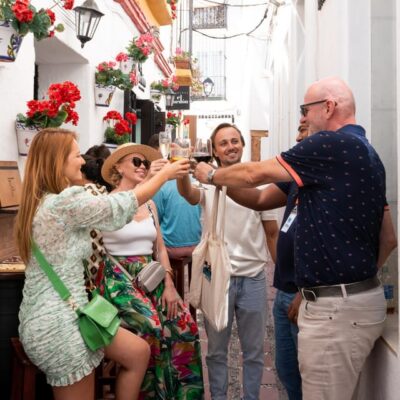
Triana tastes like the real Seville. This 3.5-hour guided tapas walk pairs neighborhood context with food stops, plus local drinks like wine, beer, and sherry. I like the small-group feel (max 12) and the way the guide steers you through Triana’s sights and flavors, with options for wine talk and market browsing. One fair caution: a few people felt the price ($167) doesn’t match the amount of food they got, especially if you compare it later by ordering the same items.
What you’re really buying here is guided time in the Triana side of town—less wandering, more meaning. The stops include a flamenco-area landmark, the Triana bridge views over the Guadalquivir, the Mercado de Triana area, and classic streets along the river. Guides you might get, like Guille (praised for local family roots) or Caroline (praised for pairing food with history), can make the experience feel personal, talky, and easy to follow.
You should also go in hungry. The tour includes 4 beverages and shared tapas selections, but the exact number of tapas you try can vary with the group size, and sometimes a planned bar can be closed (that’s been a real issue for some dates). If you have allergies or dietary needs, the operator says they can adapt menus, but you’ll want to message requirements at booking so the guide can plan properly.
In This Review
- Key Things to Know Before You Go
- Triana on foot: a 3.5-hour plan that doesn’t feel frantic
- Price and value: what $167 buys in tapas, drinks, and guidance
- What you’ll eat and drink: shared tapas plus a real beverage lineup
- The flamenco start and Triana bridge views: where the day gains its mood
- Mercado de Triana and San Jorge: the best part isn’t only tasting
- Calle Betis, Torre del Oro, and the Guadalquivir: river scenery with tapas energy
- Triana crafts, bullfighting street energy, and Santa Ana church
- The guide factor: why some tours feel exceptional (names you might get)
- Should you book the Triana Gourmet Tapas Tour?
- FAQ
- How long is the Triana Gourmet Tapas Tour?
- Where does the tour start and end?
- What language is the tour offered in?
- How many people are in the group?
- What drinks are included?
- How much tapas is included?
- Does the tour accommodate vegetarian or vegan diets?
- Can the menu be adapted for allergies?
- How many tapas bars are visited?
- Is the market stop always available?
Key Things to Know Before You Go
- Small group (max 12) keeps it social without turning into a rushed conveyor belt.
- Food variety depends on group size, with shared portions designed to get you through roughly 6–16 different tapas.
- Drinks are part of the deal: wine (red or white), beer, sherry, or tinto de verano, plus unlimited water.
- Triana landmarks are woven into the meal—it’s not only eating, it’s understanding why these spots exist.
- Vegetarian/vegan options cost extra (vegetarian supplement is listed; vegan has a separate supplement), so factor that in early.
- Market timing can change (it may be closed at some hours), but the stop is still part of the route.
Triana on foot: a 3.5-hour plan that doesn’t feel frantic
This tour is scheduled for about 3 hours 30 minutes, and it’s structured as a guided walking experience in the Triana neighborhood. The pacing tends to be relaxed in practice, with enough time for you to listen and look around between tastings. You’re also not dealing with a massive herd—up to 12 travelers—so questions land, and conversation can happen without you shouting over a crowd.
The route also makes practical sense for first-time visitors. Triana sits on the other side of the Guadalquivir from much of the historic center, so the walk helps you place the neighborhood on the map fast. You get scenic river connections (including a major bridge), then you move through the streets that connect food, craft, and local identity.
One small logistics note that matters: the meeting point is listed as C. San Jacinto, 1 (41010 Sevilla), and the tour ends back there. So you’re not figuring out transportation at the end while your head is full of sherry and wine.
You can also read our reviews of more tours and experiences in Seville.
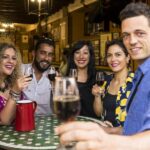

Price and value: what $167 buys in tapas, drinks, and guidance
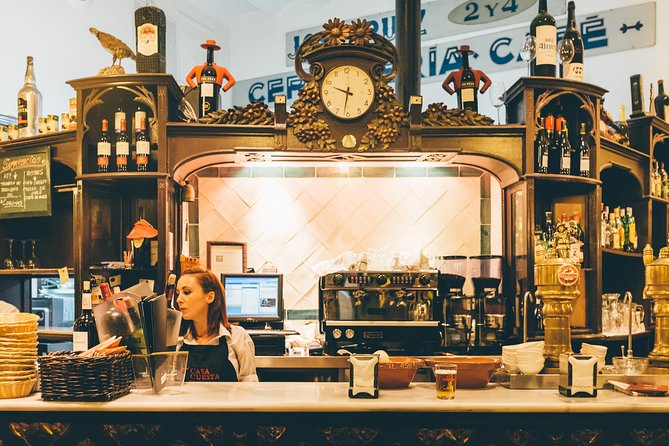
Let’s talk value honestly. The price is $167 per person, which is not cheap. On the plus side, you get 4 beverages included, plus unlimited water, and shared tapas selections chosen from a set menu of classic options. You’re also paying for a guide who connects the food stops to Triana’s culture, and that includes a local market visit and several meaningful neighborhood landmarks.
On the downside, some reviews raised the same concern in different words: the quantity can feel light for the price, and a couple people said they later ordered similar items elsewhere for less money. That doesn’t mean the tour is bad—it means you should calibrate your expectations. This isn’t a belly-buster festival. It’s a guided sampler meant to give variety and context, not to substitute for a full dinner you’d order on your own.
If you like tours where your guide does the decision-making—choosing dishes, steering the day’s flow, and translating what you’re seeing—this can feel fair. If you’re chasing maximum food volume per euro/dollar, you might find yourself doing the “wait, that was it?” math afterward.
A smart strategy: arrive with room to eat. The tour itself is designed so you don’t need to do a big meal before it starts.
What you’ll eat and drink: shared tapas plus a real beverage lineup
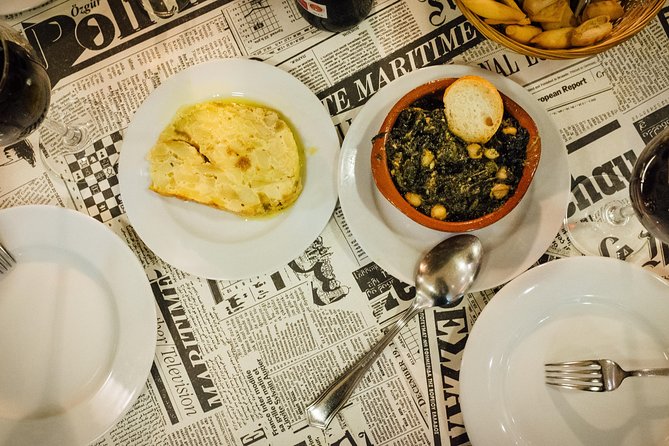
The included drinks are clearly spelled out: 4 beverages from options like red or white wine, beer, sherry, and tinto de verano, with unlimited water. Those choices matter because they’re aligned with what people actually sip at bars in this region. Wine isn’t just a checkbox here—it’s tied to learning about the chief wine characteristics of the area.
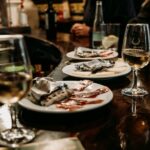
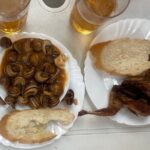
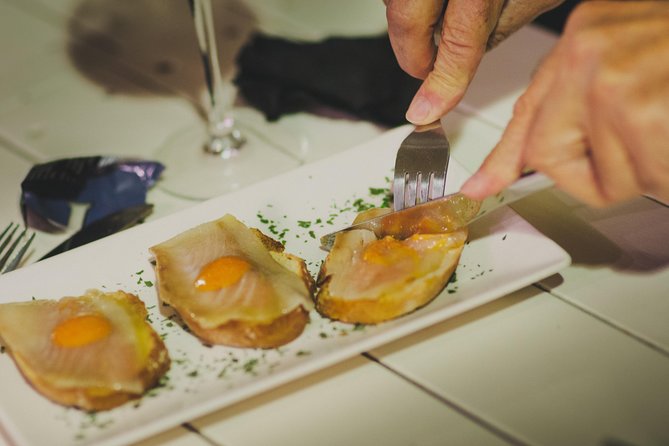
Food-wise, the tour includes 4 selections of tapas per person to be shared. Depending on group size, you should try between 6 and 16 different tapas. That range is wide, but the intent is consistent: you’re sampling multiple styles—soupy spoon foods, savory classics, and things that show up in Andalusian bar culture again and again.
The menu options include several dishes that help you understand the region:
- Salmorejo (a chilled tomato-based dish)
- Tortilla
- Carillada (pork cheeks) for a deeper, slow-cooked kind of comfort
- Pisto (vegetable stew style)
- Punta de solomillo (pork loin)
- Regaña, plus breads like Picos and Bread for bar-style eating
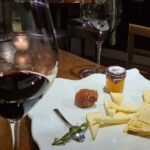
- Cured cheese
- Spinach with chickpeas
- Granny’s pickled carrots for a tangy bite
- Tocino de Cielo (dessert) and Palmerita de Chocolate
- Coffee or ice cream depending on what’s offered
The tour also has a flexible approach to diets:
- Vegetarian menu adaptation is listed with a 5 euro supplement
- Vegan options are listed with a 10 euro supplement
- Allergies can be adapted, if you advise at booking
In practice, the guide’s ordering can make or break the experience. A few reviews praised guides for matching selections to preferences (for example, one group asked for seafood and vegetables only, and the guide followed that direction). So if you care about avoiding certain flavors or textures, speak up early in the day.
The flamenco start and Triana bridge views: where the day gains its mood

The tour begins at C. San Jacinto, 1, then heads toward the Triana landmark area around Monumento al Arte Flamenco. This stop is a full hour on the schedule, with free admission listed for the experience’s stops at the site. The description emphasizes an authentic flamenco atmosphere, and the big value for you is that it sets the tone: Triana isn’t just a food corridor—it’s tied to Andalusian identity, including flamenco.
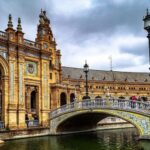
After that, you get the scenic breather at Puente de Isabel II (Puente de Triana). This is the iconic bridge over the Guadalquivir, connecting key streets and neighborhoods. Even if you don’t consider yourself a “views person,” this is a useful pause because it orients you. You’ll understand where you are relative to the river and how Triana sits across from central Seville.
One practical tip: these steps are part of the sightseeing rhythm, so don’t treat them as random photo stops. The tour flows better when you use the landmarks to mentally “group” the food stops into a single neighborhood story.
Mercado de Triana and San Jorge: the best part isn’t only tasting

Two stops make the “this is real local life” case: the Mercado de Triana area and the Museo del Castillo de San Jorge ruins.
At Mercado de Triana, the tour focuses on seeing what locals buy and eat around the neighborhood. It’s listed at C. San Jorge, 6 and includes fresh produce, meats, and local delicacies. Even if you’re not buying anything, this stop helps you understand why the tapas you’re sampling later make sense. You see the ingredients and the shopping habits, not just the finished plates.
Important: the information says the market can be closed at certain times, but it’s still a nice stop to visit. If that happens on your date, don’t panic. You can still use the time to observe what’s around it and how the neighborhood is laid out, which supports the guide’s explanation.
Then there’s Museo del Castillo de San Jorge—set in medieval ruins, with exhibits tied to Seville’s pottery and historical artifacts. This isn’t “museum tourism” in the strict sense; it’s more like a short heritage checkpoint that connects Triana’s past to its crafts and food culture. If you enjoy small doses of context during eating days, you’ll probably appreciate it.
Potential drawback: these are relatively short stops (each is listed around 5 minutes in the schedule), so you won’t have time for deep museum reading. Plan to take in the highlights and let the guide fill in the gaps.


Calle Betis, Torre del Oro, and the Guadalquivir: river scenery with tapas energy
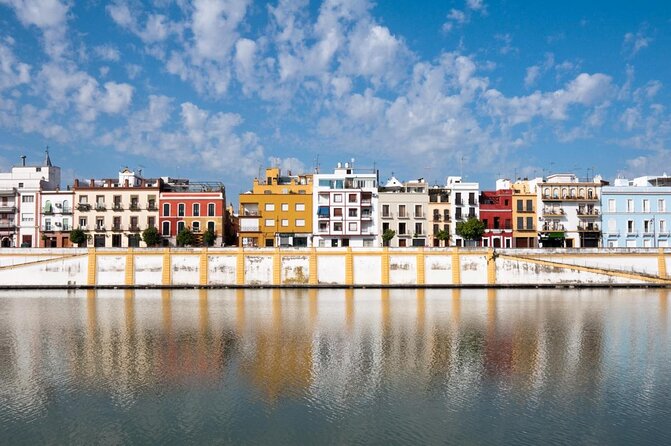
Once you move onto Calle Betis, the tour becomes more river-walk friendly. Calle Betis runs along the Guadalquivir, and the description calls out the city views and the nearby Torre del Oro. This section matters because tapas in Seville isn’t just about food—it’s also about the street life around it. Eating outdoors (when available) and watching the river area go by is part of how the neighborhood relaxes.
Then comes Torre del Oro, the “Golden Tower,” originally a watchtower and now housing a maritime museum. The listing notes panoramic views and a look into naval history. Even if you don’t go museum-style inside for long, the tower stop gives your day a strong visual anchor and helps you connect the river landmarks you’re walking toward.
The tour route also includes the Río Guadalquivir itself as a stop. That’s your chance to slow down and absorb the river as a “main street” of Seville. If you’ve only seen Seville from plazas, this angle changes the whole city.
In short: this segment is where the tour stops feeling like a checklist and starts feeling like a neighborhood evening.
Triana crafts, bullfighting street energy, and Santa Ana church
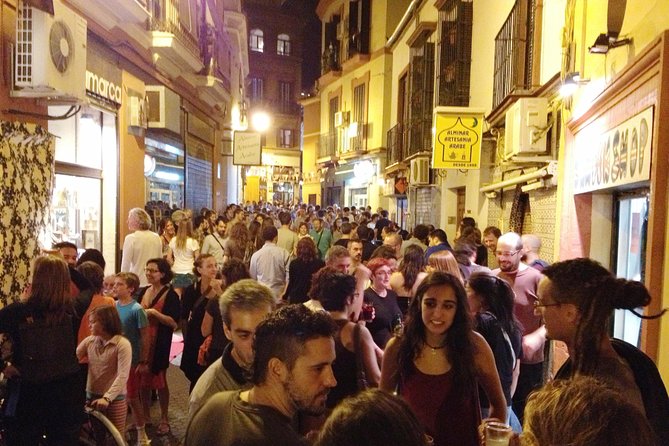
Three more stops round out the neighborhood portrait: Calle Alfarería, Calle Juan Belmonte, and Real Parroquia de Señora Santa Ana.
Calle Alfarería is known for traditional ceramic shops. The benefit for you is that you get a sense of Triana’s craft identity—hands-on creativity that sits close to the food scene. If you like buying one small souvenir that actually belongs in the local story, this is the street to look around (even if you just window-shop).
Calle Juan Belmonte is named after a famous bullfighter and is described as a lively street with local charm. This is one of those stops that works best if you enjoy small slices of culture: street names, local associations, and the way people hang around where they always have.
Finally, the tour includes Real Parroquia de Señora Santa Ana, a historic parish church with notable architecture and interior. The description frames it as a significant spiritual and cultural site in the area. It’s a short stop, but it gives the day balance. After food and river scenery, a church stop helps reset your attention and reminds you that Triana isn’t only bars—it’s a full neighborhood with institutions and traditions.
If you’re worried about pacing: these are brief stops, so you’re not stuck in long lines or long sermons. You’re meant to see enough to understand, then keep eating.
The guide factor: why some tours feel exceptional (names you might get)
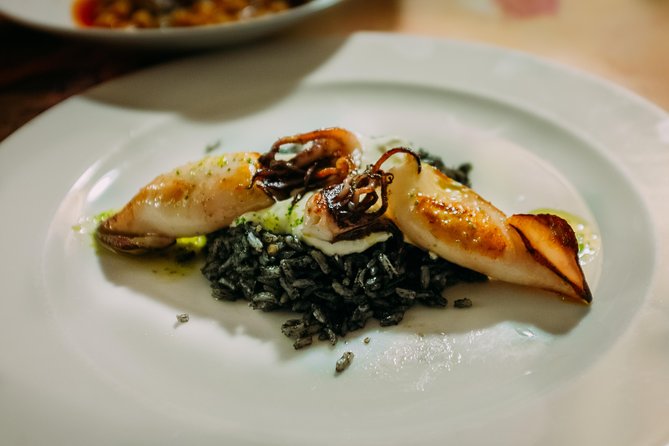
Because the guide does the ordering and the storytelling, guide quality affects the experience a lot. Several reviews put extra weight on their guide’s personality and knowledge.
- Guille was praised for being awesome and for having Triana heritage, including family still living there.
- Nico impressed with broad knowledge that ranged beyond food into history and even big-picture topics.
- Abby was praised for patience and for handling a busy holiday atmosphere (Semana Santa timing came up in one review).
- Caroline was praised as fun and fascinating, with history and culture tied directly to what was served.
- Eva was praised as enthusiastic and informative, but a downside showed up when only two bars were visited instead of four, because other places were closed.
- Sara also received strong praise for food quality and guide performance.
Takeaway for you: if you have a preference (seafood-heavy, vegetarian-safe, no pork, etc.), this kind of guided tour works best when you communicate it clearly at the start.
Should you book the Triana Gourmet Tapas Tour?
Book it if you want a guided Triana evening where food, drinks, and neighborhood landmarks are part of the same story. The included beverage lineup, the shared tapas plan meant to deliver variety, and the market-plus-landmark route are a strong combo for first-timers. If you’re the type who likes chatting while walking—learning why places exist, not just what they serve—this is a great fit.
Skip or rethink it if your main goal is maximum food quantity for the money. A few people felt the price was high relative to the amount of food they received, and you can’t count on every planned bar always being open. Also, if you don’t want any walking time at all, this isn’t a sit-down tasting.
My practical rule: if you’re coming to Seville for more than one day and you enjoy guided context, book this early. It will give you bearings in Triana, and then your later self-guided meals make more sense. If you’re on a tight budget, you might also compare against what you can eat elsewhere—but then you’d be giving up the guided flow and the structured learning about local drinks and dishes.
FAQ
How long is the Triana Gourmet Tapas Tour?
It runs for about 3 hours 30 minutes.
Where does the tour start and end?
It starts at C. San Jacinto, 1, 41010 Sevilla, Spain and ends back at the meeting point.
What language is the tour offered in?
The tour is offered in English.
How many people are in the group?
The tour has a maximum of 12 travelers.
What drinks are included?
You get 4 beverages, chosen from red or white wine, beer, sherry, or tinto de verano, plus unlimited water.
How much tapas is included?
The tour includes 4 selections of tapas per person to be shared, and you’ll try between 6 and 16 different tapas depending on the number of people on your tour.
Does the tour accommodate vegetarian or vegan diets?
Yes. Vegetarian options are available with a 5 euro supplement, and vegan options are available with a 10 euro supplement.
Can the menu be adapted for allergies?
Yes. The menu can be adapted to any type of allergies if you advise at booking.
How many tapas bars are visited?
The tour includes visits to 3 to 4 tapas bars.
Is the market stop always available?
The Triana local market is part of the tour, but it can be closed at certain times; the visit is still described as nice even if closed.