REVIEW · LISBON
Food Tour: Portuguese wine & Tapas with Ginjinha Tasting
Book on GetYourGuide →Operated by Discover Lisbon · Bookable on GetYourGuide
Lisbon turns into a tasting map fast. This tour uses the easy magic of petiscos and pairs them with Portuguese wine, plus a ginjinha sour cherry liquor tasting that feels very Lisbon. The best part is how the guide ties each small plate to local habits, so you get more than food.
I also like the relaxed pace: you’re tasting at local restaurants in a short stretch of Lisbon, not doing an all-day marathon. One thing to consider, though, is that petiscos are intentionally small—if you’re hungry-hungry, you may finish the tour wanting a real dinner.
In This Review
- Key highlights to know before you go
- Tapas in Lisbon: why this tour feels different
- Praça Luís de Camões meeting point and how the night starts
- The tasting plan: 3 petiscos plus wine and ginjinha
- Restaurant stops 2 and 3: two 30-minute wine-and-food rounds
- The 45-minute finale stop for deeper flavor time
- Petiscos explained: what you’re really learning at the table
- How the guides change the vibe: Ricardo and Muhammed
- Walking level and overall comfort
- Price and value: what $40 actually buys you
- Who should book this Lisbon Portuguese wine and tapas tour
- Practical tips so you enjoy it fully
- Should you book it?
- FAQ
- Where is the meeting point?
- How long is the tour?
- What is the price?
- What food and drinks are included?
- Does the tour include vegetarian options?
- Can you accommodate food restrictions?
- What language is the tour guided in?
- Are luggage or large bags allowed?
- Is the tour suitable for people with mobility impairments?
- Can I cancel for a refund?
Key highlights to know before you go
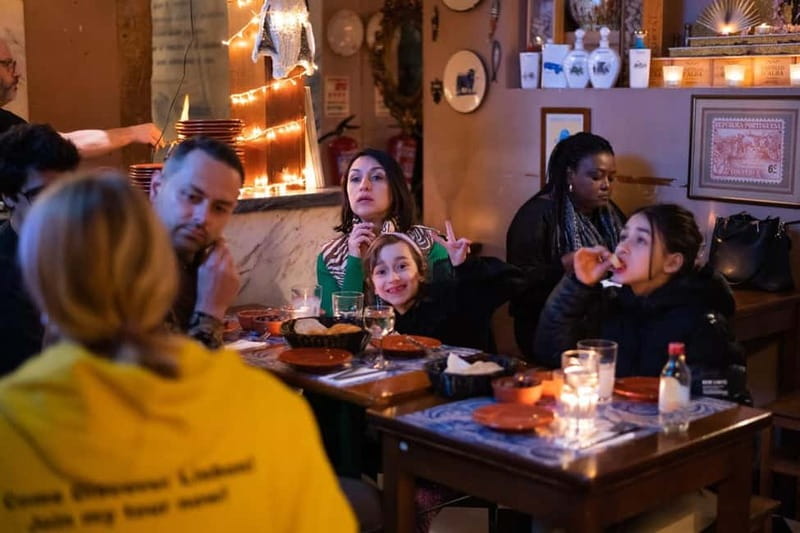
- 3 petiscos dishes designed as shareable small plates, not a full meal
- Ginjinha tasting of Portugal’s famous sour cherry liquor
- Portuguese wine (or water) included with the tastings
- Two short restaurant stops and a longer final stop for extra flavor time
- Stories + tapas context so you understand what you’re eating and why
- Guides like Ricardo and Muhammed stand out for attention and fun, story-driven explanations
Tapas in Lisbon: why this tour feels different
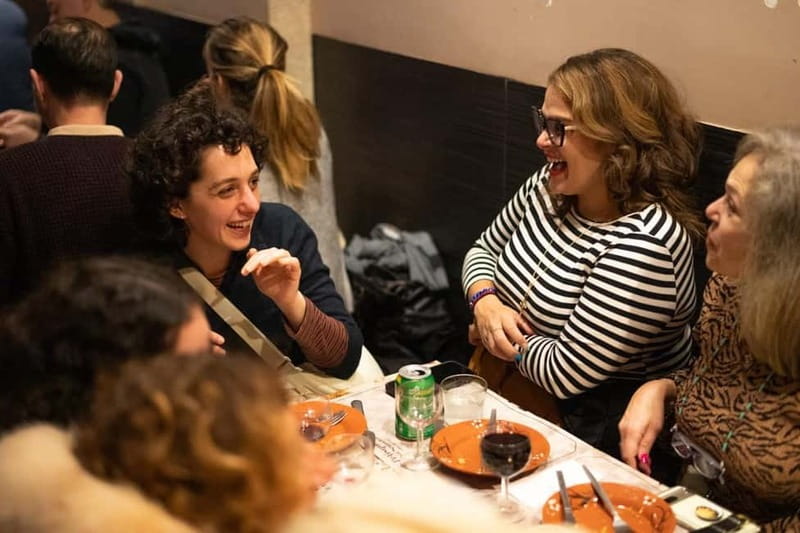
If you only know tapas from Spain, Lisbon will recalibrate your brain. Here, the focus is on small dishes to share—food you graze through, guided by local rhythm. That matters because Portuguese eating is often social and casual, more about conversation than formality.
What I like about this format is that it turns you into an insider for a couple of hours. You’re not stuck trying to interpret menus on your own. Instead, you get a simple way to understand what locals order: petiscos, wine, and the little flavor variety that makes Portuguese tables so satisfying.
There’s also a cultural layer. The guide explains the significance of tapas and their history, plus they share stories connected to the food and Portuguese culture. That’s the difference between a tasting session and a real food education.
You can also read our reviews of more tours and experiences in Lisbon.



Praça Luís de Camões meeting point and how the night starts
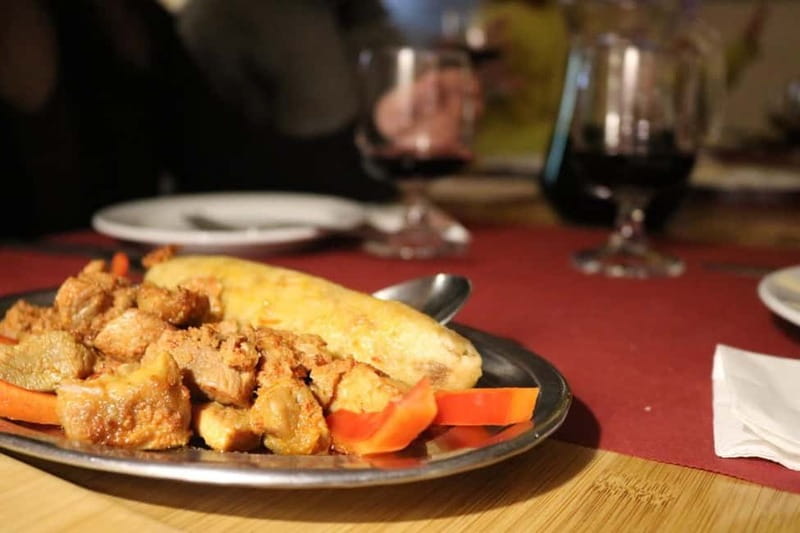
Your tour begins at Praça Luís de Camões, right in the middle of the square near the statue area. Look for your team in yellow t-shirts (and sometimes yellow umbrellas/hoodies, depending on the group and weather), since that’s how you’ll spot the guide fast.
This location is handy. It’s central and easy to orient from, and it puts you in the Lisbon mood immediately—street life, restaurants nearby, and that feeling that you’re starting your evening in the right neighborhood. Since the tour ends back at the same meeting point, you don’t have to worry about getting stranded across town afterward.
Timing note: the tour runs about 2.5 hours, and starting times vary. I’d plan your evening around that window, because the flow is built around short restaurant stops rather than a long walk-and-snack loop.
The tasting plan: 3 petiscos plus wine and ginjinha
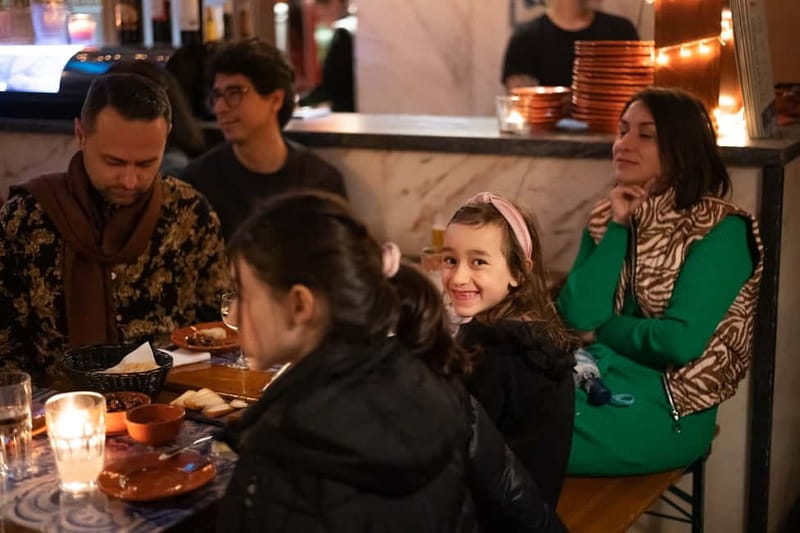
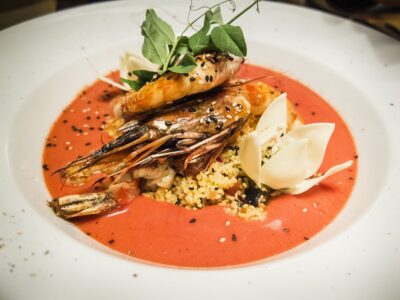
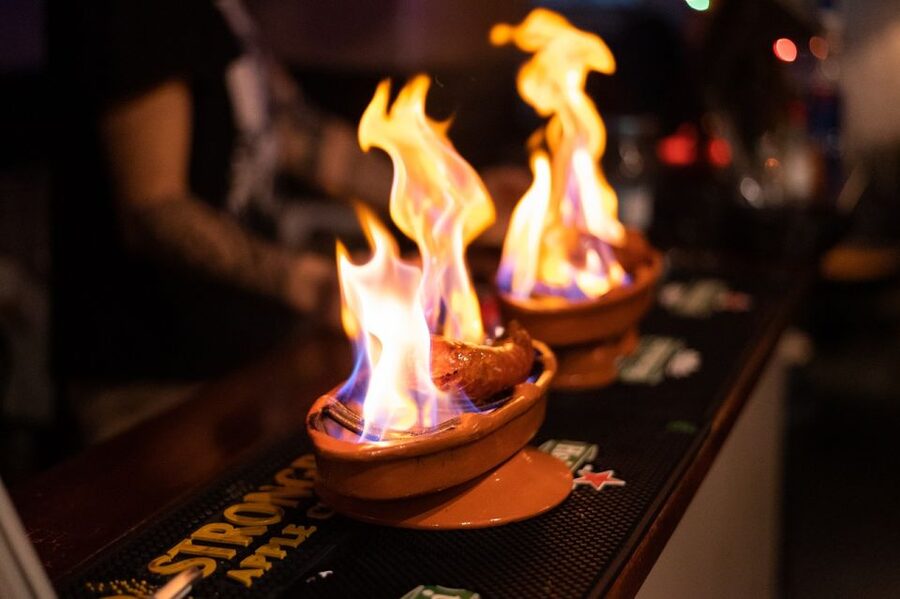
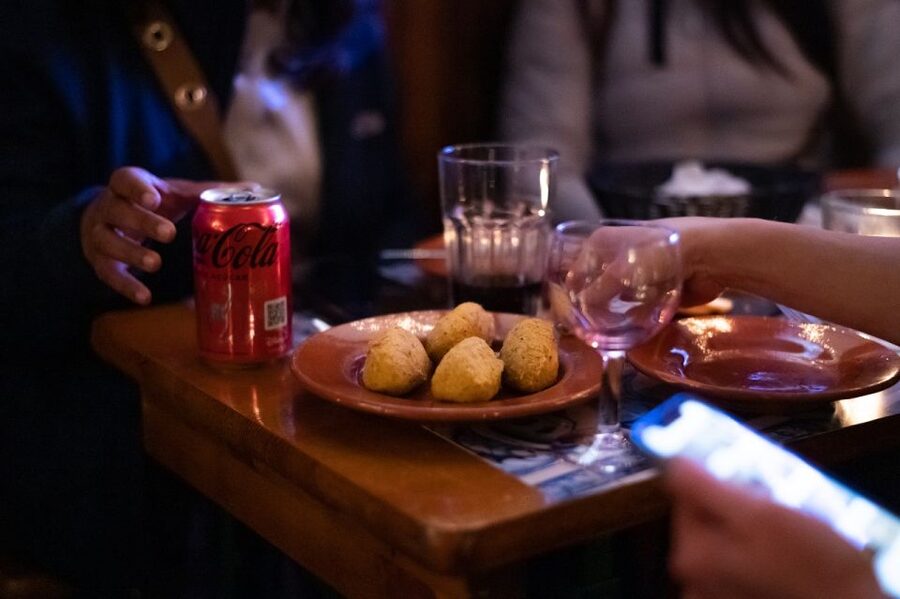
Here’s the structure that makes the tour easy to judge for value. You’ll try 3 traditional Portuguese dishes (petiscos), and you’ll also get ginjinha tasting along with Portuguese wine or a bottle of water.
That combination is smart. Petiscos gives you a snapshot of Portuguese flavors without locking you into one heavy course. Wine rounds out the experience in the local style, and ginjinha adds a distinct souvenir-like moment—sour cherry liquor that’s a classic in Lisbon drinking culture.
Just keep expectations realistic about fullness. Even though it’s a fun lineup, petiscos are designed as small shared plates. Based on the general feedback, it’s more like a guided sampler than a full dinner. If you want to be comfortably full when you’re done, plan for an extra meal afterward—or arrive already hungry enough to enjoy the variety but not expecting it to replace supper.
Restaurant stops 2 and 3: two 30-minute wine-and-food rounds
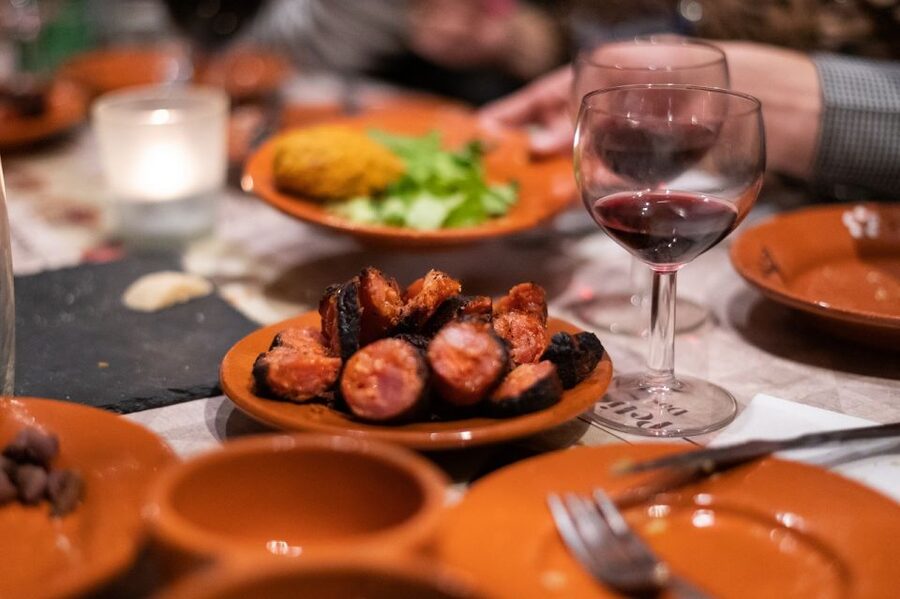
Two of the stops are in local restaurants with 30 minutes at each. That half-hour structure is practical: enough time to taste, settle, and chat, but short enough that you keep momentum through the night.
At these stops, you’re not just eating. You’re also getting the guide’s running commentary—stories about Portuguese food, how tapas culture works, and what to pay attention to when ordering next time. There’s also an added bonus that I think you’ll feel on the table: you get local tips from waitstaff on where to try more tapas in the area.
One subtle benefit of these restaurant blocks is pacing. You’re not spending the whole tour in one place. Instead, you’re exposed to different tables and flavors, which helps you understand the variety in Portuguese cuisine rather than memorizing one restaurant’s approach.
The 45-minute finale stop for deeper flavor time
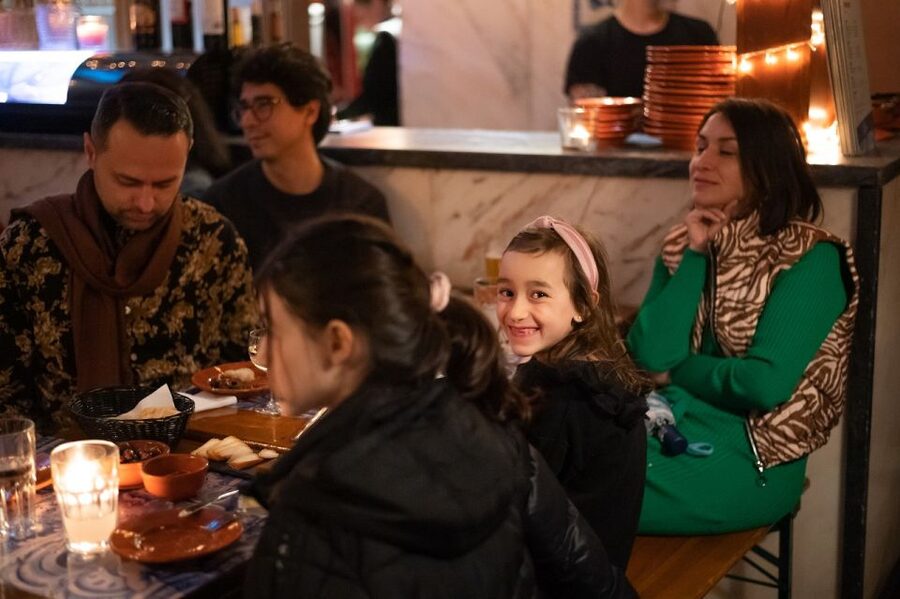
The last food stop is longer—45 minutes. That matters because it’s where the tour has room to linger a bit more, compare flavors, and let the evening land well.
Even without extra details on exactly which stop serves which drink, the itinerary clearly builds toward a more complete wrap-up. You’ll still be working within the same included format: wine or water, plus the included food tastings and ginjinha as part of the overall experience.
If you’re trying to decide whether this tour is worth it, this longer stop is a big clue. The operator isn’t just rushing you through. They’ve built in extra time so you get a more satisfying finish rather than a quick bite-and-run.


Petiscos explained: what you’re really learning at the table
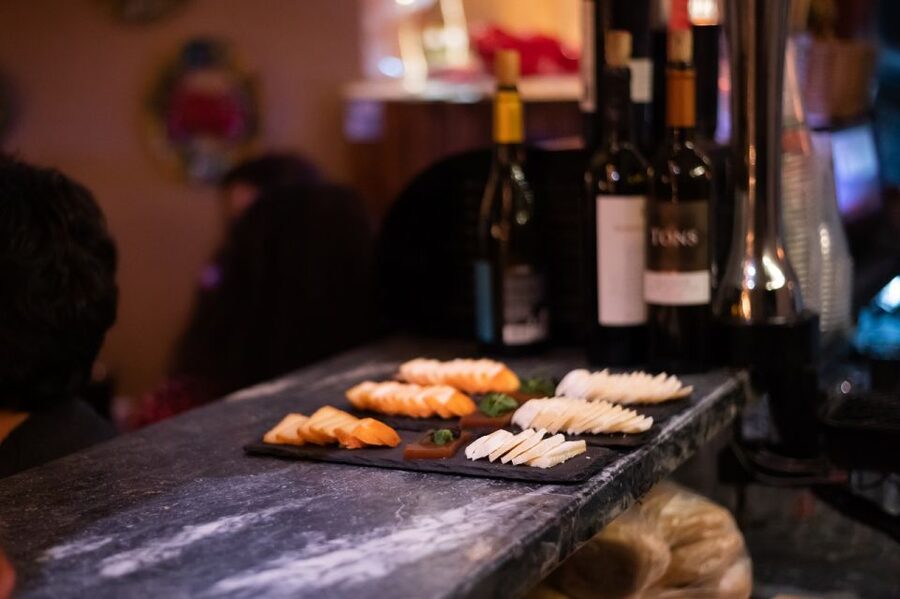
Petiscos are the key to this whole experience, and the guide makes sure you don’t treat them like random bar snacks. The word literally points to the idea of small shared dishes, and that concept shapes how you should eat on this tour.
So here’s my practical advice for you: try to order your attention around sharing. Pick up bites slowly, rotate conversation with the group, and focus on what changes between dishes—saltiness, acidity, spice level, and texture. If you treat it like a checklist, you’ll miss what makes petiscos fun: variety in bite-sized form.
This is also where the cultural explanation pays off. When the guide talks about tapas significance and history, you start to see how Lisbon’s food scene encourages casual tasting rather than strict course-by-course meals. You end up with a mental map for future dining: what kinds of items to look for, and how to build a night around small plates.
How the guides change the vibe: Ricardo and Muhammed
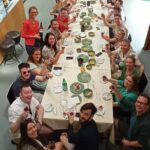
This tour lives or dies on the guide, and the feedback is clear about that. Ricardo earns standout praise for full attention, making people comfortable, and delivering lots of fun information. Muhammed also gets high marks for stories and keeping the experience moving in a friendly way.
That matters for you because a food tour can easily become either too scripted or too vague. Here, the guide-driven storytelling is part of what you’re paying for. You’re walking into restaurants and getting context while you taste—so the evening feels like a conversation, not a lecture.
One more detail from feedback: some tours run a bit longer than expected. I don’t treat that as a problem, but I do recommend you keep a little slack in your schedule so you’re not rushing to your next plan.
Walking level and overall comfort
You’ll be moving between stops, but the overall setup is designed for a laid-back atmosphere. The distance between restaurant visits isn’t presented as a big walking challenge, and the format stays focused on tasting rather than sightseeing marathons.
Also, you’ll want to travel light. Luggage or large bags are not allowed, and the tour is not suitable for people with mobility impairments. If you’re carrying a backpack, keep it small and easy to manage.
If you’re the type who likes to stroll a little but hates long transfers, this fits that sweet spot: enough movement to experience a small slice of Lisbon’s restaurant life, without draining your legs.
Price and value: what $40 actually buys you
At $40 per person for roughly 2.5 hours, the value comes from three things working together:
- Three petiscos dishes plus wine (or water) means you’re not paying only for information.
- Ginjinha tasting is included, which adds a very Lisbon element that’s hard to recreate on your own without knowing where to go.
- You also get guide-led cultural context and waitstaff tips, which can save you time later when you’re trying to choose your own tapas spots.
The one place where value can feel different is fullness. Because petiscos are small, $40 feels like a sampler price, not a full dinner replacement. If you plan it as an early evening food-and-drink experience, it works well. If you plan it as your main meal, you might end up hungry at the end.
For many people, that’s actually a plus: you leave with ideas and still have energy for a proper follow-up dinner.
Who should book this Lisbon Portuguese wine and tapas tour
This is a strong fit if you:
- Want a first-timer-friendly introduction to how Lisbon does tapas and small-plate eating
- Like learning the meaning behind what you’re eating, not just collecting restaurant names
- Enjoy wine tastings and want a structured way to taste Portuguese flavors
- Prefer a social, relaxed evening with food rather than a tight museum-style schedule
It’s less ideal if:
- You need a large, filling meal to feel satisfied
- You have mobility limitations that make short transfers difficult
- You’re traveling with luggage or larger bags that you can’t stow easily
Practical tips so you enjoy it fully
A few small things will make the tour smoother:
- Go with a tasting mindset. Petiscos are meant for sharing and sampling, so pace yourself.
- Ask about dietary needs ahead of time. Vegetarian options can be arranged if requested before 24 hours of the tour, and you can advise about other food restrictions prior so the team can try to accommodate.
- Skip planning extra food/drink. The tour doesn’t include anything beyond what the guide offers, so don’t expect free-for-all ordering.
- Look for the yellow guide gear at the statue area in Praça Luís de Camões.
And if you’re a fan of music: some feedback mentions fado performers being part of the overall experience. I can’t promise it on every departure, but it’s worth being open to—because when fado shows up, it turns the evening into something more than just food.
Should you book it?
I’d book this tour if you want a guided, low-stress way to understand Lisbon’s tapa culture in a short evening. The included combination of 3 petiscos, Portuguese wine, and ginjinha gives you a real taste lineup, and the guide quality (hello Ricardo and Muhammed) seems to be a consistent strength.
Skip it only if you’re expecting a big full dinner or you can’t handle the small-plate format. If that sounds like you, treat it as your pre-dinner tasting course, then plan a separate meal afterward.
If you’re curious about what Lisbon street-style eating turns into inside real restaurants, this is a practical, enjoyable way to learn it fast.
FAQ
Where is the meeting point?
The tour meets in the middle of Praça Luís de Camões, near the statue. Your guide will be wearing a yellow t-shirt (and the team may also be in yellow umbrellas or hoodies).
How long is the tour?
The duration is about 2.5 hours.
What is the price?
The price is $40 per person.
What food and drinks are included?
You’ll get 3 traditional Portuguese dishes (petiscos), a ginjinha tasting, and Portuguese wine or a bottle of water.
Does the tour include vegetarian options?
Yes, vegetarian options are available if you convey your request before 24 hours of the tour.
Can you accommodate food restrictions?
If you have any food restrictions, you should advise the operator prior so they can try to accommodate you.
What language is the tour guided in?
The live guide offers the tour in English and Spanish.
Are luggage or large bags allowed?
No. Luggage or large bags are not allowed.
Is the tour suitable for people with mobility impairments?
No, the tour is not suitable for people with mobility impairments.
Can I cancel for a refund?
Yes. Free cancellation is available up to 24 hours in advance for a full refund.