REVIEW · LISBON
Lisbon Food Tour with 10+ Tastings of Local Delicacies & Wines
Book on Viator →Operated by Secret Food Tours · Bookable on Viator
Food, wine, and Lisbon’s streets in one walk.
I like the simple idea here: 10+ tastings across classic Portuguese bites and a few “how is this so good?” finds, timed around neighborhoods like Mouraria, Baixa, and Alfama. I also love that the stop-and-eat rhythm comes with story. Guides like Vanda, Marta, Claudia, and Tony are repeatedly praised for linking what you taste to what you’re seeing—so you leave with more than a full stomach. One consideration: this is not a sit-down tour. It involves a fair amount of walking and standing, so plan for hills and wear comfortable shoes.
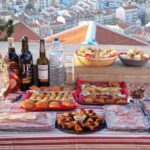
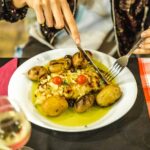
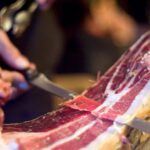
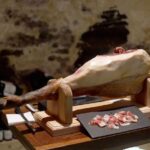
For the food side, you’re looking at a real sampler: artisan cheeses, cured meats (including pata negra), fresh Portuguese fish, sardines, petiscos (Portuguese tapas), plus pastries like pastel de nata. You’ll also taste drinks that fit the city’s habits—Port wine (red and white) and Portuguese sour cherry liqueur, Ginjinha—often with other options like Vinho Verde (and craft beer on Sunday). The biggest drawback I’d watch for is drinks expectations: some bookings don’t automatically include a drinks upgrade, and pours can feel smaller than you hoped unless you know what’s included.
In This Review
- Key things I’d bet on before you book
- Why this Lisbon food tour works for a first visit
- The 3-hour route: what you’ll actually see and taste
- Praça dos Restauradores start, then straight into old Lisbon
- Santa Maria Maior: a castle area viewpoint moment
- Santa Justa Lift: a hill helper, not a gimmick
- Alfama: Lisbon’s oldest district on foot
- A former Catholic convent site: another pause with context
- Pedro IV Square (Rossio area): finishing in the heart of town
- The food lineup: what you’ll taste along the way
- Wine and drinks: Port, Ginjinha, Vinho Verde, and what matters for your budget
- Port wine tasting: red and white
- Ginjinha: the sour-cherry punch
- Vinho Verde and other options
- The practical caution: upgraded drinks
- Walking pace, hills, and comfort: what to plan for
- Guides: why names keep coming up for a reason
- Value for the price: what $97.94 buys you in Lisbon
- Who should book this Lisbon Food Tour (and who might not)
- Should you book this Lisbon food tour?
- FAQ
- FAQ
- How long is the Lisbon Food Tour?
- Where does the tour start and end?
- What’s included in the tastings?
- Are non-alcoholic options available?
- What group size should I expect?
- Is the tour offered in English?
- Can the tour accommodate dietary requirements?
- Do I need hotel pickup?
- What if I need to cancel?
Key things I’d bet on before you book
- A tight 3-hour loop with serious taste coverage (aiming for 10+ bites and sips)
- Alfama + Baixa + Mouraria connections, so you get context while you eat
- Port wine and Ginjinha for true Portuguese flavor, not just soda and vibes
- Small group size (max 12) for more attention and easier chatting at stops
- Santa Justa Lift on the route, which helps the hill factor without killing your day
- “Secret dish” + artisan shops, so it’s not only tourist menus
Why this Lisbon food tour works for a first visit
If Lisbon is new to you, food tours can go two ways: either they’re mostly shopping and snack plates, or they show you how locals actually eat and talk about food. This one leans toward the second style. You start in central Lisbon at Praça dos Restauradores, then move through areas that matter historically, while your guide connects the tastings to the neighborhoods you’re walking through.
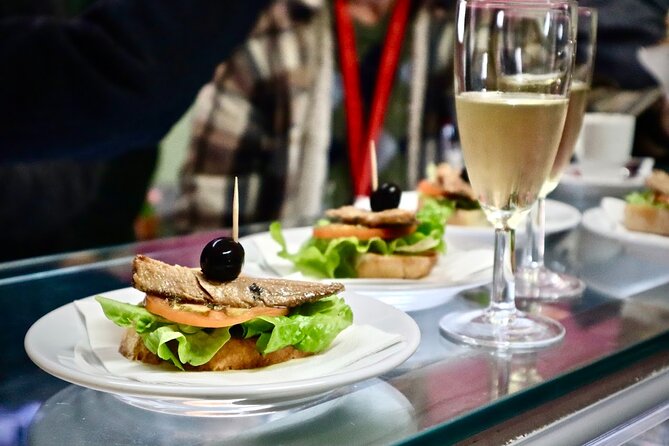
The best part is that you’re not stuck guessing what to order later. After a couple of hours, you’ll know what Portuguese comfort food tastes like when it’s done well: cured meats and cheese from an artisan shop, sardines served in a traditional bar format, petiscos that feel social rather than formal, and pastries you’ll recognize instantly once you see them in baker windows.
You can also read our reviews of more tours and experiences in Lisbon.



The 3-hour route: what you’ll actually see and taste
This tour is built as a steady walking loop, with a few major landmarks used like anchors. Stops can shift a bit based on weather and availability, but the core areas stay the same.
Praça dos Restauradores start, then straight into old Lisbon
You meet at Praça dos Restauradores (the tour also ends there). That’s practical because it’s central and easy to reach by public transport. From there, you head into older districts where Lisbon’s food culture makes more sense—narrow streets, old squares, and places where a quick bite is part of the day’s pace.
Santa Maria Maior: a castle area viewpoint moment
One of the stops is a historic castle in Santa Maria Maior. The point here isn’t that you’ll spend the whole day at one attraction. It’s that you get a sense of Lisbon’s “up and over” layout, which matters when you later walk Alfama’s slopes and figure out why food spots cluster where they do.
Santa Justa Lift: a hill helper, not a gimmick
You’ll also stop at the Santa Justa Lift in Santa Justa parish. This is a smart inclusion. Lisbon hills are real, and a lift helps keep the tour enjoyable instead of punishing. It also breaks the day into a natural rhythm: walk, ride, snack, walk again—rather than just “go uphill until you quit.”

Alfama: Lisbon’s oldest district on foot
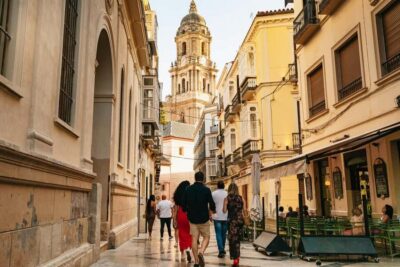
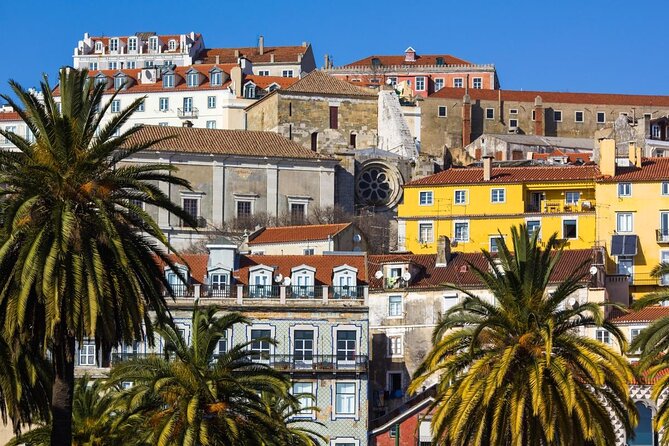
Alfama is described as Lisbon’s oldest district, spreading on the slope between São Jorge Castle and the Tagus (Tejo) river. On a food tour, this matters. Alfama’s vibe is all about closeness—small places, busy counters, and the kind of casual eating where you learn the local logic fast. You’re not just consuming food; you’re seeing why a few quick plates can feel like a full evening plan.
A former Catholic convent site: another pause with context
Another stop is a former Catholic convent located in Santa Maria Maior. Even if you don’t treat it like a deep museum visit, this type of site helps you understand how Lisbon changed over time—how religious spaces, neighborhoods, and daily life shaped what’s on the table.
Pedro IV Square (Rossio area): finishing in the heart of town
You’ll also stop at Pedro IV Square—the popular name for it is well known in Lisbon and it sits in the Pombaline Downtown. This square works as a natural finish because it’s where people move, connect, and transition back into their own sightseeing plans.
The food lineup: what you’ll taste along the way
The tour is designed around multiple tasting stops instead of one big meal. That’s the whole appeal: you get variety without having to decide everything yourself.
Here’s the kind of food you can expect to see in the mix:
- Artisan Portuguese cheeses: expect a real comparison, not just one cheese plate.
- Cured meats, including pata negra: salty, flavorful bites that pair well with wine.
- Petiscos (Portuguese tapas): smaller plates meant for sharing and snacking at local bars.
- Fresh Portuguese fish and sardines: Lisbon’s seafood-forward side, served in a way that feels everyday.
- Pastel de nata: the classic egg custard tart that basically acts like Lisbon’s edible logo.
- Bifana: a pork sandwich version that’s simple, classic, and easy to repeat later on your own.
- A signature secret dish: it’s intentionally different enough to feel like the tour’s “reason to exist,” not just a list of obvious items.
One nice detail: the Sunday menu shifts to include things like bacalhau with spinach and potatoes, plus Gourmet canned fish, and dessert options like Pastel de Belém and artisan chocolates. That means the tour isn’t frozen into one routine; it can reflect how Portuguese eating changes day to day.
Wine and drinks: Port, Ginjinha, Vinho Verde, and what matters for your budget
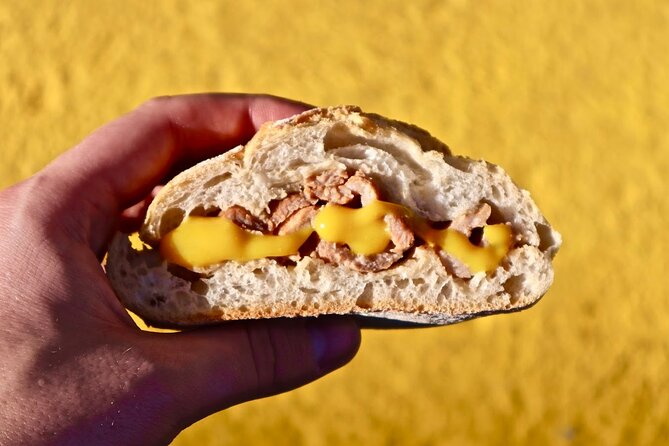
This is one of those Lisbon tours where the drinks are part of the story, not an afterthought.
Port wine tasting: red and white
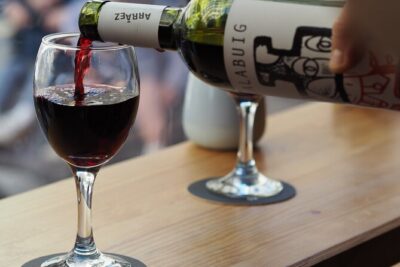
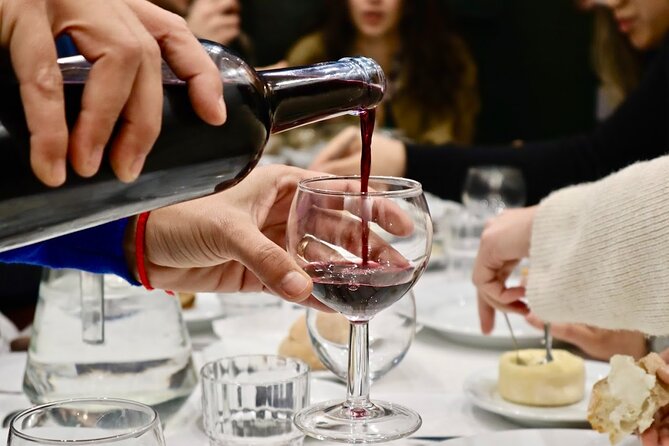
You’ll taste red and white Port wine. For many people, this is where the tour earns its keep. Port comes with history, and it fits Portuguese snack culture. I like that the tasting is paired with food stops—so you’re not drinking wine in a vacuum.
Ginjinha: the sour-cherry punch
You’ll also try Ginjinha, a Portuguese sour cherry liqueur. It’s memorable, and it’s the kind of flavor you’ll recognize later if you decide to seek it out on your own.
Vinho Verde and other options
The tour includes some Vinho Verde as part of the experience. On Sundays, you may also get craft beer as part of the included tastings. If you prefer to skip alcohol, the tour states that non-alcoholic options are available, so you’re not stuck with just water.
The practical caution: upgraded drinks
There is an upgraded drinks package that provides additional alcoholic beverages, but it may not show up the same way depending on how you book. If alcohol is a big part of your plan, I’d ask before you go. That single step can prevent the most common kind of disappointment: paying for one experience and wanting a different drinks level.
Walking pace, hills, and comfort: what to plan for
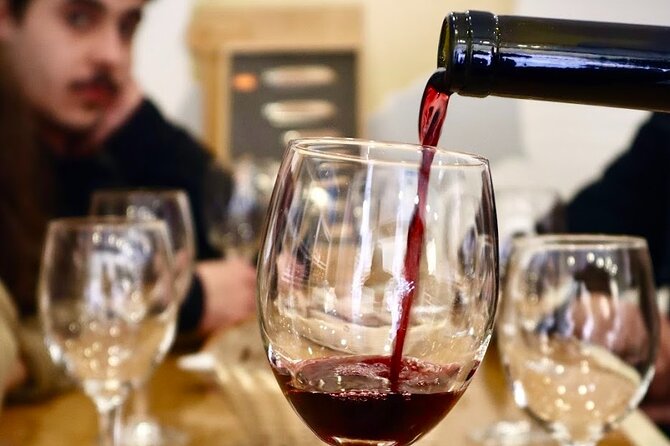
This tour involves a fair amount of walking, and that’s not just marketing language. Lisbon is hilly, and the tour includes older neighborhoods built on slopes. The good news is that the route uses the Santa Justa Lift to make at least part of the hill situation easier.
In real terms, I’d treat this as a comfortable walking tour for people who can handle uneven pavement and short climbs. Wear shoes you’d trust for a day of city walking. Bring a light layer too—Lisbon weather can shift, and the tour notes that the itinerary and menu may change based on weather and availability.
Guides: why names keep coming up for a reason
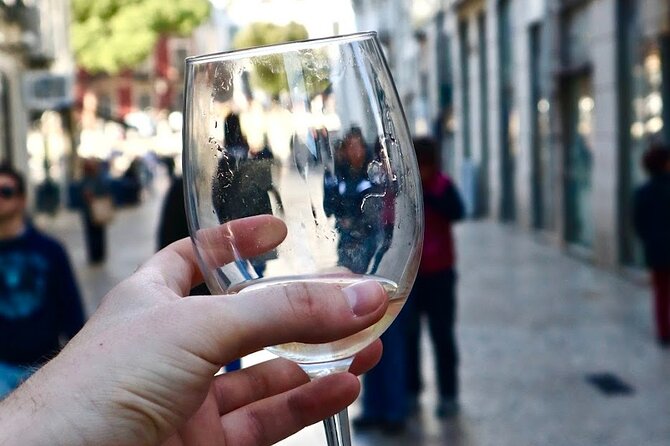
This kind of tour lives or dies by the guide. In this case, several names show up again and again in positive feedback: Vanda and Marta are praised for connecting food, wine, and neighborhood history in a way that keeps everyone engaged. Claudia gets credit for showing the city with energy and insight, and Tony is mentioned with notes about growing into the role (still described as a solid guide).
What that means for you: if you get a guide who enjoys the job, your experience feels less like eating a checklist and more like learning how locals think about food. You’ll also get practical advice, like how to handle Lisbon’s hills and how to navigate afterward.
Value for the price: what $97.94 buys you in Lisbon
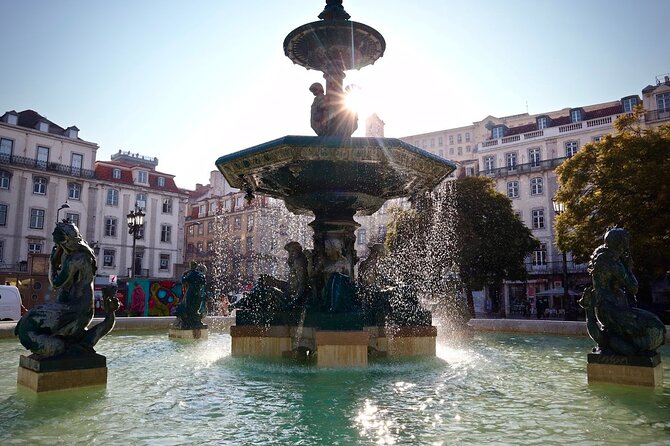
At about $97.94 per person for roughly 3 hours, the value hinges on one thing: you’re not just paying for one meal. You’re paying for multiple tasting stops—cheeses, cured meat, seafood, pastries—and paired drinks like Port and Ginjinha.
That’s why this works best early in your trip. If Lisbon has a short window for you, a tour like this compresses decision-making. After three hours, you’ll know what you want to order again on your own and what to skip. If you wait until the end of your trip, you may still enjoy it, but you lose the chance to turn the learning into better meals for the rest of your stay.
Who should book this Lisbon Food Tour (and who might not)
This tour fits best if you want:
- A first-day or early-trip Lisbon food reset so your later meals make more sense
- A mix of history + tastings rather than pure food-only stops
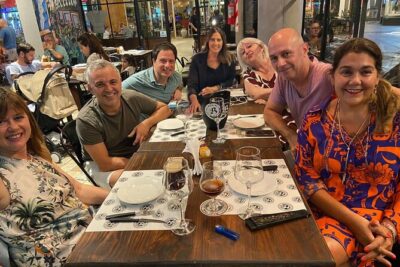
- A small group experience (maximum 12) where you can ask questions and keep up
It might be less ideal if you:
- Hate walking or standing for long stretches
- Want only a long sit-down meal (this is tasting-focused)
- Have very specific dietary needs and haven’t planned ahead with the operator
Should you book this Lisbon food tour?
I’d book it if your goal is simple: eat your way through Lisbon’s classics and get a quick education on how the city’s neighborhoods shape what ends up on menus. The strongest reasons to go are the pairing of Port wine + Ginjinha, the multiple tasting stops (not just one big meal), and the small group size that keeps the experience human.
Before you commit, do two things:
1) Confirm your start time and meeting point the day of, since the tour can adjust when local suppliers change.
2) If alcohol is a priority, ask whether you’ll be offered the drinks level you want, especially if you booked through a third-party site.
FAQ
FAQ
How long is the Lisbon Food Tour?
The tour runs for about 3 hours.
Where does the tour start and end?
It starts at Praça dos Restauradores and ends back at Praça dos Restauradores.
What’s included in the tastings?
The tour includes petiscos/tapas, artisan cheeses, fish, pastries such as pastel de nata, and other food items. You’ll also have included drinks such as Port wine, Vinho Verde, and Ginjinha, with additional included items on Sunday.
Are non-alcoholic options available?
Yes. Non-alcoholic options are available.
What group size should I expect?
The maximum group size is 12 travelers.
Is the tour offered in English?
Yes, it is offered in English.
Can the tour accommodate dietary requirements?
You should contact the operator in advance about dietary requirements so they can cater to you as best as possible.
Do I need hotel pickup?
No. Hotel pickup and drop-off are not included.
What if I need to cancel?
You can cancel for a full refund if you cancel at least 24 hours before the experience start time. If you cancel within 24 hours, no refund is provided.