REVIEW · LISBON
Tapas And Tascas: Private Food Tasting Experience In Lisbon
Book on Viator →Operated by City Unscripted · Bookable on Viator
Lisbon tastes best on foot, and this private route hits Alfama and Mouraria for classic bites. I love the mix of Alfama and Mouraria tasca stops with 6–8 tastings, and I also like that your private guide ties what you eat to how Lisbon became a food town. One drawback to plan for: this is a sampler, not a heavy meal, so if you expect lots of food volume or a long sit-down lesson, you may feel slightly hungry or want deeper explanations.
You begin at Praça do Comércio and work your way through central streets like Rua Augusta, then climb into the old-city lanes. Expect a final reward at Miradouro da Senhora do Monte, where a last portion of petiscos or a light snack comes with sweeping views of Lisbon and the Tagus.
In This Review
- Key things to know before you go
- Alfama and Mouraria food beats most checklist tours
- Starting at Praça do Comércio and Rua Augusta: coffee, sweets, and setting the scene
- Alfama’s lanes around Largo de São Miguel: codfish cakes and regional cheese
- Rua dos Remédios: tasca rhythm, local stories, and more bites
- Praça do Comércio to the hills: why the walking style works
- Miradouro da Senhora do Monte: the final bite with rooftop views
- How the private guide and questionnaire actually improve your day
- What you really get for the price: $189.84 and 4 hours of tastings
- Drinks included? What to expect beyond the food
- Who this tour suits best (and who should skip it)
- Should you book Tapas And Tascas in Lisbon?
- FAQ
- How long is the Tapas And Tascas private food tasting experience?
- How many tastings are included?
- Is pickup available, or is it only walking?
- Where does the tour start and end?
- Is this a private tour?
- What’s the cancellation window?
Key things to know before you go
- Alfama and Mouraria are the focus: You get old-street Lisbon rather than a generic tasting circuit.
- 6–8 tastings, not a full dinner: Great for variety; not built for huge portions.
- Private guide, tailored route: After booking, you answer a questionnaire so your host can steer the day.
- Fado-and-food context shows up: Guides have a track record of connecting dishes to Portuguese culture.
- Hilltop finish: The Miradouro da Senhora do Monte stop turns food time into view time.
Alfama and Mouraria food beats most checklist tours
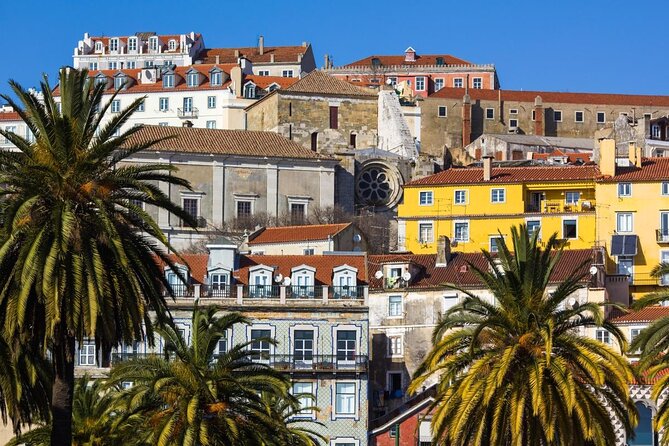
Lisbon has a way of feeding you while you walk. This private tasting experience is designed for that. Instead of only hitting famous spots, you spend your time in and around the older neighborhoods—places where the streets feel made for small plates, casual conversations, and hopping between tasca counters.
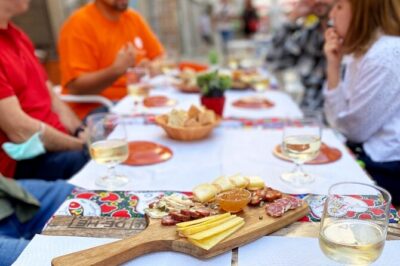
I like how the tour is built around tastings you can actually compare. You’re not just sampling one signature dish—you’re getting a spread that can include local cheeses, cured meats, codfish cakes (pastel de bacalhau), and Portugal’s famous pastel de nata. Add drinks that may include ginjinha, sangria, and port wine, and you’ve got a practical snapshot of how Lisbon eats in real life.
The “private” part matters here. Lisbon streets are compact and hilly, so having a host who can adjust the route for your pace and interests can turn a tough walk into a pleasant one. Reviews also point to hosts like Ricardo, Bernardo, and Ann Elise shaping the day around cultural interests, not only food items.
You can also read our reviews of more tours and experiences in Lisbon.


Starting at Praça do Comércio and Rua Augusta: coffee, sweets, and setting the scene
Your tour begins at Praça do Comércio, Lisbon’s large waterfront square. It’s a smart start because it gives you an easy mental map: you’re at a grand focal point, and from here the city feels like it opens into the pedestrian core.
From there, you move toward Rua Augusta, the classic walk-and-watch central street. Early on, you can expect a gentle “get into Portugal mode” moment—often a bica (Portuguese espresso) or a sweet from a nearby pastelaria. This isn’t just snack-time. It’s a useful way to start understanding why Lisbon treats coffee and pastry as everyday ritual, not only dessert.
What I’d watch for at this stage: if you’re not a coffee drinker, tell your guide early. The tour is flexible, but your guide needs to know what you’ll actually enjoy so the first stop doesn’t feel wasted.
Alfama’s lanes around Largo de São Miguel: codfish cakes and regional cheese
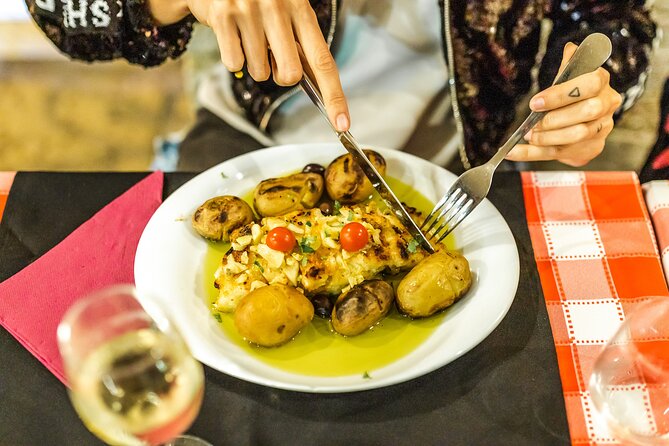
Alfama is where Lisbon starts to feel like a maze in the best way. Narrow lanes, steep little climbs, and small restaurant doors around the corner. Your host brings you into that atmosphere with targeted stops that match the area’s food identity.
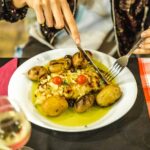
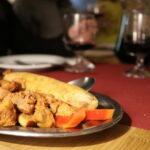
A key stop here is around Largo de São Miguel, where you’ll have a traditional tasca-style tasting. You should expect items like pastel de bacalhau (codfish cakes) and regional cheeses. If you love seafood comfort food, this is one of the most satisfying parts of the walk. Cod is a cornerstone in Portuguese cooking, and seeing it show up as a crispy, handheld cake helps it click immediately.
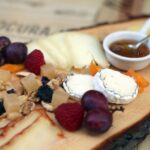
The cheese pairing also helps. In Lisbon, cheese isn’t just a platter garnish—it’s part of the way meals and snacks are built. A few bites here can teach you more about Portuguese flavor logic than you’d expect, especially if your guide explains how these ingredients became common in the area.
Possible drawback: because tastings are portioned as samplers, you might not get the feeling of a full-course meal yet. If you’re someone who needs steady food volume, this is where good pacing helps. Drink water between bites, and don’t rush.
Rua dos Remédios: tasca rhythm, local stories, and more bites

After your Alfama tasting moment, you keep moving along toward Rua dos Remédios, another street that’s well known for its old-city food scene. Here, you’re not just walking from one famous landmark to another. You’re experiencing the neighborhood’s rhythm—short distances, quick exchanges, and the sense that you’re eating where people live and work.
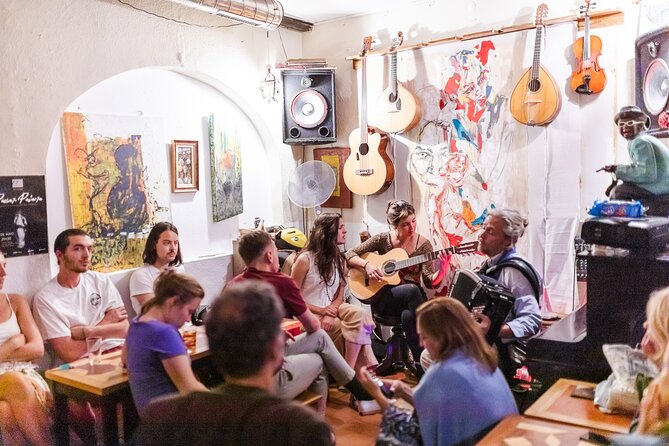
This is typically where your guide’s storytelling gets practical. Guides have been praised for Portuguese history context and for linking food to cultural identity, including connections to fado heritage. That kind of context matters because it helps you understand why certain foods show up again and again in Lisbon rather than feeling like random tourist samples.
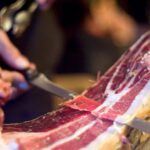
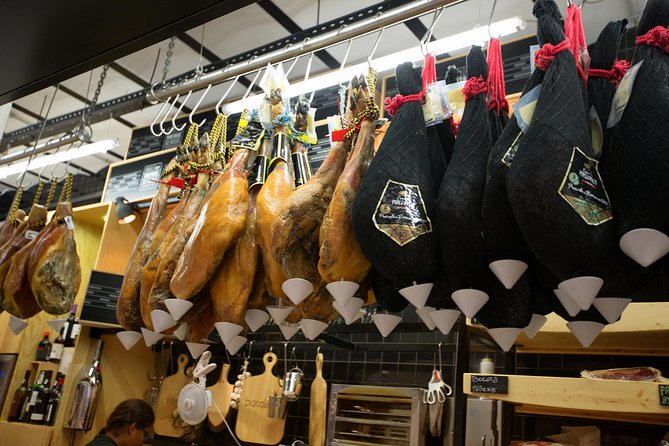
Expect more small tastings during this stretch. Depending on your interests, you might also see more cured meats or other Portuguese bites that fit a tasca-style spread. The goal is variety: salty, creamy, crispy, and sweet across a few stops.
If you’re a picky eater, this is a good moment to use your private guide’s flexibility. Early in the day, ask your host what’s coming next and where you can swap or adjust. You’ll get a better result if you speak up before you’re already standing in front of a dish you don’t want.
Praça do Comércio to the hills: why the walking style works
This experience is a walking tour, and that’s not just a logistical detail. Lisbon’s hills shape the way you eat.
When you climb a few streets, a small plate tastes better. Your appetite feels more honest. And the pause moments—the tasca doors, the viewpoint snack—feel earned instead of forced.
You should also plan your footwear like a local. This is a route through old streets, which can mean uneven sidewalks and steep sections. If you know you’ll struggle on hills, consider asking about the possibility of using public transport or a taxi for transfers between areas, since the tour notes that transport may be used for getting between sites at additional cost.

Miradouro da Senhora do Monte: the final bite with rooftop views
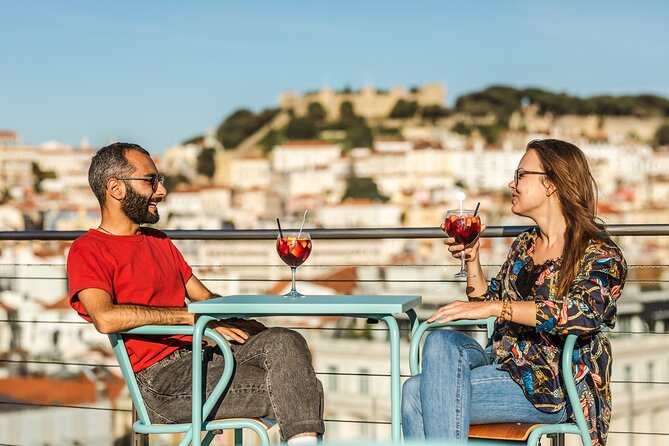
The finish is at Miradouro da Senhora do Monte, Lisbon’s high-viewpoint spot. This is a smart ending because you get a clear visual payoff. After a few hours of walking and tasting, the city opens up.
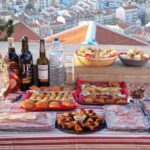
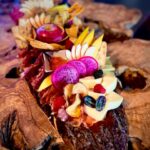
At the end, you’ll relax with your final tasting—a selection of petiscos or a light snack—while you take in panoramic views of Lisbon rooftops and the Tagus River. This turns the last tastings into a memory anchor. Even if you can’t remember every bite by name a week later, you’ll likely remember how the city looked while you ate it.
One consideration: viewpoints are exposed to wind and weather. If it’s cool or breezy, the snack can feel lighter than expected. Bring a layer even in mild seasons.
How the private guide and questionnaire actually improve your day
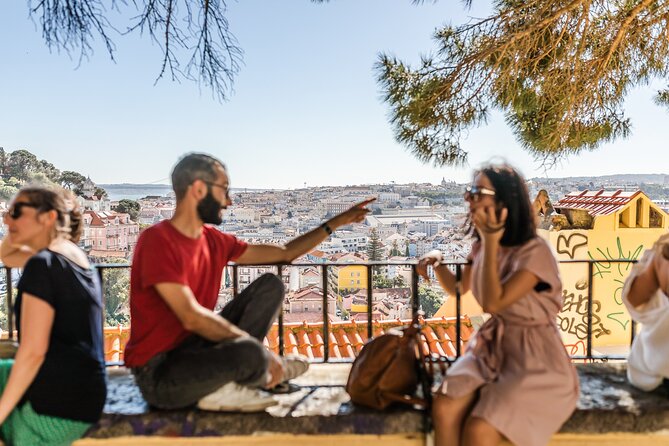
This tour stands out because it’s not strictly fixed. After you book, you answer a short questionnaire to share preferences and must-sees, and your host uses it to craft a route that fits your interests—whether that’s history, food, hidden gems, or cultural experiences.
That’s a big deal in Lisbon because “food culture” can mean a lot of things. Some people want famous dishes like pastel de nata. Others want cured meats and cheeses. Some want more context, like how foods link to Portuguese identity and even fado heritage. With a private guide, you’re not stuck with the same default plan.
I also like that the tour is designed as a small, personal experience for your group only. There’s no scrambling to follow a crowd, and you can ask simple questions without feeling rushed.
From the guide names mentioned in feedback—Ricardo, Bernardo, and Ann Elise—you can also expect hosts who know how to keep things friendly and welcoming at the places you visit. Warm acceptance in local shops matters. It makes the tastings feel less like a performance and more like the real day-to-day way Lisbon works.
What you really get for the price: $189.84 and 4 hours of tastings
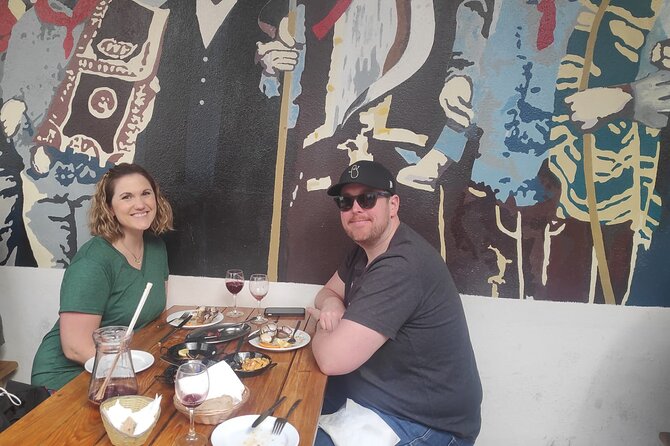
The price is $189.84 per person for an approximately 4-hour private walking experience. That can sound steep if you’re comparing it to a cheaper group tour, but the value here is in the match between cost and what you receive:
- You get 6–8 tastings of authentic specialties, which is more than a single stop-and-snack.
- You get a private local host and tailored planning through the questionnaire.
- You’re also paying for route efficiency in a hilly, older city where timing and pacing matter.
Think of it as paying for a guided food strategy. Instead of randomly picking places, you get a sequence of bites that makes sense together—salty to sweet, seafood to dairy, and street-level Lisbon to a viewpoint finale.
One thing to keep in mind: food is portioned as tastings, and one piece of feedback described the food as minimal. I’d treat that as a caution for anyone who wants lots of food weight. If you like to eat a lot, you might pair this tour with a bigger dinner afterward.
Drinks included? What to expect beyond the food
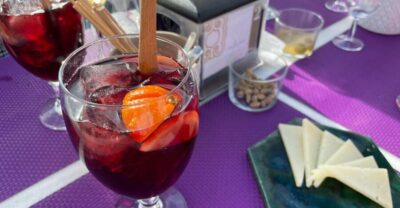
The experience highlights tasting culture with options that may include drinks like ginjinha, sangria, and port wine, alongside coffee and sweets such as pastel de nata. Even when alcohol is part of the mix, the format stays sampler-style—multiple small tastes rather than one big pour.
Practical move: if you’re planning to drive, remember alcohol can be part of the tastings. Also pace yourself. Lisbon can be a walking marathon, so you’ll enjoy the views more if you keep the tasting portioned rather than chugging.
Who this tour suits best (and who should skip it)
This is a strong match if you want:
- A starter tour for Lisbon’s food identity early in your stay
- Old neighborhoods like Alfama and Mouraria, not only central tourist streets
- A tasting-focused morning or afternoon with a guide who connects food to culture
- A private setting where your interests shape what you eat
You might want to choose something else if:
- You’re hungry for a full meal experience rather than small plates
- You expect a deep lecture format. The tour includes explanations, but it’s designed around tasting and movement, not long museum-style narration.
- Your group has major mobility constraints. You can walk a lot here, and transfers may require extra transport cost.
Should you book Tapas And Tascas in Lisbon?
Yes, if you’re aiming for a smart first taste of Lisbon’s food culture with real neighborhood walking and a guide who tailors the route. It’s especially worth it if you want classic Lisbon bites like codfish cakes and pastel de nata, plus a mix of cheeses and cured meats.
I’d book it with a simple expectation: you’ll leave fed and smiling, but not stuffed. Plan a proper dinner afterward, and wear shoes built for Lisbon’s hills.
If your main goal is heavy food volume or maximum education per minute, you might consider a different style of tour. But for most people who want a memorable, flavorful walk through Alfama and Mouraria, this one is an easy yes.
FAQ
How long is the Tapas And Tascas private food tasting experience?
The tour lasts about 4 hours.
How many tastings are included?
You can expect 6–8 tastings of authentic local specialties, such as pastel de nata and codfish cakes, plus other Portuguese bites.
Is pickup available, or is it only walking?
Pickup is offered. The experience is primarily a walking tour, and public transportation may be used to transfer between sites at an additional cost.
Where does the tour start and end?
It starts at Praça do Comércio in Lisbon, and it ends back at the meeting point.
Is this a private tour?
Yes. It’s a private tour/activity, so only your group participates.
What’s the cancellation window?
You can cancel for a full refund if you cancel at least 24 hours before the experience’s start time.