REVIEW · VALENCIA
Valencian Paella class with welcome drinks and tapas
Book on Viator →Operated by Academia Valencia Gourmet · Bookable on Viator
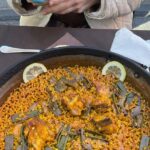
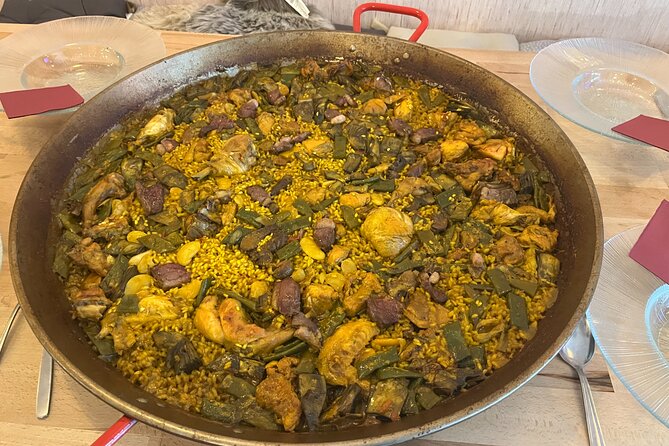
Paella class with real chefs beats watching. This Valencia session is built like a working rice kitchen, with a team of long-running paella experts who guide you through making Valencian paella plus a classic tortilla de patata. You also get welcome drinks and tapas, and you finish with a diploma from the school.
I love that you cook, not just watch. The format pushes you to handle the pan and follow step-by-step direction while you learn what makes Valencian paella different from other rice dishes.
One thing to consider: a couple of past guests reported awkward starts (no one at the door or a tense first moment), and one guest said English support didn’t match expectations. I’d treat that as a reminder to show up on time and verify the language for your specific session.
In This Review
- Quick highlights
- Where this Valencia paella class really shines
- Meeting point on Carrer de Joaquín Costa: easy to find, easy to start late
- Welcome drinks and tapas: the warm-up you actually need
- The Perellò tomato moment: why this matters with rice
- Cooking Valencian paella: the skills you can repeat at home
- What tends to make it memorable
- Tortilla de patata: your second win on the same schedule
- Meal time: eating what you make, not leftovers
- The private group factor: why it changes how you learn
- Chefs with names you’ll likely hear: Christian, Jorge, and Kristina
- Price and value: what $82 gets you (and why it can be worth it)
- Small risks to know before you go
- Is this the right class for you?
- Should you book this Valencia paella class?
- FAQ
- Where is the paella class meeting point in Valencia?
- How long is the experience?
- What dishes will I cook?
- Will there be food and drinks besides what I cook?
- Do I receive anything besides the meal?
- Is this a private group activity?
- Do I need a paper ticket?
- How do I know the time is confirmed?
- Is there free cancellation?
- FAQ
- Is the class taught in English?
- Is it near public transportation?
- How much does the experience cost?
Quick highlights
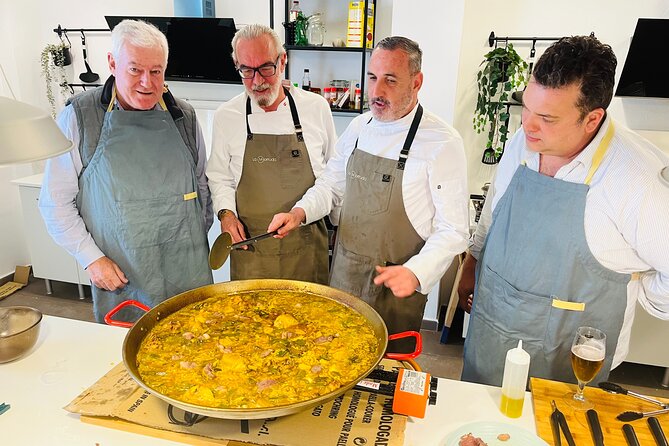
- Hands-on Valencian paella cooking with a group of experienced rice restaurant pros
- Tortilla de patata included, so you leave with two Spanish staples
- Welcome drinks and tapas before you start cooking, plus traditional Perellò tomato with the meal
- Small, private setup: you only share with your group, and some classes run with very few people
- A diploma from the school, which makes it feel more like a real food workshop
- Chefs by name show up in reviews, including Christian, Jorge, and Kristina
Where this Valencia paella class really shines
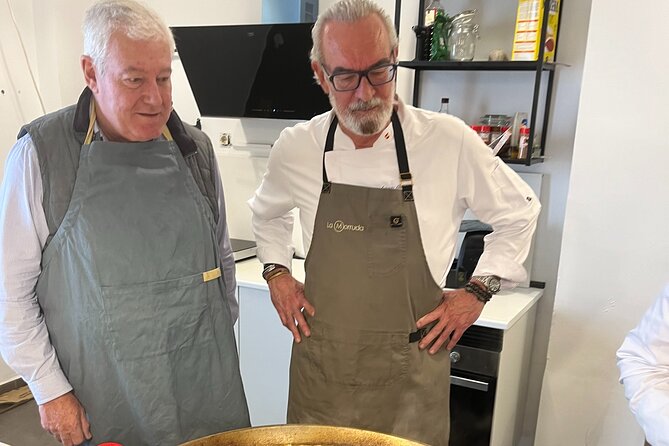
If you’re after the Valencia version of paella, you want more than a plate and a story. You want technique: how to build flavor in stages, when to add ingredients, and how to treat the rice so it cooks the right way instead of turning mushy or uneven. This class is designed around that kind of practical learning, with cooks who have been running rice restaurants along the coast for over 20 years.
What makes it more interesting is that it’s not only paella. You also cook a potato omelette, eat it all together, and you add the traditional Perellò tomato to balance the meal. That combo matters because it gives you both a signature rice dish and a reliable Spanish “comfort” dish you can reproduce later.
You can also read our reviews of more tours and experiences in Valencia.


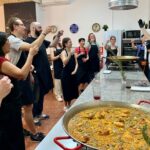
Meeting point on Carrer de Joaquín Costa: easy to find, easy to start late
You meet at Carrer de Joaquín Costa, 45, in L’Eixample (46005) and the activity returns to the same spot. That’s helpful because you’re not committing to a whole day of transfers in Valencia—just a focused block of cooking time.
The location is also described as near public transportation. So if you’re coming from the Old Town or the beach area, you can usually piece together a short ride plus a walk, rather than relying on a taxi for a tiny time block.
Practical tip: arrive a few minutes early and look for the specific kitchen/class setup at the address. In one instance, a past guest reported that nobody was there at the doorway, so being early (and ready to call or message if needed) is the simplest hedge.
Welcome drinks and tapas: the warm-up you actually need
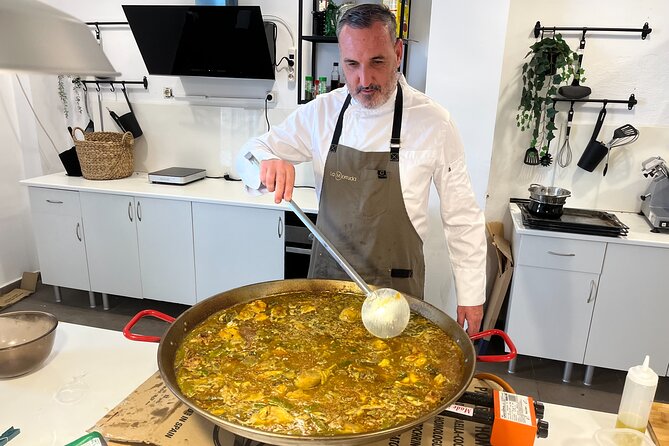
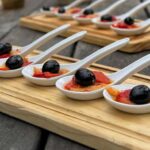
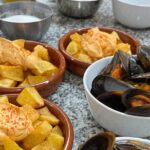
Before you start cooking, you get welcome drinks and tapas. In at least one review, the drink was a Valencian cocktail, which fits perfectly with the theme and helps shift you into local mode fast.
The tapas component isn’t just a snack. It acts like a palate primer—salty bites, fresh flavors, and an easy pace that lets you taste while the kitchen gets you organized. And because you’ll be cooking with heat and timing, that starter energy matters more than you’d think.
If you’re the type who likes to understand what you’re making, this is the moment to ask casual questions. Tapas are where people often talk about what makes Valencia’s ingredients different, including how tomato plays with rice-based meals.
The Perellò tomato moment: why this matters with rice
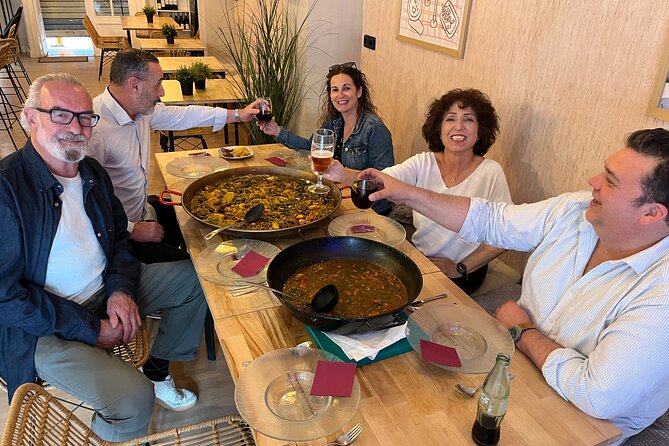
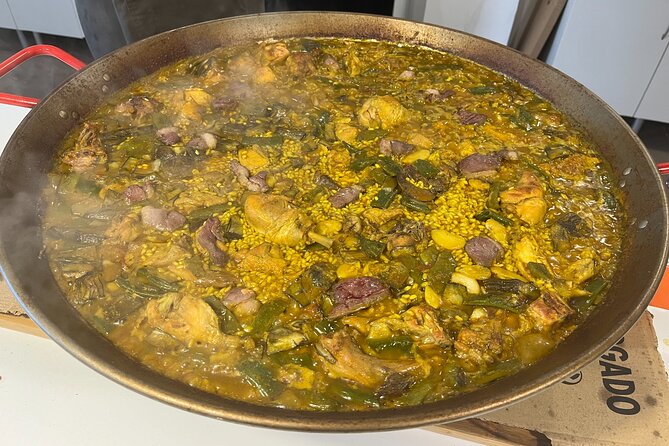
The class includes tasting the paella and tortilla alongside traditional Perellò tomato. This detail is worth paying attention to, because tomatoes in Spain often taste like a whole category on their own, not just a garnish.
Perellò tomatoes are known for their sweetness and structure, which makes them work well with heavier foods like rice and eggs. If you’ve only had tomato as a background flavor, you’ll likely notice the difference here—especially once you taste it with what you’ve cooked.
My advice: when you taste the tomato, treat it as a separate lesson. Notice acidity, sweetness, and texture. That kind of awareness helps when you try cooking at home and start choosing better tomatoes instead of settling for whatever’s easiest to find.
Cooking Valencian paella: the skills you can repeat at home
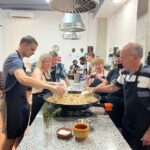
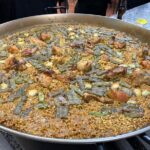
This is the headline, and it’s handled like a real workshop. You cook the Valencian paella with guidance from expert cooks, and you get a clear path from prep to cooking to eating. The most praised part across feedback is the hands-on approach—people repeatedly say they worked while learning instead of standing around.
What you should expect from a class like this, based on how these sessions are described: you’ll likely follow the timing and sequencing that makes paella work. Rice dishes aren’t only about ingredients; they’re about order and heat. When you do it yourself, you start to understand why some steps feel fussy and others feel forgiving.
Language note: one guest reported an English-guided booking where the chef didn’t speak enough English, so involvement may depend on the instructor assigned. If you want maximum interaction, consider booking with a clear language note and be ready with a few food-related words in Spanish.


What tends to make it memorable
In multiple accounts, instructors like Christian and Jorge brought humor and kept things moving, even while people were actively cooking. One review mentions music playing during the prep, which turns a long cooking process into something more like a lively dinner party than a school lecture.
That matters because paella takes time. If the room is comfortable and the group stays engaged, you’re more likely to remember the key moments that make the dish click.
Tortilla de patata: your second win on the same schedule
You also cook a potato omelette (tortilla de patata) as part of the same experience. This is smart planning. Paella can be intense and timing-heavy, while tortilla is more forgiving and teaches you a different skill: controlling the egg and potato to get a set, sliceable result.
Why this belongs in the same class: tortilla and paella complement each other well. Eggs bring richness, potatoes bring comfort, and then the meal feels like a complete Spanish plate instead of a single-dish demo.
Plus, it’s exactly the kind of food you can repeat later. If you’ve ever made an omelette that turned out rubbery or undercooked, you know practice matters. Having a chef show how they handle the process gives you a template you can use at home.
Meal time: eating what you make, not leftovers
Once you finish cooking, you taste what you made together. Reviews highlight that the paella and tortilla are served for lunch after preparation, and that the overall food experience is a big part of the appeal.
Some accounts also mention wine with the meal. That’s a big value add because it turns a cooking class into a full dinner-table experience rather than a quick snack-and-leave setup.
One more detail that signals quality: multiple guests call out that the overall experience, not just the recipe, felt well organized and genuinely fun. You’re not only learning how to cook; you’re also learning how to sit down and enjoy the results immediately.
The private group factor: why it changes how you learn
This is described as private, with only your group participating. In practical terms, that often means more attention at the cutting board and fewer moments where you’re waiting for the instructor to notice you.
One review mentioned a total group size of four people. Small groups like that usually mean you can ask questions without feeling rushed and you can actually get enough time at each station to build confidence.
If you’re traveling as a couple, this kind of intimate setup can be a sweet spot. You get interaction without the chaos of a large class. And if you’re traveling with friends or family, it’s a nice shared activity that still feels personal.
Chefs with names you’ll likely hear: Christian, Jorge, and Kristina
A lot of cooking classes hide the human side behind generic titles. Here, reviews repeatedly connect the best moments to instructors by name, including Christian and Jorge, and hosts associated with Kristina.
What you can take from that: the teaching style seems to blend technique with personality. People mention laughter, personal attention, and a fun tone while they’re actively cooking. That’s a real factor. A good chef can explain steps, but a good teacher can also keep you relaxed enough to actually absorb the process.
If your priority is learning, I’d look for signals that the instructor actively involves the group. Some guests did note a case where the group felt more like observers, so you should aim to book a session where you’ll be working at the stations.
Price and value: what $82 gets you (and why it can be worth it)
At $82 for about 2 hours 30 minutes, you’re paying for more than recipes. You’re paying for expert instruction, ingredients, a sit-down meal, and extras like welcome drinks and tapas.
Here’s how I think about the value:
- You cook two dishes: Valencian paella and tortilla de patata. That’s more than typical single-dish workshops.
- You get extra components: welcome drinks, tapas, and Perellò tomato with the meal.
- You leave with a diploma. Even if you don’t display it, it adds a clear “program” feel.
- Private group only your party can reduce the feeling of paying for strangers’ participation.
If you compare this to eating a similar meal out in Valencia and hiring a private guide for food context, the cost can feel reasonable. You’re not just paying for taste; you’re paying for skills and time.
One more value indicator: multiple guests rate the experience highly for instruction quality and overall fun. When a class consistently hits that mix, it usually means you’re not wasting time.
Small risks to know before you go
Even in the best cooking classes, a few things can affect your experience. Based on past feedback, the biggest considerations are:
- Arrival and reception: at least one guest reported no one was there at the meeting point. Arriving early helps, and having your mobile ticket ready makes it easier to confirm you’re at the right place.
- Language fit: one guest said a chef struggled to teach an English group. If language matters to you, check what’s offered for your exact booking.
- Kitchen atmosphere: one account mentioned a tense start, which impacted their comfort. Kitchens run differently session to session, so manage expectations and ask questions if something feels off.
These aren’t deal-breakers for everyone, but they’re practical flags. The easiest way to avoid disappointment is to show up calm, communicate early if there’s confusion, and treat it as a hands-on learning workshop, not a performance.
Is this the right class for you?
You’ll probably love this experience if you want a real Valencian paella approach, not a simplified demo. If you enjoy cooking, even at an entry level, the tortilla addition is a bonus that gives you another skill to take home.
You might want to choose another option if you want a guaranteed English-only guide, or if you’re very sensitive to the first moments of an experience. In one case, the start wasn’t smooth, and in another, the language match wasn’t ideal. Most sessions seem to run well, but these exceptions exist.
Also, if you’re the type who loves ingredients, Perellò tomato is a nice detail to taste properly instead of skipping it.
Should you book this Valencia paella class?
Book it if you want hands-on Valencian paella, a chance to cook tortilla de patata, and an actual meal with welcome drinks and tapas. The price looks fair for a two-and-a-half-hour workshop that includes more than cooking—there’s also the diploma and a team with long coast-coast restaurant experience.
Don’t book it blindly if language is critical for you or if you hate any uncertainty about arrival. If you do book, plan to arrive early and confirm the language for your session. That small prep can turn a potentially frustrating situation into a smooth, fun night.
FAQ
Where is the paella class meeting point in Valencia?
You meet at Carrer de Joaquín Costa, 45, L’Eixample, 46005 València, Valencia, Spain.
How long is the experience?
It runs about 2 hours 30 minutes.
What dishes will I cook?
You’ll cook Valencian paella and potato omelette (tortilla de patata).
Will there be food and drinks besides what I cook?
Yes. The experience includes welcome drinks and tapas, and you also taste the dishes you prepare with traditional Perellò tomato.
Do I receive anything besides the meal?
Yes. You receive a diploma from the school after taking the course.
Is this a private group activity?
Yes. It is private, and only your group participates.
Do I need a paper ticket?
No. It includes a mobile ticket.
How do I know the time is confirmed?
You receive confirmation at the time of booking.
Is there free cancellation?
The experience offers free cancellation up to 24 hours in advance for a full refund.
FAQ
Is the class taught in English?
The tour information does not specify a language. One review said an English-guided booking didn’t match English ability, so it’s worth checking the language for your exact session when booking.
Is it near public transportation?
Yes, it’s described as near public transportation.
How much does the experience cost?
The price is listed as $82.