REVIEW · ALICANTE
Alicante: Central Market Guided Food Tour with Tapas Bars
Book on GetYourGuide →Operated by Ali-Oli Tours · Bookable on GetYourGuide
Food markets are my favorite kind of travel lesson. This one pairs Mercat Central d’Alacant with two tapas bars, so you get both ingredients and the finished plates.
I especially like that the tastings are built to be a real meal, not tiny samples. And I love how the English guide connects what you’re tasting to how locals actually shop, cook, and order.
One caution: you really do eat a lot in just 2.5 hours, so come hungry and plan to walk and stand. If you get overwhelmed easily by food stops, this may feel like a fast bite marathon.
In This Review
- Key things to know before you go
- Mercat Central d’Alacant: the market as your Alicante menu
- Tastings at the market: more than snacks, it’s a food foundation
- Two quick walks, two tapas bars: how the pace stays fun
- First tapas stop: beer or wine with a plate that makes sense
- Second tapas stop: the “full lunch” effect lands here
- What the guide does (and why it improves every bite)
- Price and value: why $82 can work out well for a meal
- Who should book this Alicante food tour
- Ending on Rambla de Méndez Núñez: easy continuation after lunch
- Should you book this tour?
- FAQ
- How long is the Alicante Central Market guided food tour?
- Where does the tour start?
- How big is the group?
- What language is the tour guide?
- How much food and drink is included?
- Can I cancel for a full refund?
Key things to know before you go
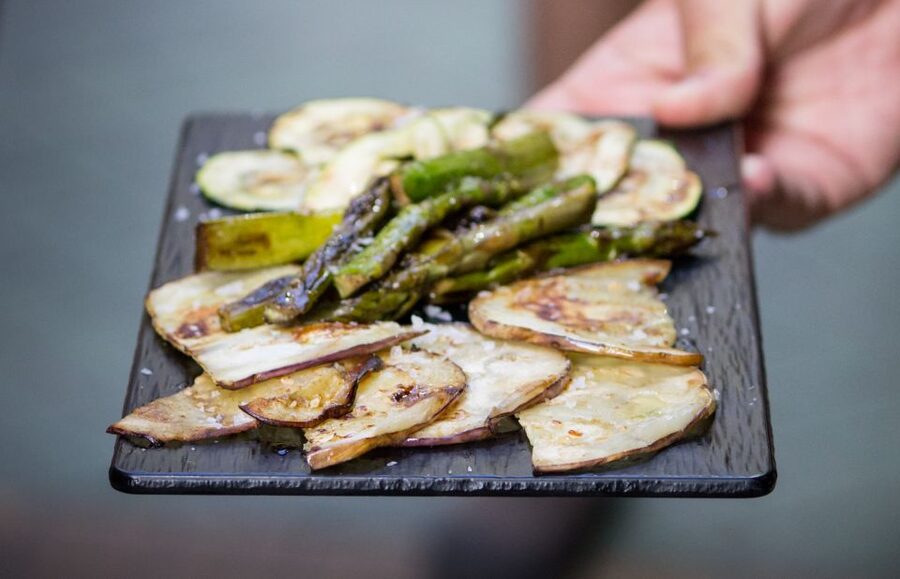
- Small group (up to 10): calmer pacing and better guide attention.
- Central Market first: you start with local produce and cured staples before tapas.
- Food equals a full lunch: expect enough tastings plus tapas and drinks to satisfy you.
- Two tapas bars: you’ll try multiple bites and drinks, with the guide translating what you’re eating.
- Ends on Rambla de Méndez Núñez: easy to keep exploring after your last stop.
Mercat Central d’Alacant: the market as your Alicante menu
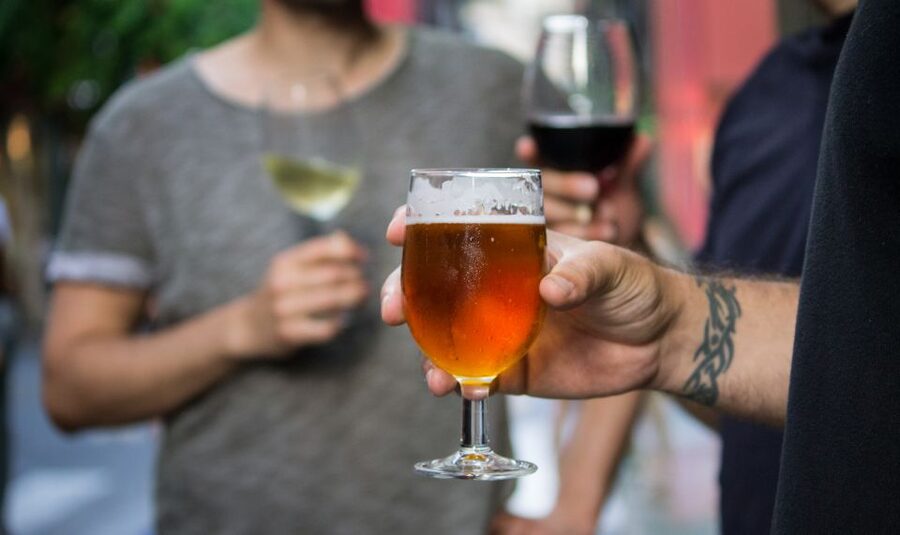
Your tour kicks off at Mercat Central d’Alacant, the big indoor market that feels like the city’s daily pantry. You meet outside the main entrance, near the kiosk Albert Sirvent, close to the stairs that lead up into the market. It’s a smart starting point because it quickly gives you context: this is where neighborhood shoppers come in the morning to grab what they’ll cook for the day.
Once you’re inside, I like the way the place works like a map. Different stalls cluster around different foods, and you can feel the rhythm of the market: people picking up ingredients, chatting with vendors, and moving with purpose. The guide keeps you from drifting aimlessly by steering you toward tastings that match what locals actually buy, not what’s easiest for tourists to spot.
What makes this stop especially valuable is the ordering of the experience. You don’t start with tapas bars first. You start with raw ingredients and local specialties, so later, when you hit the bars, you understand why those ingredients show up in certain ways.
Practical tip: wear shoes you don’t mind standing in. Markets are great for walking, but they’re not the place for delicate footwear.
You can also read our reviews of more tours and experiences in Alicante.

Tastings at the market: more than snacks, it’s a food foundation
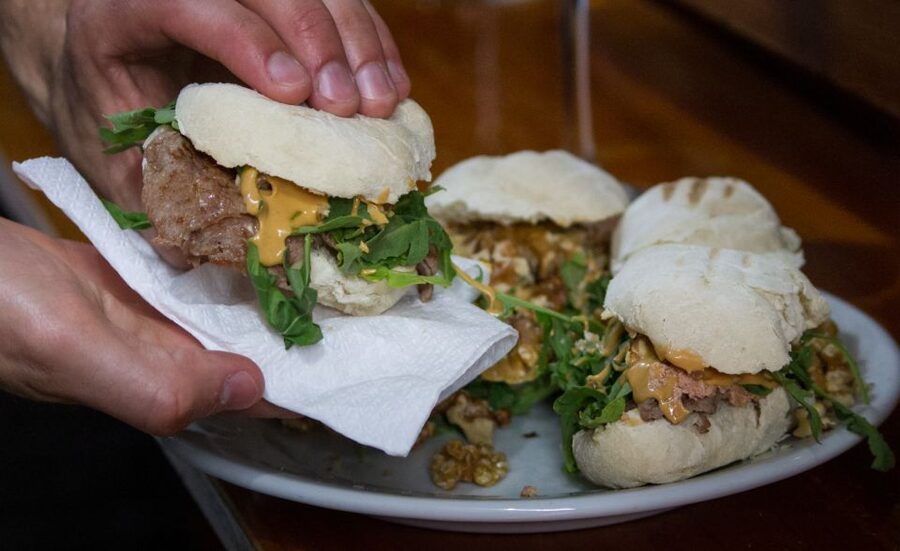
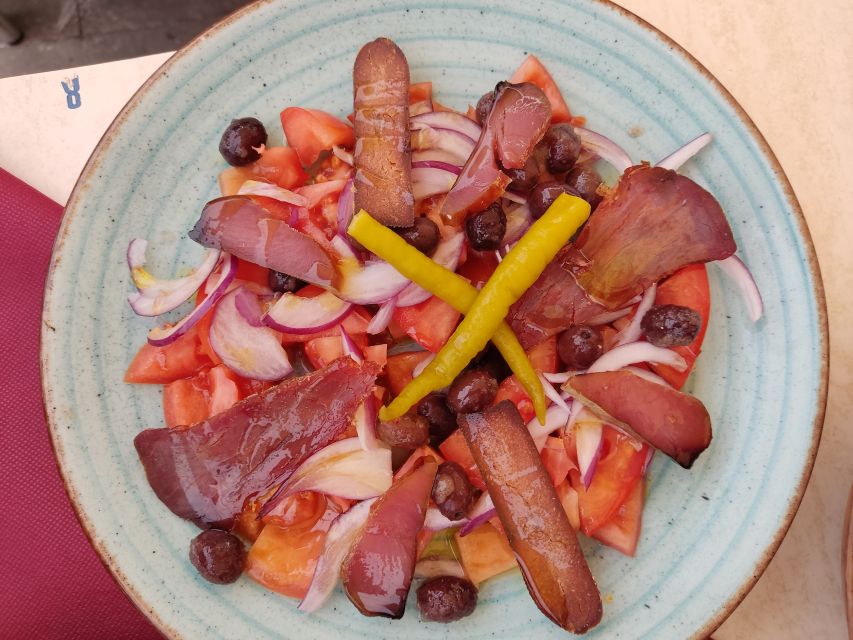
At the market, you’ll do several tastings, and the spread focuses on the kind of foods Alicante’s residents keep close. Think cured ham, olives, and seasonal fruit. You’ll also get to stroll among stall owners, who are used to regular local customers and show up ready with daily recommendations.
The tour is structured so you’re not just tasting random items. You’re learning the logic behind them. When you try cured ham and olives early, you start to see how those salty, savory flavors anchor a lot of Spanish eating. When seasonal fruit shows up, it adds brightness and balance, the same way it does when locals eat it with meals.
I also like that the market experience is described as a visit with friendly people who work there. That matters because you’re more likely to get practical explanations than generic food facts. You’ll end up understanding things like how the ingredients taste on their own and how they might pair with what you later drink and eat in tapas form.
Because the food amount adds up to a full lunch equivalent, it’s best not to treat the market tastings as a light warm-up. Plan to enjoy them fully, not nibble while thinking about saving room.
Two quick walks, two tapas bars: how the pace stays fun
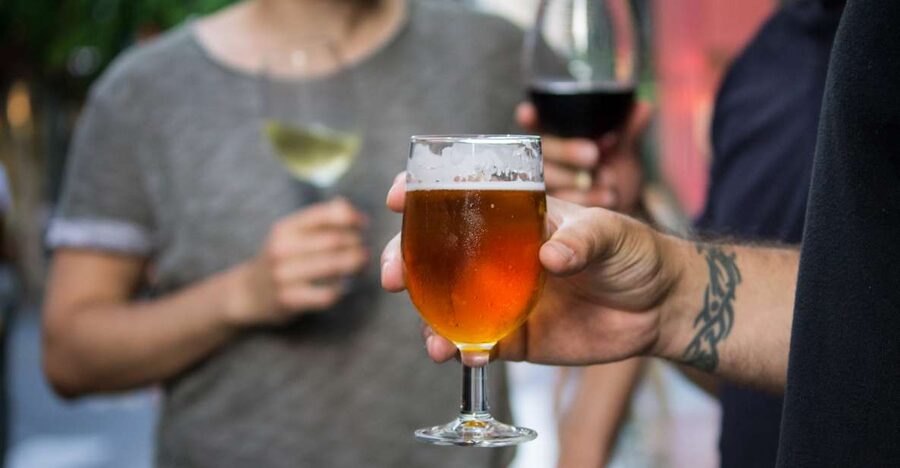
After the market, you move into the city on foot. There’s a short walk—about 10 minutes—so you get a break from the indoor market noise and start to feel Alicante’s streets around you.
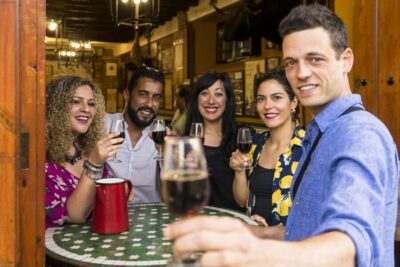
Then you hit the first tapas bar for about 40 minutes. This portion of the tour is where you shift from ingredients to eating culture. The guide helps you interpret what you’re tasting, and you’ll usually get a mix of bites plus drinks. The drinks aren’t just an afterthought either: you’re included for two drinks overall, chosen from options like wine, beer, refreshment, or water.
Even if you don’t consider yourself a major drink person, it’s still useful. Drinks in tapas bars often change how flavors read, and the guide can point you toward what to notice.
What I like most about the bar format is the pace. You’re not stuck at one place until you’re tired. You get time to eat, but you also get momentum. That keeps the experience feeling like a proper outing instead of a slow slog.
Also, because the group is capped at 10, you’re less likely to feel like you’re constantly squeezing past other people while trying to hear the guide. That’s a big deal in busy places, even when things are relaxed.
First tapas stop: beer or wine with a plate that makes sense
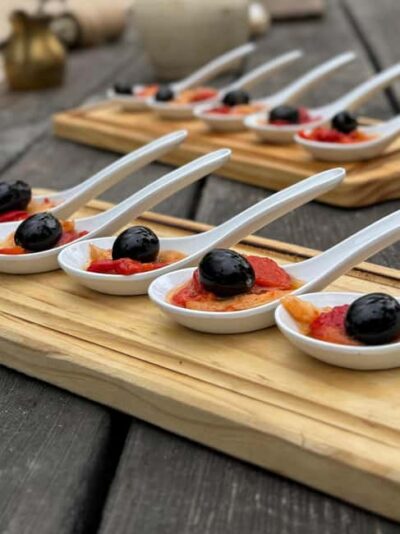
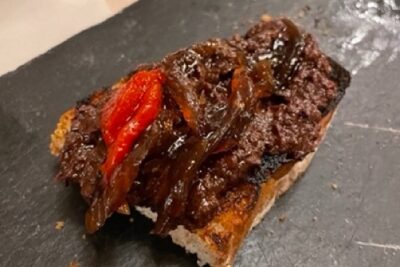
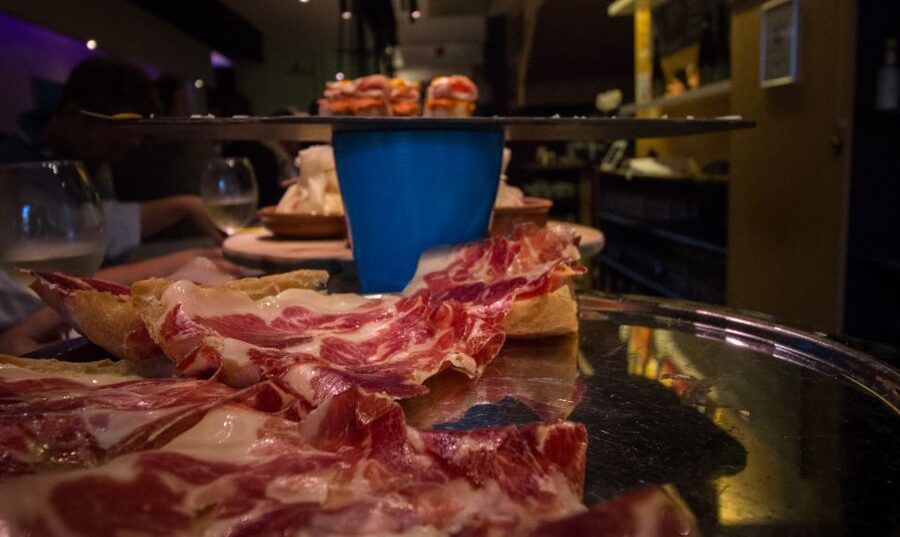
At the first bar, the focus is on local tapas that you can actually learn from. You’ll get a mix of individual and shared tapas, which is ideal because it gives you variety without requiring you to order everything yourself.
Shared tapas are handy for beginners. If you’ve never navigated Spanish menus, you can’t always guess what’s filling, what’s mild, or what pairs best with what. The guide’s role here is practical: they help you make sense of the choices and connect the bites back to what you tasted at the market.
You’ll likely notice the flavors moving as the tour progresses. Market items like cured ham and olives are a strong base, and tapas bars tend to remix those themes into more layered bites. That’s why starting at the market pays off. You’re not just eating. You’re comparing.
If you’re the type who likes to take it slow, this segment still works, but stay mentally ready to keep moving. You’ve got a plan for what you’ll eat next, and part of the fun is not having to think too hard.
Second tapas stop: the “full lunch” effect lands here
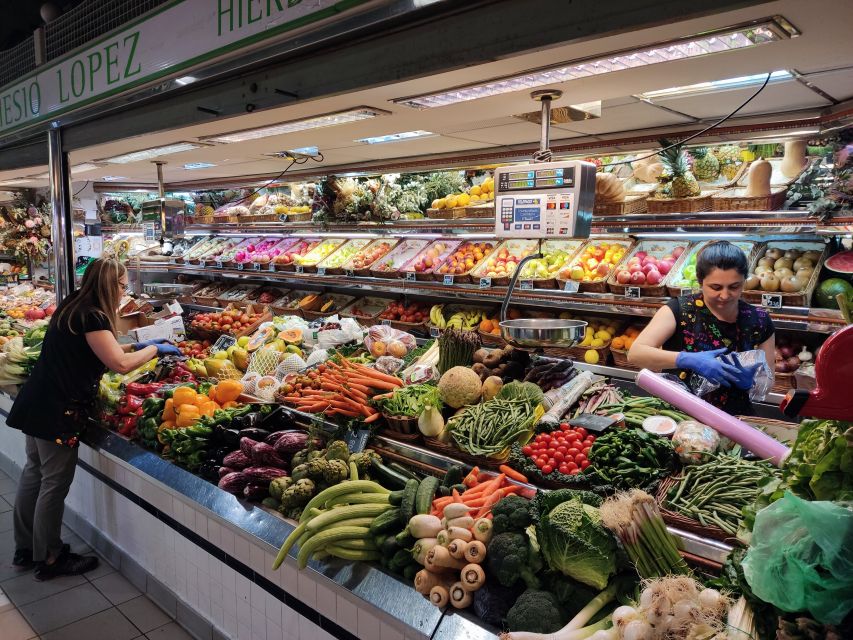
The second bar follows another short walk—around 15 minutes—so you’re not bouncing around the city for hours. This leg keeps the day feeling like a natural route instead of a string of unrelated errands.
The second tapas stop lasts about 30 minutes, and this is where the tour’s “full lunch” promise becomes real. By now, you’ve built a taste base at the market, and you can better recognize what you enjoy. You’ll keep sampling local tapas and you’ll continue with the included drink pairing from the tour plan.
This is also the most satisfying part if you’re food-led. The tour is explicitly designed so the total amount of food is equivalent to a full lunch, and that means you’ll finish full, not just lightly curious. That lines up with one of the most common strengths people praise: you actually eat.
If you’re worried about portion size, here’s the honest way to handle it: come on an empty stomach and avoid planning a big meal later the same day. You can still snack afterward, but you probably won’t need a full replacement lunch.



What the guide does (and why it improves every bite)
A good food tour is not just a list of places. It’s translation. In this case, you’re working with a live English guide, and the tour experience is described as fun and experienced, which shows up in how they explain what you’re tasting.
For me, the key value is that you learn by tasting and then hearing what to notice. When the guide connects a market product to a tapas bar bite, it turns a meal into a lesson you’ll actually remember later.
If you get a guide like Rebecca, you’ll benefit from stories that make the market feel alive and the products feel specific to Alicante, not generic “Spanish food.” That kind of local context helps you leave with more than a full stomach. It helps you choose better when you’re on your own, because you’ll know what to look for.
Even if you’re not trying to become a food scholar, understanding a few core ideas makes menus easier. You can recognize what’s worth ordering and what you’ll probably enjoy, which saves time and prevents the usual ordering guesswork.
Price and value: why $82 can work out well for a meal
At $82 per person for 2.5 hours, this tour isn’t the cheapest way to eat in Alicante. But it also isn’t just a snack tour.
Here’s what you’re getting, in concrete terms:
- Several tastings at the Central Market
- Two drinks (wine, beer, refreshment, or water)
- Tapas at two bars that add up to a meal equivalent to full lunch
- A small group capped at 10 participants
- A live English guide who interprets what you’re tasting
If you’ve ever tried to assemble your own tapas crawl without a plan, you know how quickly it adds up. Just one tapas stop can cost the equivalent of what you’d spend on half the tour if you’re ordering multiple plates plus drinks. This tour packages the route and the guidance together, so you don’t waste time deciding where to go and what to order.
So the value here is the combination: food quantity + drinks + local interpretation + small-group pacing. You’re paying for someone to get you to the right places and make the experience coherent.
Who should book this Alicante food tour
This is a great fit if:
- You want a real lunch amount of food without building your own route
- You like market-style eating and want to learn from what locals buy
- You’d rather eat with a guide than gamble on unfamiliar menus
- You prefer a small group setting with an English-speaking guide
It might be less ideal if:
- You don’t eat much or get uncomfortable with a meal-heavy format
- You prefer long sightseeing stretches over shorter, focused stops
- You hate standing and short walks (the tour includes walking between stops)
Ending on Rambla de Méndez Núñez: easy continuation after lunch
Your tour finishes at Rambla de Méndez Núñez. That’s convenient because once you’re done eating, you can keep moving without needing transportation or another big plan. Rambla-style promenades are also a nice way to decompress after a food-focused morning or afternoon.
If you’re trying to stitch this into a half-day plan, ending in an easy central area makes it simpler to grab dessert, continue with shopping, or just wander for an hour while your food settles.
Should you book this tour?
Yes, I’d book it if your goal is to taste Alicante properly and not just dabble. The biggest selling point is practical: you get enough food and drinks to feel like you had a real lunch, plus you start at the market so the tapas make more sense. The small group size also keeps the experience from feeling chaotic.
I’d skip or reconsider only if you’re not comfortable with eating a lot in a short window, or if you’d rather explore independently without guided interpretation.
If that sounds like you, this is a strong, straightforward way to experience Alicante through what people actually eat.
FAQ
How long is the Alicante Central Market guided food tour?
It runs for 2.5 hours.
Where does the tour start?
You meet outside the main entrance of Mercat Central d’Alacant, next to the kiosk Albert Sirvent near the stairs leading up to the market.
How big is the group?
The group is limited to 10 participants.
What language is the tour guide?
The live tour guide speaks English.
How much food and drink is included?
You’ll get several tastings at the Central Market, plus two drinks (wine, beer, refreshment, or water) and individual and shared tapas that add up to a full lunch.
Can I cancel for a full refund?
Yes. You can cancel up to 24 hours in advance for a full refund.