REVIEW · LISBON
Private Lisbon Tour with Premium Portuguese Wine and Tapas Tasting
Book on Viator →Operated by Your Friend in Lisbon · Bookable on Viator
Lisbon tastes better with a guide. This private 3–4 hour tour pairs Baixa history with Portuguese wine and tapas, so you get both context and something to savor. I love how your guide steers you to older corners of downtown that most people walk past without noticing. I also love the tasting setup—Portuguese wines plus the kind of meats, cheeses, and bites that make you understand what you’re drinking. One thing to consider: you’ll be on your feet for most of the afternoon, so bring comfy shoes and don’t pick this if walking is a problem.
You start at Restauradores (meet by the landmark at Restauradores 1250-147 Lisbon) at 3:00 pm and end back there. It’s in English, and because it’s private, your guide can adjust the pace and focus to match your interests—whether you’re a wine beginner or you already know your way around a tasting room.
In This Review
- Key highlights worth planning around
- A 3:00 pm old-town plan that starts with orientation
- Baixa, Rossio, and Restauradores: learn what you’re passing
- Chiado and Carmo: a short walk with real character
- Lisbon Winery and the tasting that turns history into flavor
- Why private works better than a big-group wine tour
- Price: what you’re really paying for at $144.17
- The one drawback: it’s a walk-first tour
- Tips to enjoy it more (and not fight the city)
- Should you book this Lisbon wine and tapas tour?
- FAQ
- What’s the duration of the private Lisbon tour?
- Where does the tour start?
- Is the tour private or shared?
- What language is the tour offered in?
- What do you taste during the wine and tapas portion?
- Is there a cancellation option with a refund?
Key highlights worth planning around
- Restauradores to Rossio and Baixa: a focused old-town walk that explains what you’re actually looking at
- Chiado and Carmo in a short stop: time for stories, historic shops, and curiosities without dragging the schedule
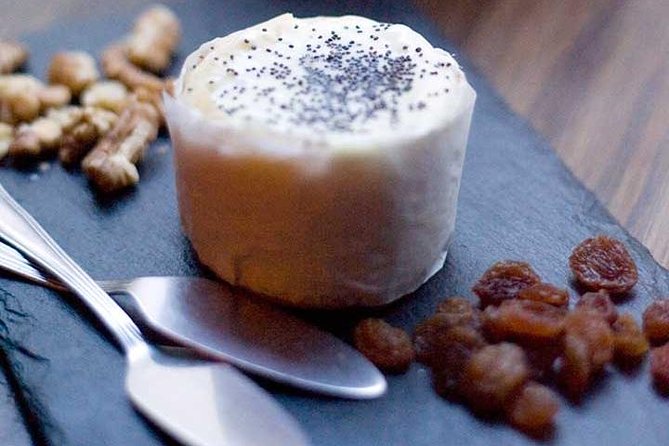
- Portuguese wine tasting + tapas: wines paired with local cheeses, charcuterie, bread, and olive oil
- Private, just-your-group pacing: guides can shift emphasis fast if you want more food, more sites, or more questions
- Guides with real city instincts: people mention hosts and guides like Rita, Elsa, Bernardo, Pedro, and Elza by name
- Lisbon Winery as the tasting finish: a dedicated spot people describe as a highlight, with staff who guide the tasting
A 3:00 pm old-town plan that starts with orientation
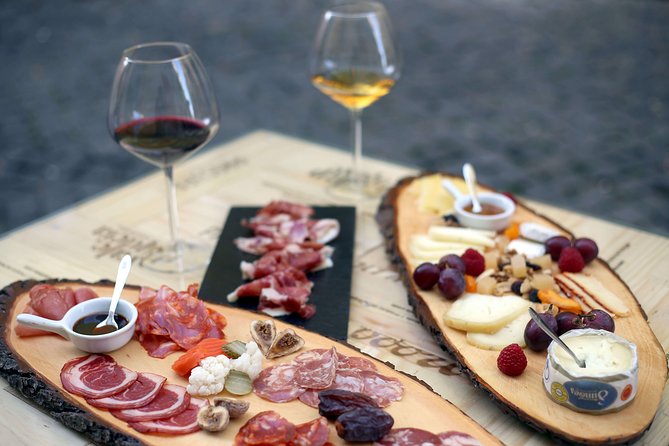
This is a great option if you’re trying to get your bearings fast. Starting at 3:00 pm means you’re not fighting the early-morning crowds, and you’re also not ending your day too late. You’ll spend time walking through central neighborhoods—enough to feel the city’s layers—but the tour length stays realistic at about 3 to 4 hours.
The private format matters here. In Lisbon, it’s easy to “see stuff” and still feel lost. With one guide, you can ask why a street is shaped a certain way, what a building used to be, and how the city’s history connects to what’s nearby. Several guides are named in people’s experiences—Rita, Elsa, Bernardo, Pedro, and Elza—which usually means you’re not stuck with a generic script.
Also: this is offered in English, and the tour uses a mobile ticket. You can keep things simple and show up ready to walk and taste—no hunting for directions once you’re on the ground.
You can also read our reviews of more tours and experiences in Lisbon.



Baixa, Rossio, and Restauradores: learn what you’re passing
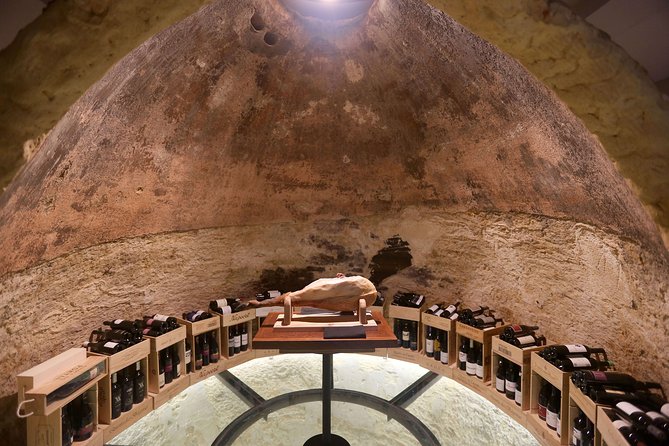
Your afternoon starts in the Baixa / Rossio / Restauradores area, where Lisbon’s downtown grid meets layers of history. The tour time here is about an hour, which is just enough to cover the big ideas without turning into a marathon.
What you’ll get isn’t just a list of famous landmarks. The guides focus on less-talked-about historical places around Baixa, pointing out details that help you understand the neighborhood’s layout and its role in daily Lisbon life. This is the kind of walking where the city starts making sense: squares, streets, and building fronts stop looking random.
A bonus in this section is that your guide may connect local history to major events. One named guide experience specifically mentioned the Carnation Revolution—so expect stories that go beyond old facades and explain why certain places matter.
Practical tip: if you want photos, tell your guide early. Private tours move faster when the guide knows you’ll want brief stops instead of quick “turn around” moments.
Chiado and Carmo: a short walk with real character
After Baixa, you shift toward Chiado and Carmo for about 40 minutes. This part is shorter, so it works best if you’re comfortable with a steady pace and you like learning in bursts.
Chiado is often known for shops and street life, and this tour uses that vibe to tell stories. People describe time spent on hidden gems, historical shops, and curiosities. In other words, you’re not only getting viewpoints—you’re picking up “how locals do things” context.
Food culture tends to show up here too. One guide-led experience highlights pauses connected to Portuguese staples—like salted cod at a fish shop, plus time around café and pastry culture. You might not see the exact same stalls, but you can expect your guide to steer you toward the types of places locals love, not just the most photographed streets.
Carmo adds another layer. It’s tied to the city’s historical narrative, and guides often use it to connect architecture and public space to events you’ll hear about in Portugal’s modern history.
Lisbon Winery and the tasting that turns history into flavor
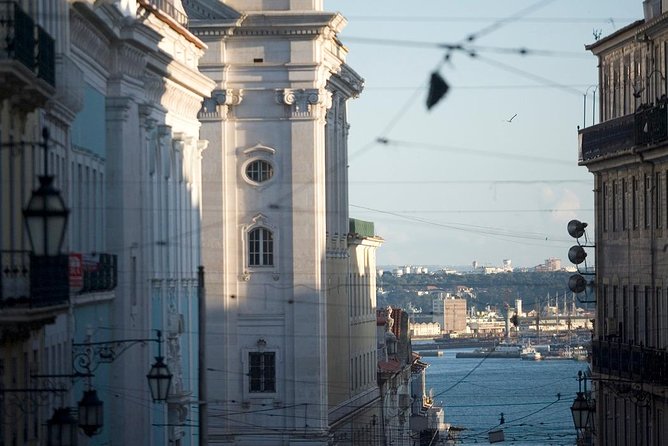
The tasting portion is the heart of the experience. You’ll head to Lisbon Winery for a Portuguese wine session paired with bites. This is where the tour stops feeling like a walk-and-learn and turns into a “you’ll remember this” afternoon.
Here’s what people consistently describe in the tasting:
- multiple Portuguese wines (one experience notes 4 wines plus port)
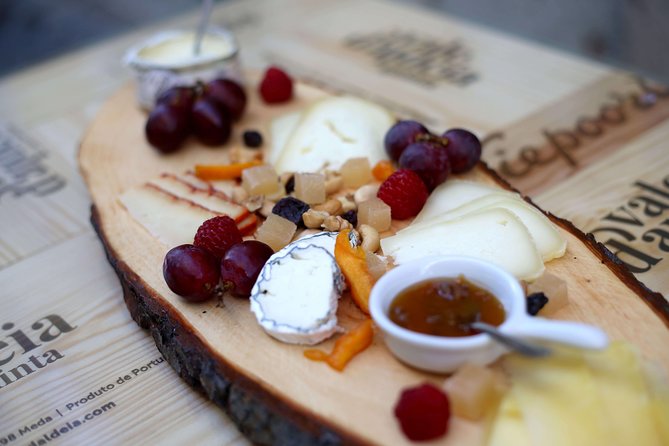
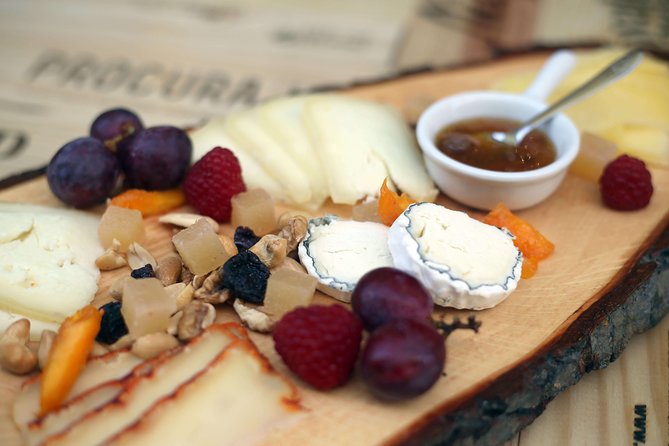
- local cheeses
- charcuterie and meats (including items like black ham in one mention)
- bread and olive oil
- a chance to talk through the wines, not just drink them
What makes this worth your time is the pairing logic. Wine in Portugal isn’t just a beverage—it’s tied to the country’s food habits and regional style. When your guide brings you into that conversation, you start tasting with context: acidity, fruit, aging style, and what the wine is designed to do with salty, fatty, or savory bites.
You’ll also meet wine staff and sommeliers. In people’s experiences, names like Ricardo and Alex come up as tasting partners who ask a few simple questions to match what you like. That’s a big deal if you’re not sure what you enjoy yet. One experience even described the result as a perfect set of picks—suggesting the tasting is responsive, not one-size-fits-all.
And the host matters, too. Owners or proprietors are described as warm and engaged, with one named as Adriana/Adrianna in the experiences people shared. Some mentions also point to help with bottle selection and the possibility of shipping wines after your visit, which can be handy if you fall in love with something you can’t comfortably carry home.
Practical tip: pace yourself on the walk so you actually taste your way through the flight. If you drink too fast, you lose the fun part—the comparisons.
Why private works better than a big-group wine tour
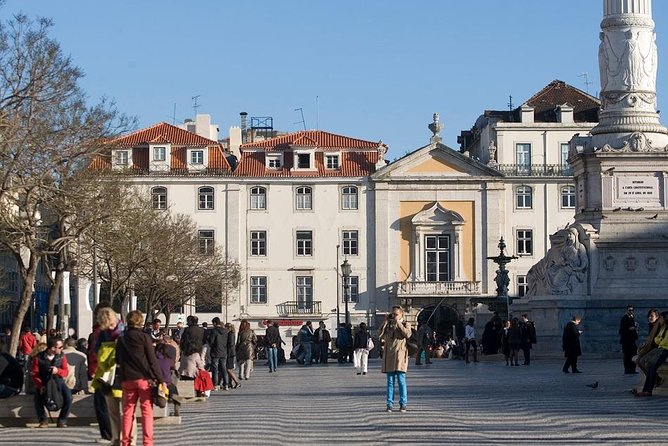
A group tour can be fine. But a private tour changes the feel, especially when you’re combining city stories with a tasting.
Here’s what you gain:
- Personal pacing: if you want more time on a street or less time on a stop, the guide can adjust.
- Better questions: you’re not shouting over strangers while trying to learn what a building used to be.
- Match to your tastes: wine staff and guides can adapt if you’re a novice or if you already know what you like.
One recurring theme in named guide experiences is that the guide is friendly, and that the tour becomes more than a checklist. People describe moments where the guide relaxes into conversation and makes it feel like a guided afternoon with someone who cares about Lisbon.
There’s also a nice payoff in the way the tasting finish connects to the walk. You’re not just tasting food and wine randomly after you finish the sites. Instead, you’ve already heard stories that make the city feel real, then you cap it with flavors and conversation.





Price: what you’re really paying for at $144.17
At $144.17 per person, this isn’t a budget activity. But it also isn’t only “wine plus snacks.” You’re paying for:
- a professional private guide for the walk
- a structured, guided transition from neighborhoods into a dedicated tasting stop
- premium Portuguese wine service with food pairing elements (cheese, charcuterie, bread, olive oil, and often port)
- a pace that stays focused in about 3 to 4 hours
If you compare it to the cost of hiring a private guide in a big city plus paying for a quality wine-and-tapas experience separately, this can start to look more reasonable. The value is in the package: the city context you get from a guide plus the tasting guidance at the end.
It’s also a smart choice if you’re only in Lisbon for a short time or you want one afternoon that gives you both orientation and a memorable food moment.
The one drawback: it’s a walk-first tour
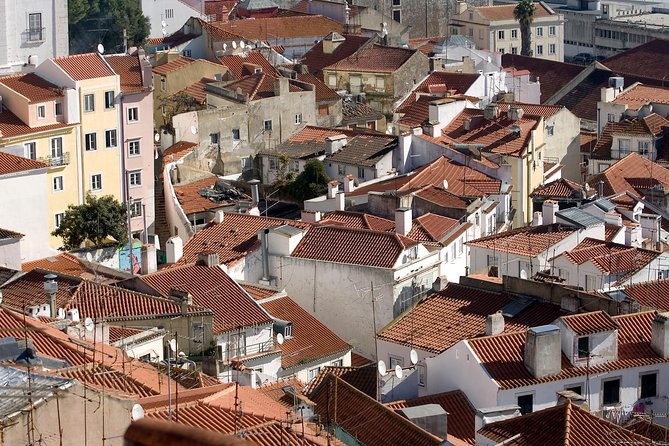
The main consideration is physical. The tour is designed for people with moderate physical fitness, and you’ll spend a lot of the time walking through central Lisbon.
That doesn’t mean it’s punishing. It does mean:
- wear supportive shoes
- plan to keep moving between stops
- expect a steady walking pace and short stops for stories and tasting prep
If you’re sensitive to walking time, you’ll want to go in with eyes open. Also, since it’s scheduled for 3:00 pm, try not to stack another long activity right before.
Tips to enjoy it more (and not fight the city)
A few practical things make a big difference:
- Arrive a few minutes early at Restauradores so you don’t feel rushed.
- Bring a light layer. Lisbon afternoons can shift as you move between open streets and tighter areas.
- Ask your guide what you should pay attention to in the tasting. If you like crisp whites, rich reds, or port-style sweetness, say it early.
- If you’re shopping for bottles after the tasting, give yourself a plan for carrying them. (The wine stop is described as helpful with selections, but how easy it is to transport depends on how many bottles you buy.)
Should you book this Lisbon wine and tapas tour?
Book it if you want one private afternoon that does two things well: helps you understand central Lisbon, and then feeds you Portugal in an actual tasting setting. It’s especially worth it when you care about the why behind places, not just the where.
Skip it (or choose another option) if you hate walking or you need long periods off your feet. Also, if you already have a strong plan for a full dinner elsewhere that you don’t want to interrupt, this may cut into your schedule a bit because the tasting can be filling—people describe it as an event they wouldn’t mind skipping dinner afterward.
If you’re aiming for a smart blend of history + wine + food, and you like learning in a small, personal way, this is a solid bet.
FAQ
What’s the duration of the private Lisbon tour?
It runs about 3 to 4 hours.
Where does the tour start?
It starts at Restauradores (Restauradores 1250-147 Lisbon, Portugal) and ends back at the same meeting point.
Is the tour private or shared?
It’s private. Only your group participates.
What language is the tour offered in?
The tour is offered in English.
What do you taste during the wine and tapas portion?
You’ll sample Portuguese wine along with tapas-style bites, including local cheeses and charcuterie, plus items like bread and olive oil. Some experiences also mention port.
Is there a cancellation option with a refund?
Yes. You can cancel for free up to 24 hours in advance for a full refund.