REVIEW · ALICANTE
Alicante: Santa Bárbara Castle Wine Tasting & Tapas
Book on GetYourGuide →Operated by Alicante Smart Destination · Bookable on GetYourGuide
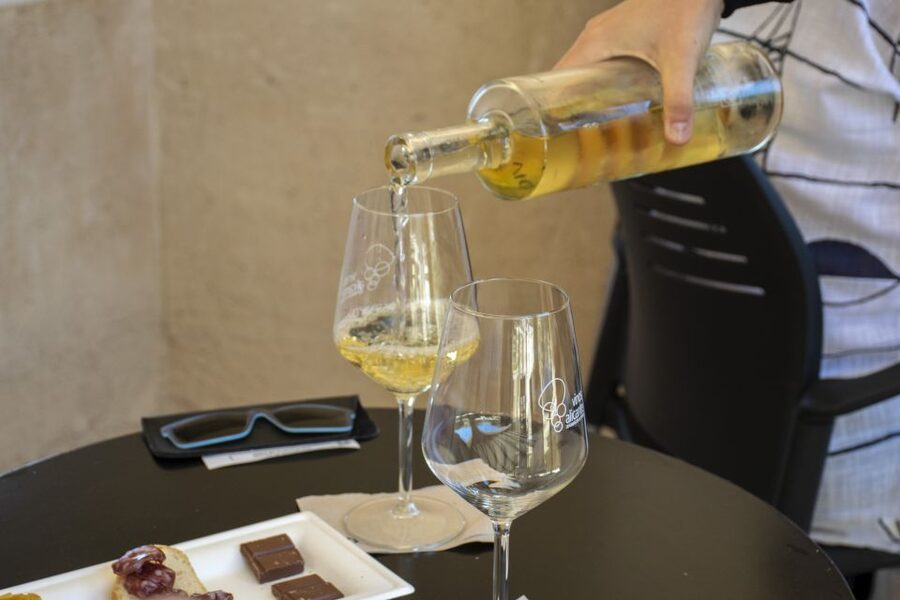
Three glasses, one castle view. This Santa Bárbara Castle wine tasting turns an iconic hilltop stop into something you can taste and learn, with the session held at Baluarte de la Contramina for serious lookout time. I especially like that you get a guided tasting with a specialist, and you can pick between a classic DO Alicante trio or a premium flight.
One thing to factor in: the castle walk and meeting logistics can be a bit of a puzzle. The activity starts at the entrance of the Santa Catalina Tower, and even though there’s an elevator involved, some people find directions unclear or the lift queues (or occasional lift trouble) worth planning around.
In This Review
- Key things to know before you go
- Getting to Santa Bárbara: Santa Catalina Tower to the second elevator stop
- The Baluarte de la Contramina setting: castle atmosphere with a tasting purpose
- What 45 minutes feels like: a tight, friendly pacing
- Option A: the DO Alicante trio paired with local tapas
- Option B Premium: three 92+ Parker-point red wines with olive oil and bread
- The food pairing: cured sausage, olive oil, and bread that actually matter
- Guides, language, and how interactive it feels
- Views and timing: when to schedule for best scenery
- Price and value: is $30 worth three wines and tapas at a castle?
- Who should book this Alicante castle tasting
- Should you book the Santa Bárbara wine tasting with tapas?
- FAQ
- How long is the Santa Bárbara Castle wine tasting & tapas?
- Where do I meet for the tour?
- What wines do I taste in the DO Alicante option (A)?
- What wines do I taste in the Premium option (B)?
- What food is included?
- What languages are the guide and instructor?
- Is it wheelchair accessible?
- Is there free cancellation?
- Can I reserve and pay later?
Key things to know before you go
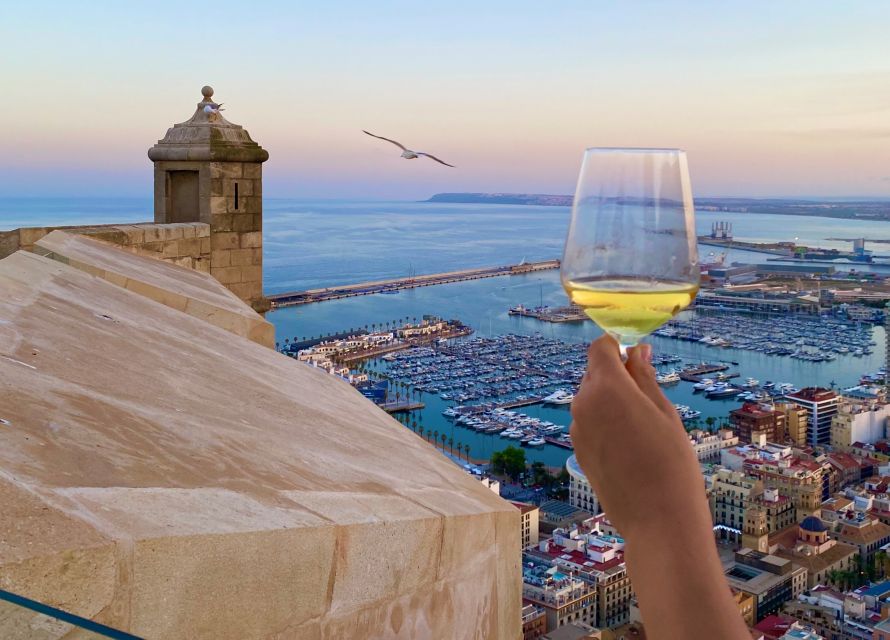
- Wine plus views: tasting happens in the upper castle area at Baluarte de la Contramina, with standout city-and-sea perspective.
- Two tasting styles: option A focuses on DO Alicante (white, red, sweet), while option B is three premium reds (92+ Parker points).
- Food pairing is part of the point: cured sausage/tapas, plus olive oil and bread show up as flavor partners, not just an afterthought.
- You’ll hear the why, not just the what: guides like Carmen and Mario are specifically praised for clear, enthusiastic explanations.
- Servings are usually generous, but not always: many love the amount poured, while a few say the glass size feels small.
- The sea view can depend on where you stand: one guest couldn’t see the sea from the tasting spot in May, so timing and light matter.
Getting to Santa Bárbara: Santa Catalina Tower to the second elevator stop
Your experience starts at the entrance of the Santa Catalina Tower. That detail matters, because Santa Bárbara is a “find-the-right-level” kind of place, not a simple street-corner meet-up.
From there, you’ll use the elevator as part of the process. The wine tasting venue is at Baluarte de la Contramina, which is listed as the second stop of the elevator. Practically, this saves you from reaching the very top by foot, but you still want time for the castle approach, especially if the lift line is long.
If you’re the type who hates rushing, I’d arrive a touch early and give yourself a buffer. Some guests said directions were tricky and required asking at the castle area before they got to the correct meeting point. A quick question to staff at the tower can save you time and stress.
You can also read our reviews of more tours and experiences in Alicante.
The Baluarte de la Contramina setting: castle atmosphere with a tasting purpose
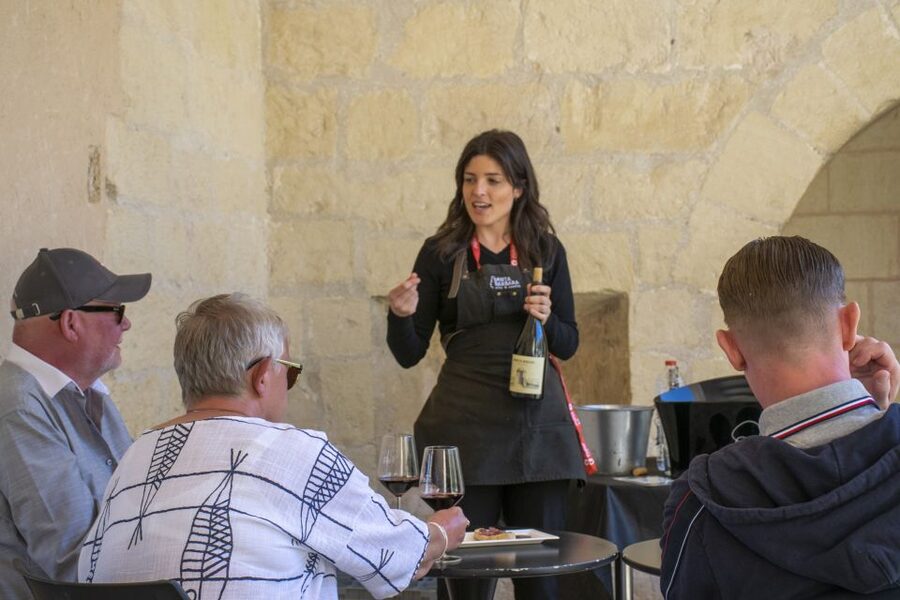
The session happens inside the castle, not in a bar that happens to be near the walls. That’s a big part of the value, because you’re combining two things Alicante does well: wine culture and dramatic viewpoints.
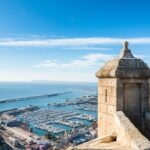
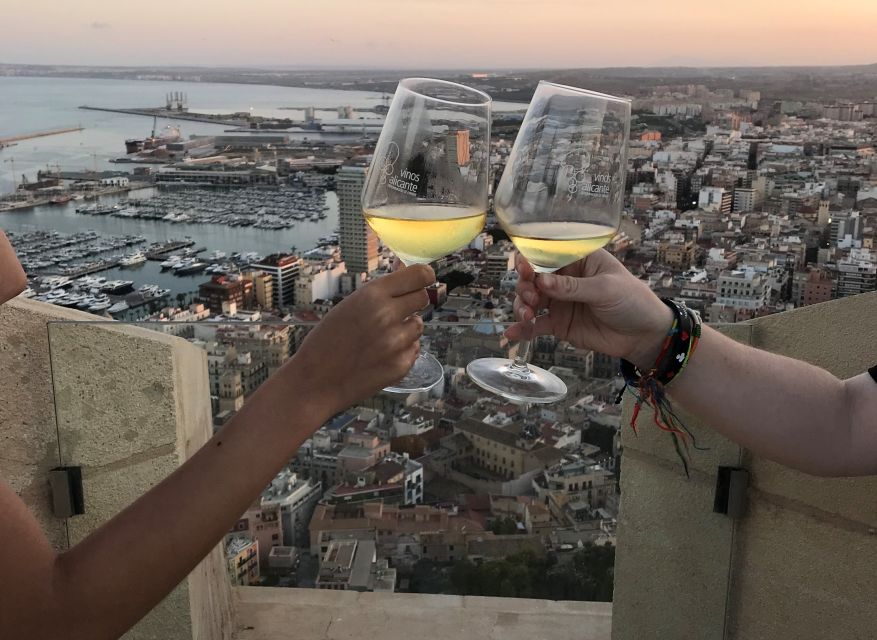
Baluarte de la Contramina is in the upper portion of Santa Bárbara and is the second elevator stop. The tasting location is repeatedly described as beautiful, with a “this is why we came” view over the city and out toward the sea.
Now, a quick reality check: one guest noted they couldn’t see the sea from where the tasting took place in May. So if your heart is set on a perfect sea panorama, plan for the possibility that the view is angle-dependent. Still, even when the sea view isn’t direct, the castle views over the port-area cityscape tend to be impressive.
What 45 minutes feels like: a tight, friendly pacing
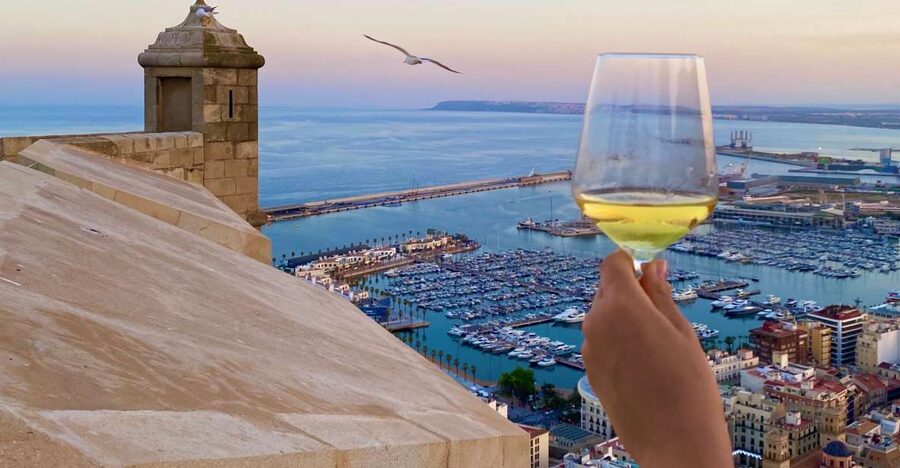
The experience runs about 45 minutes. That’s short enough to fit into a broader Santa Bárbara visit, but long enough for a proper tasting sequence and pairing explanations.
The flow is designed around three wine moments. You taste, you listen, and you eat in between sips. Several guests praised the hosts for being attentive and for moving through the tasting at a pace that doesn’t feel like a lecture marathon.
The upside of a time-boxed tasting is that you can still enjoy the castle before and after. The downside is that you’ll get three wines, not six, and a few people expected more.
Option A: the DO Alicante trio paired with local tapas
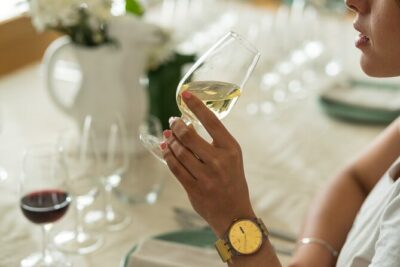
Option A is built for people who want a classic introduction to Alicante wine without turning the tasting into a formal sommelier exam. You’ll taste three wines: 1 white, 1 red, and 1 sweet wine.
The flight is paired with tapas and Alicante products designed to make each glass taste better. In the real world, pairing works because sweet, salty, and fatty flavors change how you perceive acidity and fruit. If you’ve ever had wine next to only bread, you know what I mean. This setup tries to correct that.
A few examples from past sessions include styles like a Chardonnay-style white, a Monastrell-based red (Monastrell is a common Alicante red grape), and a Moscatel de la Marina sweet wine. The exact lineup can vary, but the intention is consistent: show you the main taste personalities of the region in one compact flight.
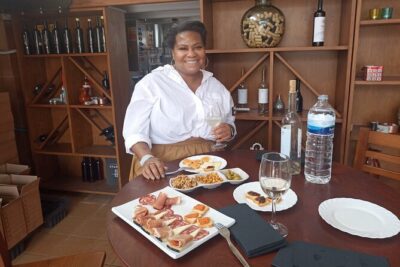
Food-wise, the tasting commonly includes items like traditional cured sausage, plus bread and other local components. Some guests wanted larger portions of bread and cold cuts, but most felt the pairing worked well and didn’t feel stingy.
Option B Premium: three 92+ Parker-point red wines with olive oil and bread
If you’re more serious about red wine and want something that feels more “special occasion,” option B is the move. It’s a premium tasting with a commented flight of three premium red wines, each listed as rated above 92 Parker points.
This option changes the tasting character. Instead of walking through a full white-to-sweet progression, you focus on how different reds behave with the same general idea: regional grapes and winemaking choices, but expressed in distinct flavors and structures.
Pairing for option B includes tapas, olive oil, and artisanal bread. I like this approach because olive oil and bread are simple, familiar building blocks, and they help you notice differences between wines rather than overpower them with heavy sauces.
One gentle caution: option A includes a sweet wine, and a few guests said the sweet pour wasn’t very drinkable for everyone. Option B skips the sweet wine, so if sweetness tends to bother you, the premium red-only format can be more comfortable.



The food pairing: cured sausage, olive oil, and bread that actually matter
Food here is not just decoration. It’s part of the tasting mechanics.
In the classic pairing, you’ll see traditional Alicante cured sausage alongside bread and other local items. Some guests also mentioned cheese and dried meats as part of the tapas spread. Others found the meat and bread portions could be bigger, so your expectations should be “snacks,” not “a full meal.”
For me, the best value angle is that you get edible context for wine. In a region where people eat alongside what they drink, learning this pairing rhythm makes the wines easier to remember later.
Also, the practical part: you’re tasting alcohol, and you’re in the middle of an active hilltop site. Having bread and cured items in your system makes the experience feel safer and more enjoyable.
Guides, language, and how interactive it feels
The instructor is listed as English and Spanish. In practice, the hosts often keep the session friendly and conversational, and several guests praised guides for being energetic and for including everyone in the chat.
Names like Carmen and Mario show up in past hosts, and both are described as knowledgeable and attentive. That matters because wine tasting can get awkward if the guide speaks in a monotone or sticks to facts with no personality.
You’ll also have moments between pours, which gives the group time to ask questions or to talk through what you’re noticing. That’s one of the reasons this works as a group activity: you don’t just sit and watch, you participate.
Views and timing: when to schedule for best scenery
Santa Bárbara is a viewpoint first. The tasting just makes you slow down and enjoy it.
Even with the tasting happening at a specific spot, you’ll get the most from it if you plan your castle time intentionally. If you arrive earlier, you can get oriented, take in the city, and then settle into the tasting when you’re ready to rest your legs.
In terms of logistics, expect either a walk or stairs plus elevator handling, depending on your route and the current lift situation. One guest described difficulty due to a lift not working, and another mentioned the elevator queue could be long. I’d treat this as a “give yourself buffer time” activity rather than a clock-to-the-minute appointment.
And if you’re going during warmer months, remember that climbing to and within the castle can be tiring. You’ll be thankful the tasting offers a seated, structured break.
Price and value: is $30 worth three wines and tapas at a castle?
$30 per person for 45 minutes, three wines, and tapas in a landmark setting is a pretty strong deal when you compare it to typical city tastings.
Here’s why it feels worth it:
- You’re paying for a wine specialist-style experience, not just a pour.
- The food pairing is included, including items like bread and local cured sausage.
- The location upgrades the whole session. You’re paying for wine plus access to the castle’s atmosphere and views.
The premium option naturally costs more than the DO Alicante flight, but the pricing makes sense if you’re hunting for higher-end reds. Since option B lists 92+ Parker-point wines, you’re not just paying for packaging; you’re paying for a different class of wine selection and a red-focused tasting.
The only value warning I’d give: if you’re expecting a large meal or a longer tasting, some people were disappointed by the number of wines and the glass size. This is designed to be efficient, not endless.
Who should book this Alicante castle tasting
This works especially well if you want:
- A high-impact Alicante experience in under an hour
- A wine introduction that’s guided and paired with food
- A romantic or scenic evening plan with the castle as your backdrop
- A small-group feel with time for questions and conversation
It’s not ideal if:
- You hate any stairs or are uncomfortable with hilltop logistics
- You expect a full meal instead of tapas
- Sweet wines are a definite no for you (option A includes one sweet pour)
Because it’s wheelchair accessible, and because the tasting is organized around the elevator stops, it can be doable for a broader range of mobility needs than a purely top-of-the-hill walking visit.
Should you book the Santa Bárbara wine tasting with tapas?
Yes, I’d book it if you’re in Alicante with even a mild interest in wine and you’re already planning to visit Santa Bárbara Castle. The combination of guided tasting, food pairing, and the viewpoint setting gives you a full “Alicante in one hour” experience.
But book with your eyes open: build in extra time to find the correct meet-up spot at the Santa Catalina Tower entrance, and don’t assume the sea view will be direct from every angle of the tasting area. If you’re picky about sweetness or portion size, choose option B (reds only) and go in knowing the food is tapas, not dinner.
If you want a smart, scenic pause in the castle, this is one of the easiest ways to do it without wasting time or guessing what to order once you’re already in the walls.
FAQ
How long is the Santa Bárbara Castle wine tasting & tapas?
It lasts 45 minutes.
Where do I meet for the tour?
Meet at the entrance of the Santa Catalina Tower.
What wines do I taste in the DO Alicante option (A)?
You taste three wines: 1 white wine, 1 red wine, and 1 sweet wine, paired with tapas and Alicante products.
What wines do I taste in the Premium option (B)?
Premium is a commented tasting of three premium red wines.
What food is included?
You get a tapas tasting that accompanies the wine. The Premium option also includes olive oil and artisanal bread as part of the pairing.
What languages are the guide and instructor?
English and Spanish.
Is it wheelchair accessible?
Yes, the experience is wheelchair accessible.
Is there free cancellation?
Free cancellation is available up to 24 hours in advance for a full refund.
Can I reserve and pay later?
Yes, you can reserve now and pay later.