REVIEW · ALICANTE
Alicante: Paella & Sangria Class with Tapas and Market Visit
Book on GetYourGuide →Operated by Free Walking Tours Alicante · Bookable on GetYourGuide
Fresh paella starts at the market. This class pairs a Central Market shopping walk with a real cooking session led by Fred (Federico), so you go from ingredients to dinner with guidance you can actually use. I especially like how it feels local at every step, not staged for tourists.
You’ll also love the hands-on paella cooking and the optional sangria style (with or without alcohol), plus you get to choose your paella base: seafood, meat, or vegetarian. One heads-up: it’s a 3.5-hour, mostly standing-and-cooking activity, so wear comfy shoes and plan for heat if you go in summer.
In This Review
- Key things that make this class worth your time
- The “market first” format that actually helps you eat like a local
- Where to meet at Alicante Central Market (and what to look for)
- Central Market: what you’re really learning while you shop
- The working kitchen setup: where the class turns into real cooking
- Choosing your paella flavor: seafood, meat, or vegetarian
- The “Alicante way” you hear about: broth, salmorreta, and timing
- Sangria and tapas: the best kind of break while the rice finishes
- How the host keeps everyone cooking (and why that affects your enjoyment)
- What you take home: recipe value and a market-smart mindset
- Price and value: why $58 feels fair for what you get
- Timing, pace, and what to wear so you enjoy the full 3.5 hours
- Who should book this class (and who might skip it)
- Should you book Alicante Paella & Sangria Class with Market Visit?
- FAQ
- How long is the Alicante paella and sangria class?
- Where do we meet for the class?
- What paella flavors can I choose?
- Is sangria made with alcohol?
- What food and drinks are included?
- What languages are offered?
- Is the class wheelchair accessible?
- What should I bring or wear?
- Are pets allowed, and what’s the cancellation window?
Key things that make this class worth your time
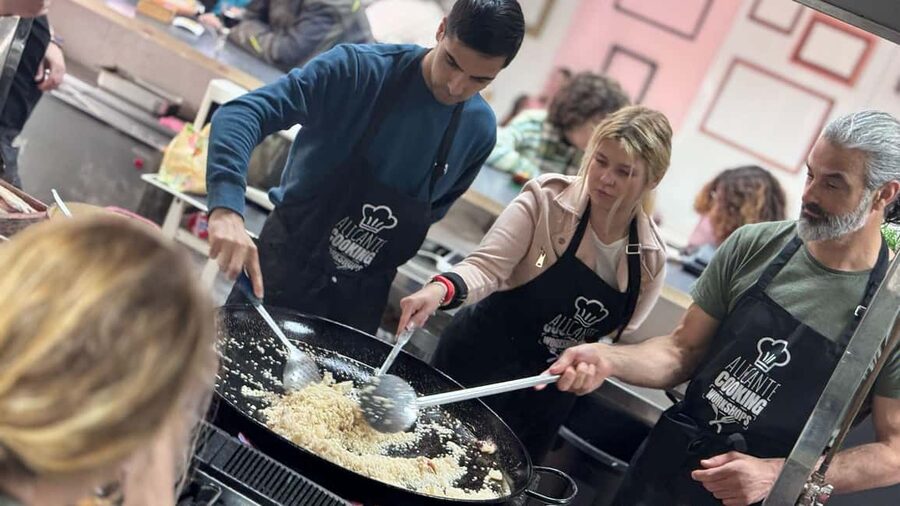
- Central Market ingredient hunting: You shop with a local guide and learn what to look for.
- A working kitchen, not a show kitchen: You cook where locals eat.
- Pick your paella style: Seafood, meat, or vegetarian, then take the recipe home.
- Sangria with options: Choose with alcohol, without alcohol, and other drinks are available too.
- Tapas built in: Iberian ham, tomato salad with salted fish, cold local sausages, olives, and crisps.
- A host who manages the group: People report that Fred (Federico) keeps everyone involved and engaged.
The “market first” format that actually helps you eat like a local
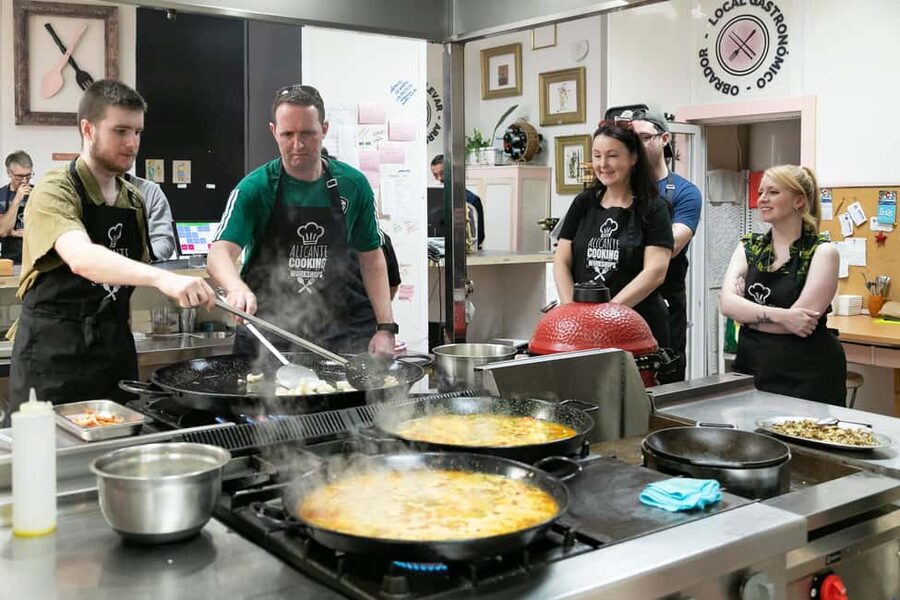
If you’ve taken cooking classes before, you might know the usual pattern: brief demo, then a scramble. This one flips the script in a smart way. You start at Alicante’s Central Market and shop the ingredients with your guide, so the cooking part has meaning.
I like this approach because it teaches you the logic behind the dish, not just the steps. When you understand why you’re buying certain items, you can recreate the result later at home, even if your local supermarket doesn’t stock the exact same brands.
And since the class happens in a real restaurant kitchen inside a local dining setting, the whole meal feels tied to Alicante life. The result is that you’re not just learning food facts. You’re practicing the habits that make the food taste right.
You can also read our reviews of more tours and experiences in Alicante.

Where to meet at Alicante Central Market (and what to look for)
Your meeting point is at the entrance of Alicante’s Central Market. On the ground level, look for a metal Civil War memorial, then find your guide there.
Your guide wears a black T-shirt with white text that reads Paella&Sangria cooking Workshop Alicante. If you’re arriving a little early, take a minute to orient yourself in the market entrance area before your group gathers.
This matters more than it sounds. A lot of “market + cooking” experiences waste time waiting for people to find each other. Here, the meeting point is clearly described, which keeps the class flowing.
Central Market: what you’re really learning while you shop
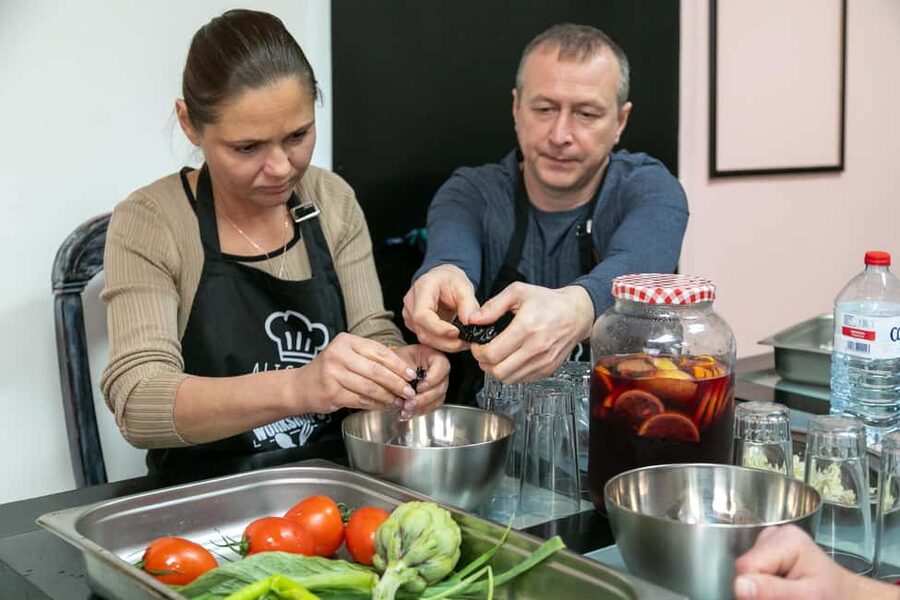
The market visit is not just sightseeing. You’re picking ingredients that match the paella you’ll cook, and you’ll hear explanations about Mediterranean products and local food culture as you go.
This is where you get practical “buying signals.” For example, you’ll hear what matters in produce and what the cooking needs from each ingredient. The goal is simple: help you make better choices when you’re cooking later, not just when you’re standing in front of vendors.
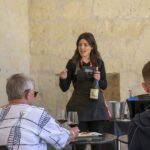
One recurring theme in the experience is that the guide keeps it conversational. People describe Fred (Federico) as funny, patient, and good at getting everyone involved, including groups with a mix of languages. That style helps on a market walk, where everyone’s trying to balance listening with taking photos and asking questions.
The working kitchen setup: where the class turns into real cooking
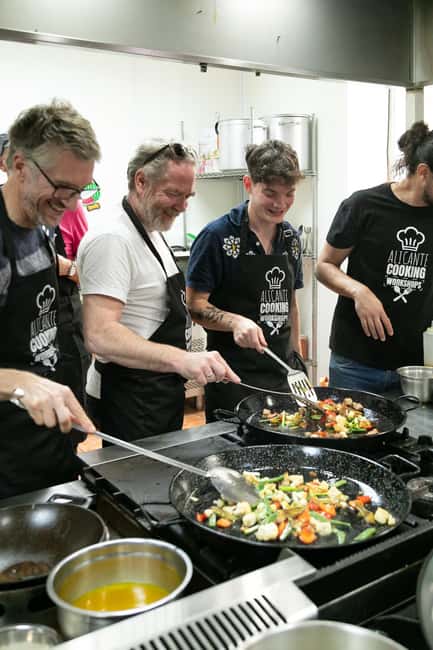
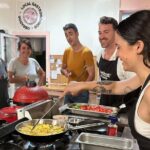
After the market, you move to a real working kitchen inside a local restaurant. This is one of the biggest quality signals in the whole experience: you’re not in a far-away cooking school set-up with fake walls and cookware meant for photos.
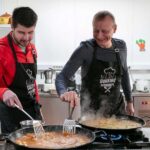
In the kitchen, your chef and host guide you through paella from scratch. You’ll cover the base flavors and build toward the final golden rice. The class is structured enough that first-timers can follow along, but people also report it feels genuinely instructional even if they cook a lot at home.
If you like to cook with a plan, you’ll appreciate that the chef doesn’t just point at a pot and say watch. You’re doing key steps, not standing around.
Choosing your paella flavor: seafood, meat, or vegetarian
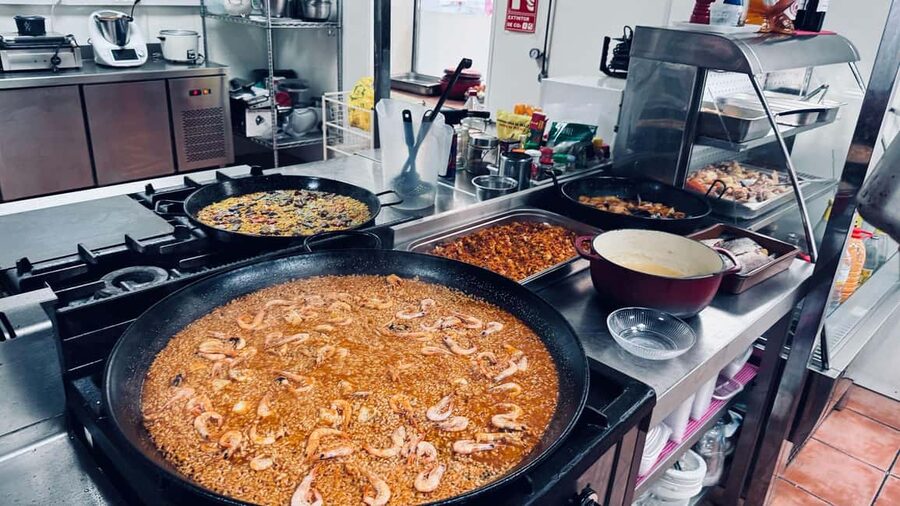
This class lets you pick your paella style. You can choose seafood, meat, or vegetarian, and your selection shapes what you buy at the market and what you cook in the kitchen.
That choice is valuable because paella is not one single dish. It’s a family. The technique stays similar, but the ingredient mix changes the flavor direction. Being able to choose means you’re more likely to cook something you actually want to eat tonight, and something you’d try again after returning home.
Another practical benefit: you’ll get a recipe you can take with you. Since you selected your version, the takeaway is more useful than a generic, one-size paella card.

The “Alicante way” you hear about: broth, salmorreta, and timing
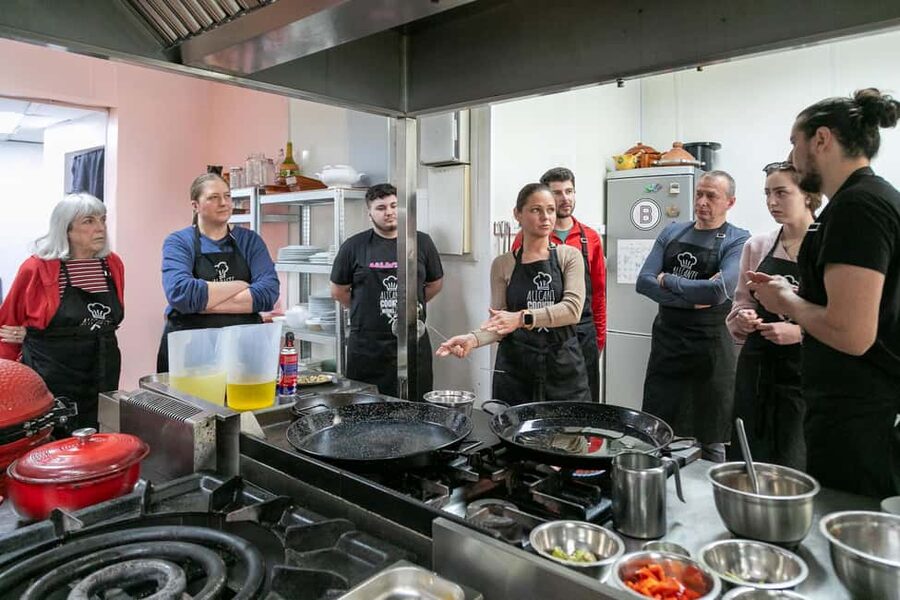
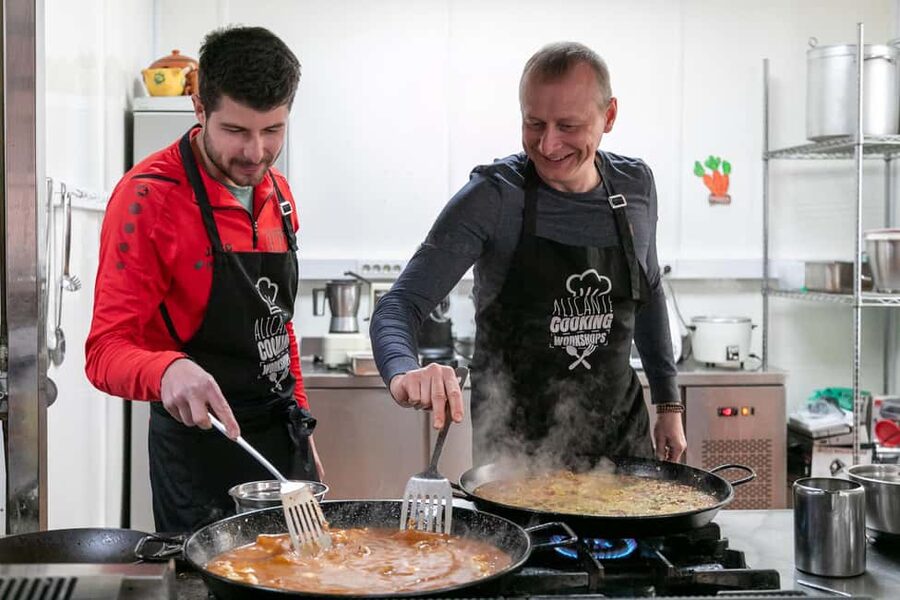
A big part of paella success is balance and timing. In this class, you’ll learn the broth component and Alicante’s signature salmorreta, basically the sofrito-style base. That matters because it’s where much of the flavor structure forms.
You’ll also learn how the rice comes together toward the final cook. The chef’s step-by-step approach is repeatedly praised in the feedback: people like how it stays calm and organized, and how the guide keeps explaining the why behind each step.
I’d call this the heart of the value. Anyone can follow a recipe. Fewer experiences help you understand what to pay attention to while cooking so you can adapt when conditions change (stovetop power, pan size, ingredient differences).
Sangria and tapas: the best kind of break while the rice finishes
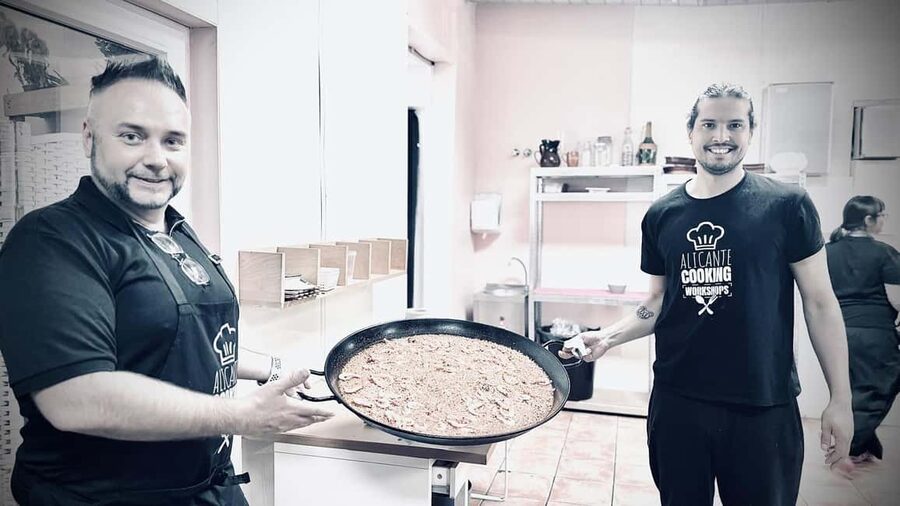
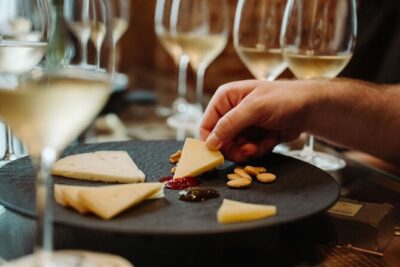
While your paella cooks, you eat a set of traditional tapas and enjoy sangria. Tapas included in the experience are Iberian ham, tomato salad with salted fish, cold local sausages, olives, and crisps.
The tapas aren’t an afterthought. They’re part of how you eat during the paella wait, which is a real rhythm in Spain. You’re not just waiting for rice. You’re tasting the sort of flavors Alicante pairs with a longer main meal.
Sangria is part of the fun, and it comes with flexibility. You can make it with alcohol or without alcohol, and if you’d rather skip it entirely, you can choose another drink option. Reviews also mention that the sangria portion can feel generous, which boosts the overall “we got our money’s worth” feeling.
How the host keeps everyone cooking (and why that affects your enjoyment)
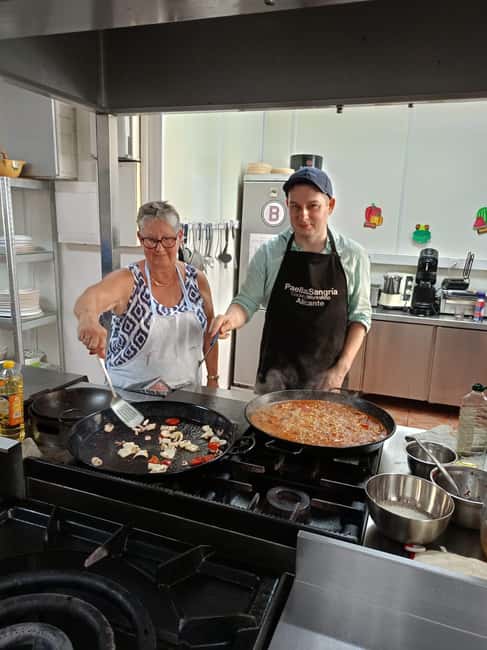
A paella class can go one of two ways: everyone feels useful, or you end up watching. This experience is designed to include you, and feedback strongly supports that the host manages the group actively.
If you’re traveling solo, this matters. Multiple comments highlight how friendly the host was for people joining alone, and how the group vibe stays relaxed. If you’re with friends, it’s still a plus because the host helps coordinate tasks so nobody’s stuck waiting for the same step.
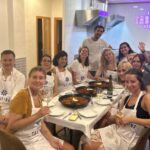
Also note: groups can include around a dozen people in some sessions. That size is manageable, but it requires a good facilitator. This one seems built for that kind of coordination.
What you take home: recipe value and a market-smart mindset
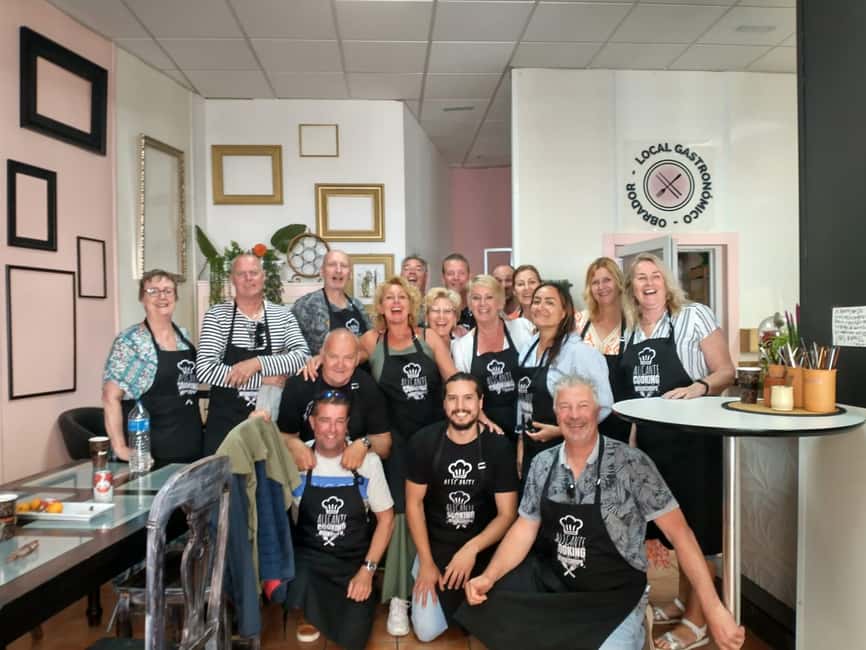
The biggest “take-home” isn’t just the recipe. Yes, you get a paella recipe to cook later. But the market walk trains your eye. You learn what to buy, and you get tips that explain why certain ingredients matter for paella and related dishes.
That means your home attempt is less likely to fail because you followed a process without understanding the ingredients. Even if you don’t replicate everything perfectly, you’ll know what role each item plays.
For food lovers, that’s the real souvenir. Photos fade. A workable cooking method stays.
Price and value: why $58 feels fair for what you get
At $58 per person for about 3.5 hours, this class sits in the “mid-price” range for cooking experiences. The value comes from stacking three elements that usually cost more separately: a market visit, a hands-on cooking session, and a full meal with tapas plus drinks.
You’re also getting choice, which is part of the value calculation. Picking your paella style (seafood, meat, veg) makes the class more personal than a fixed menu cooking lesson. And since you receive the recipe afterward, the experience doesn’t end when you leave the restaurant.
If you want a simple checklist for whether it’s worth it for you:
- You want to cook in a real kitchen, not just taste.
- You want local market shopping context, not only cooking steps.
- You like seafood/meat/veg paella enough that choosing your style will feel meaningful.
Timing, pace, and what to wear so you enjoy the full 3.5 hours
The class lasts 3.5 hours. That’s long enough for a real meal experience, but short enough that it doesn’t swallow your whole day. The trade-off is that you’ll be active for most of it.
Wear comfortable shoes and clothes. You’ll be walking through the market and then working in the kitchen environment. One thing to keep in mind from feedback: on hot days, people sometimes wish they had had water available right when arriving at the restaurant. Bottled water is included in the package, but if you’re visiting during peak heat, being sensible about hydration helps.
Pace-wise, reviews repeatedly mention no feeling of being rushed. The chef and host take time with explanations, and they keep the group working together.
Who should book this class (and who might skip it)
This is a strong pick if you:
- want an Alicante food experience you can repeat at home
- enjoy hands-on cooking and learning why ingredients matter
- like social activities where a guide helps you mix with other people
Consider skipping if you strongly dislike structured group activities or you can’t handle a mostly on-your-feet format. The session isn’t described as a sit-down lecture. It’s cooking, tasting, and moving.
If you’re coming to Alicante and want a memorable food highlight beyond a restaurant meal, this class has the advantage of starting at the source: the market.
Should you book Alicante Paella & Sangria Class with Market Visit?
Yes, if you want the best mix of taste, technique, and local context in one tidy 3.5-hour slot. The market-first start plus a working kitchen makes it feel genuinely tied to Alicante, not just a paella-themed performance.
Book it if you’ll actually use what you learn. You’ll get a paella recipe to take home, sangria options, and tapas that keep you fed while the paella finishes. And if you’re the type who loves asking questions while cooking, the guidance from Fred (Federico) and the chef style described in feedback suggest you’ll have a fun, patient experience.
If you’re only looking for a quick bite with minimal cooking, then a simple restaurant meal might be enough. But for a hands-on Alicante food day, this one is an easy yes.
FAQ
How long is the Alicante paella and sangria class?
The experience lasts 3.5 hours.
Where do we meet for the class?
You meet at the entrance of Alicante’s Central Market. There is a metal Civil War memorial on the ground nearby, and the guide is there.
What paella flavors can I choose?
You can choose seafood, meat, or vegetarian.
Is sangria made with alcohol?
You can make sangria with or without alcohol. Other drink options are also available if you prefer.
What food and drinks are included?
Tapas are included, along with sangria, bottled water, and beer and soft drinks. Tapas listed include Iberian ham, tomato salad with salted fish, cold local sausages, olives, and crisps.
What languages are offered?
The live tour guide speaks English and Spanish.
Is the class wheelchair accessible?
Yes, the activity is wheelchair accessible.
What should I bring or wear?
Bring comfortable shoes and comfortable clothes.
Are pets allowed, and what’s the cancellation window?
Pets are not allowed. You can cancel up to 24 hours in advance for a full refund.